
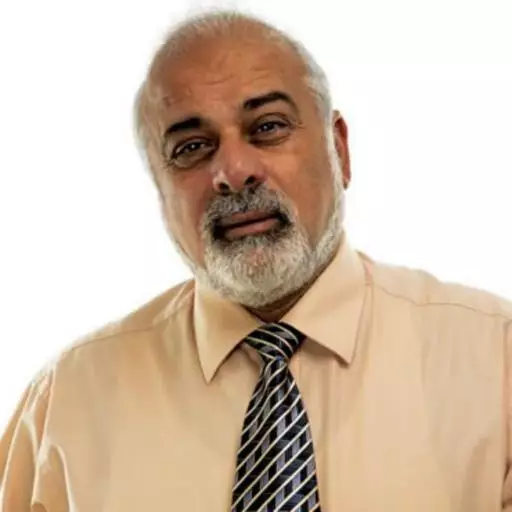
Nehemiah 8:1-18, Part 1 of 3


The Public Reading of God’s Law Before All Israel, Part 1
Guest (Female): Shalom. Holy Scriptures and Israel is a ministry designed to share with the Jewish people the good news of the Lord Jesus, Yeshua the Messiah, and to instruct Christians on the Jewish roots of their faith. And now, teaching God's word from a Hebrew Messianic perspective, here is Gideon Levytam.
Gideon Levytam: Okay, Shabbat Shalom, everyone. Please open your Bibles to the book of Nehemiah, Nehamyah, chapter eight. We're going to read the whole chapter, and we are going to seek to cover all the chapter today with the help of the Lord. And I'm reading.
And all the people gathered themselves together as one man into the street that was before the water gate; and they spake unto Ezra the scribe to bring the book of the law of Moses, which the LORD had commanded to Israel. And Ezra the priest brought the law before the congregation both of men and women, and all that could hear with understanding, upon the first day of the seventh month.
And he read therein before the street that was before the water gate from the morning until midday, before the men and the women, and those that could understand; and the ears of all the people were attentive unto the book of the law. And Ezra the scribe stood upon a pulpit of wood, which they had made for the purpose; and beside him stood Mattithiah, and Shema, and Anaiah, and Urijah, and Hilkiah, and Maaseiah, on his right hand; and on his left hand, Pedaiah, and Mishael, and Malchiah, and Hashum, and Hashbadana, Zechariah, and Meshullam.
And Ezra opened the book in the sight of all the people; (for he was above all the people;) and when he opened it, all the people stood up. And Ezra blessed the LORD, the great God. And all the people answered, Amen, Amen, with lifting up their hands: and they bowed their heads, and worshipped the LORD with their faces to the ground.
Also Jeshua, and Bani, and Sherebiah, Jamin, Akkub, Shabbethai, Hodijah, Maaseiah, Kelita, Azariah, Jozabad, Hanan, Pelaiah, and the Levites, caused the people to understand the law: and the people stood in their place. So they read in the book in the law of God distinctly, and gave the sense, and caused them to understand the reading.
And Nehemiah, which is the Tirshatha, and Ezra the priest the scribe, and the Levites that taught the people, said unto all the people, This day is holy unto the LORD your God; mourn not, nor weep. For all the people wept, when they heard the words of the law.
Then he said unto them, Go your way, eat the fat, and drink the sweet, and send portions unto them for whom nothing is prepared: for this day is holy unto our Lord: neither be ye sorry; for the joy of the LORD is your strength. So the Levites stilled all the people, saying, Hold your peace, for the day is holy; neither be ye grieved.
And all the people went their way to eat, and to drink, and to send portions, and to make great mirth, because they had understood the words that were declared unto them. And on the second day were gathered together the chief of the fathers of all the people, the priests, and the Levites, unto Ezra the scribe, even to understand the words of the law.
And they found written in the law which the LORD had commanded by Moses, that the children of Israel should dwell in booths in the feast of the seventh month: And that they should publish and proclaim in all their cities, and in Jerusalem, saying, Go forth unto the mount, and fetch olive branches, and pine branches, and myrtle branches, and palm branches, and branches of thick trees, to make booths, as it is written.
So the people went forth, and brought them, and made themselves booths, every one upon the roof of his house, and in their courts, and in the courts of the house of God, and in the street of the water gate, and in the street of the gate of Ephraim. And all the congregation of them that were come again out of the captivity made booths, and sat under the booths: for since the days of Joshua the son of Nun unto that day had not the children of Israel done so. And there was very great gladness.
Also day by day, from the first day unto the last day, he read in the book of the law of God. And they kept the feast seven days; and on the eighth day was a solemn assembly, according unto the manner. This is the word of the Lord.
It's a very beautiful chapter. I was fascinated with this thought, beloved brothers and sisters. We have to realize if there ever will be a revival among God's people, whether it is Israel our nation historically or whether it is the body of Messiah, the church, the ekklēsia today, it must be done on a basis of the word of God.
You will never find any revival anywhere in biblical time, in the history of Israel, or even in the history of the body of Messiah among the people of God without God's word, the scriptures, the Tanakh and the Brit Hadasha. We need the word of the Lord in order to revive God's people.
It is the word of the Lord that is being preached and people get saved. When we preach the message of the gospel, faith comes by hearing, hearing by the word of God. We share the love of God, the love of the Lord Yeshua the Messiah with the world around us. The spirit of God takes the word of God and appropriate it to the heart of the listener, that he or she, if they truly took the word and applied it to their conscience and to their hearts, they will get saved.
And if a discouraged believer is away from the Lord, when he take the word of God and apply it to his heart by the spirit of God, there will be revival among God's people. And so, we have enjoyed to find out how Nehemiah in the first seven chapters build the walls of the city of Jerusalem, placed in order the gates thereof, put guards all around, and he really assisted our people of all, the people of Israel, with physical restoration among the people.
Well, by the time we get to chapter eight, chapters eight, nine, 10, 11, 12, and 13, those next chapters that we're going to deal with in this book of Nehemiah, he's not only dealing with the physical restoration of Israel, but he is dealing with the spiritual restoration of the nation of Israel.
And remember that I've said before as the Hebrew prophets and also the New Testament writers said, whatsoever things have happened aforetime—Romans chapter 15—had happened for our learning, that you and I will learn the things that happened to Israel appropriated to us in the present day dispensation.
We read in 1 Corinthians chapter 10 that all these things happened unto them, Israel, as an example, and they are serving to be for us as this lesson that we need to learn. Now, here it is chapter eight, interesting chapter, and here you can see that God is seeking to revive his people, Israel.
God does not want us to stay dry and with lack of joy and lack of spiritual progress. Just we have a religion, we're going to sit in the pew, we will not really necessarily apply the word of God to our lives. We belong to God, we are saved, and yet we have this dryness in our lives as believers. God wants to revive us.
God wanted to revive Israel as a nation at the time of Nehemiah. And he used it through his word. We would call it the Bible today. It's come from the Greek word "the book," which come from the Hebrew word ha-sefer. You would notice that we did read here about the book.
Notice verse five: it said and Ezra opened the book. In Hebrew it simply mean ha-sefer. As far as our people Israel were concerned, there is only one book in existence, and that book is the Tanakh—the Torah, the Nevi'im, the Ketuvim—the law, the prophets, and the writing.
And the Greek language took it in the very same way when the New Testament was written, and that's why when you open your Bible, it's come from the Greek word biblio that was translated from the Hebrew word ha-sefer. And so, the only way for God's people to grow and to be revived, the Bible, the word of God, the Torah, the Nevi'im, the Ketuvim must be read and must be taught.
So I want you to notice this here, that in this chapter, we have a public reading of the Torah, the five books of Moses, by Ezra who was there presenting before the remnant that returned the word of the Lord. And so notice how precious it is to see that the word of God affected these Jewish people. It really grabbed them in their conscience, grabbed them in their hearts, and they were convicted, and they were really changed in their behavior when the word of God affected them.
Well, the first three verses of Nehemiah chapter eight, we see the people of Israel gather together to hear God's law or God's word. We begin with verse one. You notice it says all the people gathered themselves together as one man into the street that was before the water gate; and they spake unto Ezra the scribe to bring the book of the law of Moses, which the Lord had commanded to Israel.
Now, we learn a few things here in this first verse. First of all, you notice they are all gathered together. It was not a selective group, but it was all Israel. You notice all the people gathered themselves together as one man. It's so beautiful to see when the people of God gather themselves together as one individual.
And you notice, secondly, they spake unto the scribe. Ezra is the first time that he's mentioned here in the book of Nehemiah. Ezra, some years earlier, he came long before Nehemiah came, and he've already beautified the temple in Jerusalem. And he was according to this word, he was a scribe. The Hebrew word for scribe is sofer.
He was the one that was copying the Torah, the chapters and the books, from one place to another. He was the one who is the scribe. You remember in the Brit Hadasha the scribes and the Pharisees and the Sadducees, where do you think it's originated? It's originated right here. The early people of Israel, the remnant that came back from Bavel and from Persia, they wanted to instruct our people of all, the people of Israel, in the ways of the law.
Well, how do they do so? God raising a scribe, someone who is able to understand the word of God, and he will teach the nation. Well, really, the scribes of Israel began right here by this man by the name of Ezra. He was one of those early Jewish men who sought to instruct the people of Israel in the things of God.
And he was the one who were teaching our people of all the ways of God, the manners of the things of God. And so, the Jewish people gathered together and they call Ezra, and he is called here the scribe, the sofer. By the way, he's called also in Ezra 7:6 the same thing, he's called ha-sofer, the scribe. And here they ask him to bring the book of the law of Moses.
Now, notice at the end of the verse, we sometimes question is the word of God divinely inspired? Was it given by God? Well, it does say at the end of verse one, "which the Lord commanded to Israel." It is God who had given to our people Israel. In other words, what you and I have in our hands today—Bereshit, Shemot, Vayikra, Bemidbar, Devarim, Genesis, Exodus, Leviticus, Numbers, Deuteronomy, and all the rest of the word of God—it was divinely given to us by God.
It is God who commanded Israel these words of the law. It was God-given, God-breathed. Peter says holy men of God spake as they were moved by the Holy Spirit. We have the Bible in our hand, that's why we believe that this book is not man-made. It is the word of God, the Torah, the Nevi'im, the Ketuvim, the Brit Hadasha. It's the word of God as far as we're concerned.
It's not man's opinion. It's not man's thoughts. It was simply given to us by God. He gave this commandments to the children of Israel, verse one already tells us this. So, notice secondly, it says in verse two that Ezra the priest brought the law and he read that publicly.
By the way, in verse one he's called the scribe, in verse two he's called a priest, and in verse nine he's called a Levi, a Levite. He's a scribe, he's a priest, and he's a Levite from the tribe of Levi. And notice what he does. In verse two: and Ezra the priest brought the law before the congregation both men and women, and all that could hear with understanding, upon the first day of the seventh month.
Now, you notice that, it was not limited to men, it was not limited to women, but it was all-inclusive and including all that could hear. Perhaps they gathered together all the boys and the girls, the young men, the young women as well, all that is able notice according to verse two B with understanding. Perhaps this little babies that couldn't understand, perhaps they were kept by some in another location.
But he wanted the people of Israel to understand the word of the Lord. And beloved brothers and sisters, it is essential for us to understand what we read. And that's why when we come together as brothers and sisters to the meeting, we always have a public reading of the text of the word of God. Even if there will be no explanation whatsoever, at least we heard the word of the Lord.
And so Ezra bring the book out, and you notice it says in verse three that Ezra read the word of the Lord publicly there from the morning until the middle of the day. It says in verse three: and he read therein before the street which was before the water gate from the morning until midday, before the men and the women and those that could understand; and the ear of all the people were attentive to the book of the law.
You know, it is so precious. It's so refreshing. You see, the people of Israel in those days were in a great decline. They were 70 years in Bavel because of God discipline upon Israel, the Jewish community. Then they came back, and they rebuilt the temple, but yet there was still not sufficient, you might say, a revival among the people of Judah, the people of Israel.
After Ezra came, then Nehemiah came, and when Nehemiah came, you remember he was so sad because the people were in a sad condition. The walls were in nonexistent, they were broken, you might say, falling apart and no gates. And Nehemiah came to rebuild everything, to restore the people of Israel to the Lord and to give them safety, security, and blessing.
So now that Ezra brought the book, he was reading to them publicly. And you notice there is no coincidence because it says it was before the water gate. You remember when we studied Nehemiah chapter three there were 10 gates? Began with the sheep gate and ended with the sheep gate, the 10 gates around the city of Jerusalem. But the water gate always represent the word of God.
Faith comes by hearing and hearing by the word of God. Yeshua tells us, husband love your wife as the Messiah loved the assembly and gave himself that he might wash, cleanse her by the washing of the water by the word. The word of God is symbolically a symbol of cleansing. And you see every time when we gather together and we read the word of God, it has an affect upon our hearts.
It cleanses us. It washes us. Yeshua said to the disciples in the upper room, "You are all clean through the word." And you and I, if we have accepted the word of God and accepted Yeshua as our Messiah, we are cleansed by the word of God positionally. But now he is talking about practical cleansing.
Those Jewish people already back from Bavel, from Persia, and they are now ready to hear the word of God. And notice this, brothers and sisters, how they were so attentive. It says here in verse three: the ears of all the people were attentive to the book of the law. They were eager to listen. They were eager to hear the word of the law.
Sometimes we hear of people who are desiring so much where they could hear the word of the Lord and they don't have this privileges that you and I have today. And they long to have a place where they can gather together and the Bible will be taught, the word of God will be preached, the person of Yeshua will be proclaimed. You see, these people wanted to hear the word of the Lord.
Now again, I would like to remind you that when Ezra read, he read from the morning until the middle of the day. It was perhaps maybe from 6:00 to noon, maybe six hours. Can you imagine he's reading and he's reading, and everybody's attentive to listen to that? You see, of course I know that they were in a difficult days in Israel's history and they really long for that.
But you and I today have to admit if we're going to come to a meeting and we're going to sit for one hour to listen to the word of God, we already say it is too long, cut it short, right? I'm speaking for myself. But for about four, five, six hours Ezra was publicly reading the word of the Lord, and Israel, the Jewish people, were so attentive. We really want to hear what Ezra is saying as he presenting the word of the Lord.
You know, this is precious, brothers and sisters. You see public reading was always required from the people of Israel. Whenever the Bible is being read on Shabbat, for example, there is always a public reading by the one who would stand in a front and will read it for all the congregation to listen to the word of the Lord. Just go back in your Bibles to Deuteronomy chapter 31.
God through Moses said to Israel in those days, in verse 11, it says: when all Israel is come to appear before the Lord thy God in the place which he shall choose, thou shalt read this law before all Israel in their hearing. Moses, Israel, when you are going into the Promised Land and you are gathering here around the Lord, I want my word to be read publicly.
Notice in all their hearing before all Israel, Deuteronomy 31 and verse 11. Why? Verse 12: gather the people together, men and women and children and thy stranger within thy gate, that they may hear, and that they may learn, and fear the Lord your God, and observe to do all the words of this law. Notice: hear, learn, fear, and do.
The reason that the Bible, the word of God is being read publicly so God people will hear it, then that they will learn from it, then that they will have reverence, a fear of the Lord which is the beginning of wisdom, and then ultimately will do it and live it out in their lives. See, that's why the word of God is so important, beloved brothers and sisters.
We cannot neglect the word of God, specifically in our gathering together as a believers in Yeshua the Messiah. So the people of Israel gather themselves together. Bring the book, ha-ve et ha-sefer in Hebrew. And as far as Israel is concerned, the book, ha-sefer, it's the word of God.
And so wherever we are, beloved brothers and sisters, let us not be ashamed to bring the book, to open the word, to read the scripture, and to study it to learn from the word of God. Well, look in verses four, five, and six of Nehamyah chapter eight, Israel respond to the public reading of God's law. Very interesting how they responded.
It says in verse four: Ezra the scribe stood upon a pulpit of wood which they had made for the purpose, and beside him stood other individuals. Now I want to mention, you and I would look at this thing, for us this is called a pulpit. But the Hebrew word is not pulpit, is really migdal, migdal me-etz, a wooden tower.
It must have been a very high tower, it could be who knows, five, six feet high, because remember they are by the water gate, by the street there.
Guest (Female): You have been listening to Holy Scriptures and Israel with Gideon Levytam. Gideon teaches God's word from a Hebrew Messianic perspective. For more information about this ministry, write to Holy Scriptures and Israel, Box 1411, Niagara on the Lake, Ontario, L0S 1J0, or visit our website at holyscripturesandisrael.com.
You are also invited to Gideon's weekly Bible teaching on Fridays at 11:00 AM and 7:00 PM and Saturdays at 1:00 PM at Willowdale Christian Assembly Hall, 28 Martin Ross Avenue in Toronto. Holy Scriptures and Israel is made possible by your prayers and financial support. If you would like to support the program, visit holyscripturesandisrael.com. God bless you. Shalom, shalom.
Featured Offer
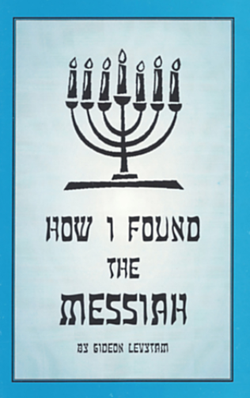
Follow Gideon Levytam's journey and discover how he was led by God, through a series of exciting circumstances, to find the One his people are still waiting for.
Past Episodes

Featured Offer
Follow Gideon Levytam's journey and discover how he was led by God, through a series of exciting circumstances, to find the One his people are still waiting for.
About Holy Scriptures and Israel
As time passed by, the Lord Yeshua took dear brother John Van Stormbroek to himself. The ministry of Holy Scriptures and Israel continued with additional development. In the early 1990’s, a weekly morning Bible class began which brother Gideon Levytam led regularly in the City of Toronto. This weekly open Bible class was held in the Willowdale assembly meeting hall. Eventually, a second mid-week evening Bible class was added. In April 2002, the need for an additional outreach Bible teaching meeting arose. We begun a Saturday (Shabbat) ministry meeting in which a systematic teaching of God’s word is presented to all who attend. Together we learn God’s Word, pray for each need and the salvation of Israel, and sing songs of worship unto our God, praising Him and our Lord Yeshua the Messiah.
In Mid 2004 we started to air on Joy 1250 Radio station a 15 minute Bible teaching program called "The Holy Scriptures and Israel" with Gideon Levytam. The broadcast teaches God’s word from a Hebrew Messianic perspective and has proved to be a blessing to many. It's now aired seven days a week. Our prayer is that many more of our Israeli people will have a clear understanding of who Yeshua is, why we all need him, and come to know him as their Lord and Messiah.
About Gideon Levytam
Contact Holy Scriptures and Israel with Gideon Levytam
426 Simcoe Street
Niagara-on-The-Lake
Ontario L0S 1J0
Canada
(905) 325-1234