
Hebrews 9:16-28, Part 2


Yeshua’s Serving In A Superior Sanctuary, Part 2
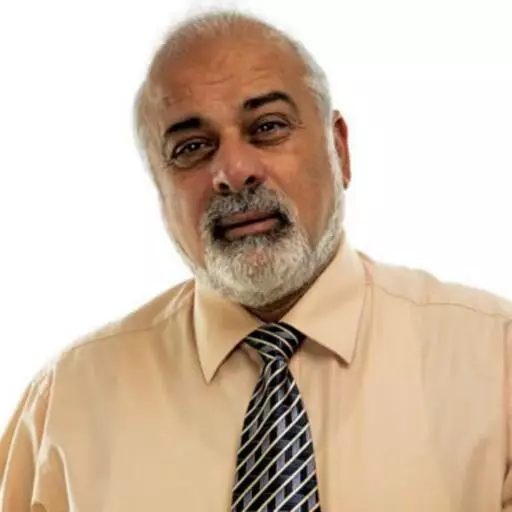
Unidentified Speaker: Shalom. Holy Scriptures and Israel is a ministry designed to share with the Jewish people the good news of the Lord Jesus Yeshua the Messiah, and to instruct Christians on the Jewish roots of their faith. And now, teaching God's word from a Hebrew messianic perspective, here is Gideon Levytam.
Guest (Male): The study of Hebrews chapter 9.
Gideon Levytam: First of all, and I'm going to go kind of backwards in a different order here in those verses, from verse 24 to verse 28. The first one I'm going to read now is verse 26. And look what we read in verse 26. I read verse 25 with it. Nor yet that he should offer himself often, as the high priest enter into the holy place every year with blood of others. For then must he often have suffered since the foundation of the world. But now, listen, now once in the end of the world, have he, this is Yeshua, appeared to put away sin by the sacrifice of himself. Let's just talk a little bit about this verse, verse 25 and 26.
You see, when Aaron was going to deal with the question of sin for himself and the family and the nation, Aaron had to bring sacrifices, and he had to enter into the Holy of Holies once a year with a sacrifice for himself, for his family, and for the nation of Israel, and to sprinkle it before the altar there, or before the ark, I should say, of the covenant, before the ark and before the mercy seat. So Aaron had to do it again and again and again and again because it was never ending. There was a continual need of meeting the need of the nation of Israel and the family, and therefore it says here that he have offered many times blood, but the blood that he offered Aaron was blood of other animals, other sacrifices, and every time, and we are talking about here specifically of the yearly sacrifice, Yom Kippur, and even if we can go on to all the sacrifices, they have to be offered again and again because it never dealt with the question of sin completely.
It only atoned, it only covered. That's why verse 25 says, nor yet that he should offer himself often, as the high priest enter into the holy place every year with blood of others. For then must he often, speaking of the Lord Yeshua, often suffered since the foundation of the world. You see, if Yeshua was to do what had been done by the high priest historically, then he would have to offer himself again and again and again, and it's not possible. And that's why he says in verse 26, in the middle of the verse, but now, at the time where the Hebrews received the letter, just a few years earlier.
Now he says, once, not many times, not often, once at the end of the world or the end of the age. What does he mean when he said the end of the age? You see, there is coming a time where God promises the Messiah will come and once and for all will remove the question of sin from before his face. Once and for all, not to atone only, but to remove it completely. Just like Paul said in Galatians chapter 4 and verse 4, when the fullness of time was come, God sent forth his son, made of a woman, made under the law, to redeem them that were under the law, that we might receive the adoption of sons.
In the fullness of time, God sent forth his son, Galatians 4:4. Hebrews 9:26. But now, once in the end of the age, he hath appeared. Highlight in your Bible the word he hath appeared. He came. He appeared to the nation. He appeared to the world. He appeared at the end of the age finally, the Messiah, Yeshua, appeared. Why did he appear? What was the reason that he came? He reminding those first century Hebrews, he came not only to atone for sin, notice the verse, to put away sin by the sacrifice of himself. If you would ask the Lord Jesus, Yeshua, what was the reason that you came to this world?
He didn't come to live long life. He didn't appear here to make miracles here in this world. He didn't appear here to please people in this world in a sense of giving them all kind of privileges in a sense only in this world, but he came for one reason. He appeared to put away sin completely, to put it away, to remove it as far as the east is from the west, to set it aside completely because sin was always covered and atoned, but never been put away. And when he appeared, he appeared for one reason, to put away sin. But how, beloved, listen, how will He put away sin? He had to do it with His own self by the sacrifice of Himself.
That's how He put away sin. That's how God the Son, as man, put away sin completely from before the holy and righteous God. He had sacrificed himself. And you remember very well when we read in the scripture when he was on the cross, when he says, Father, unto thy hand I commit my spirit. When he cried in John 19 and he says, it is finished. What happened? What does he mean by that? The question of the judgment concerning sin had been dealt once and for all by the sacrifice of himself. You see how precious this is supposed to move our hearts, the fact that the Messiah have appeared? He appeared once at the end of the age to completely put away sin, but it was done by the sacrifice of himself.
You know why we love the Lord? We love the Lord because he first loved us. Why we love Jesus? Why we love Yeshua the Messiah? Because he was willing to come down from heaven to become a man of sorrows, acquainted with grief, and to be willing to lay down his life for us, to be the sacrifice for us. What religious group can ever show before God and be accepted by him? I believe in this person, and I believe in that man, and I believe in this way or this system, they might say, and everyone will say what he think. But God says, for God so loved the world that he gave his only begotten Son. I gave my Son, I gave myself, Yeshua the Messiah could say.
You know what Paul said in Galatians 2:20? Paul said, I am crucified with the Messiah, nevertheless I live, yet not I, but the Messiah live in me, and the life which I now live in the flesh I live by the faith of the Son of God who loved me and gave himself for me. See, Paul said, the Son of God who loved me and gave himself for me. The writer to the Hebrews could say he appeared at the end of the age to put away sin by the sacrifice of himself. That's what makes this relationship with the Messiah so unique, because we have a Lord, a God, a Savior that did not demand from us something, but gave us himself.
He sacrificed himself for you and I. That's amazing. That's why we sang, Amazing grace, how sweet the sound that saved a wretch like me. I once was lost, but now I'm found. But it was the price that he had to pay when he became the sacrifice for us on the cross, on the tree. He appeared. You see, he himself appeared. He didn't wait for us to call him, but he came down. He said, as we have it in the book of Exodus, I love my master, I love my wife, I will not go out free. In type, he's the Hebrew servant of Exodus chapter 20 and 21. I love my wife, I love my master, I'm not gonna go out free, I'm gonna give myself as an offering for many.
And so he appeared, beloved brothers and sisters. He appeared not only to atone, not only to cover our sin and sins, but completely to put it away. And when God now look at us, when he look down from heaven at you and I who believe in Yeshua the Messiah, when he look at these Hebrew believers of first century, you know what he see in them? He see them in a perfect position before him because he see them in the value of the work of Yeshua the Messiah. And that's what he telling them. Now look, we talked about the wood appeared. That's what happened 2,000 years ago for us. That's what happened a few 10, 20, 30 years for the Hebrews to whom he was writing to.
He once appeared the end of the age to put away sin by the sacrifice of himself. But now go back to verse 24. After he died, after he put away completely this question of sin by the sacrifice of himself, now notice we are going back, now he's appearing again, but this time he is not appearing here on earth. He is appearing in heaven. And notice what it says in verse 24, which I've read already, but I'm going to reread it again. For the Messiah is not entered into the holy place made with hands, which are the figure of the true, but now he said in verse 24, but into heaven itself, now to appear in the presence of God for us.
Here's the second time we hear the word appear, but this time, beloved brothers and sisters, it is now in the present day, from the time that he wrote to the Hebrew believers of first century all the way till this present day. Now the Messiah appear in the presence of God in heaven on our behalf. Do you know that you and I have a high priest that is appearing every moment for you and I in the presence of God in heaven on our behalf? Why would we want to have Aaron appearing in the presence of God once a year on the Yom Kippur, and first of all bringing the blood of a sacrifice for himself, his family, and his nation because they all have sinned, appearing once a year for us in the presence of God in the temple.
When we have a great high priest appearing in the presence of God for us now, every moment. What do you think he does there in the presence of God when he appears before him? What do you think his ministry is? Now our blessed Lord Yeshua the Messiah is functioning as a high priest in the presence of God, and he lifting up holy hands. And every time when you and I have sinned, every time when you and I have gone astray, every time when we have unjudged sin in our lives, you know what he does? He says, Father, for these sins I've died. He reminding the Father, he reminding God of what we are, that we have been redeemed by his precious blood.
He's appearing now in the presence of God for us, and he's reminding him of the finished work that he has done already 2,000 years ago on the tree. And he's telling the Father, for these sins I've died. For these things I've gave myself, I've offered myself. And that's why he, his blood, remember we read earlier that in the value of his blood, you remember we read in verse 14 in our last meeting, how much more shall the blood of the Messiah, who through the eternal Spirit offered himself without spot unto God, purge your conscience from dead works to serve the living God. You see, there is a value in the blood of the Messiah in the presence of God.
He looks at his son, and he's reminded that he died on the tree for us. Not because he have done any wrong, it's because we have sinned. We deserve the judgment, but he bore it in his body on the tree. We are the one who should have been judged by God and separated from God, but the Messiah says, Father, I have paid the price. I have dealt with these sins that they have committed, with the sin root and with the sins, the consequences of this root. And he reminds the Father. And beloved, he's appearing for us today. You and I, with all our many blunders that we do in our lives, many sins that creep into our lives, we have a great high priest in heaven appearing on our behalf, and there he reminds the Father of what he have done when he died for us on the tree.
And that's why, beloved brothers and sisters, the writer, the Jewish writer tells the Jewish brethren, he says, brethren, look to him, look where he is. Look what he have done for you. Don't go to that mundane, typical thing that were type and shadow. Go to the reality. Go to the person of the Lord Yeshua the Messiah, who once appeared to put away sin by the sacrifice of himself, who is now appearing, verse 24, in the presence of God for you, for you. He reminding those Hebrew believers. Now listen, now he's telling them now, we finished verse 24, 25, 26, but now notice what he does. He's reminding them in verse 27 before he's concluding this thought.
He's saying to them, it is appointed unto men once to die, and after this the judgment. You know, listen. It is appointed unto men once to die. Not twice, but once. There is an exception to the rule, but like Lazarus died twice. He died once, the Lord raised him, and he died again. And many others whom the Lord in his life had raised, but they died again. But the rule is simply this, it is appointed unto man once to die, and after this the judgment. Now, he's telling us this. He's saying, listen, look, a person that is alive still have an opportunity to come to the Lord, to accept the Messiah, to be covered by his blood, but a person that is without forgiveness and the blood of Christ, of the Messiah, he's going to die once, and after death come judgment.
You see, beloved, we have to understand, the Hebrews have to understand, we have already have been judged when the Messiah have been judged. And when we trusted in Him, our judgment had been dealt with once and for all. But woe unto a person that haven't settled matters with the Lord. When a person have never come to the Lord Yeshua the Messiah, confessing his or her sins, and they are not under the blood of the Messiah, they are not confessed their sins and received the work of the Lord on the tree when he died for them, then this particular person, only one thing reserved for this person is the judgment of God and removal from his presence.
But he's telling to the Hebrews, yes, it is appointed unto man once to die, and after this the judgment, then he connecting it with Yeshua. So, notice this verse 28, the last verse of our chapter, so also, or so the Messiah also once died, once offered to bear the sins of many. You see, just like it is appointed unto a person, a man once to die, the Messiah also died once. But you see, when he died, he bore, as it says in verse 28, he bore the sin of many. You notice it doesn't say that he bore the sins of all. Now, let me say that there is a value of the blood of Yeshua the Messiah is sufficient to remove the sin of every individual in the world.
But not every individual in the world came under the value of the blood of the Messiah. And that's why it says the Messiah was once died or once offered to bear the sins of many. And when you think about these many, he was telling the Hebrew believers who to whom he was writing. He says, brethren, the many that came under the value of the blood of the Messiah are those that have accepted him, those that have invited him into their hearts, those that realize that he is the promised Mashiach of Israel in accordance with the Hebrew scriptures. Those are the many, including you and I and the millions that over the 2,000 years of the church history, of assembly history, have come to faith in the Messiah.
Those are the many. But how many people are still today, including many of our own family members, refuse to accept the person of the Lord Yeshua the Messiah? How many people today, that if you will tell them about him, if you will tell them about the Lord Yeshua, the Lord Jesus the Messiah, they will tell you, I don't want to hear about him. I don't want to have him anymore. I don't want you to talk about him. I don't want to accept him into my life. I have my own religious ways. I have my own religion. I have my own way. And to them it is appointed unto men once to die, and then the judgment going to come.
But for the many who have accepted the Lord Jesus the Messiah, it says here in verse 28b, he bore by the sacrifice of himself, he bore the sins of many. And you and I, who have accepted him as our Lord and Savior, are part of these many, including the first century Hebrew believers and those to whom those Hebrew believers preached the gospel, and that is spread in the world today, this message of the gospel that have gone from city to city, from country to country, from sea to sea, from shore to shore, where many have embraced the Lord Yeshua the Messiah as their Lord and Savior. Those are the ones that never will need to be judged again, and they are part of the many that is found in Hebrews 9 and verse 28a.
Now, those many, beloved, including us, are the one to whom he tell them in verse 28b, the second part of this verse, that one day the Lord Yeshua is going to appear a second time for them. You notice that? Here's the third time the word appear is mentioned. It says here, verse 28, let me read the whole verse once again. So the Messiah was once offered to bear the sins of many, but to them that look for him shall he appear. You notice it is a future tense. He will appear in the future the second time without sin unto salvation. What does that mean? You see, in verse 26, he appeared once to put away sin by the sacrifice of himself.
In verse 24, he now appears in the presence of God in heaven to present himself on our behalf. But in verse 28, it's a future tense. He's going to appear the second time without dealing with the question of sin, for those that are looking for him unto salvation. And the word salvation here at the end of verse 28 is not a matter of salvation in a sense of eternal salvation, but is salvation from the present situation that they find themselves. Salvation from the condition that they are under in that present time because they were already saved internally because they have believed on him, they have accepted him, but now he's going to appear the second time in order to bring them without dealing with the question of sin anymore because it had been dealt in the past, but now they bring him to be in his presence.
How precious is this truth, beloved brothers and sisters? I hope today that you and I will enjoy that fact and now look to him and appreciate what he have done for us and where he is now in heaven. You know that in the Bible, for us today, the Lord Jesus and everything that really we have is in heaven. In Matthew 6 and verse 9, we often say, our Father which art in heaven. In Hebrews 9, verse 24, we learn that the Lord is appearing for us in heaven. In Hebrews 9, verse 11 and verse 23, we understand that we have a sanctuary which is in heaven. In Philippians chapter 3 and verse 20, we are told that our citizenship is in heaven.
And in Matthew chapter 6 and verse 19, we are exhorted that our treasures should be in heaven as well. Everything is directing us to heaven. Not that he is not thinking about the future restoration of Israel here on earth. He will restore the nation of those Hebrews, but in the present dispensation in which we are living now, our hopes, our future, our Lord, our Father, our sanctuary, our citizenship, and also our treasures should be in heaven. That's what he want us to focus our life on today. May the Lord bless his word and encourage us today. So, can we say amen to that?
Announcer: Amen. You have been listening to the Holy Scriptures and Israel with Gideon Levytam. Gideon teaches God's word from a Hebrew messianic perspective. For more information about this ministry, write to Holy Scriptures and Israel, Box 1411, Niagara-on-the-Lake, Ontario, L0S1J0, or visit our website at holyscripturesandisrael.com. You are also invited to Gideon's weekly Bible teaching on Fridays at 11 a.m. and 7 p.m. and Saturdays at 1 p.m. at Willowdale Christian Assembly Hall, 28 Martin Ross Avenue in Toronto. Holy Scriptures and Israel is made possible by your prayers and financial support. If you would like to support the program, visit holyscripturesandisrael.com.
God bless you. Shalom, shalom.
Featured Offer
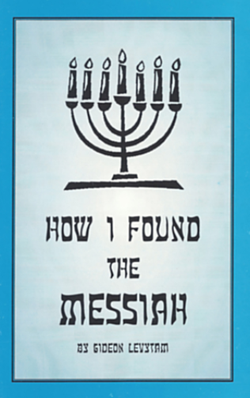
Follow Gideon Levytam's journey and discover how he was led by God, through a series of exciting circumstances, to find the One his people are still waiting for.
Past Episodes

Featured Offer
Follow Gideon Levytam's journey and discover how he was led by God, through a series of exciting circumstances, to find the One his people are still waiting for.
About Holy Scriptures and Israel
As time passed by, the Lord Yeshua took dear brother John Van Stormbroek to himself. The ministry of Holy Scriptures and Israel continued with additional development. In the early 1990’s, a weekly morning Bible class began which brother Gideon Levytam led regularly in the City of Toronto. This weekly open Bible class was held in the Willowdale assembly meeting hall. Eventually, a second mid-week evening Bible class was added. In April 2002, the need for an additional outreach Bible teaching meeting arose. We begun a Saturday (Shabbat) ministry meeting in which a systematic teaching of God’s word is presented to all who attend. Together we learn God’s Word, pray for each need and the salvation of Israel, and sing songs of worship unto our God, praising Him and our Lord Yeshua the Messiah.
In Mid 2004 we started to air on Joy 1250 Radio station a 15 minute Bible teaching program called "The Holy Scriptures and Israel" with Gideon Levytam. The broadcast teaches God’s word from a Hebrew Messianic perspective and has proved to be a blessing to many. It's now aired seven days a week. Our prayer is that many more of our Israeli people will have a clear understanding of who Yeshua is, why we all need him, and come to know him as their Lord and Messiah.
About Gideon Levytam
Contact Holy Scriptures and Israel with Gideon Levytam
426 Simcoe Street
Niagara-on-The-Lake
Ontario L0S 1J0
Canada
(905) 325-1234