
Hebrews 6:13-20, Part 2


The Security of the Believers in Yeshua, Part 2
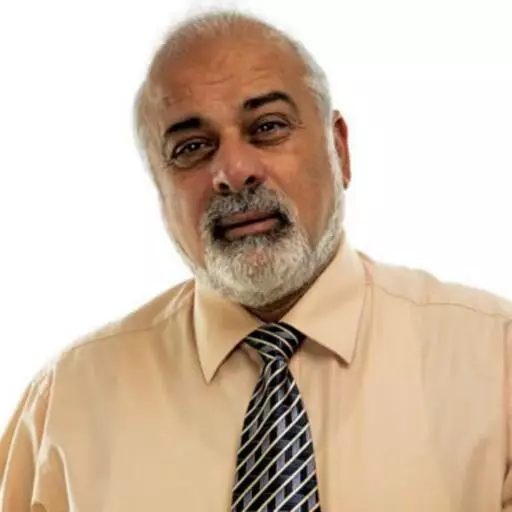
Unidentified Speaker: Shalom. Holy Scriptures and Israel is a ministry designed to share with the Jewish people the good news of the Lord Jesus Yeshua the Messiah, and to instruct Christians on the Jewish roots of their faith. And now, teaching God's word from a Hebrew messianic perspective, here is Gideon Levytam.
Gideon Levytam: The study of Hebrews chapter 6, and he says, surely blessing I will bless thee and multiplying I will multiply thee. Now it speaks of Abraham's seed to be multiplied more of Abraham's descendants will come, but in the future it leads us to the time where the Mashiach, the Messiah, will come, and he will be the one that will bring blessings through the nation of Israel to all the world. And so those Hebrews needed to hear it. They were Hebrew believers. They needed to realize that God made a promise to their forefathers, and he's going to fulfill it. And God making promises to us, and he's going to fulfill the promises that he made to everyone that have trusted in him.
And so, notice what it says in verse 15 of Hebrews 6. And so, after he had patiently endured, he obtained a promise. What does that mean that he obtained a promise? You remember, in connection with verse 14 of this chapter, God says, surely blessing I will bless thee and multiplying I will multiply thee. In other words, when the descendants of Abraham will be multiplied. And Abraham waited for that, and it sure came to pass. Abraham begot Isaac, Isaac begot Jacob, Jacob begot the 12 tribes of Israel. In other words, the beginning of the multiplication of the nation of Israel. Israel as a nation had been brought into fruition, become a great nation.
Now Abraham have not seen everything, but he did receive the promise in that fact that he saw his family growing and his family developing. Look what it says again, I'm reading in Genesis chapter 22, where it says in verse 16, by myself have I sworn, says the Lord, for because thou has done this and hast withheld not thy son, thine only son, that in blessing I will bless thee, and in multiplying I will multiply thy seed as the stars of the heaven and as the sand which is upon the seashore. Well, according to Hebrews 6 and verse 15, it says, and so after he had patiently endured, he obtained the promise.
The thought that the writer to the Hebrew believers want to communicate is the necessity of endurance and waiting on the promises of God. You see, these Hebrew brethren of ours have experienced persecution. They experienced misunderstanding by their own brethren. Just like today, by the way, in the land of Israel, among our people, many times our own brethren, according to the flesh, the religious community, do not understand why we, as believers in Yeshua the Messiah, believe in what we believe, and why we claim that Yeshua is the promised Messiah of Israel. They don't understand it. They need to be enlightened.
They need to see this truth as the Lord will reveal this to them in due time, but they still need for patience by the believers, just like Abraham needed after he had patiently endured, he obtained the promises. And so this is the first thing that he tried to communicate with the Hebrew believers, that the basis for the believer's security is the promises of God. God made a promise. God will keep his promises. God is the one that made a promise. God is surely going to keep his promises. So patient is important. Abraham was patient, and God kept his promise. And by the way, later on, after Isaac was born, later on, you could see that the promises had been given to Isaac, and you remember even, as I just mentioned, God had made a promise to Abraham that his son will be born and that Isaac will come to this world, and now he asking him to offer him as a sacrifice.
So Abraham needed to trust God's promises, and by the very fact that Isaac was preserved, it's a proof to us that God had fulfilled his promises, and through Isaac, the development of the family of Abraham came to pass. Well, look now, let's move on into the next verses, and the next verses, from verses 16, 17, and 18, the Hebrew writer is emphasizing the oath that God had made. God not only made a promise to Abraham, but God's promises in the next verses, we see his oath, and now it is God's promises to the Hebrews, not only to Abraham, because in the next verse it says this, look, verse 16, it says, for men verily swear by the greater, and an oath for confirmation is to them an end of all strife.
Wherein God, willing more abundantly to show unto the heirs of promise, the heirs of promise, obviously those are the descendants of Abraham, the immutability of his counsel, he confirmed it by an oath. Verse 18, that by two immutable things in which it was impossible for God to lie. And so you see, he is emphasizing here verses 16, 17, and 18, he's showing to us that God affirming what he's saying, there is no one that is greater than him, as it says in verse 16, for men verily swear by someone who is greater, and an oath for confirmation is to them an end of all strife. In other words, when somebody swear and make an oath by someone who is greater than him, it ends all the strife.
It puts an end of all the strife. So what we read is that God now, in verse 17, he made an oath. He doesn't need to make an oath by somebody who was greater than him because it says here that God willing more abundantly to show unto the heirs of promise. Who are the heirs of promise? These are the descendants of Abraham and all believers, and specifically in this context, the Hebrew believers that we have here in the book of Hebrews, to whom the writer was writing this book. And so you see, God willing more abundantly to show unto the believers the immutability of his counsel, the unchanging counsel of God.
Unchanging, dear brothers and sisters, God is not going to change his promises. And here we can see those two unchangeable things that God have given to us. Number one, it's his promise, which God will keep, and number two is his oath, which he have made. The promise he had made, he says something gonna happen in the future day. Abraham, you are going to be blessed. Abraham, you are going to be multiplied. And surely God had fulfilled it. But not only that he made a promise, he swore by no other but by himself. He made a promise by himself. Look at what it says in verse 17. God willing more abundantly to show unto the heirs of promise the immutability of his counsel, he confirmed it by an oath.
And here in the next verse, verse 18, it tells us these two immutable things. What are those two immutable things? It's number one, the promise, number two, the oath. It says in verse 18b, in which it was impossible for God to lie, we might have a strong consolation who have fled for refuge to lay hold upon the hope that is set before us. And so we learn here from these verses that God made a promise and an oath. God made a promise and an oath. So really, actually, we see the promise in verse 13, 14, and 15, and we see the oath in verse 16, 17, and 18. Really, that's what we see. Those are the two immutable things in which it is impossible that God will lie.
You know, I often think of the verses that is found in the book of Romans, where the Apostle Paul wrote to the believers at Rome, and he said to them simply, he said, God forbid. He said, let God be true and every man a liar. In other words, God's promising justification to someone, God will fulfill it because God is true and man by nature is a liar. And that's why we can trust God's word, because what God says in his word will surely come to pass. This is wonderful, dear brothers and sisters, to get a hold of these truths as we study in the book of Hebrews. So here we are. We are in these verses of Hebrews chapter 6, verses 13 to 20, and we see that God's promises will never fail.
That's what he's trying to tell his Hebrew brethren. The apostle emphasizing that God promises can never fail because God made a promise and God made the oath. He made a promise to Abraham and he made a promise to the Hebrews. He made a promise, and it came to pass when he promised to Abraham, and he made a promise to the believers, to the Hebrew believers, and to you and I, and it will surely come to pass. These are the basis upon which a believer can be assured of his security or her security. Finally here, dear brothers and sisters, at the end of chapter 6, we have the last 2 verses, Hebrews 6, verses 19 and 20, and here we see that he emphasizes his son, the Messiah Yeshua himself.
Well, it is such a joyful thing to know that a believer in Yeshua have God's promise, have God's oath, but we also have God's son, God's anointed one, the Mashiach himself, Yeshua himself. And so look and listen, please, to this next verses, verses 19 and 20. Which hope, he said, we have as an anchor to the soul, both sure and steadfast, and which entereth into that within the veil, whither he is the forerunner for us, he entered even Yeshua, made an high priest forever after the order of Malchi Tzedek. Well, in these verses, we can see that our salvation is sure because Yeshua the Messiah is in heaven.
He's in the presence of God. You remember what we read in Psalm 110 and verse 1, the Lord said unto my Lord, sit down on my right hand until I make thine enemies thy footstool. God said, the Father said to the Son, sit down on my right hand until I'll make thine enemies thy footstool. And so the writer to the Hebrews, to his own brethren, saying, look, he's just talked earlier in verse 18 that we are to lay hold upon the hope that is set before us. What is the hope that is set before us? We have entered, we have come into refuge, we have come to the person of Yeshua the Messiah, and we have a hope to be with him.
This is not I hope to be with him, maybe yes, maybe no. No, this is not what we read here. This is a sure hope. This is a hope of being with the Lord Yeshua the Messiah forever. We are to lay hold upon the hope that he set before us. This is a sure knowledge that we are going to be with him, that our salvation is secure, that our redemption is eternal, and that the basis for our security is the promise of God, and it is the oath of God. But here we see it is depend upon the work of the Son of God, who have entered into the presence of God's the Father. So it says, which hope we have as an anchor of our soul.
It is an anchor to our soul, to the soul of those Hebrew believers, to your soul and mine. This is an anchor to our soul when we realize what happened when Yeshua finished the work for us on the tree. It says here, it is a sure and a steadfast in which entereth into that within the veil. You see, this expression, entering into that within the veil, it's really taking us back to Leviticus chapter 16, if you remember Yom Kippur, the Day of Atonement, dear brothers and sisters, when the high priest enter within the veil. What did he enter within the veil into the Holy of Holies there? He entered once a year within the veil, into the Kodesh HaKodeshim, the Holy of Holies.
And there, beloved brothers and sisters, within the veil, the high priest have laid and placed and spread the blood there, as we read in Leviticus chapter 16 and verse 15. Then shall he kill the goat of the sin offering that is for the people, and he will bring his blood within the veil and do with that blood as he did with the blood of the bullock and sprinkle it upon the mercy seat and before the mercy seat. You see, brothers and sisters, he shall make an atonement for the holy place, for the tabernacle, for the children of Israel because of their uncleanness. That's what Aaron of old have done to our people Israel when the tabernacle was standing.
Yom Kippur, the day of atonement, he entered into the presence of God, and there in the Holy of Holies, he took the blood of that goat that he killed for the sin offering, and that blood was for the people, and he will bring the blood within the veil, and then what he will do with the blood? He did it as the same thing as he have done with the prior, with the bullock's blood. He will sprinkle it upon the mercy seat and before the mercy seat. And the mercy seat is the place where God have dwelt, where God could provide mercy to the nation of Israel, to our own people, where atonement can be made for the uncleanness of the nation, the national atonement.
And so there was an assurance of God's forgiveness and God's atonement when Aaron went within the veil into the Holy of Holies, but he only could have done that once a year, beloved brothers and sisters. You remember, he couldn't do it every time he wanted. He had to enter in on the Day of Atonement, on Yom HaKippurim, only once a year, one day of the year on Yom HaKippurim. But what happened with Yeshua, the Messiah, our Lord Yeshua the Messiah? As the writer says to those Hebrew brethren, he's saying to them, listen, the entrance of Yeshua to the presence of God into heaven, the heavens of heavens, assure us the fact, give us an assurance of security, assurance of salvation, because his work was finished.
God was satisfied. Not only atonement was made, but a removal of sin from the presence of God have happened when Yeshua himself have entered into the presence of God. Actually, the Bible tells us in the same book of Hebrews, again speaking specifically in chapter 9 and chapter 10, tells us of the fact that the Messiah entered in, but he did not enter in, beloved brothers and sisters, by the blood of others, but he entered in by his own blood into the presence of God. I know I'm ahead here, but in Hebrews chapter 9 and in verse 12, it says, neither by the blood of goats and of calves, but by his own blood he entered in once into the holy place, having obtained eternal redemption for us.
What a wonderful truth to get a hold of, my dear brothers and sisters. Praise God for the fact that Yeshua, our Mashiach, have done this for us. And so we read that we have this hope, verse 19, as an anchor of the soul. Both sure hope, both steadfast hope, and which entereth into that within the veil. Our hope is not here. Our hope is within the veil where our blessed Lord Jesus the Messiah, our blessed Savior, is in the presence of God. It says here, in the last verse of chapter 6 of Hebrews, it says, whither the forerunner is for us entered. You see, we are all running, we are all moving ahead.
We are one day going to be in the presence of God with our blessed Lord Yeshua, and he became our forerunner. He is running ahead of us. He have gone into the presence of God there to be in the presence of God for you and I. And so it says here, even Yeshua, the one that became the forerunner who entered into the presence of God. Even Yeshua. What does that mean, even Yeshua? Well, look, this same Yeshua, this same Yeshua was once rejected and despised by men. He was misunderstood by our own nation, Israel, and was not accepted at his first coming. He was this Yeshua from Nazareth. And you shall call his name Yeshua, for he shall save his people from their sins.
The Hebrew word Yeshua means salvation. And you will call his name salvation, for he will save his people from their sins. That's what he did when he died on the cross, when he suffered by the hand of men, but ultimately by the hand of a holy and a righteous God. He suffered, he was judged, the just for the unjust, so he will bring you and I to God. And so when he was judged, he finished the work on the tree, he entered in to the presence of God within the veil, into the Holy of Holies, and he entered by his own blood, and once he does not need to repeat it as the high priest of ours of old, Aaron, had to repeat it every year, every year, every year.
But Yeshua have entered in once, once and for all. And when he entered in, he became our forerunner, even Yeshua. And you see, notice, beloved brothers and sisters, now he is now moving on in the last statement. In verse 20b of chapter 6, he uses this expression, he made or made an high priest forever after the order of Malchi Tzedek. You see, he now entered into the presence of God, and he became now the high priest or the great high priest. And just like Aaron was a high priest to represent Israel before God, Yeshua the Messiah is the great high priest representing the believers before God.
And when he presenting there, he present in the value of his own blood, he enter in and presenting and lifting up holy hand as the high priest on behalf of his own redeemed people. And it says that he became a high priest, now notice, forever. Not for a short time, not until the high priest dies, because he never gonna die, this high priest. He ever liveth to make intercession on behalf of his own people. And you notice it is not after the order of the Levitical order, as it says here in verse 20 of chapter 6 of Hebrews. It's after the order of Malchit Tzedek. Malchit Tzedek. And if you remember, Malchit Tzedek, we find him in Genesis chapter 14.
He appear and he disappear. And if you remember, it was Abraham that met Malchit Tzedek, and this is a beautiful story in Genesis chapter 14 and how Abraham have met this Melchizedek on his way. Beautiful, beautiful chapter, and I just wanted to point one thing, and it says here, Melchizedek, this is Genesis 14, verse 18, Melchizedek, the king of Shalem, brought forth bread and wine, and he was a priest of the Most High God, and he blessed him. This is Malchitsedech blessing Abraham. And he said, blessed be Abraham of the Most High God, possessor of heaven and earth. And blessed be the Most High God, which has delivered thine enemies into thine hand.
And he, this is Abraham, gave him, this is to Malchitsedech, a tithe of all. I read the verses 18, 19, and 20 of Genesis chapter 14. You see, Malchitsedeq is a type and a picture of Yeshua the Messiah. He is the one that symbolizes what Yeshua the Messiah is in his priesthood. Malchitsedeq history, we don't read about him from his beginning. We don't know, we don't need to read of his history, his beginning. We don't read of his ending. We don't read of his death. He came and he appeared and he disappeared. He became a type of Yeshua the Messiah, who has an eternal existence. He is the eternal Son of God.
He is the eternal one who became a man, ever now to be a man, but this time after he died for us on the tree, after he was buried and he rose again on the third day and he was ascended, and now he is seated at the Father's right hand, there to be the great high priest forever. He entered into the presence of God after the order of Malki Tzedek. The word Malki Tzedek mean Melech, Malki means my king, and Tzedek mean righteousness. The my king of righteousness, or the righteousness that provided for us through the king, through the Messiah himself. What a wonderful passage, dear brothers and sisters, we have here in Hebrews chapter 6 and verses 13 to 20.
So to sum it up in closing, I would like us to recognize that in these verses we have simply the basis for the fact that each believer have an assurance, a security of his eternal relationship with God because of what God had promised and because of what God had swore, God's oath, and thirdly, because of God's Son, the Messiah Yeshua himself. What reason we have to praise him, to worship him, to adore him for what he have done for us. May God bless you, and may we be encouraged to continue to follow after Yeshua the Messiah, to seek to live for him, to seek to honor him, to seek to please him, and that we will focus on him as he's the one that's seated at the right hand of the Father in majesty there, waiting the day when he's going to come to take us to be with him in glory.
We will praise him for all what he have done for us. Well, we praise the Lord for his goodness and his provision for us through Yeshua our Messiah.
Guest (Male): May the Lord bless those thoughts to all of us and will help us as we move on in our lives following the Lord Yeshua the Messiah. Can you say amen? Thank you very much.
Announcer: You have been listening to the Holy Scriptures and Israel with Gideon Levytam. Gideon teaches God's word from a Hebrew messianic perspective. For more information about this ministry, write to Holy Scriptures and Israel, Box 1411, Niagara-on-the-Lake, Ontario, L0S1J0, or visit our website at holyscripturesandisrael.com. You are also invited to Gideon's weekly Bible teaching on Fridays at 11:00 AM and 7:00 PM and Saturdays at 1:00 PM at Willowdale Christian Assembly Hall, 28 Martin Ross Avenue in Toronto. Holy Scriptures and Israel is made possible by your prayers and financial support. If you would like to support the program, visit holyscripturesandisrael.com.
God bless you. Shalom, shalom.
Featured Offer
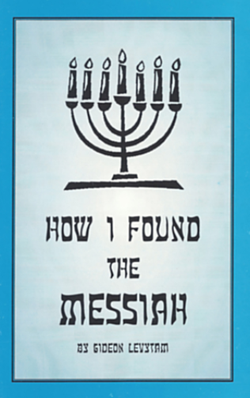
Follow Gideon Levytam's journey and discover how he was led by God, through a series of exciting circumstances, to find the One his people are still waiting for.
Past Episodes

Featured Offer
Follow Gideon Levytam's journey and discover how he was led by God, through a series of exciting circumstances, to find the One his people are still waiting for.
About Holy Scriptures and Israel
As time passed by, the Lord Yeshua took dear brother John Van Stormbroek to himself. The ministry of Holy Scriptures and Israel continued with additional development. In the early 1990’s, a weekly morning Bible class began which brother Gideon Levytam led regularly in the City of Toronto. This weekly open Bible class was held in the Willowdale assembly meeting hall. Eventually, a second mid-week evening Bible class was added. In April 2002, the need for an additional outreach Bible teaching meeting arose. We begun a Saturday (Shabbat) ministry meeting in which a systematic teaching of God’s word is presented to all who attend. Together we learn God’s Word, pray for each need and the salvation of Israel, and sing songs of worship unto our God, praising Him and our Lord Yeshua the Messiah.
In Mid 2004 we started to air on Joy 1250 Radio station a 15 minute Bible teaching program called "The Holy Scriptures and Israel" with Gideon Levytam. The broadcast teaches God’s word from a Hebrew Messianic perspective and has proved to be a blessing to many. It's now aired seven days a week. Our prayer is that many more of our Israeli people will have a clear understanding of who Yeshua is, why we all need him, and come to know him as their Lord and Messiah.
About Gideon Levytam
Contact Holy Scriptures and Israel with Gideon Levytam
426 Simcoe Street
Niagara-on-The-Lake
Ontario L0S 1J0
Canada
(905) 325-1234