
Ephesians 1:15-23, Part 1


Paul’s Prayer for the Ephesians Part 1
Guest (Female): Shalom! Holy Scriptures and Israel is a ministry designed to share with the Jewish people the good news of the Lord Jesus Yeshua the Messiah and to instruct Christians on the Jewish roots of their faith. And now, teaching God's word from a Hebrew Messianic perspective, here is Gideon Levytam.
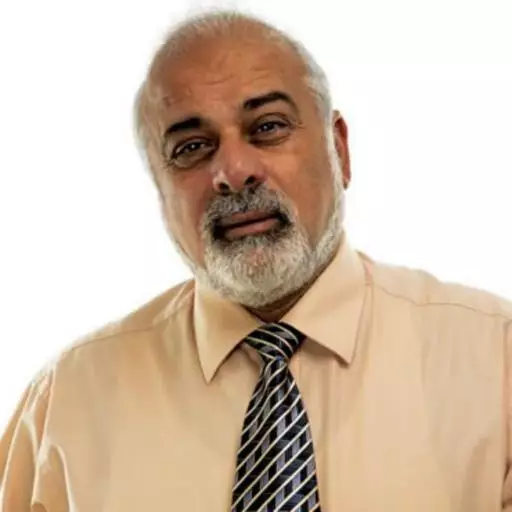
Gideon Levytam: Shabbat Shalom, everyone. Please open your Bibles to the book of Ephesians, El Ha Efsim. We are going to continue to deal with Ephesians chapter one and the reading today will be from verse 15 to the end of the chapter. Please follow me. Paul is writing and he says, "Wherefore I also, after I heard of your faith in the Lord Jesus (Yeshua), and love unto all the saints, cease not to give thanks for you, making mention of you in my prayers; that the God of our Lord Jesus Christ, the Father of glory, may give unto you the spirit of wisdom and revelation in the knowledge of him:
"The eyes of your understanding being enlightened; that ye may know what is the hope of his calling, and what the riches of the glory of his inheritance in the saints, and what is the exceeding greatness of his power to us-ward who believe, according to the working of his mighty power, which he wrought in Christ, when he raised him from the dead, and set him at his own right hand in the heavenly places, far above all principality, and power, and might, and dominion, and every name that is named, not only in this world, but also in that which is to come: and hath put all things under his feet, and gave him to be the head over all things to the church, which is his body, the fulness of him that filleth all in all."
This is the conclusion of Ephesians chapter one from verse 15 to the end of this chapter. Now, I do not know if you noticed as I began with the reading that really those verses, 15 to 23, deal with the Apostle Paul, who immediately after he heard what happened in the local church of Ephesus, Paul turned into a time of prayer. It is very significant because the Apostle Paul, we find him many times spending time in prayer before the Lord, before the Messiah, before the God of Israel.
And so now we want to ask ourselves the question, as we continue from verses 15 on, why did the Apostle Paul immediately take time to acknowledge the Ephesians and the many things that they have received from the Father? Remember, beloved brothers and sisters, just previous to these verses, from verse three to verse 14, the apostle presented before the Ephesian believers, and you and I as well, the many spiritual blessings that we have received because of our link with our Lord Yeshua, the Messiah.
You remember he said to them, "Listen, brothers and sisters of the local assembly at Ephesus, you have been so blessed because of what our Lord Jesus, the Messiah, has done for you that you have so much reason to live a life for God in this world." He says the Father has blessed you, the Son has blessed you, the Holy Spirit has blessed you. All the triune God has been involved in the blessings that the Ephesian believers have received.
God the Father has chosen them. God the Father has adopted them. God the Father has accepted them. God the Son has redeemed them. God the Son has forgiven their sins. God the Son has enabled them to know the mystery that belonged to the things of the Lord. God the Holy Spirit has sealed them, has marked them as His own, as a people that belong to God.
What amazing spiritual blessings those Ephesians have received. Every one of us today who have accepted Yeshua the Messiah, we are part of this great company called the assembly, the Ecclesia, the church, which has been so blessed by the Lord. So what the Apostle Paul does, as his own forefathers always did, he turned to a time of prayer. Again, I would like to emphasize and perhaps challenge us today: how is our prayer life? Are we a praying people?
Are we a people that can say that I am on a day-by-day basis turning my heart to the Lord in prayer and giving of thanks? Not only to turn to Him in prayer when we have problems, not only to turn to Him in prayer when we have needs, while we ought to and we do so, but to turn to God in prayer simply to acknowledge Him for who He is and for what He has done. And here is what the Apostle Paul is doing here in the last verses of chapter one from verse 15 to verse 23.
He's actually requesting from God four things on behalf of the people of God. First of all, of course, he asks God that He will enable the believers in Ephesus to have more of the knowledge of God. Secondly, he asks in prayer that He will enable the people of God to know not only about God but about God's calling. Thirdly, he's in prayer addressing the Father God and he requests from Him, in addition that the believers will know God and know God's calling, but also that the believers will know God's riches.
And finally, he is asking from God in prayer to help the believers to know in their life God's power. "Not by might, nor by power, but by My Spirit," says the Lord. He said it through Zechariah to our people of old Israel. You need to know the power of God if you are to live the life of our Lord Yeshua the Messiah here in this world. It's not by the power of the human energy, but by the power of the Spirit of God that the believer can walk the Messianic life, the Christian life, the life in Messiah.
And so I would like you to follow with me as I'm looking at those verses as well, today, systematically, verse by verse. I want you also to notice, brothers and sisters, that the custom of prayer did not begin when the church was born. You know the whole history of our forefathers when it began with father Abraham and then Isaac and Jacob and all the descendants of our forefathers. A time of prayer was important in the midst of the nation of Israel.
Throughout the history of the people of Israel, you will find men and women of God taking the time to pray to God. Prayer is not only asking from God for things, but prayer is acknowledging and worshipping the living God, the one who has done so much for us, the creator, the upholder, the sustainer, and also the redeemer. To praise Him, to acknowledge what He has done for us. For example, Abraham in Genesis chapter 20, when he was in the midst of King Abimelech.
God said to Abimelech, the king, "You will ask Abraham and he will pray for you." Genesis chapter 20 and verses seven, 17, and 18. Abraham prayed for Abimelech and he was actually delivered from the judgment of God. We can find it in Genesis chapter 20. Abraham journeyed from thence and he went towards the south country and dwelt between Kadesh and Shur and he journeyed in Gerar. And then we read that Abimelech, he was the king of Gerar.
God said to Abimelech, "Therefore restore the man his wife," you remember when he took Abraham's wife, "for he is a prophet. He shall pray for you and you shall live." God said to King Abimelech when he took Abraham's wife, Sarah, at that time. He says Abraham will pray for you and God will answer and you will survive and will not die in God's judgment. Abraham indeed prayed and God answered his prayer.
We have so many of those Jewish, Hebrew men who prayed. Samuel prayed, for example, when he prayed for Saul and for the nation of Israel. He said, "God forbid that I should sin in ceasing to pray for you and trusting God to help in the need that you have." He said this to King Saul. Moses has prayed. You know what he had prayed when Israel, our people of old, came out of Egypt. Even before, he prayed and God changed things.
When He laid down the judgment upon the Egyptians, Moses prayed and God stopped the judgment on the people of Egypt. Even Ezra, if you remember, Ezra the scribe of Israel in Ezra chapter eight, he prayed and addressed God before our nation, Israel, and blessing came towards the people of Israel. Even Habakkuk, the prophet of Israel, he himself was praying to God on behalf of the nation of Israel and God has answered his prayer.
And what can I say more about King David, Ha Melech David? In the Psalms, you remember how many times we read of King David in Psalm 141. Listen to these verses before we're going to move into our chapter. Psalm 141, verse one and two: "Lord, I cry unto Thee. Make haste unto me. Give ear unto my voice when I cry unto Thee." And listen to what he said to God in verse two of Psalm 141. He says, "Let my prayer be set forth before Thee as an incense and the lifting up of my hands as the evening sacrifice."
David Ha Melech, the King of Israel, when he prayed, he requested from God that his prayer will be set before God as the incense that rose up from the altar of incense to God's nostrils, and God has appreciated the prayer of King David. I can say more about Ha Melech Shlomo, King Solomon, when he prayed when he built this temple in Jerusalem. He asked God in prayer, he says, "God, when the people of Israel are scattered around and dispersed, when they will pray towards this temple in the city of Jerusalem, hear their prayer and answer their cry."
He was praying on behalf of the nation of Israel and we have lists of men who were praying. We can go into the New Testament and we can find others that have prayed, including this woman by the name of Hannah, who came to the temple and spent the time there in prayer unto the God of Israel, longing for the consolation of Israel and the restoration of the people of God. But here is Paul again, a Jewish man, studied under the feet of Gamaliel.
Here you can see the Apostle Paul is praying on behalf of the believers in the body of Christ, the body of Messiah, who have lived in the place that is called Ephesus. And so look at this as we are looking over those verses. Paul now turned to God in prayer on behalf of the people of God. First of all, you notice in verse 15, we have the word "wherefore." You notice that? That word "wherefore" or "therefore" is here in light of what was written before in the previous verses.
In other words, what he's saying, "Brothers and sisters of the Ephesians, in light of what I have told you of the spiritual blessings that you have been blessed with, the spiritual blessing in the heavenlies, in light of all these blessings, therefore, I also, after I heard of your faith in the Lord Yeshua (our Lord Jesus) and your love unto all the saints, I cease not to give thanks for you, making mention of you in my prayers." So what the Apostle Paul heard?
Somebody came to him, remember when he was in Rome, in prison there? We would say at that time he was in a home, he was bound to chains, he didn't have the liberty that others have had to go away. So when he was there in this place, somebody came and gave him some information about the local assembly at Ephesus. And as they were coming to the Apostle Paul, Saul, they reported to him of the condition in the local assembly in Ephesus.
Now I can tell you this: he was the one that the Lord used him to establish this local assembly. His heart was yearning for these believers in this place, but he could not see them because he was there in a separate home in the city of Rome. So the report came to the Apostle Paul and what does he hear? He heard there's a healthy situation in this local church, local assembly, local congregation.
He says, "Wherefore, after I heard of two things: number one, your faith in our Lord Yeshua, our Lord Jesus; number two, your love unto all the saints." Two things that the Apostle Paul have heard concerning the practical condition of the local assembly, local believers at Ephesus. They had faith towards Yeshua. It's not only faith to believe upon Him as the Messiah now, but they believed in Him and upon Him for a day-by-day living.
They trusted in Him. They lived and submitted to Him on a day-by-day basis. And while they have trusted Him and followed after Him, at the same time, they exhibit love towards the brethren. This is so needful, beloved brothers and sisters, in the life of every believer. Two things that are very, very important in our lives: to trust the Lord and to exhibit love towards the brethren. To follow after Him in every situation and also to exhibit in a practical way love towards the believers.
Why? Because Yeshua said in the upper room, "By this way, men will know that you are My disciples, if you have love one towards another." It is so essential for the local church, the local assembly, the local congregation, to exhibit those two things. And the Apostle Paul heard that when they gave him that report, when they said to him, "Paul, let us tell you what's going on at Ephesus. Ephesus is the kind of an assembly that the vast majority of the brothers and sisters really exhibit faith and trust in the Lord.
"But also there is love among the people of God, practical love of the brethren. You know, brothers and sisters, love not always have to do with feeling and emotion. We usually love those who love us and we usually treat those who love us good and not so much those who do not love us. But love here, it's in connection with self-sacrifice. That does not mean that we all agree with each other on everything, but practical love means that we all are going to be patient with each other, sensitive to each other's needs, seeking to build each other up."
And that's what the local assembly at Ephesus exhibited on the day-by-day basis. When the Apostle John wrote the book of Revelation, the first church of Ephesus, Revelation chapter two, the Lord have commended them so much in that book. Of course, they had something that they lacked in relationship to Himself, but He said to the Ephesians in Revelation two, verse two, "I know your works and I know your labor and I know your patience and that you cannot bear them which are evil. And you have tried them, have tested them, which say they are apostles and are not, and have found them liars."
"You have borne, you have patience for My namesake and you have labored and you have not fainted." That's what Yeshua said about the church of Ephesus in Revelation chapter two. Of course, there are other things that they later on needed to be corrected because as time passes by, they have also had some weaknesses and as we notice that they have left the first love towards the Lord (Revelation two and verse four), but nevertheless, there was something to commend them.
You know, I think it is important, brothers and sisters, that wherever we meet, whether we are meet here locally in Holy Scriptures and Israel or whether we are in another place meeting with other believers, you know how important it is to leave the aroma of when people come into our midst and they are leaving the next hour, that they can sense the love towards the brothers and sisters in the local fellowship. It is so important and apparently the report was to the Apostle Paul in Ephesians chapter one, verse 15, that he heard of their faith in our Lord Yeshua, the Messiah, and of their love towards all the saints.
The word for saints, as you know, is the word Kedoshim or Mekudashim. Those saints were human beings. They were not some sort of unique people. They were ordinary brothers and sisters in the local church there, but they were called saints because they have been saved. They are saved, they are redeemed people, they are set apart for our Lord Yeshua, the Messiah. And so he is saying to them that what he heard, that was the report that he received concerning the believers in Yeshua the Messiah.
Now, if you just turn the page to the book of Colossians for a moment, please, and to chapter one, you will notice what it says there about the Colossians. Colossians chapter one and verse four, Paul says, "Since we heard of your faith in the Messiah Yeshua and of the love which ye have towards all the saints." You notice that? Not only the Ephesians exhibited that, also the Colossians in the saints at Colossae had faith towards Yeshua the Messiah and love that they have shown and practiced towards the brothers and sisters.
And so the Apostle Paul now, in verse 16 of our chapter, listen, he does not stop to pray on behalf of God's people. "I cease not to give thanks and to make mention of you in my prayers." Apparently, he must have been the kind of a man that was spending a lot of time in prayer. Can you agree with me that this is the hardest things for us in our life to do as believers? To take the time, to steal the time out of our business and to say, "Listen, I'm going to go to the closet, I'm going to go to be alone in my room, I'm going to go to my study, I'm going to go to my bedroom and I'm going to take a few minutes and talk to the Lord in prayer."
Daniel did so every morning, every noon, and every evening. He took the time, he went to the corner in his house, opened the window towards the city of Jerusalem and he prayed. And the only thing that they had to accuse him, all the others who were against him, is because he prayed to the God of Abraham, Isaac, and Jacob. Can somebody accuse you of that? Can somebody accuse me of that? Praying and talking with the Lord?
It is so important for the believers to take the time to pray and how we need that. And here the Apostle Paul said, "I'm not going to stop to spend the time in mentioning you in my prayers," plural, many times he was praying during his daily life. Some verses that come to mind as I'm speaking, for example, First Thessalonians chapter five and verse 17. One of the shortest verses in the scripture, Paul is exhorting the Thessalonians to pray without ceasing.
And so now in verse 17 to the end of this chapter, Paul is praying for four things on behalf of the Ephesians. And I want to go over them one by one as we are moving here through this study. The first thing that he prayed for them is found in verse 17. And here Paul is praying for the Ephesian believers that they will know God. Notice that? Verse 17: "That the God of our Lord Yeshua (the Messiah), the Father of glory, may give unto you the spirit of wisdom and revelation in the knowledge of Himself."
That's the first thing that he asks for. Now, why does he ask that the God the Father of our Lord Yeshua, the Messiah, will give the believers at Ephesus to know God? Why? Do you know, brothers and sisters, the more we know God, the more it will enable us to know what He have done for us and the more it will influence us to live a life that is pleasing to the Lord. That's the key. To know God more will leave an impact upon the life of the believer and he and she will seek now to live for Him here in this world.
The more we know God, the more we realize the goodness, the grace, the love that God has in Himself and how He had been so gracious towards the people of God. You notice that he used that word in verse 17, "the God of our Lord Yeshua the Messiah, the Father of glory." Now why he is calling Him the Father of glory? Because He is—the word for glory is kavod in Hebrew, honor and glory. He is the Father of all the glory. He deserve all the honor and the glory from the human race. He's the Father of glory.
When Stephen spoke to the Sanhedrin in Acts chapter seven and verse two, he said, "The God of glory appeared unto our father Abraham" (Acts chapter seven and verse two). But Paul says not only that He is the God of glory, but He is also the Father of glory. He is the Father of our Lord Yeshua the Messiah. So he prays and he says that He, this God the Father, may give unto you the spirit of wisdom and revelation in the knowledge of Himself.
He is asking actually that God will reveal to the believers a little bit more about Himself, the revelation concerning the person of the Father. So He is the God of Yeshua in verse 17. He is the Father of glory, but He can give the believer the Spirit that will enable to reveal to us the truth concerning divine things. Now, if you go back to First Corinthians 2 for a moment, please. You will notice that those of us that have studied already First Corinthians—we concluded this book of Corinthians already.
In First Corinthians chapter 2 and verse 14 and 15 and 16 we read this: "The natural man receiveth not the things of the Spirit of God: for they are foolishness unto him: neither can he know them, because they are spiritually discerned. But he that is spiritual judgeth all things, yet he himself is judged of no man. For who hath known the mind of the Lord, that he may instruct him? But we have the mind of the Messiah (the mind of Christ)."
Now, how do we have the mind of the Messiah? Well, we have the Word of God, we have the scripture, but notice there, Paul is praying that even though we have so much knowledge already about this divine person—
Guest (Female): You have been listening to Holy Scriptures and Israel with Gideon Levytam. Gideon teaches God's word from a Hebrew Messianic perspective. For more information about this ministry, write to Holy Scriptures and Israel, Box 1411, Niagara-on-the-Lake, Ontario, L0S 1J0, or visit our website at holyscripturesandisrael.com. You are also invited to Gideon's weekly Bible teaching on Fridays at 11 a.m. and 7 p.m. and Saturdays at 1 p.m. at Willowdale Christian Assembly Hall, 28 Martin Ross Avenue in Toronto. Holy Scriptures and Israel is made possible by your prayers and financial support. If you would like to support the program, visit holyscripturesandisrael.com. God bless you. Shalom, Shalom.
Featured Offer
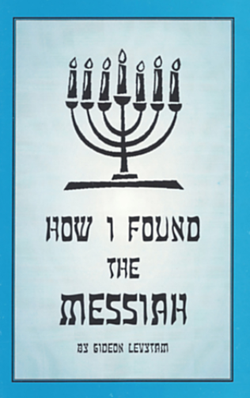
Follow Gideon Levytam's journey and discover how he was led by God, through a series of exciting circumstances, to find the One his people are still waiting for.
Past Episodes

Featured Offer
Follow Gideon Levytam's journey and discover how he was led by God, through a series of exciting circumstances, to find the One his people are still waiting for.
About Holy Scriptures and Israel
As time passed by, the Lord Yeshua took dear brother John Van Stormbroek to himself. The ministry of Holy Scriptures and Israel continued with additional development. In the early 1990’s, a weekly morning Bible class began which brother Gideon Levytam led regularly in the City of Toronto. This weekly open Bible class was held in the Willowdale assembly meeting hall. Eventually, a second mid-week evening Bible class was added. In April 2002, the need for an additional outreach Bible teaching meeting arose. We begun a Saturday (Shabbat) ministry meeting in which a systematic teaching of God’s word is presented to all who attend. Together we learn God’s Word, pray for each need and the salvation of Israel, and sing songs of worship unto our God, praising Him and our Lord Yeshua the Messiah.
In Mid 2004 we started to air on Joy 1250 Radio station a 15 minute Bible teaching program called "The Holy Scriptures and Israel" with Gideon Levytam. The broadcast teaches God’s word from a Hebrew Messianic perspective and has proved to be a blessing to many. It's now aired seven days a week. Our prayer is that many more of our Israeli people will have a clear understanding of who Yeshua is, why we all need him, and come to know him as their Lord and Messiah.
About Gideon Levytam
Contact Holy Scriptures and Israel with Gideon Levytam
426 Simcoe Street
Niagara-on-The-Lake
Ontario L0S 1J0
Canada
(905) 325-1234