
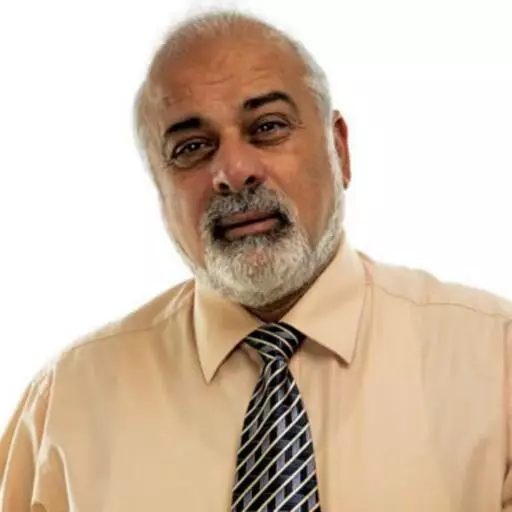
1 Timothy 3:8-13, Part 1


The Servants in the Local Assembly, Part 1
Unidentified Speaker: Shalom. Holy Scriptures and Israel is a ministry designed to share with the Jewish people the good news of the Lord Jesus Yeshua the Messiah, and to instruct Christians on the Jewish roots of their faith. And now, teaching God's word from a Hebrew messianic perspective, here is Gideon Levytam.
Gideon Levytam: Shabbat shalom. Today we continue with our regular ministry meeting on 1st Timothy chapter 3, and we're moving along one step at a time into this wonderful letter that Shaul Paul wrote to this younger brother by the name of Timothy. In the third chapter, we have the qualification for service among the people of God. These are very high qualification. These are God's standards. We should seek to attain to them, even though we confess that we fell short of what God is expecting from his own people. Today we're going to begin the reading from verse 8 to 13. Paul writes, likewise must the deacons be grave, not double tongued, not given too much wine, not greedy or filthy looker, holding the mystery of the faith in a pure conscience.
And let these also first be proved. Then let them use the office of a deacon, being found blameless. Even so must their wives be grave, not slanderers, sober, faithful in all things. Let the deacons be the husband of one wife, ruling their children and their own house well. For they that have used the office of a deacon well, they purchased to themselves a good degree and great boldness in the faith which is in Mashiach Yeshua. We just finished the first seven verses of 1 Timothy chapter 3, and there the Apostle Paul Shaul instructed Timothy, who remained in the city of Ephesus, to give the qualification to those that wish to be overseers among the people of God.
And you remember we saw this wonderful high standard expectation that God had given to the people of God if they are to serve and oversee the people of God. And you remember we had this list of them: blameless, husband of one wife, vigilant, sober, good behavior, given to hospitality, up to teach, not given to wine, not striker, not greedy or filthy looker, patient, not prowler, and not covetous, a man that manage his own house well, not new believer, and having a good report from those that are without. When I think of this high qualification, makes one wonder how one need the grace of God to seek to attain to some small measure these requirements from the overseer, the shepherd, the elder, the zaken.
But now, beloved brothers and sisters, Paul continue on, and he's speaking not so much about overseers, those that have spiritual responsibility over the people of God. Now he's dealing with those who serve in practical matters among the people of God. And notice that the standard is just the same. God does not say to the overseers, you better be in such a spiritual condition. You can do as you please, you can do what you want, you don't have any accountability and responsibility. No, he shows us that in every matter of the affairs of the things of the world, he wants the people of God to seek to have a godly attitude in whatever area that God had placed us to serve among the people of God.
But now he's talking about the servants, and I want to just mention three things by way of introduction. First, what is the meaning of the word deacon? In Greek, diakonos, which simply a person that is called to be a servant among the people of God. In Hebrew, we'd call it shamash or shamashim in the plural. Those of us that celebrate the feast of Hanukkah know that we have 8 candles in the Chanukiah. It's a bit bigger than that. We have here the menorah, but in Chanukiah we have the Chanukiah and the middle one, the one that is in the center, called in Hebrew Shamash. What is the meaning of the Shamash?
He is the servant. You would take the center one, the Shamash, and you will light on the first day the first light, the second day, the second light, the third day, the third light, and so on for eight days to remind us of the eight days in which there was light in the menorah in the temple in Jerusalem, that God had provided sufficient oil in order that the menorah will be lit for these eight days until a new and fresh oil had been prepared. But the center one served to be the servant, like the Greek word is diakonos, which simply mean a servant, one that is minister and serve among the people of God.
Now, you and I know very well that to serve among the people of God, it's not an easy task. It means that many times one is not being appreciated or not being understood. It sometimes takes a lot of energy and time and labor, and many times God's people, including you and I, not always appreciate those that work and serve behind the scene. Those that set for us the tables, food in the kitchen, those that provide for us all kind of services that we don't even imagine in order to have a local congregation, a local assemblies working. You see, in order for us to have such a session as a meeting like this, there's a lot of work that have happened behind the scene that you and I have no idea if we don't know what's going on.
Now, this is very challenging for a person to be a servant, for a person to be a deacon, a person that is serving among the people of God, it is an amazing responsibility. In fact, I want you to notice the first time the word deacon or diakanos mentioned in the scripture in the Brita Hadasha is Yeshua the Messiah before his death, when he spoke to his disciples in Matthew chapter 20 in verse 26, it says, but it shall not be so among you, but whosoever will be great among you, let him be your diakonos, deacon, servant, shamash, mesharet in Hebrew. He's actually speaking of the apostles to the disciples.
He says, do you want to be great among the people of God? Well, let him be your servant, your mesharet in Hebrew. So the first thing we want to learn that a person who is a servant is a person that he serve among the people of God and he meets the needs of the people. It could be in every area of the ministry of the work of the Lord. Secondly, I want to mention that the first time in the Brita Hadasha, in the New Covenant, where we find the need for that is found in the book of Acts, chapter 6. And the first 7 verses, I want you to notice there how it come about the necessity for the servant to come about, to begin to serve among the people of God.
Look what happened there in Acts chapter 6. When the church, the assembly began in Acts chapter 2, many became believers in the city of Jerusalem, the believers in Yeshua the Messiah. There was a growing congregation, ekklesia, in the city of Jerusalem. Now, when there is a growth among the people of God, problems also comes along with it. I noticed this from experience over the years. When we have 10, 15 people in a meeting, things are rather calm. When you have 20, 30, 40, 50, 60, 70, 80 people in a meeting, then the problem begins. People have needs. People have requirements because of our sin nature.
We have conflict among the people of God. Well, look what happened here in Acts chapter 6. It says in verse 1, in those days when the number of the disciples were multiplied, there arose murmuring of the Grecians. This is the Greek Jewish people from among the diaspora. they spoke against the Hebrews. These are the local Jewish people, the Hebrew speakers who were living or were born and raised in Jerusalem and in the land of Israel. And you know what they said? They were murmuring because the widows were neglected in their daily ministration. So then the 12, this is the apostles, they called the multitude of the disciples unto them, and they said, it is not reason that we should leave the word of God to serve tables.
That's where you get the word diakonos. To serve among the people of God. The apostles were called to be teaching the word and to ministering among the people of God, to spread the message of the gospel, both to the Jewish people, to our own people, and to the Gentile world, and they needed to take the time in the spiritual needs among the people of God, and they began to deal with all sort of frictions and problems among the people of God, and they rose up and they said, listen, it is not good that we should not leave the word of God to teach the word and begin to deal with the practical things that are rising among the people of God.
And though they said in verse 3, wherefore, brethren, look ye out among you seven men, honest report, full of the Holy Spirit and wisdom, that we may appoint over this business. But we will give ourselves continually to prayer and to the ministry of the word. And notice that, beloved brothers and sisters, in verse 5. And the saying pleased the whole multitude, and they chose Stephen, a man full of faith and of the Holy Spirit, and Philip, and Prochorus, and Nicanor, and Timon, and Parames, and Nicolas, a proselyte of Antioch, whom they have set before the apostles, and when they had prayed and they laid their hand over them, then the word of God increased, and the number of disciples multiplied, and Jerusalem greatly, and a great company of the priests were obedient to the faith.
It was necessary to raise from among the people of God some of the believers to serve in the various needs that rose, in the various challenges that God's people had been facing. You see, this is really a Jewish scene because what you see is the Yehudim Yevanim had complained against the Ivriim. They are all Jewish. One group of them came from the diaspora, the other group of them were local Hebrews, and they had a friction among themselves. And what was the problem? Those Yehudim Yevanim, those Jewish people from the diaspora, Grecian Jews, they felt neglected. In other words, their widows were neglected in the daily ministration.
Apparently, they were helping the poor and the needy and the widows and the fatherless. They were serving them, but they felt, listen, there was a problem. They don't deal with everyone equally according to their needs. So they complain, and they came to the apostles, and they shared this with them. And so the apostle, with a God-given wisdom, they have gave them instruction. Notice that, by the way, notice the five things that are mentioned here in Acts chapter 6. They said, brethren, number one, look ye out from among you. If somebody's going to serve among the people of God, he must be a believer from among the people of God.
There's no need to call somebody from an outside who is an unbeliever to come to manage the affairs of the people of God. Someone that is from among you. Someone that is a believer, that loved the Lord Yeshua the Messiah, that is willing to serve the people of God. Someone that understand the needs of the people of God with a heart of love for the Lord and a love for God's people. Secondly, notice it says seven men. The number seven oftentimes speaks of the full number to meet every need, every situation among the people of God. Thirdly, they ought to be an honest man. Man that is straightforward, man that is honest in their dealing, then making sure that they try to equally minister among the people of God, to try to be helpful and discerning the needs of the people of God.
Fourthly, they have to be full of the Holy Spirit. In other words, sometimes we think that a spiritual leader, the Bible teacher, need to be filled by the Holy Spirit of God, and the ordinary fellow who serve among the people of God doesn't need to be full of the Holy Spirit of God. In other words, only those who teach the Bible need to be full of the Holy Spirit of God. The rest of us can do as we please. No, the apostles saying to the believers, these seven individuals also to be guided by the Holy Spirit of God. Ruach HaKodesh is not only came to our life in order to give us a new life and a new birth, but the Holy Spirit of God ought to be that he's the one that would be guiding us.
Notice the expression, not only that they have to possess the Holy Spirit of God, but to be full of it. In other words, the full of the person of the Holy Spirit of God, so they can wisely conduct the practical affairs of the people of God. And finally, they are to be also full of wisdom. When we serve the Lord in a practical things, one need to be wise, not only to know things, but wisdom is knowledge from the Lord applied in a practical way. And so they ask from the believers that the Shamashim, the Meshartim, the deacons or deikanos, those who serve the Lord will be believers, seven men, honest men, full of the Holy Spirit of God and full of wisdom.
By the way, if you notice this, how beautiful to see here, he says in verse 4 of Acts chapter 7, we will give ourselves continually to prayer and to the ministry of the word, and the saying was pleasing the whole local assembly in Jerusalem, in Yerushalayim, and they have selected individuals, and they have chosen 7 men. And the first one by the name of Stephen is that very man that was the first martyr from among the people of God. Stephen was in the next chapter the one that was stoned unto death because he presented the fact that Yeshua is the Mashiach, the Messiah of Israel before the Sanhedrin, and he was the first one from the body of Messiah, the body of Christ, the ekklesia, the church, the called out one.
He was the first one that was killed because of his faith in Yeshua the Messiah. You notice the second man was Philip. Philip was the one that later on we find him going to Shomron, to Samaria, preaching the gospel. Now, how do you think he began? He didn't start to be a great preacher preaching the gospel. He began by serving the people of God. And God said to him, Philip, I have something more for you. I'm going to call you now to go to the Shomron, to Samaria, and there is another man, the Ethiopian eunuchs, and share with this man, the Ethiopian eunuch, the message of the gospel of Yeshua the Messiah.
These men began as servants, simply brothers that served among the people of God. And you notice one of them, the last one is in verse 5, his name was Nicholas, he was a proselyte from Antioch. In other words, he was a Gentile who became a believer in the God of Israel and embraced the people of Israel as his people, and then later on, when he have accepted the Messiah, he became part of the assembly, part of the church of the Ecclesia. Well, notice that because of this, the apostles took their time, they have taught the word of God, and the assembly in Jerusalem grew as those seven men were serving among the people of God.
Oh, how we need them. How we are so thankful for those who serve among the people of God. Now there's one more thing I want to mention here. Notice that the Shamashim, the servants, were not only called to serve in the body of Messiah in this present day dispensation of the church age, but they were already called to serve among the people of Israel in biblical history of our own nation. In Exodus chapter 31, there were two specific men that were chosen by God to serve among the people of Israel, our own nation, Betzalel and Ahaliav. Notice it says in verse 1 of Exodus 31, and the Lord spake unto Moses, and he said unto him, See, I have called by name Betsael, the son of Uri, the son of Hur, of the tribe of Judah, and I have filled him with the Spirit of God in wisdom and in understanding and in knowledge and in all manner of workmanship, to devise cunning works, to work in gold and in silver and in brass, and in cutting of stones to set them, and in carving of timber, to work in all manner of workmanship.
And I, behold, I have given with him Ahaliav, the son of Achisamah of the tribe of Dan. And in the hearts of all that are wise-hearted, I put wisdom that they may make all that I have commanded thee. And then he gives all the lists of the things that they have made. These were two servants among the beloved nation of Israel that participate in a preparation of all the vessels. First one's name is Betzalel. Come from two Hebrew word, Betzel mean in the shade or in the shadow, and El means God. Betzalel was under the shadow of the guidance of God. He was a man that by virtue of his name, he represented God.
He was under the shadow of God's direction. And this way he could be light and a blessing to the nation of Israel. And the second man by the name of Ahaliav, Ahali means my tent, and Av means father. In other words, I'm allowing God the Father to dwell in my tent. And therefore I can receive guidance in order to be a servant among the people of God. And beloved brothers and sisters, these two men received the wisdom from the Lord to be able to build the tabernacle and all the furniture. They served among the people of God. You don't hear much about them, but their service was so important among our people, of all the people of Israel, that God used all this furniture and all these elements which they prepared in order to allow the service in the tabernacle to continue on.
And so the meaning of the word yekano simply means a servant, a shamash, a mesharet. It's a very important responsibility, and yet what a privilege it is to serve our blessed Lord Yeshua the Messiah and to be a vessel among the people of God. So now let's look at those eight requirements that Paul gave Timothy in order to instruct the believers at the city of Ephesus. Eight requirements that are needed in order to be able to be a servant among the people of God. The first one is that the servants, the deacons, diakonos, must be grave. That word for grave is simply well respected. Others said reverent, They take the work of the Lord seriously.
They do not take it partially, they take it very seriously. They mean business. In other words, they have to take it very seriously because they are serving God's people. And to serve God's people, it is a serious service ministry because you participate in the Lord's work, you impact the people of God. You are serving God. It's like a helpmeet for the people of God to bless them, and this is a service that is given for the Lord, of course, but it is the people of God are the ones that are benefiting from that, and therefore he must be grave. He must be one that is taking his responsibility seriously.
Now, oh, how we thank the Lord. Over the years, though those brothers, as well as sisters in their spheres, have taken their responsibility seriously. That was an important part of their lives. It's not one day soothes me, another day doesn't soothe me. This was something that was part of their life, and they committed themselves to serve the people of God as a service unto the Lord and unto God's people. Secondly, and this is very, very important, second requirement, it says here in verse 8 that the servants also must not be double tongued. Double tongued, in Hebrew, we call it machlikei lashon.
In other words, they go to someone and they say to him or her, hey, this one thing, and then go to the other person, say something else. And they don't realize that by this kind of behavior, we're only sowing a seed of discord among the people of God. That doesn't serve the people of God. The Hebrew word for tongue is Lashon, come from the way you speak. You use your tongue in speaking. That's where you get the gift of tongue, the gift of speaking a language that you never studied. And God have enabled the first century believers to go to wherever it is and to be able to present the message of the gospel in a different language to the very same people, in a language that they have never known.
For example, if one never knew the language of English and he is speaking Hebrew, and God have enabled them to speak the language.
Announcer: You have been listening to the Holy Scriptures and Israel with Gideon Levytam. Gideon teaches God's word from a Hebrew messianic perspective. For more information about this ministry, write to Holy Scriptures and Israel, Box 1411, Niagara-on-the-Lake, Ontario, L0S1J0, or visit our website at holyscripturesandisrael.com. You are also invited to Gideon's weekly Bible teaching on Fridays at 11:00 AM and 7:00 PM and Saturdays at 1:00 PM at Willowdale Christian Assembly Hall, 28 Martin Ross Avenue in Toronto. Holy Scriptures and Israel is made possible by your prayers and financial support. If you would like to support the program, visit holyscripturesandisrael.com.
God bless you. Shalom, shalom.
Featured Offer
Follow Gideon Levytam's journey and discover how he was led by God, through a series of exciting circumstances, to find the One his people are still waiting for.
Past Episodes

Featured Offer
Follow Gideon Levytam's journey and discover how he was led by God, through a series of exciting circumstances, to find the One his people are still waiting for.
About Holy Scriptures and Israel
As time passed by, the Lord Yeshua took dear brother John Van Stormbroek to himself. The ministry of Holy Scriptures and Israel continued with additional development. In the early 1990’s, a weekly morning Bible class began which brother Gideon Levytam led regularly in the City of Toronto. This weekly open Bible class was held in the Willowdale assembly meeting hall. Eventually, a second mid-week evening Bible class was added. In April 2002, the need for an additional outreach Bible teaching meeting arose. We begun a Saturday (Shabbat) ministry meeting in which a systematic teaching of God’s word is presented to all who attend. Together we learn God’s Word, pray for each need and the salvation of Israel, and sing songs of worship unto our God, praising Him and our Lord Yeshua the Messiah.
In Mid 2004 we started to air on Joy 1250 Radio station a 15 minute Bible teaching program called "The Holy Scriptures and Israel" with Gideon Levytam. The broadcast teaches God’s word from a Hebrew Messianic perspective and has proved to be a blessing to many. It's now aired seven days a week. Our prayer is that many more of our Israeli people will have a clear understanding of who Yeshua is, why we all need him, and come to know him as their Lord and Messiah.
About Gideon Levytam
Contact Holy Scriptures and Israel with Gideon Levytam
426 Simcoe Street
Niagara-on-The-Lake
Ontario L0S 1J0
Canada
(905) 325-1234