
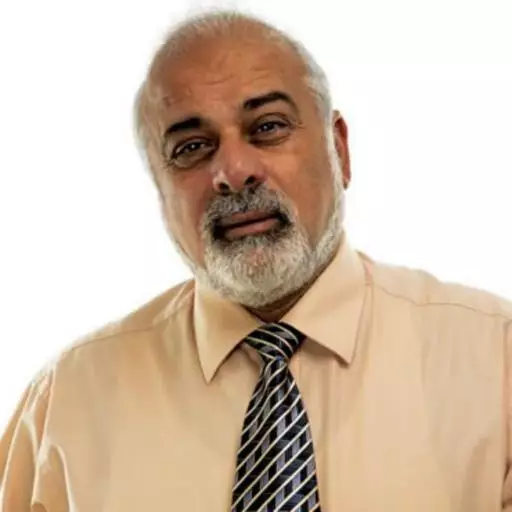
1 John 4:7-16, Part 3


God is Love Part 3
Guest (Female): Shalom. Holy Scriptures and Israel is a ministry designed to share with the Jewish people the good news of the Lord Jesus, Yeshua the Messiah, and to instruct Christians on the Jewish roots of their faith. And now, teaching God's word from a Hebrew Messianic perspective, here is Gideon Levytam.
Gideon Levytam: The study of 1 John chapter 4. The Hebrew word *echad*, *Shema Yisrael Adonai Eloheinu Adonai echad*, "Hear, O Israel, the Lord our God, the Lord is one." The word *echad* is a compound unity. Three persons in one single God of Israel, God of the universe. And that's why God has given his Son to come to this world to pay for the penalty of sins. God in the person of his Son would enter humanity and pay for the price of this world. And that's why, beloved brothers and sisters, I'm emphasizing, you see, people say, "Well, what? You have more than one God?" We say, "No." The Bible says, "No." We have one single God who exists and consists in three persons. And it is the Son who is the eternal Son who entered humanity, took union humanity with the divine nature, and as man, he paid the price for our sins on the tree. That's the story of the Gospel. He died on the cross. He was buried, and he rose on the third day for our justification.
And so he continues here in verse 10. He says, "Listen, we really didn't love God, but God loved us." Herein is love, not that we loved God, but that he loved us, and he sent his Son to be the propitiation for our sins. Listen, we did not love God. We did not want God in our lives. None of us can say that we have really, on our own, wanted God. In fact, men by nature do not want God. The psalmist of Israel said this many years ago in Psalm 14, "The evil man said in his heart, '*naval amar bilibo*.' That evil man said in his heart, 'There is no God. I do not want God in my life. No God.'"
But God loved us. And what did he do? He loved us. We did not love him. He loved us so much he sent his Son. And notice this expression at the end of verse 10, to be propitiation for our sins. Again, this is one of these English words that are difficult, but it simply means that he made God satisfied with respect to our sins. When Yeshua died on the tree, when he shed his blood, this innocent man, now God is propitiated, satisfied with respect to the sins of this world. So when God looks at you and I today, he says, "Listen, I don't need to punish you anymore because someone else has been punished instead of you." He satisfied the righteous requirement of a holy God. God is satisfied. He doesn't need to judge sin twice. It was judged already.
And when we stand in the place when the Messiah was judged, now we have been receiving justification. We have been now accepted in the beloved. We are accepted by God because we confessed our sins, repented of it, accepted Yeshua HaMashiach as the Messiah, the Savior, the Redeemer, the sacrifice. God now says your sins are forgiven. And therefore, in verse 10, he sent his Son to be the propitiation for our sins—the sins of the past, the sins of the present, the sins of the future. You see, when Yeshua died, it was 2,000 years ago. Where were you and I? Where were our sins then? We were just born some of us 90, 80, 70, 60, 50, 40, 30, 20 years ago. And we were born, we were born in sins. We were dead in trespasses and sins. But the very work of the Messiah that he had done 2,000 years ago was sufficient enough to meet our sins today.
And when we're going to leave this meeting, and we're going to fall into sin if we will, those sins have been washed away by the very same blood of the Lamb for those who know him. We need to be, of course, walking with the Lord and not looking to sin. But what I'm saying, when we sin, when we fail, every sin that we have committed has been washed by the blood of the Lamb. And so that expression, propitiation—he satisfied God, he appeased. His work has satisfied the holiness of God. Look at what it says in verses 1 and 2. My little children, these things write I unto you that ye sin not. And if any man sin, we have an advocate with the Father, Yeshua the Messiah, the righteous. And now notice verse 2, and he is the propitiation for our sins, and not only for ours only, but also for the sins of the whole world. In other words, the value of the work of Yeshua the Messiah is sufficient to meet every sin in this world, but only those that have accepted him will enjoy and benefit from the value of the work of the Lord Jesus the Messiah on the cross, on the tree.
So he is the propitiation for our sins. He satisfied a holy and a righteous God. Well, now notice what John, what Yohanan, is saying to the mishpacha, to the family, to the sons and daughters of the Father. In verse 11 of 1 John chapter 4, now John is saying, if God loved us so much, don't you think that we ought to love one another in some small measure? He is saying in verse 11, notice that word "so." He's saying if God so—it's like he doesn't have an end, this is if God's love is so, so unique towards us—don't you think that we should love one another? Don't you think so? Should we hate our brethren? Should we speak against them? Should we run them down? Should we cut them? Should we wish them evil? No, he says, that's not right. That's not of God.
When you and I do so and think so, immediately the Spirit of God says, "Wait a minute. You are not in the ways of the Lord at all." That is Satan's way. This is the world's way. This is the flesh's way. This is not the ways of God. And that's why he's saying, beloved, if God so loved us, we are to love one another. Now again, I would like to emphasize, we don't necessarily agree with each other. It doesn't mean loving one another is not a matter of just hugging and kissing here. No, loving one another is a matter of saying, "Listen, I'm not going to hate this brother. I'm not going to hate this sister. I wish them well, and I wish them the Lord's blessing, the Lord's guidance. I will seek to be a blessing to them. I will seek to be an encouragement to them. I will seek to pray for them, to minister to them, to forgive them, to be a help for them." That is the ministry of the Spirit of God in the lives of the sons and daughters of the Father.
Well, listen, John is saying verses 7 and 8, what God is: God is love. Verses 9, 10, and 11, what God did: he sent the darling of his bosom so we will have the question of sin dealt with once and for all. Wonderful, beloved brothers and sisters, how John is presenting this to the brothers and sisters to whom he wrote. And it's really refreshing because we need to remember this ourselves. Sometimes we seem to forget that God loves us. You know, sometimes you feel like the whole world is against us. Things are not going well. I have a problem with my family. I have a problem with my friends. My job situation is not so good. My finances are not the best. My health seems to run down. My neighbors are not so good to me. I'm coming to the assembly, to the congregation meeting, the brethren are not necessarily so loving and caring. Nobody loved me. That's how we feel. Don't you feel sometimes like that?
But then God says don't forget that there is someone that loves you and his love towards you is unchangeable. The proof of it: he gave his Son, the anointed one, the Messiah of Israel, the Savior of the world. He gave him for you. He gave him for us in order that he will satisfy God with respect to our sin and sins and deal once and for all with my own sin nature and sin problem. God loves you. God loves me. His love will never change. And by the way, when we disobey him, it doesn't change his love for us. God is not giving us love as long as we love him back. In fact, we just read, not that we loved God, but God loved us. Don't for a moment think that because we failed the Lord that his love for us has changed. No, dear beloved brothers and sisters, he is the only one who will never fail us. Friends will fail us. Family will fail us. But God will never fail us. Somebody will say to you and I, "I love you," but then he or she changed their mind. But God will never change his mind.
He loved us and he proved it when he allowed his Son, Yeshua the Messiah, to pay the price for our sins. And when we're going to be in heaven, we're going to be surrounding him, and we're going to praise him and worship him. And we're going to look at the marks on his hands and his sides, which will be the token of his love towards us. And we will remember that years ago, he paid the price on the tree. The psalmist of Israel has said, "They have pierced his hands." When they hung him on the tree on a Roman cross, he became a sacrifice. Revelation chapter 5 says that he's seen there in glory as a Lamb that had been freshly slain. As if he was just slain this moment. Throughout eternity, we're going to look at this Lamb as if he had been just now paying the price for the sin of this world. We're going to cast all the crowns at his feet, and we're going to worship him, and we will never stop to worship him. We're going to say to him, "Thou art worthy. Not me, not them, but thou art worthy. You are worthy to receive our praises."
And what a joy that will be for our hearts when we are going to be with him in the coming days. Well, let's look down now in the next verses. Now in verses 12 to verse 16, Yohanan, John, is presenting what God is doing in our lives now. You see, God is love, verses 7 and 8. God sent his Son, what he did, verses 9 to 11. But what God is doing now in your life, in my life now? You see, we are living here and now. We are not yet in heaven. We have already received forgiveness of sins. We are here and now. We are between, you might say, we are on the path that leads us one day to go to be with Yeshua in glory in heaven. So what's going on right now? And now notice that. You see, God always wants to have fellowship with men. Always he wants to enjoy man's fellowship. You remember in the Garden of Eden in Genesis chapter 3 and verse 8, we read that God walked in the Garden of Eden in the cool of the day. But Adam sinned and disobeyed him and hid himself behind the tree. But God had desire to have fellowship with Adam. We read with Enoch, we read in chapter 5 and verse 22 of the book of Genesis, Enoch walked with God. When it comes to Noah, we read in Genesis 6, verse 9, and Noah walked with God. When it comes to Abraham, Abraham our father, we read in Genesis chapter 17 and in chapter 24 that Abraham walked with God. God desire men to walk with him, men and women, people to walk with him and to enjoy him. But sin came in.
In Exodus chapter 25, God said, "Let Israel make me a sanctuary that I will dwell with them. ve-shakhanti betokham." I want to dwell in the midst of God's people. I want to enjoy fellowship with the human race, with my people. But when sin comes in, it separates us from God. And so we read throughout Scripture that even the glory of God departed from the temple, if you remember, in 1 Samuel chapter 4, because of the sin of the nation, of our own nation Israel, the glory of God had left the tabernacle, the temple, because now Israel were not in the right relationship with him. But God always wanted to have fellowship with the people of God. So now, beloved brothers and sisters, look what we read in verses 12 to 16, that God wants to have fellowship with men. Notice that. First of all, in verse 12, it says that no man has seen God at any time. If we love one another, God dwelleth in us, and his love is perfected in us. What he's saying in verse 12, no one has seen God at any time. The only one we know in chapter 1 of the Gospel of John, verse 18, it's the only begotten Son, the Messiah Yeshua, the eternal Son. He had seen the Father. He knows the Father. But the world don't see God. The only way that the world will see God is through you and I.
The only way that the world will know love is when they watch and observe the people of God how they behave. And the proof that God is in existence is by the manner in which the people of God behave. And his love is perfected in us, matured in us. You see, the proof that God is existing to the world around us is by the way that we relate to each other. If there is love among the people of God, then the world around can say, "Wait a minute. There is something special here. I don't know if there is God, I don't believe in God," they might say, "but one thing for sure, when I see this group of believers, that I see when they love one another, God dwells in the midst of these people." You see, the only way that the world would know that you and I are really representing a living God is by the way we conduct ourselves. You see, John chapter 13, Yeshua said at the upper room, "By this shall all men know that you are my disciples, if you have love one toward another." Let me reverse that. By this shall the world, all men, know that you are not my disciples, if you hate one another. And you know, sometimes it is amazing when unbelievers come into the midst of a good, healthy congregation, and they say, "Wow, there's something special in the midst of this group of people. They really practice in a small measure kindness, affection, care for each other, serving one another, not bickering and fighting and hurting each other." You see, that is not of God. That's not ministry. That's the flesh.
You see, what God is doing now, he is maturing us. He working, he plowing us. He is allowing us to experience some trials and tribulation that we will have a sense of care for others because when we are carefree and have no problem and everything is hunky-dory and everything is fine, who needs anybody, right? 2 Corinthians chapter 1, Paul said those words, "Blessed be God, even the Father," this verse 3, "of our Lord Yeshua the Messiah, the Father of mercy and the God of all comfort, who comforteth us in all our tribulation, that we may be able to comfort them which are in any trouble by the comfort wherewith we ourselves are comforted of God." You see, loving and caring for each other and comforting each other, it's an evidence that God is existing. The world watches the people of God and see it. And when the world see that the believers are bickering and fighting, they say, "Listen, I don't have to go to be with you. I can go to the bar. I can go to any place else. People are fighting all over. Maybe they even behave better than you are behaving," they might say to us. And therefore you can see God dwelleth in the midst of his people, and through his people, there is a proof that he is existing. And the world can say, "Ah, there's something unique among these people." No man sees God, but they can see through the way in which we behave towards another.
Then notice that, secondly, in verse 13, God gave us the Holy Spirit, Ruach HaKodesh. He has given us the Holy Spirit to indwell in us. You notice verse 13, he says, "Hereby know we that we dwell in him and he in us because he has given us of his Spirit." The Holy Spirit of God has been given unto us. You see, brothers and sisters, what distinguish us today in the present day church age is that every believer is indwell by Ruach HaKodesh, the Holy Spirit of God. A divine person is indwelling us. Don't you know, 1 Corinthians chapter 6 and verse 19, that your bodies is a temple of the Holy Spirit and you are not your own? You have been purchased with the blood of Yeshua the Messiah. Romans chapter 8 and verse 9, he said if any man have not the Spirit of the Messiah, the Spirit of Christ, he is not belonging to him. 1 Corinthians chapter 12 and verse 13, by one Spirit we were all been placed into that one body, the body of Mashiach, the body of Christ. John 14 and verse 16, Yeshua said, "I will send another Comforter and he will dwell in you." We have the Holy Spirit of God indwelling us in the believer. And God gave this to us to dwell in us, to be a witness that we belong to the Father, we belong to him.
Notice verse 14 now. God uses us, the believers, his people, to witness to the world. And we have seen and do testify that the Father sent his Son to be the Savior of the world. Who is the one that we? This is the believer. This is you and I. This is the believers in Yeshua. We are to testify to the world by mouth and by our behavior that the Father sent the Son to be the Savior of the world. You see, God is working. It's not only what God is: he is love; what God did: he gave his Son; but what God does in the midst of his people. He is working in the midst of his own people in order to produce that which is for his glory in the life of his own people. Notice in verse 15 now, we read that God dwell in his people. Whosoever shall confess that Yeshua is the Son of God, God dwelleth in him and he in God. Confession, honest, truthful confession that Yeshua is the Son of God. It's an evidence that God is dwelling in us and we dwell in him. Fellowship. If we actually confess and let men know, people around us know that God sent his Son, that Yeshua is the Son of God. Again, "he that has the Son," we're going to read it in the fifth chapter, "has life. And he that has not the Son of God has not life." That's the way that the Scripture is proclaiming. And what happened when we confess to the world that Yeshua is the Son of God, we're actually proclaiming the Gospel. Paul said in Romans 1:16, "I am not ashamed of the Gospel of the Messiah." Why, Paul, you are not ashamed of the Gospel of the Messiah? "Because it is the power of God unto salvation to everyone that believe. And it is to the Jewish people first and also to the nations of the world." But I'm not ashamed in the body of the truth of the Gospel because in this body of truth is the message whereby a sinner can be saved. There is power in the message of the Gospel that Yeshua the Son of God died for us on the cross as man, was buried and raised from among the dead.
And so, brothers and sisters, in conclusion, in verse 16, God is love. Dwelling in love is dwelling in God. And we have known and believed the love that God has to us. God is love, and he that dwelleth in love dwelleth in God and God in him. You notice, by the way, in verse 8 where we began, God is love. In verse 16 where we end, God is love. It's like all what we have been speaking about in between sandwiched in between this fact that God is love. And because he is love, we can enjoy fellowship with him now because he sent Yeshua the Messiah and expressing this in a practical way towards one another. That is an amazing thing. Can you imagine, beloved brothers and sisters, if you and I, in a small measure, will practice this that we are encouraged to do? Beloved, Yohanan said, let us love one another. May the Lord help us to do so. I'm going to read two verses in conclusion. 1 Corinthians chapter 13, you want to know what love is? Well, look what the Bible say. 1 Corinthians chapter 13, verse 4.
Love suffer long. Love is kind. Love envieth not. Love boast not. Love puffed not up, not proud. Love does not behave itself unseemly. Love seeketh not her own. Love is not easily provoked. Love thinketh no evil. Love rejoices not in iniquity. Love rejoices in the truth. Love bear all things. Love believeth all things. Love hope all things. Love endureth all things. And verse 8A, love never faileth. Imagine, beloved brothers and sisters, if we in some small measure practice this that we are encouraged to do. Beloved, Yohanan said, let us love one another. May the Lord help us to do so.
Guest (Female): You have been listening to Holy Scriptures and Israel with Gideon Levytam. Gideon teaches God's word from a Hebrew Messianic perspective. For more information about this ministry, write to Holy Scriptures and Israel, Box 1411, Niagara-on-the-Lake, Ontario, L0S 1J0, or visit our website at holyscripturesandisrael.com. You are also invited to Gideon's weekly Bible teaching on Fridays at 11:00 AM and 7:00 PM, and Saturdays at 1:00 PM at Willowdale Christian Assembly Hall, 28 Martin Ross Avenue in Toronto. Holy Scriptures and Israel is made possible by your prayers and financial support. If you would like to support the program, visit holyscripturesandisrael.com. God bless you. Shalom, shalom.
Featured Offer
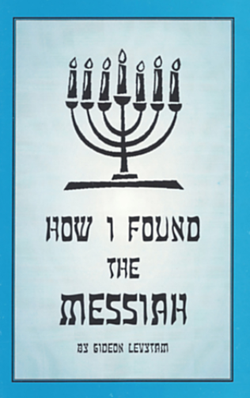
Follow Gideon Levytam's journey and discover how he was led by God, through a series of exciting circumstances, to find the One his people are still waiting for.
Past Episodes

Featured Offer
Follow Gideon Levytam's journey and discover how he was led by God, through a series of exciting circumstances, to find the One his people are still waiting for.
About Holy Scriptures and Israel
As time passed by, the Lord Yeshua took dear brother John Van Stormbroek to himself. The ministry of Holy Scriptures and Israel continued with additional development. In the early 1990’s, a weekly morning Bible class began which brother Gideon Levytam led regularly in the City of Toronto. This weekly open Bible class was held in the Willowdale assembly meeting hall. Eventually, a second mid-week evening Bible class was added. In April 2002, the need for an additional outreach Bible teaching meeting arose. We begun a Saturday (Shabbat) ministry meeting in which a systematic teaching of God’s word is presented to all who attend. Together we learn God’s Word, pray for each need and the salvation of Israel, and sing songs of worship unto our God, praising Him and our Lord Yeshua the Messiah.
In Mid 2004 we started to air on Joy 1250 Radio station a 15 minute Bible teaching program called "The Holy Scriptures and Israel" with Gideon Levytam. The broadcast teaches God’s word from a Hebrew Messianic perspective and has proved to be a blessing to many. It's now aired seven days a week. Our prayer is that many more of our Israeli people will have a clear understanding of who Yeshua is, why we all need him, and come to know him as their Lord and Messiah.
About Gideon Levytam
Contact Holy Scriptures and Israel with Gideon Levytam
426 Simcoe Street
Niagara-on-The-Lake
Ontario L0S 1J0
Canada
(905) 325-1234