
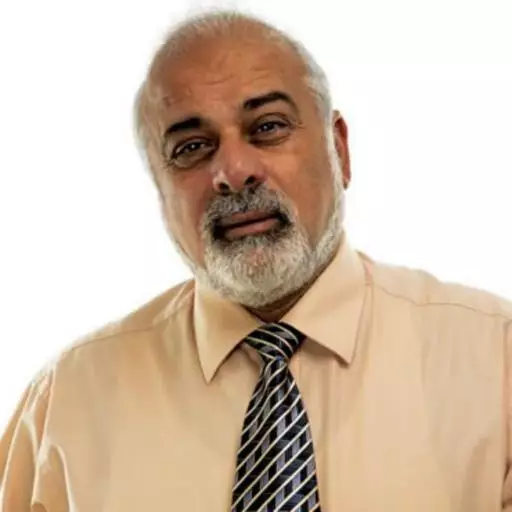
1 John 4:7-16, Part 1


God is Love Part 1
Guest (Male): Shalom. Holy Scriptures and Israel is a ministry designed to share with the Jewish people the good news of the Lord Jesus, Yeshua the Messiah, and to instruct Christians on the Jewish roots of their faith. And now, teaching God's word from a Hebrew Messianic perspective, here is Gideon Levytam.
Gideon Levytam: Shabbat Shalom. I would like to continue today in our study the First Epistle of John, so will you please turn to 1 John 4, verse 7 to 16. This passage is a continuation of the encouragement that Yochanan gave to the mishpachah, to the family of God, to have this love relationship with each other, this agape love, the unconditional love that is so important if we are to manifest our relationship with the Lord.
And you notice that, brothers and sisters, how important the evidence that we have fellowship with God is the relationship that we have one towards another in the mishpachah, in the family of God. And so we read from verse 7, "Beloved, let us love one another: for love is of God; and every one that loveth is born of God, and knoweth God. He that loveth not knoweth not God; for God is love. In this was manifested the love of God toward us, because that God sent his only begotten Son into the world, that we might live through him.
Herein is love, not that we loved God, but that he loved us, and sent his Son to be the propitiation for our sins. Beloved, if God so loved us, we ought also to love one another. No man hath seen God at any time. If we love one another, God dwelleth in us, and his love is perfected in us. Hereby know we that we dwell in him, and he in us, because he hath given us of his Spirit. And we have seen and do testify that the Father sent the Son to be the Saviour of the world.
Whosoever shall confess that Yeshua is the Son of God, God dwelleth in him, and he in God. And we have known and believed the love that God hath to us. God is love; and he that dwelleth in love dwelleth in God, and God in him." I'm going to stop with the reading here in verse 16 of this chapter 1 John chapter 4, 7 to 16 for the ministry today.
Now, you remember in our previous meeting together, we talked about the first six verses of 1 John chapter 4. Those six verses seem to be placed there in the scripture, in the writing of John, as a warning to the mishpachah, to the family of God. The warning was this: that every believer is to test, to try those spirits, because many false prophets have gone out into the world.
John, this is Yochanan, paused from speaking about love. It is very important to talk about love, but love on its own, if it is not merged or united together with truth, is really shallow on its own. And that's why John, Yochanan, is giving this instruction in 1 John chapter 4, verses 1 to 6 to warn the believers in Yeshua the Messiah to test what they hear.
Is it based upon the word of God? Because many false prophets have already gone out into this world. And John, Yochanan, was speaking 2,000 years ago. Imagine what's going on today. You and I, who live in the day that is approaching of the coming of the Messiah for His heavenly company, and ultimately for His earthly company, Israel, we already need to be discerning and not listening to every form and opinion of man.
But we have to make sure that it is subject to the written word of God. After he gave these warnings in the first six verses, he now continues to speak about love. In fact, brothers and sisters, if you'll take out those six verses of 1 John chapter 4 out of the scripture, you can link together from verse 7 on as a continuation from the end of the third chapter of 1 John.
But we cannot take it out of scripture. He gave us this warning against the antichrist, the counterfeit Messiah, as it says here in the first six verses. He also told us in these verses that greater is He that is within you than he that is in the world because we have the Holy Spirit of God indwelling us and we are able, by the grace of God, in the power of the Spirit of God, on the basis of the word of God, to discern whether something is of the Lord and whether something is simply from men.
We are continuing now speaking about the importance of love. Really, the theme of these verses is that God is love. In a Bible, we have in John chapter 4 and verse 24, Yeshua who said, "God is Spirit." In 1 John chapter 1 and verse 5, John said, "God is Light." Now in 1 John chapter 4, he emphasized that God is love.
God is Spirit, Elohim hu Ruach, John 4:24. God is Light, Elohim hu Or, 1 John chapter 1 and verse 5. And now God is love, Elohim hu Ahavah, 1 John chapter 4 and verse 8 and 16. Three times he's using this expression to love one another. You notice that? Just look with me down in the scripture. 1 John chapter 4, verse 7: "Beloved, let us love one another." 1 John chapter 4, verse 11: "We ought also to love one another." Verse 12 is the third time: "Love one another."
John is emphasizing right now the importance of believers loving one another. He doesn't use the two other Greek words that are often being used. One of them is Eros, that has to do with more like a sexual love, which the Bible doesn't use. The second word which the Bible uses is Phileo. This is a relationship, a family love.
Every time he uses this expression "love," he uses the Greek word Agape or Agapo, the love that is unconditional. It's not a matter of feeling. It's not a matter of what we think of each other. It doesn't even mean that we have to agree with each other. But the Bible teaches us the importance of this unconditional love that believers ought to have one towards another, and John elaborated here about the importance of loving one another unconditionally.
Well, first of all, you will notice that he presents here in those verses three things about God. Verses 7 and 8: What God is. Verses 9, 10, and 11: What God did. And verses 12 to 16: What God is doing right now in the lives of His own people. Let's look over those very interesting verses. The first thing: what God is. It's so precious to know that God is love.
The essence of God is love. Yes, He is Light, 1 John 1:5, He is Holy, but God is also a loving God. God is love. And notice again, I'm reading in verse 7 and 8, "Beloved, let us love one another: for love is of God; and every one that loveth is born of God, and knoweth God. He that loveth not knoweth not God; for God is love."
He's saying in verses 7 and 8, beloved, being born of God and knowing God will be producing in us love towards others. You see, he began by saying in verse 7, "Beloved, let us love one another," why? "For love is from God," it's of God. This is the nature of God. He continued saying, "Everyone that loveth is born of God and he knoweth God."
You and I have been born from above. We, what we call it, have been born again. You remember what Yeshua said to Nakdimon, Nicodemus: "You must be born again. That which is born of the flesh is flesh, and that which is born of the Ruach, of the Spirit, is Spirit. You must be born again." The evidence of our new birth is the proof, the evidence when we love one another unconditionally.
It is a proof that we have been born of the Ruach HaKodesh, of the Holy Spirit of God. That's why he's encouraging, and notice he calls them "beloved," because remember Yochanan is like a father who is presenting his affection towards the mishpachah, the family of God. He's concerned for the young one, for the old one, for the male, for the female, for the children, for the aged one.
He's concerned for the household of God, and that's why this ministry is a ministry to the family of God. To enjoy each other, we must have this kind of a relationship if we are going to be able to stay together. You know why many times local churches, local assemblies, local congregations are broken into pieces? It's not always because of doctrine, but it's most likely because most of us fail in practicing love towards the brethren.
Years ago, I remember the story that somebody used to come to a local assembly, local church, and he left the meeting after a while. He says, "I'm not going to continue here." They asked him, "Brother, why are you leaving?" And he said, "There's no love in the assembly, there's no love here." So they asked him, "Where do you read in the scripture that you ought to expect love?"
Scripture teaches us to give love. If somebody doesn't give it to me, it does not change my responsibility to give it to him or to her. So the brother thought about that and he realized, "Yes, it's not only others who fail to give me love, but I fail to provide this love towards my brothers and sisters." Then he returned back and he began to practice what he should have known from the word of God.
Listen, that's not an excuse. There's no love? There ought to be love. But if you don't receive love, you make sure that you give this love because the message is to you, the message is to me. It doesn't say "let us expect love from one another." You don't find it here. "But, beloved, let us love one another." If there is no love towards you, that does not give you an excuse, it doesn't give me an excuse not to love the brethren.
The brothers and sisters are not always lovable. You know that. We are not always kind, gracious. We are not always lovable. But then again, beloved brothers and sisters, when God loved you and loved me, were we lovable? "For God so loved the world, that He gave His only begotten Son." Whom did He love? Romans chapter 5 says, "While we were yet sinners," without strength, while we were yet enemies, the Messiah came to give His life for us because God loved us.
He says, listen, the evidence that you are born again, born from above, is your love towards the brothers and the sisters. "Beloved, let us love one another," why? "Because love is of God." This is the nature of God. We have to watch it if hate is boiling here in our own hearts because hatred is not from God. Hatred comes from the enemy, from Satan, from the flesh, from the world.
But love comes from God. Because love is of God, everyone that loveth is born of God and he knoweth God. The word for "knoweth God" is not only knowing about God, but knowing God intimately. You see, to Israel our people, God said many years ago, "Only you have I known." He said that through the prophet of Amos to the nation of Israel.
In other words, you mean, God, you didn't know all the other nations? Of course, I knew the other nations. But only you, Israel, have I a special relationship. Only you have I known. I know about everybody else. I created the universe. But only you I know in a special relationship. In chapter 4 of Genesis, we read about Adam, "and Adam knew his wife." He knew her intimately. He didn't know about her, of course he did, but he knew her intimately.
So the evidence of a relationship with God, a relationship with our Abba, with our Father, is when we have this kind of love in some small measure. Because we are not always where we should be. Many times we fail the Lord and we don't practice what we should be. But Yochanan is saying, "Beloved," he says, listen, being born of God and knowing God will bring about, will produce in your life love towards one another.
Sometimes, brothers and sisters, when our brethren are not treating us well, or we don't treat our brethren well, that does not change the encouragement that Yochanan is saying. Even if we at times fail each other and hurt each other, the love towards our brothers and sisters still need to continue on in a way that it is pleasing to the Lord. Notice it says in verse 8, "He that loveth not, he knoweth not God. Because God is love." Elohim hu Ahavah. God is love.
When we don't practice this, it is an evidence that we don't have any fellowship with the Lord. Because it does say here in verse 8, "He that loveth not does not know God." We might know about Him, but we don't know Him intimately and have fellowship with Him. Because the more we spend time with our blessed Lord Yeshua the Messiah, the more you will see that it will change us.
And it will produce in our hearts a love even towards those that we not necessarily agree with and we not necessarily appreciate yet because they are part of the family of God. We are called to love the brothers and sisters in Yeshua the Messiah. Yochanan is presenting here God and he's saying, listen: what God is, He is love.
His love and His Light is consistent with who God is because in Light, He proved that He's Holy, and His Holiness demanded judgment for sin. But His love is not inconsistent with His Light, with His Holiness, because His love sent the Messiah to this world to be judged on behalf of mankind. So His love and Light is consistent with each other.
That's how beautiful it is for us to appreciate God is love and we are to walk in love. I want you to turn to Ephesians chapter 5 and verses 1 and 2. Shaul, Paul, is writing. He says, "Be ye therefore followers of God, as dear children." And then he says in verse 2, "And walk in love, as the Messiah also loved us, and has given Himself for us an offering and a sacrifice to God for a sweet-smelling savour."
In other words, Paul, John, and all the apostles will encourage the believers to follow through with who they are because we are children of the Father. We belong to God. We have been born from above, and therefore there ought to be this desire to be followers of God. God is love, and therefore we ought to walk in love as the Messiah also have loved us.
1 John chapter 4, verses 7 and 8: what God is. God is love. In Hebrew, Elohim hu Ahavah. God is love. John continued. After he said this in verses 9, 10, and 11, Yochanan, that is John, pointing out to what God did. Not only what He is in His essence, God is love, but what He did. Brothers and sisters, listen to this in verse 9. God proved that He is love when He gave His Son, the Mashiach, the Messiah of Israel, the Savior of this world.
It says in this verse, "In this was manifested the love of God toward us, because that God sent his only begotten Son into the world, that we might live through him." It's not enough to say, "Well, I love you," and yet to refrain from reaching out to the one that he claimed that he love. So God did something about it. It's not enough to say, "Well, God is love," and to remain in such a situation. How will that help the sinners, the weak ones, the enemies? How will it help them?
God did something about it. That's why John says the proof that God is love is in the fact that He was willing to give the darling of His bosom, the Son, the Messiah, to this world. Look at this verse, and I'm reading again 1 John chapter 4, verse 9: "In this was manifested..." That expression "to manifest" mean to show out, to come out. God manifested His love towards us. How did He do it? "Because God sent his only begotten Son into the world, that we might live through him."
Can you imagine, brothers and sisters, what it meant for God to give His Son? To give the only begotten Son. This expression, "the only begotten Son," beautiful expression. That word for "begotten," it's like the one and only Son. It remind us of Avraham Avinu, Abraham our father, who was called by God to give his only begotten son Yitzchak, Isaac.
Even though he had two sons, one of them was the son of promise from Sarah and the other one was from the servant, from Hagar, Ishmael. But when God said to Avraham, "Avraham, you take now thy son, thine only son whom thou lovest, and offer him for me on Mount Moriah as a sacrifice," Abraham was willing to give his son. It is unimaginable what it meant for the heart of Avraham our father to get up in the morning, to take his very own son, to walk all the way with him to Mount Moriah, to bring him all the way to the top of the mountain, to lay down the altar, to prepare the altar, to take his son Yitzchak, to bind him on the altar, to take up the knife and ready to slay his son.
Can you just imagine this? The story of Abraham and Isaac became only a miniature message of the love of God towards mankind. Except that Abraham's son was spared, but God's son was not spared. He who spared not His own Son but delivered Him up for us all, we read in the book of Romans. That's the proof of the love of God. What more do we need? God is saying to the whole world, "What more can I give you? I have nothing more to give."
That's why it's so precious. In this was manifest the proof, the evidence that God is love is in the fact that He sent His only begotten Son. He only had one Son, and this very one Son has been given here for this world. You notice it says, "that we might live through him." We were dead in trespasses and sins. Ephesians tell us this. When we enter into this world, even though we have physical life, but spiritually we are dead in trespasses and sins.
In order to receive spiritual life, eternal life, the Son had to be punished so our sins will be dealt with. If you see the picture of Avraham and Yitzchak, Abraham and Isaac, God took the knife, you might say, and He slew His very own Son on the cross, on the tree. You remember what we read in the book of John, the Gospel: "Therefore does my Father love me because I lay down my life. No one taketh away my life from me, I lay it down of myself that I may take it again. This commandment I have received of my Father."
You remember Yeshua in Matthew chapter 27. He said, "My God, my God, Eli, Eli, lama sabachthani, why hast thou forsaken me?" The darling of His bosom, He was willing to give in order that we who were dead in trespasses and sins might have life. We cannot fathom that, beloved brothers and sisters. And that's why we have at time when we think about it and we talk about it, it's so overwhelming of the love of God towards us. John speaking, he says the proof, the evidence of the love of God is that He had given everything He had.
Featured Offer
Follow Gideon Levytam's journey and discover how he was led by God, through a series of exciting circumstances, to find the One his people are still waiting for.
Past Episodes

Featured Offer
Follow Gideon Levytam's journey and discover how he was led by God, through a series of exciting circumstances, to find the One his people are still waiting for.
About Holy Scriptures and Israel
As time passed by, the Lord Yeshua took dear brother John Van Stormbroek to himself. The ministry of Holy Scriptures and Israel continued with additional development. In the early 1990’s, a weekly morning Bible class began which brother Gideon Levytam led regularly in the City of Toronto. This weekly open Bible class was held in the Willowdale assembly meeting hall. Eventually, a second mid-week evening Bible class was added. In April 2002, the need for an additional outreach Bible teaching meeting arose. We begun a Saturday (Shabbat) ministry meeting in which a systematic teaching of God’s word is presented to all who attend. Together we learn God’s Word, pray for each need and the salvation of Israel, and sing songs of worship unto our God, praising Him and our Lord Yeshua the Messiah.
In Mid 2004 we started to air on Joy 1250 Radio station a 15 minute Bible teaching program called "The Holy Scriptures and Israel" with Gideon Levytam. The broadcast teaches God’s word from a Hebrew Messianic perspective and has proved to be a blessing to many. It's now aired seven days a week. Our prayer is that many more of our Israeli people will have a clear understanding of who Yeshua is, why we all need him, and come to know him as their Lord and Messiah.
About Gideon Levytam
Contact Holy Scriptures and Israel with Gideon Levytam
426 Simcoe Street
Niagara-on-The-Lake
Ontario L0S 1J0
Canada
(905) 325-1234