
The Long Walk Home, Part 1


The Word of God tells us that there are two life roads—one leads to eternal life, the other to eternal death. There is an art to staying on the right road. There will be pitfalls and enemies who seek to trip us up and distract, divert, and destroy us along the way. But Jill Briscoe shows us that the Holy Spirit will guide, direct, and empower us to keep on walking in the everlasting way!
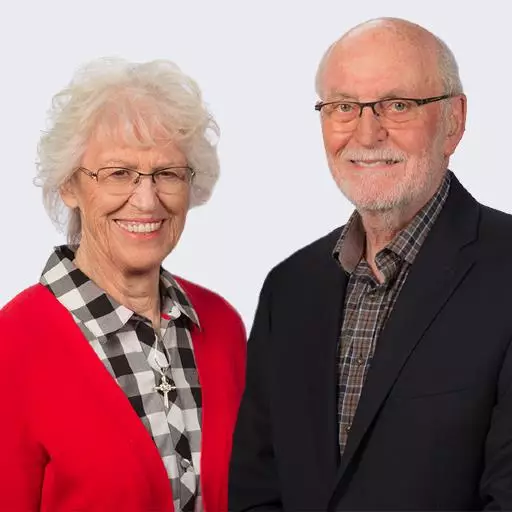
Stuart Briscoe: Today on Telling the Truth, Jill Briscoe shares the message, The Long Walk Home. There's an art to staying on the right road no matter what obstacles lie in your path, but it does depend on the Holy Spirit walking with you as Jill explains in just a moment. Everyone experiences disappointments in life, and when things don't go the way we expect or desire, either tragically or in similar ways, discouragement can become entrenched as we begin to believe destructive thoughts like it's always going to be this way or I'll never overcome this. And when those thoughts are left unattended, they can lead you to despair and cause you to miss out on the abundant life Jesus promises.
That's why we want to help you win the battle against feelings of discouragement by sending you Stuart and Jill Briscoe's five message series, Hope for the Disheartened. In it, Stuart and Jill help you discover why your hope must be tied to trusting God and reliant on his strength and timing. You'll learn that even in trouble times, you have a God who loves you and gives you every reason to look forward with unspeakable peace, hope, and joy. The Hope for the Disheartened series is our thanks for your gift to help more people experience life through the teaching and resources of Telling the Truth.
So request your copy when you give today. 1 800 889 5388. That's 1 800 889 5388 or you can give online at tellingthetruth.org. Now here's Jill Briscoe with her message, The Long Walk Home.
Jill Briscoe: I want to talk about having God on track, God on the right road, what you do when an obstacle comes or you run off the side of the track or you just get exhausted or something happens. We're talking about living in the word, folks. We're talking about taking this book and making it part of us, in our hearts, in our lives, in our thinking, in our doing, in our breathing, in our dreaming, in our sleeping, in our awakenings. The word of God. That's what we're talking about. And we're running a race. We're getting on the right road, right road, wrong road.
Jesus said, I'm the right road, the right road, not a right road. And no man comes to the Father but by me. Remember, many ways to Jesus, only one way to God and that's through Jesus. One way to God and that's through Jesus. And so once you come to Jesus and he gives you his life, then that's the power you need to run the race, to go all the way home. And the word of God that tells us that there are these two roads also tells us that staying on course is a spiritual art. It takes the Holy Spirit.
It's a spiritual art, not a human art. We cannot keep going in this long walk home, in this race home. There's one man in the Old Testament that comes to mind when you talk about walking, and that's Enoch. He lives before the flood. And so apparently longevity of life was a possibility. It was only after the flood that God said your years shall be three score years and 10. And so people were living, if you read all of those Genesis chapters, incredible many years, 800 years. Enoch only lived 300 years. He was just a mere child, little boy.
And he didn't die. It says God took him away. I love that. God just took him away. And it says he walked with God. And it's using the walking as a description of living in the word, if you wish, living in the spirit. He walked with God. And he and God used to have a wonderful time talking together and chatting together and he did it for 300 years. We know this because he's in the Heroes chapter in chapter 11 of Hebrews. What did he do? Did he fight a lion? Did he put an army to route?
Did he rescue somebody and risk his life? Why is he in the Heroes chapter? Because he walked with God. It's the only reason. What's he doing in Hebrews 11? It says that he had faith and he walked with God. God was pleased. And if we were just walking along one day, God and Enoch and it was getting dark, and God says, come home to my house tonight. He did. God took him without death. Wonderful. He walked with God. Oh, to walk with God. You're one of God's heroes if you manage to do that, if you live in the spirit, in the word, and you just finish the course.
God knows our weakness. So what part does the word of God play in this walk, in this longevity that we need to just keep on keeping on until we walk right through the front door into glory. Well, Psalm 119 there are some wonderful words that I learned by heart about a week after I came to Christ because the girl that led me to the Lord was getting me to memorize scripture. Wonderful. Thank you, Jenny. And this was one of the passages and so I know it in the old King James. That 's where I did all my memorizing.
That's all right. How can a young man cleanse his way by taking heed thereto according to thy word? Thy word have I hid in my heart that I might not sin against thee. Thy word have I hid in my heart that I might not sin against you. Praise be to you, oh Lord. Teach me your decrees. With my lips I recount all the laws that come from your mouth. I rejoice in following your statutes as one rejoices in great riches. I meditate on your precepts. I consider your ways. I delight in your decrees. I will not declare your word.
Do you see all those words about the same thing? The word of God. The word of God. And what we're supposed to do is treasure his word. How do we do that? How do we treasure his word? Well, we put it in the heart bank. You've got to get your heart in it. You got to be serious about this, but hide it in your innermost being. Memorize it. Go to sleep on a pillow of scripture. Wake up and say, give me my waking thought as you're coming into consciousness. Give me my waking thought, Lord, before you let your mind start on anything.
And you'll be amazed what happens when I have gone to bed, which I try to make a habit and have all my life with my head on a pillow of scripture, if you wish, saying or reading scripture. I don't have to memorize it and I go to sleep on that. I wake up with it. It's amazing, absolutely amazing, or something to do with it. And so I've hidden it in my heart, heart being soul, mind, all of me, not a little part of it. Treasure his word, bank on it and put it in the bank, bank on his promises.
So if you're going to ask how do I do that, memorize, meditate, it goes all the way through Psalm 119. Meditate, think. Put your heart in it, soul in it. Bring all of you to it. And so David asks a very important question, how can I live a clean life? And basically David is going to be asking God to clean him up, clean up his act, clean up his life. Apparently, if he is writing this when he's young and we don't know he is, he's talking about a young man, how can a young man keep clean?
How can a young man keep pure? He might be looking back on his life or he might just be talking to other young men, maybe his own sons, people in the palace, etc. How shall a young man cleanse his way by taking or living according to your word? There's almost Stuart's text from John 8 31, isn't it? If you live in my word, you will know the truth. You will be my disciples and the truth will make you free. And so here it is again. David says, how can we keep pure? How can we keep on track?
How can we not be diverted by things that we shouldn't be diverted? How can we keep our eyes on the goal and go straight ahead? I've hidden your word in my heart that I might not sin against you. Now how does learning scripture stop you from sinning? Well, of course, scripture doesn't. You stop the sinning. You have to cooperate with the command. God is not going to pick you up and make you do it. That's our part. It 's called obedience. We have to respect authority and do what we're told. Thy word, his word. It's not any old person's word.
This is God's word. So he has like a map. This is like a map. It tells you how to get places. Anything that does that interests me is like a map. This is a map. How are we going to get to the place where we're obedient? How are we going to get to the place of walking on that everlasting road, bringing joy to the Lord's heart instead of sorrow? Is he glad he saved us? Have you ever wondered about that? I read Genesis 6 where it says that God looked down, saw the evil in everybody's heart, and it was only evil all the time.
And he was sorry that he made us or them. Sorry that he made us. How sad. But Noah Find Noah when you get to heaven because of Noah we'll be there, right? But Noah found grace in the eyes of the Lord. Is he ever sorry he made us? Are we like disobedient children just picking a promise and picking a good things that we want and not heeding his commands and his word? Well, this is indeed like a map. Scripture Union I talked about and those people listening in Europe and anywhere outside of America know Scripture Union far better than we do because it's been very lately those Bible reading notes have come here.
They're wonderful. You look, you read a passage of scripture and you look for warnings to heed, a promise to claim, a command to obey, something about Jesus, something about me. And it's very simple. And so you color your Bible green for warnings and blue for obedience and all of this, very exciting. When you open your Bible, it's just wonderful because oh my word, all those all those promises. I always did mine in yellow. And then I've got a whole lot of green which is warnings and I sort of do the promises first and then the warnings.
And and then this blue for commands. And I do those last usually. Yeah. I I just go for the promises. You go just go for the promises. Parents, are you getting your kids in the word or is family devotions like family commotions and it doesn't work in your house? Have a look at that. So treasure his word, hide it in your heart. Bank on his promises. Put it in the bank. Do what you're told. Find out what he wants from you. And I've given you all these references here. I said last week that God knows if you have any intention of doing what he tells you to do before you read.
And you'll get nothing out of your Bible unless you bring a surrendered life to it, a yielded life. Lord, I might be scared. I might not want it. I I probably don't want to listen, but I just need you to know that I will try. And all those words are in here. I've hidden your word in my heart that I might not sin against you. Teach me your decrees. With my lips I recount all the laws that come from your mouth. I rejoice in following your statutes. I meditate. I delight. And then he goes on in the next section to say, I'm trying.
I I really am pushing. So it isn't easy for David. Wasn't easy for him as a young man. Wasn't easy for him to be left out with the sheep. And wasn't easy for him when his older brother was always putting him down. But of course then God was putting him up. And it doesn't matter who's putting you down if God's putting you up, you do all right. You become a giant killer. And he worked all of that out because David said, his word. It's his word. It's what I'm about. You want to know what I'm about?
I am David, king of Israel, but it's his word. That's me. I want to be looked at like that. I want people to look at me and say, there's a woman. And I know what she's about. His word. Living in his word, doing what he's told, revering and respecting him, and realizing that sin offends God. And that there are many facets to the truth. Here's Psalm 19. Wonderful Psalm. First of all, it's talking about the world. The heavens declare the glory of God. The skies proclaim the work of his hands. Day after day they pour forth speech.
Night after night they display knowledge. There's no speech or language where their voice isn't heard. The voice goes out into the ends of the earth, their words to the ends of the world. Remember Stuart said in his first session that God reveals himself through creation, through Christ, the living word and the spoken word. It it says David says just finger work, just just finger work for him. All of this when I just see the stars and what what am I? He sat there as a child and he looked at that magnificent sky in the Middle East where everything is 10 times brighter than anywhere else.
And he was totally overwhelmed with the majesty of God. And then he was conscious of his own sin. Grace. Grace. That's what Psalm 19 starts with, the world declares the glory of God. And then look at this, the word. The law of the law is perfect. Six. The law of the Lord is perfect reviving the soul. The statutes of the Lord are trustworthy, making wise the simple. The precepts of the Lord are right, giving joy to the heart. The commands of the Lord are radiant, giving light to the eyes. The fear of the Lord is pure, enduring forever.
The ordinances of the Lord are sure and altogether righteous. They're more precious than gold, than much pure gold. They're sweeter than honey, than honey from the comb. And by them is your servant warned. In keeping them there is great reward. Who can discern his errors? Forgive my hidden faults. Keep your servant also from willful sins. May they not rule over me. Then I will be blameless. That word means righteous. It means forgiven actually. Then I will be righteous, innocent of great transgression. May the words of my mouth and the meditation of my heart be pleasing in your sight, oh Lord, my rock and my redeemer.
If you want a little bit of homework, take each of those words and it will give you another facet of the word of God. What the word of God is, the decrees, the ordinances, each one has a different slant. If you think of a diamond, if you imagine me holding a diamond and light is suddenly put on the diamond, I am here and I'm looking at these facets of the diamond, just the one the light is hitting. I turn the diamond and there's another facet altogether. And you know what? Another color. And you just turn it again.
There are all these facets. And that's what decrees, ordinances, statutes, laws, that they're all facets of the word of God. And each one benefits us in some way. And each one has that nuance. This is an incredible, incredible book. So we revere and respect him. His word is like a many-faceted diamond. And we need to be teachable and we need to be true. We need to learn from the past and we need to pass on the lessons. Which lessons? Well, the lessons hopefully that we have been learning or even just today from his word. What would you say?
What would have been the one thing or a one thing out of many? What would it have been? Don't discard history. Maybe you have forgotten to remember a truth. Maybe you've just forgotten to remember. Well, remember. Don't forget. It says in the Psalm, don't forget. Don't forget. Don't neglect. And maybe sometime just remember what did God teach you 10 years ago? David talks in Psalm 19 of hidden sin and he means sins I don't even know I'm doing. And many of us need to nail down at the end of the day and confess the ones we do need to confess that we do know we're doing.
And also, Lord, you know all the others that I haven't even a clue I did. Those things that I should have done. Apparently we should confess those things we should have done and we haven't done and those things we have done and we shouldn't have done. And just let the blood of Christ as we walk in the light as he is in the light. His blood goes on cleansing. It's a continual cleansing. 1 John chapter 1. Live in that for a little while.
Stuart Briscoe: Now Jill's here to go a bit more in depth with a few ideas from today's message. Jill, why is it important to take time to memorize scripture?
Jill Briscoe: I think with the internet memorization has fallen on hard times because you can get the answer without remembering it. It's at your fingertips. Um so the facts that you have to learn for an exam you pick up your uh internet helper, whatever it is, your smartphone or whatever, your iPad, and it gives you the answer instantly. So you put it down. You don't then spend time. What does that mean? You got the right answer and you haven't thought it through. If you if you don't think it through, you won't remember it. And um I am on a crusade to use journal and handwriting again.
For example, young moms kids say such cute things. And they call you if you're a grandmother and say, do you know what Johnny said today? And it's cute and it's funny. And over and over again I tell my children when their children were little, long time ago, write it down. Why, mom? Write it down. I bet you if you don't write it down, you'll have forgotten next Wednesday. And that's why we need to write it down. Um if you just put it on your computer, will you ever look it up again? It just gets lost.
And so don't lose the art of writing something out personally in in a personal journal. And it helps you memorize. It helps you to remember.
Stuart Briscoe: Jill, you said today that we'll get nothing out of our Bibles unless we approach scripture with a surrendered and yielded life. How do you do that?
Jill Briscoe: Well, yes, if we read a Bible passage having absolutely no intention of doing what we're told to do, then what do you expect to get out of it? And uh God sees our heart. He sees us sit before scripture. He sees us read it. In that piece of scripture there will be, as I continually say, something to do, a command to obey. There will probably be somewhere in there, if you think and meditate on it enough, a warning to heed. If it's a story in the Old Testament, it might be, Lord, help me never to do that, never to be drawn away by friends who are anti-God.
Maybe that's the story that is applied to your heart. Talk to him about it. Have this conversation uh as you're reading scripture. And you will find that you if you start to gloss over a command to obey, it might be because you don't want to give God that part of your life. Uh if that happens, then God will be silent. If you harden your heart, watch out because one day God might harden it and that's it. Like Pharaoh, he sent Moses. God and Pharaoh hardened his heart. He sent Moses. Pharaoh hardened his heart on and on and on until in the end it says God hardened Pharaoh's heart.
And that should scare all of us. And so if we just let scripture tell us and tell us and we do nothing about it, watch out. You are hardening your heart.
Stuart Briscoe: Thanks for joining us today here on Telling the Truth. We pray today's message has helped you to experience life in all its fullness through Jesus Christ. Here's a note from a listener named Katie who says, I love listening to Telling the Truth in the morning on my way to work when I'm in the car. It helps me have a more spiritual focus to my day. Thanks, Katie. Everyone experiences disappointments in life. And when things don't go the way we expect or desire, either tragically or in similar ways, discouragement can become entrenched as we begin to believe destructive thoughts like it's always going to be this way or I'll never overcome this.
And when those thoughts are left unattended, they can lead you to despair and cause you to miss out on the abundant life Jesus promises. That's why we want to help you win the battle against feelings of discouragement by sending you Stuart and Jill Briscoe's five message series, Hope for the Disheartened. In it, Stuart and Jill help you discover why your hope must be tied to trusting God and reliant on his strength and timing. You'll learn that even in trouble times, you have a God who loves you and gives you every reason to look forward with unspeakable peace, hope, and joy.
The Hope for the Disheartened series is our thanks for your gift to help more people experience life through the teaching and resources of Telling the Truth. So request your copy when you give today. 1 800 889 5388. That's 1 800 889 5388 or you can give online at tellingthetruth.org. We're so glad you've listened today. Be sure to come back next time for more encouraging biblical truths with the Briscoes. Experience life right here on Telling the Truth.
Featured Offer

When discouragement sets in, where can you turn for lasting hope?
In their encouraging 5-message audio series, Hope for the Disheartened, Stuart and Jill Briscoe share biblical truth to help you anchor your hope in God and rely on His strength and timing, even when life feels overwhelming.
We’ll send you Hope for the Disheartened on USB or as a digital download as our thanks for your gift today. Your support helps us share the timeless truth of God’s Word with more people searching for true comfort, hope, and encouragement. Thank you!
Past Episodes
- A Conversation with Pete Briscoe, #GivingTuesday 2018 Special Programming
- A Lifetime of Wisdom
- A Little Pot of Oil
- A Modern Day Disciple
- A Portrait of Jesus
- A Two-Sided Coin
- A View from the Porch Swing
- Addressing the Issues
- After I Say "Yes, Lord"
- Alive and Free
- Anchored and Moving Forward
- Anchored in Genuine Prayer
- And He Shall Be Called
- Ask and Bask
- Be a Witness
- Be Wise
- Believing What We Believe
- Believing with Confidence
- Better: A New and Living Way
- Beyond Ordinary
- Body Language
- Brave Enough to Follow
- Breaking the Grip
- Building a God Honoring Church
- But What Did Jesus Say About It?
- Carry On
- Celebrating Marriage and Family
- Changed by Christ
- Cheerful Godliness
- Choosing
- Christianity Q&A
- Comfort For Troubled Hearts
- Confronting the Enemy
- Conversation with Pete Briscoe, #GivingTuesday 2019 Special Programming
- Conversations with the Briscoes
- Conversations with the Briscoes 2016
- Coping with Christmas
- Easter in My Heart
- Eight Things that Make a Marriage Work
- Empowering the Next Generation
- End Times: What's Going On?
- Enjoying the Good Life
- Entrapment
- Everness
- Every Soul Needs a Break
- Everyday Disciples
- Everyday Jesus
- Experiencing God
- Experiencing God’s Love on Life’s Journey
- Experiencing Peace
- Extraordinary Marriage
- Facing God in Your Loneliness
- Facing Jesus in Your Loneliness
- Faith Enough to Finish
- Faith With Boots On
- Faith, Hope, and Love
- Families Made New
- Family Business
- Family Values
- Fathers
- Feeling Alone
- Fight for the Family
- Fighting Unseen Forces
- Finding Contentment
- Finding Freedom in Your Finances
- Finding God
- Finding God's Will For Me
- Finding Happiness
- Finding Healing
- Finishing Strong
- For People on the Grow
- Freed by Forgiveness
- Freedom
- Frontline Christianity
- Getting Ready for Christmas
- Go Ahead and Ask
- God Has a Plan - and We're Part of It!
- God in the Shadows
- God of Wonder, God of Worship
- God Promises
- God's Design for Marriage
- God's Love For Us
- God's Perfect Gifts
- God's Unfailing Love for You
- God's Will for My Life
- Good News, Great Joy
- Grace in the Garden
- Grace to Go On
- Great News, Great Joy
- Growing the Fruitful Life
- Growth of a Soul
- Have No Fear
- He Came to Give Us Life
- Healing Broken Relationships
- Hearing the Holy Spirit's Voice
- Heart Hunger
- Here Am I, Send Aaron
- Heroes of Faith
- Heroes of the Faith
- Hidden Treasures
- Hope for the Disheartened
- Hope for Your Marriage
- How Much I'm Loved
- How the Story Ends
- How to Be Up When You're Down
- How to Face a New Year
- How to Live a Productive Life
- How to Pray for Your Pastor
- Identity Defined
- I'm Not Who You Think I Am
- Immanuel - God with Us
- Impacting Our World
- Improving with Age
- In God We Trust
- Inside the Box
- Lessons from the Boy Jesus
- Let Your Light Shine
- Let's Do It God's Way
- Let's Talk
- Life Lessons
- Life that Works
- Live Life in Gear
- Live Like You Mean It
- Living Above the Circumstances
- Living in a Messed Up World
- Living in Exile
- Living in the Word
- Living in Uncertain Times
- Living Love
- Living One-Mile High
- Living the Life
- Living to Fight Another Day
- Lost and Found
- Love One Another
- Making God Smile
- Making Him Known
- Making Marriage Work
- Making Room for Him
- Making Sense of Signs
- Making Sense of Suffering
- Making Your Life Count
- Marriage Made New
- Mary's Little Box
- Meet Him at the Manger
- Modern Marriage
- More Effective Prayer
- Mother's Day
- Peace in the Puzzle
- Perfect Peace
- Pondering Christmas
- Powerful and Effective Prayer
- Prayer School
- Prayer That Works
- Praying for the Family
- Pulling Together
- Searching
- Secrets of the Heart
- Secrets to a Successful Marriage
- Seeing Jesus in the Old Testament
- Seeing Through Suffering
- Sermon on the Mount
- Settling for More
- Settling for More in Work
- Sexual by Design
- Shaking Up Your World
- Shelter from the Wind
- Six Things a Mother Can't Do
- Six Things We Must Never Forget
- Six Ways to Get a Life
- Slaying Giants
- Solid Ground
- Spirit-Powered Living
- Spiritual Arts
- Spiritual Renewal
- Staying Spiritually Sharp
- Sticking Together When We're Pulled Apart
- Sticking with It When Faith Seems Hard
- Take 5: A Christian Point of View
- Taking Jesus Next Door
- Teach Us to Listen
- The Answer Is Yes...Now What's the Question?
- The Answer to Anxiety
- The Awesome Power of Encouragement
- The Balancing Act
- The Barrenness of Busyness
- The Best of 2010
- The Best of 2011
- The Best of 2012
- The Best of 2013
- The Best of 2014
- The Best of 2015
- The Best of 2016
- The Best of 2017
- The Best of 2018
- The Best of 2019
- The Best of 2020
- The Best of 2021
- The Best of 2022
- The Best of 2023
- The Best of 2024
- The Book of Romans
- The Cross of Christ
- The Cutting Edge
- The Devoted Life of Daniel
- The Difference Christ Makes Today
- The Empty Tomb
- The Essence of Christian Living
- The Essence of Worship
- The Fatherhood of God
- The Good Life
- The Gospel
- The Gratitude Attitude
- The Healer
- The Heart and Soul of Friendship
- The Heart of Christmas
- The Heartbeat of the Master
- The Holy Spirit
- The Holy Spirit and You
- The Innkeeper's Daughter
- The Last Word
- The Life I Now Live
- The Meaning of Love
- The Names of God
- The New Normal
- The People and the Book
- The Power to Change
- The Search for Answers
- The Squall: Weathering the Storms of Life
- The Steeplechase
- The Visitor
- The Woman at the Well
- Thinking Clearly in a Messed Up World
- Thirsty for Living Water
- This Is Big
- Thoughts from a Woman's Heart
- Time Bandits
- To Love and to Cherish
- Triumph In Trouble
- Triumph Over Temptation
- True Identity
- Truly Centered
- Truth for Troubled Times
- Turning a Kind Eye
- Two-Thirds of the Way
- Weathering the Storms of Life
- What About Those Who Have Never Heard?
- What Did Jesus Do?
- What Do You Give When You Have Nothing to Give?
- What Happens When We Die?
- What Is God Really Like?
- What Really Happened on the Cross
- What the World Needs Now
- What to Do While Your Life is Happening
- What Will Jesus Do?
- Whatever Happens
- What's So Special About Easter?
- When Will Christ Return?
- Where to Find Help
- Who Are You God?
- Why Christ Came
- Why Church?
- Women in the Life of Jesus
- Women Who Changed Their World
- Words to Live By
- Worry-LESS
- Worship and Prayer
- Worshipful Living
- Wrestling with God

Featured Offer
When discouragement sets in, where can you turn for lasting hope?
In their encouraging 5-message audio series, Hope for the Disheartened, Stuart and Jill Briscoe share biblical truth to help you anchor your hope in God and rely on His strength and timing, even when life feels overwhelming.
We’ll send you Hope for the Disheartened on USB or as a digital download as our thanks for your gift today. Your support helps us share the timeless truth of God’s Word with more people searching for true comfort, hope, and encouragement. Thank you!
About Telling the Truth
Telling the Truth is an international broadcast and internet ministry that brings God's Word into the lives of people all over the world. Stuart and Jill Briscoe are the featured Bible teachers, encouraging and challenging listeners to study the Word of God and be drawn closer to Christ. Gifted with wisdom, discernment, and a bit of English humor, the Briscoe's bring God's Word to life. With distinctly different teaching styles, you'll be moved by the emotional appeal of Jill and the compelling logic of Stuart, as they boldly proclaim God's sovereignty, grace, and love.
About Stuart and Jill Briscoe
Stuart Briscoe was born in the north of England in 1930. After leaving school he embarked on a banking career, served in the Royal Marines during the Korean War, and at 17 years of age preached his first sermon. Stuart ministered on every continent, wrote more than 40 books, pastored a church for 30 years, and founded the media ministry Telling the Truth, which broadcasts daily worldwide. He was married to Jill for more than 59 years and had three children and 13 grandchildren. In August 2022, Stuart passed on to his heavenly home, but his legacy of witty, timeless teaching lives on through Telling the Truth.
Jill Briscoe was born in Liverpool England in 1935. Educated at Cambridge, she taught school for a number of years before marrying Stuart and raising their three children. In addition to sharing with her husband in ministry with Torchbearers and in pastoring a church in the United States for 30 years, Jill has written more than 40 books, traveled on every continent teaching and encouraging, served on the boards of Christianity Today and World Relief, and founded Just Between Us, a Christian magazine for women. Jill can be heard regularly on the worldwide media ministry called Telling the Truth. She is proud to be called “Nana” by 13 grandchildren.
Contact Telling the Truth with Stuart and Jill Briscoe
info@tellingthetruth.org
Mailing Address:
Telling the Truth
12660 W North Ave
Brookfield, WI 53005-4633
Phone Number: