
Sound Doctrine
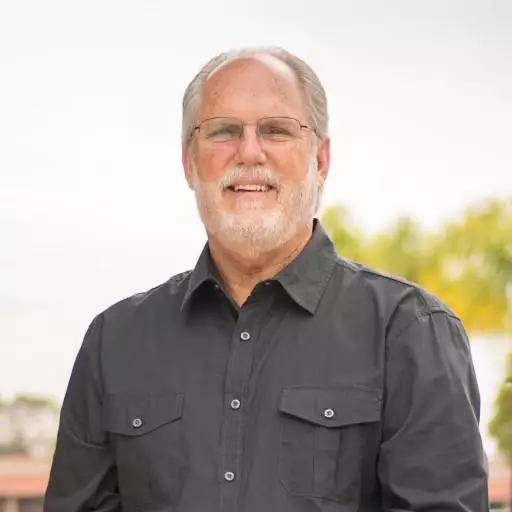
Jeff Johnson
Galatians 3 1-5 part 2


We have a big problem. The only way to get into heaven is to be perfect. And that’s an impossible goal. Our problem with perfection was solved by Jesus. He paid the price to perfect us before a holy and perfect God. Isn’t that awesome? However, there are some people who still try to get to heaven by being “perfect”. It simply won’t work. The members of the church in Galatia had a similar issue.
Guest (Male): Book learning is a good thing most of the time, but oftentimes it gets in the way of a complete relationship with God. Here's Pastor Jeff.
Jeff Johnson: You went through this class and you got this degree and you got this plaque on your wall and whatever. It can be just flesh and that's it. God can use what you've learned over the years and the schooling and all and he can direct it his way. That's when it becomes powerful and that's when you start to realize it's him. It has nothing to do with me cuz I know who I am what I am. I'm a sinner. He's God and he's able to take this piece of junk and do something with it.
Guest (Male): Calvary Chapel Downey welcomes you to Sound Doctrine with Pastor Jeff Johnson. We have a big problem. The only way to get into heaven is to be perfect and that's an impossible goal. Our problem with perfection was solved by Jesus. He paid the price to perfect us before a holy and perfect God. Isn't that awesome? However, there are some people who still try to get to heaven by being perfect. It simply won't work. The members of the church in Galatia had a similar issue. Here's Pastor Jeff with the study in Galatians chapter 3.
Jeff Johnson: So don't be stupid. Guys, you begun in the spirit. You believed and received him in faith. You became his child and you're enjoying all the things that he's done. One of the favorite verses of my pastor, Pastor Chuck Smith, was this one right here. This was one of his favorite you you would hear him speak of it often. Why? Because it's a great concern. So after being totally redeemed, converted, transformed and empowered, baptized in the Holy Spirit, after all that God has done, you think you can complete this work in the flesh? And yet how many are so deceived that they just say, you know, I'll take it from here, Lord.
Thank you so much for all that you've given me and I appreciate it so much. It's great to be a Christian, but I'll take it from here. I can I think I can handle it from here. I think I've got the Christian act down, okay? I I think I got it figured out and um I'm good. Danger. You start to strive in your own strength and then you start that whole thing of earning and deserving in your thought life. This is something that's earned and I can do it. This is something that's deserved and I will do it because I deserve it.
You know what I mean? You just get caught up in the flesh. Paul asks, after you were saved baptized in water, and what is baptism of water? We already talked about it. An outward show of an inward work. It has nothing to do with salvation. The thief on the cross, did he get s- baptized? No. What did Jesus tell him? Today you'll be with me and where? Paradise. So whoever made that whole thing of you got to be water baptized to be saved, they're not reading their Bibles. They're not understanding the difference b- between works and faith, are they?
See, we can get caught up in it real quick and I'll tell you something. We don't have the energy to serve God that way. You'll burn out. Anybody burn out? Any come on, be honest right now. You ever expected uh ever you know experienced burnout? There are many of you. And the others, you don't want to you don't want to say cuz we we all go through it. And that's flesh. You came just as you were. What were you? A sinner. Hm. To now do your own thing is what Paul's suggesting here. Remember how you cried, save me Lord, deliver me.
Redeem me, fill me, save me. You began in the spirit. There was no flesh involved. Now you're making promises. Lord, let's make a deal. If you I mean I'm going to start really fasting and praying and if you you know would would you just get me that Mercedes? I will take people to church every day. You know we start making deals with God trying to figure it out and how can I get God to do this and it's crazy. I'll pledge to you that I'll get my act together. I'll really work hard, God. He's going all no, another failure.
Who's going to work hard? I'll go to door-to-door. Oh. Wow. But we came as sinners. We came as a child. This is how we began. Humble students walking humbly before our God just wanting to learn what happened. Well, I learned enough. I I know the Bible pretty well now. I can take a leave of it. Believe me. I've got it down. I 've got so many scriptures memorized. And first church goes, you know, I can yeah. You know I I can have some of my own time and I can just I don't need to go there regularly.
You know I don't want to become a monk or something, you know. I don't want to I I I don't need that. But see, you've lost the teachability. You've lost the hunger and now you're now you're playing. Now you're in danger of forsaking this yourselves gathering together as the manner of some is today. They're not here with us right now. What are they doing? What's going on in their lives? And I think if we looked into each one of them that kind of drifted, they're in the impact zone. They're getting dealt with. It's not easy.
They're freaking out, okay? Why would you leave the path of humility and brokenness? Remember what the Lord says, James 4:10? Walk humbly before me. If you walk humbly, I'll lift you up. I'll bless you. I 'll use you, but you must walk humbly. John 1 John 1:7. If you walk in the light as he is in the light, we'll have fellowship one with another and the blood of Jesus Christ cleanses a man or woman from all sin. That's the way we're to be walking humbly fellowshipping being with one another gathering together. And you think you're going to be perfected, completed, matured by your old nature by you just doing what you used to do your own fleshly energy by your rules, your way.
I say no way. And God says no way. We don't have it within us unless you're depending on the Holy Spirit which God has given us. Then we have it within us. I love that scripture in Zechariah 4:6. Zechariah 4:6 is just the Zechariah coming to Zerubbabel who was given the order to rebuild the walls of Jerusalem. When he got there, he saw the rubble. He saw the catastrophe. He saw the destruction. He saw the how am I going to do this? It's like how do you eat an elephant? Start at the tail. But I mean he was overwhelmed by the whole thing but and then Zechariah came to him and said, hey Zerubbabel, you you can't do this in your own power, in your own might.
Don't even begin to go there. You don't have enough power. You don't have enough might. But it And then he s- gives the scripture in Zechariah 4:6. He says it's not by power and not by might, but by my spirit, says the Lord. Things are going to happen. And the Lord God is a attention. And he watched God do the work that needed to be done and he got to be a part of it and he got to be, you know, just watching it and in his presence and it's so exciting when we just stay in that special spot where he's pouring it out upon us.
We are saved by the spirit of the Lord. We are empowered by. We are given hope by. It has nothing to do with flesh through faith not of the law. So it's our reasonable service, if you ask me, to continue in the spirit. Right? Why would you want to continue and go or go back to the flesh and try to do it in self? You began. So now continue and I believe we'll grow in his grace and in his knowledge. You're in good hands with the Lord and he that started the work in your life will finish it until the day of Jesus Christ.
You can count on that. He's a faithful God, okay? So look at verse 4 going back to our scripture. Verse 4 says, have you suffered so many things for nothing? If it be yet in vain? You have already gone through and suffered so much persecution, so much pain, so much hurt. Now you are in the spirit and you've experienced because you're in the spirit so many awesome spiritual victories. Don't let it be for nothing. Don't go back to that natural mind or that leaning to your own understanding. Don't go there because God's taking you out of there and he's saying trust in me, look to my word, have faith in God.
That's what's important. So our final verse this morning, verse 5. He therefore now you know I kind of wonder who's he? Could it be it could be the Lord and it could be pe- people in the Lord, okay? So he the Lord, people in the Lord, therefore that ministers to you the spirit. The Lord definitely gave it to us, but we can pass it on to others, can't we? By teaching them, sharing with them about the Holy Spirit. And worketh miracles among you. Doeth he it by the works of the law or by the hearing of faith?
Another good question with Paul. All the gifts of the spirit and there's so many. If you want to take a travel down gift lane and understand your gifts, understand what special gifts God's given to you personally, individually. I did a whole series through 1 Corinthians chapter 12, 13 and 14. Took our time, went through every gift there and went elsewhere throughout the scriptures, the even the Old Testament and talked about all the gifts and what gifts you have and how you can start moving in them. There's so many. Gifts of the spirit. But it has no value if we try to do it in ourselves.
Well, I'm gifted. I have abilities. I have a good brain. I can come up with stuff. Well, sure you can, but do you want God's hand upon that? Cuz we can come up with stuff and with junk. Yeah, but you know I'm pr- I 'm smart. I'm smart, you know. I know I c- I I I 'm educated. Man, that that'll stumble you and it'll mess you up. Cuz again, you went through this class and you got this degree and you got this plaque on your wall and whatever. It's it c- it can be just flesh and that's it.
God can use what you've learned over the years and the schooling and all and he can direct it his way. That's when it becomes powerful. And that 's when you start to realize it's him. It has nothing to do with me cuz I know who I am and what I am. I'm a sinner. He's God and he's able to take this piece of junk and do something with it. I was a spittoon, but now I'm a flowered vase, you know. The work of his handiwork, you know. I mean he changes us. So the spirit of God all is there for us to thrive.
He gives us his gifts. And we need to understand those gifts because you'll see that his gifts merged with our abilities is a blessing to everyone directed by him. You know it takes two parents to have a child, right? It's the same with the kingdom of God. It takes two, the spirit of God and the word of God. All is there for us to thrive. It's there. It's waiting. There's nothing missing. We're not lacking. Guys, look at the source of God's work in your lives. Who is really and truly doing the work as you call yourself a Christian?
God's given you everything that's good in your life by his spirit. Our very strength, our very power is by the Holy Spirit through faith, trusting in God letting God guide our path even in when you wake up in the morning, say God go before me this day. I don't know what's coming this day. You don't know what's coming this day. Only he knows. So prepare me for the day, Lord. Give me that which is sufficient for me today. So this whole thing of obedience to Christ as we lay hands on one another, pray for one another God is working miracles among us.
There are miracles taking place. A lot of time we don't see it. You're given the the the word of wisdom to somebody and you just all of a sudden you speak it. You don't even you didn't even remember you but they remembered and when you gave it, they went that's it. And they began to go that way. The word of knowledge. You give just a little little time of talking with someone. You give them a word of knowledge. You didn't see it. They got it and it changed things. There's ways that God uses sometimes we don't see it.
That 's why we need to learn what is our gifts. It's important. But he's working miracles by his power. Spiritual riches are not through a works relationship. It's just not there. You can't have a works relationship, a law relationship. What we have is a love relationship. His spirit moves upon us and that's our motivation. We're moved on. It 's the love of God that that compels us to go that got you here this morning. Don't you realize that? It's the love of God which is in Christ Jesus which we have within us that that hungers for more cuz there needs to be more change.
I'm not a completed thing yet. I'm complete in him, but I'm not I'm growing. I'm maturing spiritually. We all need to understand that. Instead of this works thing, I alway- I've studied enough. I know enough. I'm ready. I got my act together. So no no no. Remember chapter 3 verse 3. Are you so foolish foolish having begun in the spirit and now you're going to be perfect or complete by the flesh? Come on. Don't go there. This is an important choice to make. Blessed you're going to be blessed by your works and what you've done or by faith and what he's done.
Will you earn and deserve your blessings from God or will you have faith and believe and receive them through the Lord? I think through the Lord is a better way to go because the other is flesh. I don't want to live in the flesh. I I don't need the pat on the back and the rewards from people. And we like it. We like to hear it. But Lord, help us to not believe the press. You know, help us to believe you and what you say about us cuz we know better. So you shall be my witnesses.
I like that. Paul's questions I think help those who are not under the spout where the blessings come out. You're you're falling short. You're not receiving what others are saying, how their walk is and and you're kind of jealous at at times because they just they're always telling you about how God's answering their prayers and you're going, yeah, shut up, you know. I don't I don't need to hear that, man. I'm always praying and nothing's happening, man, you know. You can get really bummed. Come on. And you just seem to be missing it. Maybe it's because you're doing it in self, trying to earn it trying to do devotions and witness if I can just do this or works instead of standing in faith.
Jesus said, he who comes to me I will now wise cast out. You see, the important thing is we follow him. We come to him. It's like that you know, you don't put new wine into old wine skins cuz they'll just and they'll blow up. You know, so that the old wine is the flesh. Give us new wine, Lord. Give us that new wine that new baptism of the Holy Spirit, that new coming upon by the power of God. We need to come asking fill us fill us full, Lord. I don't want to go the way of the world.
I don't want to be filled with the wine of this world. No, Lord, I need your Holy Spirit. But be being filled with his spirit so we can be confident in him. Remember Zechariah 4:6. By my spirit, says the Lord, this is going to get done. Period. So it's not about what we've done, but what he's given to us. Let me just share a few more scriptures in John. Write it down. John 16 in verse 7. Nevertheless, I tell you the truth, Jesus says. It is expedient for you that I go away. For if I go not away, the comforter, the Holy Spirit will not come unto you.
But if I depart, which he did he ascended up into heaven I will send him to you. Thank you, Jesus. Thank you for sending yourself by your spirit to me personally for being my own individual personal Jesus. I I can sing that song. He walks with me and talks with me through life's narrow ways. And then there's that scripture in Romans 8 verse 16. He says there, the spirit itself bears witness with our spirit that we are the children of God. I love that because his spirit deals with our spirit. Our spirit was at one time dead.
We didn't talk about spiritual things. We didn't care about Jesus, the Bible. We didn't discuss that stuff. And usually guys on the job site will say, hey I don't talk about politics or religion, man. You know, just keep it simple. They don't want to go there. Man basically is body soul and spirit. The spirit is dead. But what look what reigns. The body his flesh. When Jesus comes in, there's an inversion that takes place. It flips and now it's spirit soul and look where the body is. I love it. It's under control of my soul, my thinking of God's spirit that quickened my dead spirit and made it alive and now I can believe this book and take it to heart and see reality in the miracles and the faith and the power of God.
Before I couldn't do that. So our expectation, our motivation our consecration, our salvation is in him and with his spirit in us. So God help us to stay in the spirit because he wants to send us. Whether it's just on the job site, whether it's in a to a neighbor or whatever, he wants to send us. He wants to pour himself in us and he wants to enable us to be his witnesses. And he's all we need. Because if we're going to stay in the spirit we're going to stay in the word. If we're going to stay in the word, we're going to be filled with God's direction.
And when you're filled with God's direction, you automatically become a witness for him to those around you because you're going to stick out. Let alone you got the seal right on you. You know, you're marked. When you receive Jesus Christ, you're a marked man or woman. Marked with the mark of God. That's the best mark to have. And but then people are saying, okay you say you're a Christian, I'm going to watch you through the days, the weeks, the months, the years. I'm going to check you out and see where your faith is. Where is it?
Guest (Male): Good question. Remember that well-known saying, you might be the only Bible someone ever reads. This is Sound Doctrine and Pastor Jeff Johnson will be back in a moment with a closing thought on today's message in Galatians chapter 3. Galatians is filled with challenging insights for Christian living and if you'd like to hear this study again, simply go to sounddoctrineradio.org sounddoctrineradio.org or listen through the Sound Doctrine podcast app. You can also hear Sound Doctrine on oneplace.com and wherever you enjoy podcasts including Apple Podcasts and Spotify. We'd appreciate your support of this radio ministry. It helps us do what we do each day.
And you can donate to this radio outreach at sounddoctrineradio.org sounddoctrineradio.org. Now let's bring today's program to a close with a quick glance at 2 Corinthians chapter 4 with Pastor Jeff.
Jeff Johnson: Let me end with this scripture in 2 Corinthians chapter 4 verse 7. Paul said, but we have this treasure in earthen vessels in this flesh that the excellency of the power may be of God and not of us that he would be seen in us. That people would not taste of Jeff. They would taste and see the Lord is good. That's the most important thing. We have a treasure within these earthen vessels. What is the treasure? It's Christ then him crucified. It's the resurrected life. It's the spirit of the living God that comes upon us.
Guest (Male): We hope you'll join us for our next study in Galatians here on Sound Doctrine with Pastor Jeff presented each day by Calvary Chapel Downey. Have a blessed day in the Lord.
Featured Offer

Access an extensive archive of messages from Pastor Jeff Johnson
Past Episodes

Featured Offer
Access an extensive archive of messages from Pastor Jeff Johnson
About Sound Doctrine
A weekday radio program featuring the verse by verse Bible teaching of Pastor Jeff Johnson broadcasted throughout the United States and abroad.
About Jeff Johnson
Jeff Johnson is the senior pastor of Calvary Chapel of Downey, California since 1973. The emphasis within his ministry is a verse-by-verse study of the Word of God, giving its full counsel. His influence has experienced a steady and substantial growth over the years with people of all ages. Calvary Chapel of Downey has grown to average weekly attendance of more than 9,000. Teaching seminars, Bible classes, home studies, various training programs, mission outreaches, as well as a Christian Elementary & Jr./Sr. High School, and Bible college meet the needs of this large body. Calvary Chapel's impact is growing from Southern California to virtually around the world. His wife Karyn supports Jeff in his ministry.
Contact Sound Doctrine with Jeff Johnson
Mailing Address
Sound Doctrine Radio
12808 Woodruff Ave.
Downey, CA 90242
Telephone
(800) 353-7553
(KWAVE - 107.9FM)
(562) 803-6501
Southern California 2:00 pm