
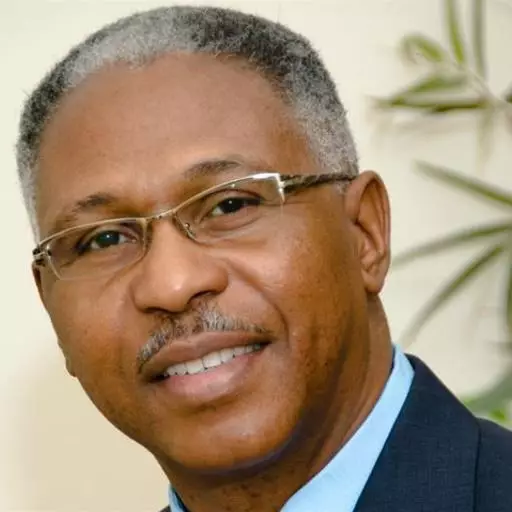
Be Angry and Sin Not


Character Builders for Tough Times - Part 1
Sincerely transcriptionist, I have processed the audio to create a clean verbatim transcript as requested. I have identified the speakers, applied the specific formatting for speaker tags, and broken Dr. Paul Cannings' message into natural paragraphs for readability.
Guest (Male): Welcome to the Power Walk Ministries broadcast. Today, Reverend Paul Cannings begins a new series called Character Builders. There is so much anger in our communities these days with the political, social, and economic situations we're all dealing with. In addition, we may hold on to anger from wrongs committed in personal relationships, and we even ultimately blame God for negative situations we find ourselves in. But Reverend Cannings urges us to heed the warning in Scripture about the consequences of harboring anger and how we can handle it. His message today is, "Be Angry and Sin Not."
Dr. Paul Cannings: We're living in some troubling times and there's a lot of anger. Many times, I understand our anger. I understand that frustration and the church many times is very silent about it. Even Christ when he was accused of being Beelzebub, he spoke up. There's times when he would go into the temple and he would see the corruption attached to the money changing tables.
The corruption that was there at where persons would take in an offering. Sometimes they traveled miles, poor people, traveled miles. They set up fences around that sacrificial animal to make sure that no one ever touched that sacrificial animal in violation of the Levitical law. And then when they get to the temple, the priest would say, "It's not a good animal." So now they have to go outside and they have to take whatever money from whatever country they were in and get it exchanged. And the person would charge them this humongous amount of currency exchange, and then the priest would get a cut when the animal was just fine.
And Jesus Christ lost his cool, as it were, turned tables upside down because it was so corrupt. The Bible says he would be zealous for the Lord's house, and he was. So sometimes when we look at the times that we're in and we see this corruption that has taken place, there is evil that has happened. How as believers does God expect us to function during these times? At the end of the day as Christians, we have a responsibility. And how in that responsibility as believers, still speaking towards the causes that are out there, that are justifiable causes that are out there, that we must maintain our witness and our commitment to Christ?
Well, there's no different than what was taking place in many books in the Bible. Jews were treated horribly as they went to certain places. The book of James talks about anger. Zealots developed because they were being mistreated because they wanted to keep their customs, their food, their ceremonial laws, and people didn't put up with that. And so you had them treating other people, sometimes Gentiles, like dogs there in their country. So you had all kinds of issues taking place.
You have the issue of Peter, 1st Peter. You have Nero, who didn't like the Christians and they had to worship in caves and hide in homes. That's where we get the fish on the back of cars from. You draw it in the sand, the person next to you draw the bottom part, and then those are the person is saved. If not, you're before lions. You're being burned at the stake. So all these things are taking place and there's frustration with it because you want to know where is God? Why doesn't he stop this? We're seeking to follow God, seeking to do His will, and look at what we're dealing with.
None of these things are absent in biblical history. You got the Jews in Egypt. They now got Moses coming in there saying he is going to rescue them. And then the people say, "Well, go find your own straw." And now they have to deal with that. So you have these situations taking place where the rich will abuse the poor, and you got all kinds of issues that Amos has to speak against. Habakkuk is struggling with the sin that has taken place smack-dab in the temple and he cries out to God.
All these things have happened throughout biblical history so there's no way we should be silent as believers when these times come. But how do we operate? What kind of an attitude should we have so in the midst of addressing these issues we don't lose our testimony? So we first address it attached to what becomes natural during these times: anger. Anger. It becomes a natural thing during these times.
And we look in Ephesians chapter 4, verse 26, because many times anger is condemned and it's not true because God got angry many times in the Bible. You find it in the Old Testament, the people in the wilderness murmuring, grumbling, complaining. He got angry. Jesus Christ got angry with the tables as I just explained. So anger in itself cannot be sinful because God got angry and he's saying that as a normal emotion. That is an emotion that is a part of being a human being that he gave to us.
So when he comes here in verse 26 and he's trying to get us to move away from the old man, he says, "Don't follow the old man. Don't follow the futility of our thinking." And he's driving us in that direction. From verse 20 on, he says we did not learn Christ this way. We must focus on our conversation and watch how we function in a renewed mind and walking in the spirit and putting away the old man and not lying and all these different things.
So he's trying to get us focused from Ephesians chapter 3 of living spiritual before God. Chapter 4, growing up into the fullness of God, because God has given us everything we need for spiritual maturity in chapter 1, verses 3 through 4. And we've been saved by the blood of Jesus Christ, chapter 2. So when we come to chapter 4, we should be focused on spiritual maturity at such a high level that we should not go back to the old man. We have too much inside of us to give us the inner strength and the inner power to move forward.
So as a result of that, since we do, let's move towards that direction. But there's some human parts of us that we need to consider in that process, and that is anger. Now, he comes to this and he uses a word here that just would make you really cringe on the inside because you would not expect to find this in the scriptures when you look at this. He says, "Be angry." The word "be" here means you're doing something that you can continue to do because of how you feel on the inside.
And when we feel this anger, when we feel this frustration, it's a high emotion he's talking about. The high emotion of anger is depicted in their day of a dragon having fire blowing out of its nose because it's just full fury of emotion. And so it's just ready to consume whoever's in front of it. He's talking about that anger. Wrath is different. Wrath is when we are throwing things around, literally throwing the pots and the spoons and picking up a knife at somebody, and that moves to wrath.
So he's not talking about wrath. He's talking about anger. Anger is just a high emotion that a person feels. Christ was angry. He responded to the tables. He was just in turning the tables over because they were corrupt. And in his zealousness for the temple of God and the things of God, he turned the tables upside down. So when we come here in verse 26, he says, "Be." Be the thing that you feel. There's nothing wrong with being what you feel because it's human, it's normal, it's an emotion that God gives.
He says be that, be angry. He says, let it go. Some people when they suppress anger, suppress anger, suppress anger, it comes out vicious. Or it moves to depression. So he's saying when we get to a point where what we are dealing with is a situation that would make us angry, let's just give you one example. When the opioid situation took place, there's all kind of clinics they were developing, all kind of different mechanisms to help people, which they need to do.
But when there was crack cocaine in the urban community, when that crack cocaine spread and destroyed many lives, there was a war against drugs. There was a lot of building up of all kinds of jail systems and all kinds of people were put in jail, three strikes you're out, all kinds of things. It was not a sense of treatment centers and all these different things to help the people in the urban community. No, they came with police officers that are well-armed to take care of the problem.
So that's the difference that has taken place in the community that has to be addressed. And when people see this and they see the high level of incarceration that led to people now functioning, in some cases, in some cases, as criminals, it angers them. The Bible says because those things did take place and facts prove that they did happen, that we need to come to those situations and yes, be angry, but he says we cannot sin.
What does he saying with that? Sin is to know what to do and to not do it. It is a decisive act. In other words, the person clearly knows that God says that we must love. He says to not love, 1st John chapter 2 verse 9 through 10, is to not know God because God is love, chapter 4 verse 7 through 12. So he's saying if a person doesn't love, they live in darkness. So they don't walk in the light, chapter 1 verse 5 through 7.
They turn off the word of God. They turn it off. Their emotions have gotten so high, they decided that, "You know what? I'm going to literally just forget the word of God, do what I feel like doing. I'm going to let my emotions take this thing over and go in the direction I choose to go in because this situation is just making me so mad. And I feel like I'm just in making me mad. So I'm going to go and start tearing up people's businesses, burning things, shooting at the police, throwing bombs, all these different things."
"I'm going to do because I have a reason because of all the things that have been done, all the people that have been shot, I got a reason to go out here and do this." The Bible is saying no, no, no, I don't have a reason. He literally says in this passage when you look at the verb "angry," it's a verb, it's the present tense imperative. He says, "Be angry." He's literally commanding us when we feel it to be angry.
And he's saying in it, the present tense, meaning make it a habit. Anytime this feeling comes, make it a habit and I command you to let it go. He's not saying to stop it. So I don't care, you could go into the Greek, look at the text, follow the proper expositional structure, do your exegesis, you come out this way. He commanded us to let that emotion go. But he says guard it. Guard it in the sense that when it comes out, I should not violate the word of God in how I approach my brother or sister in Christ because then it is sinful.
The anger that is a normal natural emotion when someone is going through social injustice, when someone goes on a job and they've worked their hardest ever, but the boss is not a fair person and mistreats them on that job, and they're frustrated and angry, he said that's justifiable. Go ahead and be angry. You feel angry, he says I command you to let it out, but don't sin. Don't sin. Now he's going to work out for us also in this text what the sin looks like.
How do we now when we're angry operate so that Christ is still glorified? When Christ finished turning the tables upside down, he didn't come out being negative in his focus with God. People understood that Jesus Christ is zealous for God. They know the tables were evil and they understood within their culture that this is something that happens to people who are wicked and evil. So he did what was right. It was justified based on the scriptures and Jesus Christ came out more as a person who was zealous for his Lord rather than somebody who became a bad testimony for God.
So we come to this process. There is a structured process forward that eventually helps our anger to become productive so that the glory of God works for us in solving the issues that are there because it is done in a way that brings God glory but yet it gains the attention that brings change. As we continue through this series, we will learn how to be angry and sin not. Stay focused.
Guest (Male): That's Dr. Paul Cannings differentiating righteous anger from the ungodly wrath that we can easily allow to fester inside of us. Let's take stock and deal with the anger that might infest our lives before it's misplaced on those who had little or nothing to do with it, or before it turns into depression. Friends, you can obtain a copy of this message or the entire series by logging on to our website at powerwalkministries.org. That's powerwalkministries.org.
And while you're there, you can learn more about Power Walk and prayerfully consider becoming a Power Walk partner with us. Won't you join us in our efforts? You can also call us at 281-260-7402.
Dr. Paul Cannings: You know, I had someone walk up to me the other day and say, "Hey, you so blessed me when I listen to the station and feed off the word that God has placed through you." Oh, that means so much. I had a person say to me, "Hey, you saved my marriage. I was really going to walk out on my wife. You saved my marriage." Oh man, that moved me to keep pressing on in developing this ministry.
I pray folks that you would support our ministry and become a part of it and share with us in the resources that we have, because that goes to the support of this ministry. Pray for us. Please, I sincerely mean that, pray for us. You share the word with other people and that you will become a partner, a regular partner with us. We would send you resources as a result. All you have to do is go to our website, powerwalkministries.org, and press the donate button and it will explain in there how you could become a Power Walk partner. God bless you. It's been a blessing serving you.
Guest (Male): You can write us at P.O. Box 920517, Houston, Texas 772092. And now remember, our anger against injustice can be turned around to bring change for the glory of God.
Featured Offer

Come aboard Royal Caribbean's Symphony of the Seas and set sail on a transformative 6-day journey to the Western Caribbean with Power Walk Ministries, where the gentle rhythm of the ocean becomes the backdrop for renewal, restoration, and revelation.
Past Episodes

- A Father's Call
- A Sincere Passion for Christ
- A Winning Walk
- A Woman After God's Own Heart
- Abiding Love
- Acceptable
- And God Became Man
- Are You a Follower?
- Attitude of a Winner
- Back to the Basics
- Be Purposeful
- Be Strong
- Believers in Action
- Birth Pains - Signs of the End Times
- Book of God's Acts to Reach the World
- Book of Mark
- Broken - Not Defeated
- Brokenness
- Building a Christian Heritage
- Easter - What Kind of Love is This?
- Embracing the Meaning of Christmas
- Endurance for a Time Like This
- Establishing Common Grounds for Building Godly Relationships
- Evangelism and Outreach
- Experiencing God's Peace
- Faith in Adversity
- Faith that Works
- Families After God's Own Heart
- Family Living God's Style
- Fatherfood - Your Best Life Now
- Father's Day
- Finding Strength When All Strength is Gone
- For Times Like These
- Forging Ahead
- Forgiveness: A Biblical Perspective
- Giving That Blesses God
- Giving: God's Profit and Our Blessing
- Glow in the Dark
- Go Back to Basics
- God at Work
- God Reigns Supreme
- Godly Wisdom for Today
- God's Heart for Reaching Mankind
- Got Fruit?
- Graceful Living
- Growing Together
- Learning the Worship of God
- Liberated in Christ
- Life in Chaos
- Life Lessons from Proverbs
- Living a Successful Life
- Living Among Lions
- Living By Faith Not Fear
- Living God's Way
- Living in the Light
- Living in the Power of the Holy Spirit
- Living Prosperously
- Living the Life
- Managing Difficult Relationships
- Manual for Success
- Mindset of a Survivor
- Missions
- Missions Messages
- Money Matters
- Nehemiah - Volum2 Restoration and Renewal
- Nehemiah - Volume 2 - Restoration and Renewal
- New Year
- New Year's Message
- One Family One Lord
- Our Walk Begins With a Step
- Overcoming Anxiety
- Overcoming the Attacks of Satan
- Overcoming the Power of Fear
- Rebuilding Lives
- Redefined
- Redemption
- Re-establish Or Rebuild
- Relationships, Marriage and Family - Vol.1 - Are You Ready?
- Relationships, Marriage, and Family - Vol. 2 - God Sees You
- Relationships, Marriage, and Family - Volume 3 - Refresh
- Relationships, Marriage, and Family - Volume 4
- Restoration and Renewal
- Returning to Our First Love
- Romans
- Seeing Above and Beyond
- Service that Blesses God
- Singing in the Rain
- Single Minded Singles
- Special Program
- Standing on God's Promises
- Steps to Answered Prayer
- Steps to Faith
- Steps to Spiritual Growth
- Strength for Today
- Tap In
- Thanksgiving
- Thanksgiving - A Matter of the Heart
- The Attitude of A Winner
- The Battle Within
- The Benefits of Running the Race of Endurance
- The Book - Don't Live Without it
- The Book of God's ACTS to Reach the World
- The Book of Mark
- The Church That Pleases God
- The Difference We Can Make
- The Heart of a True Worshiper
- The Holy Spirit's Work in me
- The Importance of Prayer
- The Impossible
- The Measure of Love - Volum 1
- The Measure of Love - Volume 2
- The Passion of Christ Vol. 1
- The Passion of Christ Vol. 2
- The Power of Fear
- The Power of Praise
- The Samaritan Woman
- The Theology of Parables
- The Transforming Power of the Cross
- The Trial that Rocked the World
- The True Meaning of Christmas
- The Word: Directions for Life
- The Worship of God
- True Enemy
- Walk in Chaos
- Walking by Faith
- Walking Through Troubled Waters
- Walking With God
- What Does it Mean to be Born Again?
- What Does Love have to do with You?
- Why Church? - Volume II
- Why Church? Volume I
- Women After God's Own Heart

Featured Offer
Come aboard Royal Caribbean's Symphony of the Seas and set sail on a transformative 6-day journey to the Western Caribbean with Power Walk Ministries, where the gentle rhythm of the ocean becomes the backdrop for renewal, restoration, and revelation.
About Power Walk Ministries
About Dr. Paul Cannings
Dr. Cannings is President and founder of Power Walk Ministries, a ministry focusing on church leadership & development, marriage, and family and teacher training. Each year Power Walk Ministries holds conferences in the U.S., Africa and the Caribbean.
Dr. Paul Cannings, long considered “the teacher’s teacher” among leading pastors and clergy, is the Senior Pastor of Living Word Fellowship Church in Houston, Texas. He provides spiritual direction and leadership to a growing congregation and is a sought-after speaker on the national and international stage.
Dr. Cannings is also the President of Living Word Christian Academy, a Christian school for children from 2 years old - 8th grade. Striving to better the community, he also founded the area’s only four-star accredited preschool. He has also established an outreach ministry; The Christian Outreach Center, to help families living in crisis. He can be heard locally in Houston on KHCB (khcb.org)/105.7 fm, where he serves as a bible study leader on “The Pastor’s Corner” and is the host of a live question and answer program called “The Pastor’s Study”. He is also a adjunct professor at the College of Biblical Studies. He is the author of numerous books, including Why Can’t Mondays Be More Like Sundays? and Biblical Answers for 21st Century Church, a resource for church leaders tackling today’s toughest questions.
Contact Power Walk Ministries with Dr. Paul Cannings
Power Walk Ministries
P.O. Box 920517
Houston, TX 77092
281-260-7402