
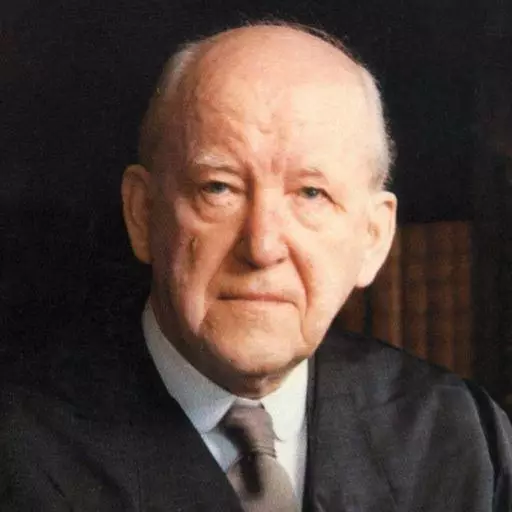
The Mystery of God


Guest (Male): We apologize for the poor sound quality during the following sermon by Dr. Martin Lloyd-Jones. This was due to a deterioration of the original recording, and although it's been digitally restored to improve audibility, we trust that it will not spoil your enjoyment of this sermon by Dr. Martin Lloyd-Jones.
Dr. Martyn Lloyd-Jones: The epistle to the Ephesians, the first chapter and the first verse. "Paul, an apostle of Jesus Christ by the will of God, to the saints which are at Ephesus, and to the faithful in Christ Jesus." I call your attention to this verse, not only because it is the first verse in this epistle to the Ephesians, but also because it enables me to say that I propose, God willing, to deal with this great epistle, to study it with you and to consider together its mighty message.
I never believe in planning these matters, and therefore I'm not going to announce that I propose to work right through the epistle from beginning to end. But at any rate, we are certainly starting upon it, and we're going to try to delve into its riches as God will bless us and lead us and guide us. Now, as we approach this epistle, I'm free to confess that I do so with a sense of considerable temerity.
This is an epistle which it's very difficult to speak of in a controlled manner because of its greatness and because of its sublimity. Many have tried to describe this epistle. It's called forth efforts on the parts of large numbers of Christian people throughout the centuries. Some have described it like this: one has said that it is the crown and the climax of Pauline theology. Another has said that it is the distilled essence of the Christian religion, the most authoritative and most consummate compendium of our holy Christian faith.
What language! And I suggest to you that it's not exaggerated language. Far be it from me to try to compete with those who have described this epistle in that way. And yet it seems to me that any adequate general description of this epistle must pay attention and must take note of and include certain words which are so characteristic of the epistle and which the apostle uses in this epistle more frequently, perhaps, than in any other epistle.
So, were I to attempt a definition, I should say something like this: that in this epistle, the apostle exults in and marvels at the glory and the mystery and the riches of God's way of redemption in Christ. Those are the words, as I hope to show you, that he uses so frequently. The glory of it all, the mystery, and the riches of God's way of redemption in Christ Jesus. Or another way in which I think the truth about this great epistle can be stated is this: that it is a letter in which the apostle looks at the Christian salvation from the vantage point of the heavenly places.
Now, in other epistles, indeed in all his epistles, he's always expanding and explaining and manifesting the great way of salvation. But so often he does so from our standpoint, and that is very essential. And he deals with particular doctrines, or he deals with arguments or with controversies that had arisen. The peculiar feature and characteristic of this particular epistle is that the apostle seems to be, as he puts it himself, in the heavenly places.
And he's looking down at the great panorama of salvation and of redemption from that particular point. The result is that there is very little controversy in it, because his great concern here was to give to these Ephesians and others to whom the letter is addressed, this panoramic view of this wondrous and glorious work of God in Jesus Christ. Now, Luther says of the epistle to the Romans that it is the most important document in the New Testament.
And I suppose in many ways that is the simple truth. The epistle to the Romans, says Luther, is the most important document in the New Testament. It is the place in which the gospel is found in its purest expression. And there he is certainly right. There is no purer or plainer statement of the gospel or expression of the gospel than in the epistle to the Romans. Well, if that is true, I would venture to say this: that if the epistle to the Romans is the purest expression of the gospel, the epistle to the Ephesians is the sublimest and the most majestic expression of it.
You notice I'm not saying the purest, because I don't think it is the most direct expression. In Romans, there is really only one great theme, and that is that theme of justification by faith and its implications. Here, the standpoint, the viewpoint, is a wider one and is a larger one. If that is the purest, this is the sublimest and certainly the most majestic. There are, as you all are familiar with it, statements and passages in this which really do baffle description.
The great apostle piles epithet upon epithet, adjective upon adjective. His superlatives are all used and exhausted, and still he can't express himself. There are passages like that in this first chapter, and there are certainly passages and statements like that in that third chapter and especially towards the end, where the great apostle is carried out of himself and above and beyond himself and just loses himself and abandons himself in a great act of worship and of praise and of thanksgiving. I say, therefore, that there is nothing more sublime in the whole range of scripture than this epistle to the Ephesians.
Now, this morning, I'm anxious that we should take a general view of it. We shall then, of course, come on to the details. But it's always good to take a general view first. Indeed, there is a sense in which it can be said that we can only truly grasp and understand the particulars if we have taken a firm grasp of the whole and of the general. But we're not going to stop at the general.
People who think that by giving a rough division of the message of this epistle according to chapters that they have therefore dealt with it and can move on to another, just displaying their sad ignorance. It's when you come to the details of this epistle you really discover the wealth. A mere general view of it and summary of its message is all right as a beginning, but that's a mere beginning and introduction. It's as you come down to these particular statements and these almost individual words that the real glory of it all becomes displayed to our wondering gaze.
But I say we start with the general this morning. Now, what is the theme of this epistle? What is it about? Well, in a sense, in my general definition, I've already answered that question. But let me put it rather like this. It's all suggested, it seems to me, here at once in this first verse. That is again something very characteristic of the apostle. He could never control himself, he couldn't restrain himself; he immediately proceeded with his theme. Paul, he says, an apostle of Jesus Christ by the will of God. And there you are.
What is the theme of this epistle? First and foremost, it is God. God the Father. Grace be unto you, he goes on to say in the second verse, and peace from God our Father and from the Lord Jesus Christ. Blessed be the God and Father of our Lord Jesus Christ. That's it, that's the theme. Now, this is how the apostle Paul always begins. And this is how every Christian should begin. This is the thing, of course, that controls everything else.
There was never any danger of the apostle Paul forgetting this. For he of all men, as he's reminded us in the epistle to the Romans, knows that it is from God and to God and unto God and by God are all things, to whom be glory forever and ever. The Bible is God's book; it's a revelation of God. And the whole of our Christian thinking must start with God. Oh, how often have we been at pains to emphasize this? That most of the trouble in the church today is due to the fact that we're all so subjective.
We all start with ourselves. We're so interested in ourselves, we're egocentric. That's the curse of this present century and of this generation, that having forgotten God, we're so interested in ourselves that we're miserable and wretched, quarreling with one another, all because we have forgotten God. And the whole message of the Bible from beginning to end is to bring men back to God and to humble us before God and to enable us to see our true relationship to God.
Well, now, this is the great theme of this epistle. It just holds us face to face with God and what God is and what God has done. It emphasizes throughout the glory and the greatness of God. God the eternal, God the everlasting, God overall. The indescribable glory of God and greatness of God. It's all here. You notice how it comes out constantly in various phrases that he uses: having predestinated us unto the adoption of children by Jesus Christ to Himself according to the good pleasure of His will.
Having made known unto us the mystery of His will according to His good pleasure which He hath purposed in Himself. It's all in Him. In whom also we have obtained an inheritance, being predestinated according to the purpose of Him who worketh all things after the counsel of His own will. God, the eternal and everlasting God, self-sufficient in Himself, from eternity to eternity, needing no one, needing the aid of no one, living, dwelling in His own everlasting absolute and eternal glory. God.
That's the great theme of this epistle. We don't start, I say, by microscopically examining ourselves and our needs and the provision. No, no, you start there with God. You forget yourself. You are taken, as it were, by the hand in this epistle and you are told that you're going to be given this great view of something of the glory and the majesty of God. That is why I say as we approach this study, I feel that a voice comes to us as it came of old to Moses at the burning bush and says, "Take off thy shoes from off thy feet, for the ground whereon thou standest is holy ground."
We are ushered into the presence of God in all His glory and in all His greatness. But not only that, we are at once face to face with the sovereignty of God. These are the great terms, are they not, which you find constantly running through the scriptures? These are the great words and terms of Christian doctrine and of Christian theology. Oh, how little we've heard of them in this present century with our morbid, preoccupied subjectivism. How little have we been told about the glory and the greatness and the majesty and the sovereignty of God, the attributes of God.
Our forefathers delighted in these terms. These were the terms of 300 years ago, the terms of the Puritans and the Covenanters. They delighted to try to understand and to contemplate the attributes of God. And here is one of the most extraordinary, the sovereignty of God, the everlasting sovereignty, God overall. You notice the apostle comes to it at once: Paul, he says, an apostle of Jesus Christ by the will of God. Not by his own will. He didn't call himself, the churches didn't call him; it was God who called him.
He's an apostle by the will of God. Indeed, he puts this very specifically in his epistle to the Galatians, you remember, where he says, "When it pleased God, who separated me from my mother's womb and called me by His grace to reveal His Son in me, it is God who's done it." The sovereignty of God. And as we go on through this great epistle, we shall find it standing out in all its glory and its magnificence everywhere.
It is God who's chosen every one who's a Christian in Christ. It is God, he says, who has predestinated us. It is a part of God's purpose that we should be saved. There never would have been salvation if God had not thought of it, if God had not planned it, if God had not put it into execution. It is God who so loved the world. It is God who sent forth His own Son, made of a woman, made under the law. It is all of God, God's purpose.
It is according to His own purpose. It is according to the counsel of His own will that all these things have happened. My friends, this epistle reminds us everywhere that that's the way to start thinking about Christianity. You don't start from here and then look up; you start there and come down. It's all from God. The sovereignty of God who is overall. Now, we shall find, I say, as we work through it, that not only is salvation entirely from God in general, it is so in particular.
Take, for instance, that great theme which he works out in the third chapter. The special thing he tells that in a sense has been committed to him as an apostle is this: how that by revelation he made known unto me the mystery. What is the mystery? Well, it is this: that the Gentiles should be fellow heirs, which in other ages was not made known unto the sons of men as it is now revealed unto his holy apostles and prophets by the Spirit. Have you ever thought of that?
You see, it's God who controls everything, the time element in particular. Have you ever thought as you read through your Old Testament of why it was that all those centuries had to pass before the Son of God actually came? Why was it for so long that only the Jews, the Israelites, had the oracles of God and an understanding that there is only one true and living God? That's what the Bible teaches. Then God decided that the time had come, the fullness of the times had arrived, so he reveals this thing which hitherto had been a secret.
It is now revealed, but not until this point. And here is but another illustration, I say, of the sovereignty of God. Known unto God and unto Him alone are all His ways. He determines every point, every issue, everything that happens. And as you work through this epistle, you will find that the apostle constantly recurs to that theme: God overall, deciding all, controlling all, and timing everything in this most extraordinary manner.
I know of nothing at a time like this which is so comforting and reassuring as to know that the Lord still reigneth, that He is still the sovereign Lord of the universe, and that though the heathen rage and the people imagine a vain thing, yet hath He set His Son upon His holy Mount of Zion. And the day will come when all His enemies shall lick His shoes and His footstool and be humbled before Him, and Christ shall be all in all. The sovereignty of God.
It's here in this introduction, repeated, repeated and repeated. It's everywhere because it is indeed one of the cardinal doctrines without which we really do not understand our Christian faith. And then, of course, he must of necessity go on having said that to deal with the mystery of God and of His greatness and of His majesty and of His sovereignty. This word "mystery" is used five times in this epistle to the Ephesians. He never uses it more than twice in any other epistle.
So that I think I'm justified in saying that it is one of the major themes of this epistle: the mystery of God's ways with respect to men. The mystery of His will. We've got it in this very first chapter. We shall go on, I say, finding it. Having made known unto us, he says, the mystery of His will, according to His good pleasure which He hath purposed in Himself. I wonder whether we always realize this as we should. Oh, how often do even Christian people approach some of these great truths and doctrines, "Yes, but I don't understand this."
My dear friend, you should never have tried to. If you start by thinking you can understand the mind and the will and the way of God, I say you might as well give up at this moment. I announce it's a mystery. It's inscrutable. It's the mind of the eternal and the everlasting. No mind of man can ever cope with this. Great is the mystery of godliness. No man has guided God; he's consulted nobody. Nobody can understand Him.
Oh, if you try to understand God's ways with respect to men and the world, I assure you you'll find yourself involved in things that are quite inscrutable and you'll be miserable and unhappy and you may end by losing your faith and complaining against God and having a sense of grudge against Him. But oh, the folly of trying to do that! The mystery of His will. He is infinite, eternal. We are finite and small. We don't see, we don't understand.
You say God isn't fair if that is true. My dear friend, put your hand with Job upon your mouth and realize what you're saying and of whom you're speaking. The mystery of His will. But surely to object to the mystery is almost to deny that we're Christian at all. Is there anything more wonderful, more entrancing, more glorious for the Christian than to be looking into the mystery? Oh, I trust that as I'm speaking to you, you're already filled with a sense of divine expectation as you propose to come with me as we look into the mysteries and have another view and see something further and yet go on.
Isn't that the great charm of the Christian life? Isn't that why it's the most romantic life in the world today? You ever go on; you think you know it all, you turn a corner and you see something you didn't know. And on and on you go. It's all here: the riches of His grace. But it's all a glorious mystery which He has been pleased to reveal to us by His holy spirit. But God forbid that we should ever imagine that we'll be able to understand in the sense of fully comprehending it all.
I'm not here to produce some kind of theodicy or defense of God. I am here rather to unfold the mystery and to lead us to a reverent attitude that we may look at it and worship Him and confess our finitude and our ignorance and our smallness and our frailty, and thank Him for the mystery of His holy will. And then the next thing, of course, is the grace of God. This word is used thirteen times in this epistle.
The grace of God. The apostle, I say, goes on repeating it; he can't help himself. In whom we have redemption through His blood, the forgiveness of sins according to the riches of His grace. Indeed, in the second verse he started with it: "Grace be to you and peace from God the Father." Oh, this is the thing, I suppose, that above everything else is displayed in this great epistle. God's amazing grace to sinful men.
The way He's visited us, the way He's provided this means of salvation and of redemption. The grace of God, yes, and the abundance of it in particular. The riches of His grace. Again, a word which He uses more here than anywhere else. The riches of His grace. Blessed be the God and Father of our Lord Jesus Christ, who hath blessed us with all spiritual blessings in heavenly places in Christ. My dear friends, in this epistle, we are looking into the riches, the abundance, the superabundance of God's grace toward us.
If you don't look forward to an examination and an investigation of this with the keenest possible anticipation, well then I say it is time that we ask ourselves the question as to whether we are Christians at all. We're all interested in wealth and in riches. We like to go and visit museums and other places where these things are kept and are stored. We look at gems and at pearls. We'll stand in queues, we'll pay great prices to go in to see the wealth and the riches.
We boast of it as individuals and as nations: riches. Well, I say the supreme object of this epistle, in a sense, is to lead us in and to give us a view and a glimpse of the riches, the abundant, superabundant riches of the grace of God. Oh yes, it all starts with God, God the Father who is overall. But then having said that, we come on to what invariably comes next in all the epistles of this writer, indeed to that which is always second in the whole of the Bible: the Lord Jesus Christ.
Grace be to you and peace from God our Father and from the Lord Jesus Christ. Did you notice it in the beginning as I read, how the name, the name that was so dear and blessed to the apostle keeps on coming in? He's an apostle of Jesus Christ. Grace to you and peace from God the Father and the Lord Jesus Christ. Blessed be the God and Father of our Lord Jesus Christ, who hath blessed us with all spiritual blessings in heavenly places in Christ.
And on and on it goes. You see in the first verse he tells us at once he is an apostle of Jesus Christ. My friends, it sounds so utterly ridiculous to have to say it, doesn't it? And yet it is essential today. There is no gospel and there is no salvation apart from Jesus Christ. Is it necessary to say that? It is. There are people who can talk even about Christianity without Christ. They talk about forgiveness, but the name of Christ isn't mentioned.
They mention the love of God and the pity of God; the Lord Jesus Christ doesn't come in. Not so the apostle Paul. There is no gospel, there is no salvation apart from the Lord Jesus Christ. The gospel in particular is about Him. All God's gracious purposes are carried out by Christ, in Christ, through Christ, from beginning to the very end. Everything that God in His sovereign will and by His infinite grace and according to the riches of His mercy and the mystery of His will, everything that God has planned and purposed and carried out for our salvation He has done in Christ.
In whom dwelleth all the fullness of the godhead bodily. In whom God has treasured up all the riches of His grace and of His wisdom. Everything, I say, from the very beginning to the very end is in and through the Lord Jesus Christ. There is no Christian message apart from Him. We are called and chosen in Christ before the foundation of the world. We are reconciled to God how? By the blood of Christ. Listen to it. In whom we have redemption through His blood, the forgiveness of sins according to the riches of His grace.
We're all interested in forgiveness. How am I forgiven? Is it because I repent and ask God to forgive me and say I'm sorry and God looks upon me and loves me and forgives me? I say no. With reverence, I assert it again: that even the almighty God cannot forgive man's sin like that. There is only one way whereby God forgives us: it is because He sent His only begotten Son from heaven to earth and to the agony and the shame and the death of the cross.
In whom we have redemption through His blood. There is no Christianity without the blood of Christ. It's central, it's absolutely essential, there's nothing without it. Not only the person of Christ, in particular His death, His shed blood, His atoning, substitutionary sacrifice. It is in that way and that way alone that we are redeemed. Oh, Christ is absolutely central in this epistle. We shall find it as we come to the details: he's everywhere.
He must be. Called in Him, chosen in Him, saved by His blood, in Him. That's our standing and position. He's the head of the church as this very first chapter reminds us. He's put far above all principality and power and might and dominion and every name that is named, not only in this world but also in that which is to come. He's the head of the church, the body, the fullness of Him that filleth all and in all.
And there He is this morning at the right hand of God with all authority and power in heaven and in earth, Jesus our Lord, supreme, the Son of God, the savior of the world. That's going to be our theme. Aren't you beginning to look forward to it? To look at Him, to gaze upon Him in His person, in His offices, in His work, in all that He is and can be to us. The Father, the Son, and then of course in particular as I've already been anticipating in a way, God's great purpose in Christ.
That is the practical theme of this epistle. Here it is in the tenth verse: that in the dispensation of the fullness of times—don't you like words like that? You know, I rather like saying them; they give me a real thrill. I know of nothing like them: that in the dispensation of the fullness of times, He might gather, He, God, might gather in one all things in Christ, both which are in heaven and which are on earth, even in Him. That's the purpose.
And then of course the apostle goes on to tell us why this has ever been necessary. And that is of course because of sin. In the second chapter, we shall find how he tells us that all the human problems that are harassing the minds and the hearts of men this morning are due to one fact only, and it is this: the prince of the power of the air, the spirit that now worketh in the children of disobedience. He tells us why God's plan of redemption is necessary.
It's all because of the fall of man. Yes, preceded by the fall of that bright angelic spirit called the devil or Satan who has become the god of this world, the prince of the power of the air. There it is, and he shows us the agony and the enmity and the fight and the havoc that has been wrought in the human race. Men and women are divided and separated. The modern world is torn asunder, divided up into rival factions.
The ancient world was exactly the same. Indeed, it's been like that ever since man fell. You get it in Cain and Abel at once, you see. There's nothing new about all this. It's sin, it's rebellion against God. It's the loss of that relationship. It's man setting himself up as a god that causes all these disruptions. And there you're taken back to the very beginning and are shown the paradise that God had made in a state of chaos.
And God announces His plan and begins to put it into practice. And the Old Testament, you see, is just an account of how God began to work this out. First of all, He separated unto Himself the people called the Jews. There you see His purpose of redemption out of this welter, out of this mess of mankind. He forms a people for Himself. He calls a man named Abram, turns him into a nation, gathers these people. They're His special people; nobody else.
They stand alone like an island in a great raging ocean. God's people, God's plan. There is the beginning of something new. Ah yes, but there was great rivalry and jealousy between the Jews and the Gentiles. Here I say one of the major themes is how God has taken all this a stage and a step further. "The great thing that has been revealed to me," says Paul, "is that not only the Jews, but the Gentiles also, the middle wall of partition is gone. The two to be made one, new man, and will approach God by one spirit."
The Gentiles also are coming in. There's a new creation, a new man. There's something new come into being. It's called the church. And this is to go on, says the apostle, until again when the fullness of time shall have arrived, God will end it all. And all that is inimical to Him shall be destroyed and everything in heaven and earth and everywhere else shall be one in Christ. That's one of the major themes of this epistle.
Jews only, then Jews and Gentiles, then everything, and all is to be done in and through Christ. So that that in turn leads to the other major theme which is the church. God's purpose is seen most plainly and clearly in and through the Christian church. It is in the church that you see this great purpose of God of bringing together all things in Christ. Here we are this morning, different people, different nationalities, come from different parts of the world with different experiences, different in appearance, different in our psychology and in every conceivable respect.
And yet we're one, you see, one in Christ Jesus. Well, this is but an example, a pattern, an illustration. This is what God is doing until finally there shall be that new heavens and new earth wherein dwelleth righteousness, and Jesus shall reign from shore to shore and moon shall wax and wane no more. But to me it's a very thrilling and a very wonderful thing to see the church in that light and to see, therefore, the importance of being a member of the Christian church and the privilege and the responsibility of being a member of the Christian church.
It is because of this, says Paul, that you must live the Christian life. So in chapters four to the end, he comes down to the practicalities, the ethical behavior, the conduct that is expected of such people. Why? Well, because that's what they are. They're in the plan and the purpose of God and they're manifestations of it. Therefore, they for God's sake must manifest it in their daily life and living. That's his argument. That's why the ethical appeal must come in at the end.
But it's all, you see, in terms of the nature of the church and the realization of God's glorious purpose. Well, very well, there I've given you a very hurried review of the great themes of this epistle. As I close, let me put it like this in a very simple and practical form. Why am I calling your attention to all this and why do I propose to do so? It is because I am profoundly convinced that the greatest need of every one of us is to know these truths.
It is, I say, because we all need to look again at the glorious revelation. It is because we need to be delivered from our morbid preoccupation with ourselves. If we but saw ourselves as we are depicted in this epistle, what a difference it would make. If we but realized as the apostle says here in this prayer of his, where he prays that we may know what is the hope of our calling and the riches of the glory of His inheritance in the saints and what is the exceeding greatness of His power toward us that believe.
Weak, miserable, unhappy Christian, feeling that the fight is too much for you and you're on the point of giving up and giving in and going out. If you only knew the power that is working mightily for you. It's the same power that brought Christ from the dead. Oh, our lives would be revolutionized at once if we but realized it. If we but knew that we are meant to be filled with all the fullness of God, we'd no longer be weak and ailing and complaining.
We'd no longer present such sorry pictures of the Christian life to those who know us and who live round and about us. What we need, my friends, is not some experience, but to realize what we are, who we are, what God has done in Christ, where He's placed us. We don't realize our privileges. That's our trouble. Our greatest need is still the need of understanding. Our prayers for ourselves should be the prayer of the apostle for these people: that the eyes of our understanding may be enlightened.
That's what we need. Understanding. And there it is. Here are the riches displayed. Let's enter in and look at them and take hold of them and enjoy them. And above all, perhaps, at a time like this, how vital it is, I say, that we should have some new and fresh and deeper understanding of God's great plan and purpose for the world. With international conferences taking place almost on our doorstep, with the whole world wondering as to what its future is to be and what the outcome of it all is going to be.
Seeing men at the end of their wits and at the end of their tether, patching up agreements here and there, and yet with no much confidence in any of it or all of it. What a tremendous thing it is to stand and look at this revelation and see God's plan and purpose behind it all and beyond it all. And it isn't being done through statesmen; it's being done through people like you and myself.
The world ignores it and laughs at it and mocks it. But we ought to know for certain this morning that all principalities and power and might and dominion and every name that is named, not only in heaven in this world but also in that which is to come, have been set beneath His feet who was rejected by this world when He came into it and dismissed as "this fellow, this carpenter," but who was the Son of God and the savior of the world, the King of kings, the Lord of lords. The one at whose name every knee shall bow, of things in heaven and things on earth and things under the earth. Thanks be unto God for the glorious gospel of Jesus Christ, for the riches of God's grace. Amen.
Featured Offer

Find peace and comfort this season with your complimentary guide that includes access to 6 free bonus sermons on overcoming spiritual depression from Dr. Martyn Lloyd-Jones, one of the church’s most beloved Bible teachers. Topics include: true Christians can and do struggle with depression, recovering the joy of your salvation, dealing with crippling guilt over past sins, dealing with yesterday’s haunting regrets, encouragement to keep moving forward, and understanding God’s purpose for suffering.
Past Episodes
This ministry does not have any series.
Featured Offer
Find peace and comfort this season with your complimentary guide that includes access to 6 free bonus sermons on overcoming spiritual depression from Dr. Martyn Lloyd-Jones, one of the church’s most beloved Bible teachers. Topics include: true Christians can and do struggle with depression, recovering the joy of your salvation, dealing with crippling guilt over past sins, dealing with yesterday’s haunting regrets, encouragement to keep moving forward, and understanding God’s purpose for suffering.
About From the MLJ Archive
From the MLJ Archive is the Oneplace.com hosted ministry of the MLJ Trust. Our mission is to promulgate the audio ministry of Dr. Martyn Lloyd-Jones.
About Dr. Martyn Lloyd-Jones
Contact From the MLJ Archive with Dr. Martyn Lloyd-Jones
info@mljtrust.org
http://www.mljtrust.org/
PO Box 953
Middleburg, VA 20118