
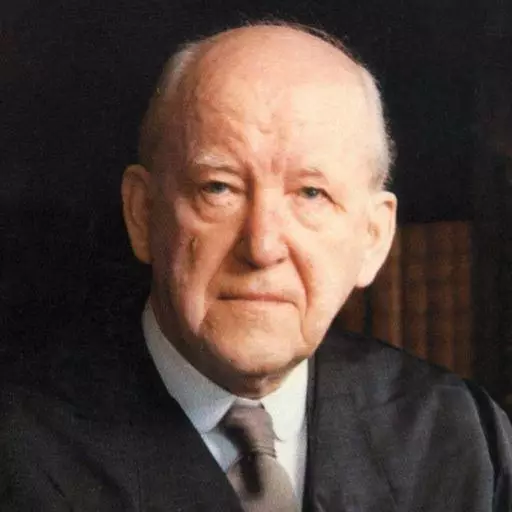
Tragedy of the Jews


Romans 10:18-21 — As it pertains to human knowledge, human understanding, or human works, the Jews of Paul’s day would be in a position of entire advantage. Yet the majority of Jews, as Paul laments in Romans, did not obey the gospel. Why? Moreover, what does it mean that Paul cites Scripture against the Jews calling them “disobedient” and “gainsaying”? In this sermon on Romans 10:18–21 titled “Tragedy of the Jews,” Dr. Martyn Lloyd-Jones grounds the tragedy of the Jews in God’s sovereign election and their prejudice against the Lord Jesus Christ. Salvation belongs to the Lord, as Dr. Lloyd-Jones reminds the listener. The way of salvation from old covenant to the new covenant is determined by the sovereign grace of God. The “whosoever” of salvation is tied to “whosoever” as God determines, whether that is predominantly Jews or predominantly Gentiles. But Dr. Lloyd-Jones leaves room for human responsibility as well. Many of the Jews in the first century were simply set against the gospel. Jesus experienced this in His earthly ministry with the Pharisees as did Paul in his ministry. Listen as Dr. Lloyd-Jones tackles the topic of divine sovereignty and human responsibility and as Paul explained the tragedy of the Jews, Dr. Lloyd-Jones calls the church to self-examination and praise in the sovereign election of God.
Martyn Lloyd-Jones: Most of you will recall that we're dealing with the last verses in the 10th chapter of Paul's Epistle to the Romans, from verse 18 to the end of the chapter in verse 21. "But I say, have they not heard? Yes, verily their sound went into all the earth, and their words unto the ends of the world. But I say, did not Israel know? First Moses saith, I will provoke you to jealousy by them that are no people, and by a foolish nation I will anger you. But Esaias is very bold and saith, I was found of them that sought me not. I was made manifest unto them that asked not after me. But to Israel he saith, all day long I have stretched forth my hands unto a disobedient and gainsaying people."
Now, we are dealing with this final statement in this chapter. As I've been indicating, it is at one and the same time the completion of the immediate argument in which the Apostle has been engaged and also a summing up of the argument of the entire chapter. What he really is doing is to show us the utter inexcusability of the Jews. I've tried to show that he divides up this statement, this argument, into two sections. The first is the negative one and the second is the positive one.
In the negative, we've seen that there were two subheadings. Namely, that they couldn't say that their trouble was due to the fact that they hadn't heard the message. Neither could they say, secondly, that the message had not been made plain and clear to them. The Apostle proves beyond any doubt at all or any possible reply that the Old Testament scriptures, both Moses and Isaiah, both the law and the prophets, between them made it quite clear that the Gentiles were to be called and were to be sharers of salvation, and that the Jews were going to reject the message.
Now there is the negative part of the Apostle's argument. But he also has a positive side. Having shown what the trouble was not, he now proceeds to show what it is. What was then the real trouble with the Jews? Well, we saw last Friday night that this again can be divided into two sections. There are certain particular troubles with respect to the Jews, and then he gives the great general reason for their condition. Now, we are at the moment examining these particular reasons.
The first we considered last Friday night was this. The Jews have not given obedience to the gospel because they've got entirely false notions as to the way of salvation. We saw that there were three errors of which they were guilty. They are all here in these quotations. They relied upon the fact that they were God's nation, God's people. So God corrects them by calling another nation, people whom they regarded as no people, the Gentiles. He therefore shows that they're quite wrong in assuming that because they're Jews, that automatically saves them. That was the cardinal error of the Jews as is made abundantly clear in the Gospels as well as in the Epistles. It was the Apostle Paul's own trouble before his conversion. He relied upon the fact that he was an Israelite of the Israelites, of the tribe of Benjamin and so on, Hebrew of the Hebrews, etc.
The second mistake was that they relied upon their knowledge, that they had the oracles of God, that they possessed the law, and that they were aware of these things. They regarded the Gentiles as utterly hopeless because they were foolish, and foolish means ignorant. "I will provoke you to jealousy by them that are no people, and by a foolish nation." By people who know nothing, who haven't got the scriptures, don't know the law, these Gentiles, lesser breeds without the law. So they were relying upon the mere fact that they had the knowledge. They didn't realize that it was the people who kept the law who are saved.
And then the third trouble was they were relying upon their own works, upon their seeking, upon their asking. As the Apostle has already put it to us earlier in this very chapter, they were going about to establish their own righteousness. In other words, it was the old error of justification by works. Now then, there was the threefold error of the Jews with regard to the way of salvation. That's the first explanation of the position of the Jews in this positive section.
Now then, we move on to the second which is this. As they held the wrong views of the way of salvation, so obviously and inevitably they failed to see the true way of salvation. Now this follows, of course, as I say, by a logical inevitability from the first trouble. Nevertheless, it is something that has got to be considered in and of itself. Holding their wrong views, they were unable to see clearly and truly the right and the true way of salvation. What is this? Well now, the Apostle makes it quite clear in his quotations.
The true way of salvation can be summed up like this: it is entirely the result of God's election. Where do I find that? Well, I find it like this. Let me give you the evidence. Here again, there is a threefold evidence provided by the quotations. Notice first of all the emphasis upon the "I", and the "I" refers to God. Listen to it. "I say, have they not heard? Yes, verily their sound went into all the earth and their words unto the ends of the world." Then listen. "But I say, did not Israel know? First Moses saith, I will provoke you to jealousy." That's God speaking through Moses. "I will provoke you to jealousy by them that are no people, and by a foolish nation I will anger you. But Esaias is very bold and saith, I was found of them that sought me not. I was made manifest unto them that asked not after me. But to Israel he saith all day long, I have stretched forth my hands unto a disobedient and gainsaying people."
The emphasis, you notice, is all along upon the action and the activity of God. But secondly, it is made equally plain and clear that salvation is not the result of any activity on our part. "I was found of them that sought me not." They hadn't sought Him. They are the people who find, the ones who hadn't sought. "I was made manifest unto them that asked not after me." You see, it isn't the result of our activity. God makes that perfectly clear in these prophetic utterances that had been given even through Isaiah so long ago. It isn't the result of seeking or searching or looking for or asking. It is entirely the result of God's action. He says this will be the position in the church. The people who are going to find are the people who've never sought. The people who are going to be given the answer are the people who've never asked the question.
So there is the second bit of evidence. And then to make it quite clear beyond any doubt whatsoever, you have this tremendous statement: "I was made manifest," which really means, of course, I manifested myself. It is God who does the manifesting. And therefore, you see, we've got threefold evidence here to point out and to make perfectly clear that salvation is altogether and entirely the result of God's action. "I." Not the seeker, not the man who asks. "I. I make manifest."
Well now, you see, this is the summing up of the Apostle as I've been pointing out, not only of the argument of this 10th chapter, but of course it is equally a summing up of the great argument of the ninth chapter. Let's never forget this. These chapters 9, 10, and 11 form a section on their own, and they all deal with this vital question. Why is it that the Jews of all people are the ones who are outside? Why is it that the Gentiles have come in? And the explanation the Apostle gave us at once and at such length and with such mighty statements in chapter 9 was that it is all the result of the election of grace, that the purpose of God according to election might stand. That is the great statement of verse 11 in chapter 9. You remember the arguments which we worked out in detail. That the purpose of God according to election might stand, not of works, but of Him that calleth.
Now here the Apostle is saying exactly the same thing, but it's a perfect conclusion to the argument of this chapter 10, and it must always be the same thing. So we put it like this once more: this is the only explanation of salvation. There is only one explanation of why any single person has ever been saved, and that is it is the action of God. It is the choice of God. There is nothing in man that contributes to salvation, nothing at all. If we hadn't seen it before, surely we ought to see it in the light of these particular quotations. The Jews had every advantage. If salvation were the result of man's understanding or man's knowledge or man's works, well, the Jews would be in a position of entire advantage and the Gentiles would be completely hopeless.
But actually, in fact, it works the other way around. It is the Gentiles who've come in and the Jews remain outside. In other words, salvation does not depend upon man at all. It is entirely God's work, and it depends upon the election of God. Now then, as it depends upon the election of God, as it depends upon the grace of God and on nothing else, as it is entirely of God's good will, well then God is free. He is free to choose whomsoever He desires. Nobody deserves salvation in any sense at all. Nobody makes any contribution to it. It is God who gives it. Because it is all in His hands and nobody deserves it, well, God is as free to give it to the Gentile as He is to the Jew. And that's exactly what He's done.
Now the Apostle, you see, like this is establishing the great case that he is making right through this section and which we've seen him making already in chapter 8 and even before that. Now then, the Apostle, you see, had put it in greater detail in verses 11 to 13 of this chapter. For the Scripture saith, whosoever believeth on Him shall not be ashamed. For there is no difference between the Jew and the Greek. For the same Lord over all is rich unto all that call upon Him. For whosoever shall call on the name of the Lord shall be saved. The question is, who is this whosoever? What decides that? Well, as I'm showing, it isn't nationality. It isn't knowledge. It isn't seeking and searching. It is all of God. The "whosoever" is determined by God, and the promise is that whosoever does call, he shall be saved.
Now this is, of course, the teaching of the entire New Testament. But let us therefore just in order to establish this in our minds, show our blessed Lord Himself teaching exactly the same thing. There is nothing more fascinating or more glorious than the unity of the Scripture. The one message is to be found everywhere. Listen to our Lord putting this very thing that Paul puts before us here at the end of the 11th chapter of the Gospel according to St. Matthew. Listen to this at verse 25 and following. At that time, Jesus answered and said, "I thank thee, O Father, Lord of heaven and earth, because thou hast hid these things from the wise and prudent and hast revealed them unto babes. Even so, Father, for so it seemed good in thy sight. All things are delivered unto me of my Father. And no man knoweth the Son, but the Father. Neither knoweth any man the Father, save the Son, and he to whomsoever the Son willeth to reveal Him."
Do you want anything beyond that? It's perfectly plain. God withholds these things from the wise and prudent, and He reveals them unto babes. To the foolish nation, to the no people. It's exactly the same statement. You see, God had revealed this right through the Old Testament. The Apostle has given us this plethora of quotations in chapters 9 and 10 because he's dealing with the Jews and he wants to show them they haven't a leg to stand on. The whole of the New Testament is proclaiming this very thing at which they are now stumbling, and therefore they are rendered entirely speechless.
Well, there it is at the end of Matthew 11. Then we get exactly the same thing in Matthew 22. I read this portion at the beginning last Friday night, but let me just direct your attention to it again. It is that parable spoken by our Lord about a certain king making a marriage feast for his son. And you remember how he sent forth his servants to call them that were bidden, and they would not come. Now this was a parable spoken specifically to condemn the Jews. They are the people who get the first invitation, but they don't come. And eventually, you remember what it was that happened. The king heard thereof and he was wroth. And he sent forth his armies and destroyed those murderers and burned up their city. Then saith he to his servants, "the wedding is ready, but they which were bidden were not worthy. Go ye therefore into the highways, and as many as ye shall find, bid to the marriage." So the servants went out into the highways and they gathered together all as many as they found, both bad and good. And the wedding was furnished with guests.
Now it's exactly the same argument. And you will find that in many different parables, our Lord made exactly this same point. The first offer is made to the Jews. They reject it. Then the others are, as it were, compelled to come in. And you get it wound up very often in this statement, as it is in Matthew 22:14: "Many are called, but few are chosen." That's it. There is a general call of the gospel, as we've seen. There is a special call. Many are called, few are chosen. The universal invitation goes out, but all don't obey. There are only some who obey. Who are those who obey? They are the ones who obey who are the called of God, this effectual call, this result of the election of grace.
Very well then, there you see is this evidence that is put so plainly before us in the Gospels and in the words of our Lord Himself. And of course, the Epistles are full of the same argument. In other words, the message is, we saw it there in 1 Corinthians 1, that's why I read it to you. God has upset all the calculations, everything that the Jews had expected, and that's why the Gospel is always a stumbling stone and a stumbling block to the Jews. They don't understand this. Why? Well, for this reason. You see, the foolishness of God is wiser than men, and the weakness of God is stronger than men. You see your calling, brethren, how that not many wise men after the flesh, not many mighty, not many noble are called. God hath chosen the foolish things of the world to confound the wise, and God hath chosen the weak things of the world to confound the things that are mighty, and so on. Why? Well, here's the ultimate reason. That according as it is written, he that glorieth, let him glory in the Lord.
No flesh should glory in His presence. The glory must be given entirely and only to Him. This is the Apostle in Ephesians 2:8: "By grace ye are saved through faith, and that not of yourselves, it is the gift of God." We are His workmanship. Now, that's exactly what we are being told here at the end of this 10th chapter of Paul's Epistle to the Romans. You see, it's the doctrine of the whole of the Bible. And yet it's amazing how people stumble at it still and want to take to themselves some bit of credit here or there. My friends, you can't. This is the thing that keeps people outside the kingdom. That's why people don't obey the Gospel. They don't see that the true way of salvation is this election of grace, that it's all of God. And that because it is all of God, you must never be surprised at anybody you may happen to see in the kingdom of God and being saved. The Gentile, the foolish person, the ignorant, the nothing, the babes, these are the people that God calls. It's all of Him. The Gospel is the power of God unto salvation to everyone that believeth. Very well then, there we see the second reason as to why the Jews are outside. They've got wrong notions as to the way of salvation, and they don't see and believe and accept the right and the true way of salvation, which is the one that is here indicated.
And then there is a third reason, and this is perhaps the most important of all. The third reason is the state and the condition of their hearts. And here is the ultimate trouble. Now we get that, of course, in the last verse. "But to Israel he saith, all day long I have stretched forth my hands unto a disobedient and gainsaying people." Here's the trouble. We've been told how God does save. It's all in His power to manifest Himself. Why doesn't Israel believe then? Why doesn't Israel give obedience? Here's the answer: it is the state of their heart. "All day long I have stretched forth my hands unto a disobedient and gainsaying people."
Now we've got to look at these two words, "disobedient" and "gainsaying." What do they mean? Well, this first word is a very interesting one, this word "disobedient." The obvious meaning, of course, is that they don't give obedience. But you know there's a deeper meaning here. Grimm Thayer, the Grimm Thayer lexicon has a most interesting statement to make with regard to the word that was used here by the Apostle, and it does carry that meaning. It doesn't mean only that they don't give obedience to the Gospel. It means much more. It means this: that they're non-persuadable. That they won't allow themselves to be persuaded. They're stiff-necked.
Now this is, you see, something further. It isn't that merely that they're not persuaded. Obviously, they're not persuaded, otherwise they'd give obedience. But beyond being not persuaded, they're not persuadable. They won't be persuaded. They're stiff-necked. They won't allow themselves to be influenced and to be persuaded by the truth. Now, I take it that as I'm expounding these words and dealing with the matter in this way, that we all are thinking almost inevitably of what we must have all experienced in handling men and women who are not Christians. And you see the importance of this distinction that I'm making. As you talk to people about their souls, you will deal with some, they don't know, they don't understand, they haven't believed, and yet it's quite clear that they're very ready to listen. But we do know this other type, don't we? Who at once give us the impression, or if not at once, fairly soon, that they're not going to be persuaded. That they're non-persuadable. That it doesn't matter what we say, nor how cogently or plainly or lovingly we may put the matter, it'll make no difference to them. They are non-persuadable. They're stiff-necked.
Don't you get that impression of the Pharisees as you read the four Gospels? The whole thing's decided beforehand. You see, this is what is meant by prejudice. It means pre-judging. You don't listen to the evidence. You've brought in your verdict before the prisoner's put in the dock. You've decided the result before you've heard anything at all. Non-persuadable, prejudiced, pre-judging. That was the trouble according to the prophecy of Isaiah with the Jews. It was their trouble in the Old Testament. It is still their trouble, says the Apostle Paul now. Disobedient. They won't allow themselves to be persuaded. They're determined not to believe whatever may be said to them. You see, this is still the cause of why people are not Christian.
But look at the second word: gainsaying. What does this mean? Well, this is more or less perfectly plain. It means saying against. It means contradicting. It means, if you like, cantankerous. Now, of course, this is important again in this way. We again can illustrate this from what we all are so familiar with in dealing with men and women about these matters. You can understand a man who just honestly says, "Well, I just can't see it." He says, "I wish I could see it. I'd give anything if only I could see that, but I just can't see it." Now that's a man whom one can understand. But that wasn't the position of Israel, as it is not the position of many people with whom you have to speak. They're not only prejudiced and non-persuadable, but they speak against.
Let's put it like this. I think it's one of the most valuable tests when you're trying to help another soul to come to a knowledge of God through the Lord Jesus Christ and to have salvation. The person who is hopeful is the person who listens and who asks questions in order to be helped and in order to understand. But you're familiar with the other type of person, aren't you? Who always gives you the impression they're just waiting for you to stop in order that they may say something against. It's a tremendous thing to say, but what the Apostle is really saying here is this: that those people are hopeless. They don't want to hear and they're waiting for opportunities to speak against. Their spirit is wrong, their heart is wrong, their whole attitude. That was the final trouble with Israel.
They wouldn't allow our blessed Lord Himself to teach them and to instruct them. Always waiting with their questions, bringing up that, trying to down him, as it were, always speaking against. Cantankerous, contradicting, doing their utmost to disprove it. They don't want to be instructed in the way. Well now, I say that is the meaning of this quotation from Isaiah 65 and verse 2 which the Apostle gives us here in this last verse of Romans 10. And as it was the trouble with the Jews with whom the Apostle was dealing, so I say it was always the trouble with the Jews. There it is in our Lord's ministry, standing out before us perfectly plain and clear. Listen to our Lord bringing this charge against the Jews with whom He had to deal Himself. Look at it first of all in John 3 verses 17 to 19. "God sent not His Son into the world to condemn the world, but that the world through Him might be saved. He that believeth on Him is not condemned, but he that believeth not is condemned already because he hath not believed in the name of the only begotten Son of God. And this is the condemnation: that the light has come into the world." Why don't men believe then? Why doesn't everybody submit? Why doesn't everybody obey the Gospel? Light has come into the world, and men loved darkness rather than light because their deeds were evil.
That's the trouble. You see, they say it's intellectual. It isn't. The trouble's in the heart. It's a moral problem. Unbelief has got nothing to do finally with intellect. I could prove that to you very simply. I do it like this. Here's a simple argument for you. If believing or not believing were a matter of intellect, well then you'd never have an intelligent man who's a Christian. Never. It would be an impossibility according to the modern argument. But what you actually find, of course, is two things. One, that a man with a great intellect at one stage in his life was an unbeliever. Then he becomes a believer. But he's still got the same brain and the same intellect and the same argumentation. The same man. He hasn't suddenly committed intellectual suicide. He's using his brain as much as he ever did. Formerly he rejected, now he believes. Obviously, it's got nothing to do with intellect. Or take it another way. Two men with equal intellects. It's impossible to decide which is the abler man. In their college career, in their school career, everywhere, one was first one time, then the other the next time. There's nothing to choose. One's a Christian, one isn't. It's got nothing to do with intellect. No, no. Men love darkness rather than light because their deeds were evil. All the so-called intellectual argumentation is nothing but the excuse and the camouflage that the unbeliever puts up to try to defend himself and to cover his moral refusal.
There it is in our Lord's own words. "Everyone that doeth evil hateth the light, neither cometh to the light lest his deeds should be reproved. But he that doeth truth cometh to the light that his deeds may be made manifest that they are wrought in God." But listen to Him again in John 5 verse 40. Or take go back to verse 39. "Search the scriptures, for in them ye think ye have eternal life, and they are they which testify of me. And ye will not come to me that ye might have life." That's the trouble. They won't come. They don't want to come. They've determined not to come. They decided to down Him from the very beginning, the moment they realized what He was saying. Ye will not come unto me. That's the trouble. The trouble is in the will, and the will is governed by the heart.
And our Lord goes on saying the same thing. "I receive not honor from men, but I know you, that ye have not the love of God in you. I am come in my Father's name, and ye receive me not. If another shall come in his own name, him ye will receive. How can ye believe which receive honor one of another and seek not the honor that cometh from God only?" That's your trouble, he says. It isn't your intellects. It's your pride, your beastly pride. You want honor from one another, and because he showed them that they were nobody and nothing and could do nothing, they hated him. That's why they crucified him. He humbled them. He cast them down. He condemned everybody. And they hated him for that reason. The trouble is always in the heart.
And if you want it still more specifically, you will find it in our Lord's exposition of His own parable of the sower. In Matthew 13 and in verse 15. "This people's heart is waxed gross, and their ears are dull of hearing, and their eyes they have closed, lest at any time they should see with their eyes and hear with their ears and should understand with their heart and should be converted and I should heal them." That's the trouble. In them is fulfilled the prophecy of Esaias, which saith, by hearing ye shall hear and shall not understand, and seeing ye shall see and not perceive. Why? Because their heart is waxed gross. It's enfattened, as Wycliffe put it. So fat that it can't function. And their ears are dull of hearing, and their eyes they have closed.
Well now then, there the Apostle you see at the end of Romans 10 is saying the same thing as our Lord said so clearly in all these passages. And if you want it still more clearly, you'll find it in Matthew 23 where our Lord finally turns upon the Pharisees and denounces them in those terrible words, "Woe unto you." He pronounces upon them this final sentence of complete hopelessness. "Woe unto you scribes and Pharisees, hypocrites. You shut up the kingdom of God against men. You neither go in yourselves, neither suffer ye them that are entering in." They've always been like that, and they're still like that, as I hope to show you next Friday night.
And then you remember that the same thing is brought as a charge against these same people by the martyr Stephen. Stephen, in his great address and sermon which is in Acts chapter 7, finally brings it home to them in these words in verse 51. "You stiff-necked and uncircumcised in heart and ears. You do always resist the Holy Ghost. As your fathers did, so do you. Which of the prophets have not your fathers persecuted? And they have slain them which showed before of the coming of the Just One, of whom you have been now the betrayers and murderers. Who have received the law by the disposition of angels and have not kept it." That's the truth. That's exactly what the Apostle is saying here at the end of this 10th chapter of the Epistle to the Romans.
And of course, the writer of the Epistle to the Hebrews says exactly the same thing in the third chapter where he puts it like this in verse 12. "Take heed, brethren, lest there be in any of you an evil heart of unbelief in departing from the living God." And then he warns them about their forefathers. "Harden not your hearts as in the provocation. For some when they had heard did provoke. Howbeit, not all that came out of Egypt by Moses. But with whom was he grieved forty years? Was it not with them that had sinned whose carcasses fell in the wilderness? And to whom sware he that they should not enter into his rest, but to them that believed not? So we see that they could not enter in because of unbelief." It was their hardness of heart. "Let us therefore fear lest a promise being left unto us of entering into His rest, any of you should seem to come short of it. For unto us was the gospel preached as well as unto them, but the word preached did not profit them, not being mixed with faith in them that heard it." You see, it is always the same thing.
And there then is the final reason which is given by the Apostle for the failure of these Jews to give an obedience unto the Gospel. They've got wrong ideas of salvation, they don't see the true way of salvation, and their hearts are hardened. They're unpersuadable. They're stiff-necked. They're gainsaying. Their whole attitude is such that belief is a sheer impossibility.
And that now then brings us to the final cause of the condemnation of the Jews. There you've got the particular reasons, but at the back of all, there is a final condemnation. And let us remember that this is true. All we are saying is as true of a modern unbeliever who has heard the Gospel as it was of the Jews in the time of the Apostle Paul. What is the final condemnation? It is this. "But to Israel he saith, all day long I have stretched forth my hands unto a disobedient and gainsaying people." What's it mean? It means this. They're utterly and finally without excuse because they reject the love of God.
If it were the case that God simply demanded the impossible and then condemned us because we don't do it, well, there might be something to be said for the unbeliever. But it's the exact opposite. What is offered to mankind is a gospel of grace. If the gospel really did tell us that we can only be saved if we give a perfect obedience to the Ten Commandments and the whole of God's moral law, well then we'd all be damned and lost. That's what people want it to say. That's what every man who believes in justification by works really wants the gospel to say. He objects to this gospel of the free grace of God, that salvation is a free gift. "No, no," he says, "what can I do about it?" Well, that's what you're told to do. And you can't do it. But the gospel, you see, is something that comes to us with outstretched hands.
That's the picture that God uses with respect to Himself. He comes with His arms outstretched and His hands pointing to us. He's calling us to Himself. He's pleading with us to come. It's not indicating something. He's appealing. His arms are outstretched. He wants, as it were, to call us to Himself and to embrace us. All day long I have stretched forth my hands. And of course, this is perfectly true. This is something we find everywhere right through the Bible. He not only stretches forth His hands and His arms, He does so all the day long. It isn't merely one offer and then condemn you if you don't accept. He repeats it and repeats it and repeats it. Read your Old Testament. And there you see this thing so plainly and clearly.
Some of the Psalmists put this in a very striking manner. They remind the children of Israel of the whole long story of their history. How God gave them everything and then told them that if they just continued as His people He'd bless them. But they began to turn away and to worship idols and to do various other things, and God withdrew His blessings. Then they came and they cried and they repented. God took them back and God blessed them. Then after a while they turned their backs. But God didn't give them up. He goes back and back and back and back, all day long. That's the whole story of that Old Testament. Why didn't God blot out this people at the very beginning? Well, it is because He is a God of love and of grace and of mercy and of compassion.
And He puts it in a most extraordinary manner in the mouth of some of the prophets like this. He turns to these children of Israel and He says, you haven't got a single excuse. I have sent my prophets unto you, rising up early. As if God says, I rose up before the sunrise and I sent my messengers, and I've been doing like that through this whole day of my relationship to you. I've been working at you from morning to night, before sunrise, well after sunset. I've gone on and on and on throughout the whole day to the last moment of the eleventh hour. All day long have I stretched forth my hands unto a disobedient and gainsaying people. Or you remember how He puts it through Isaiah, "what could have been done more to my vineyard that I have not done in it?" As if to say, can you tell me of anything further I could have done? That's God's argument with the children of Israel, putting this same argument in a different way.
Then listen to our Lord putting the same thing. He repeats this same argument in His earthly life and ministry. Look at it in a parable spoken in Luke 13. Verse 6: "He also spoke this parable. A certain man had a fig tree planted in his vineyard, and he came and sought fruit thereon and found none. Then said he unto the dresser of his vineyard, behold, these three years I come seeking fruit on this fig tree and find none. Cut it down. Why cumbereth it the ground? And he answering said unto him, Lord, let it alone this year also, till I shall dig about it and dung it. If it bear fruit, well. And if not, then after that thou shalt cut it down." In other words, you see the argument. These Jews have had their opportunity and they don't respond. Cut them off. No, no, give them another chance. Give them another opportunity. Dig around it. Put more manure there. Give it another. All right, I'll give it another chance. They've had every chance. All day long have I stretched forth my hands unto a disobedient and gainsaying people.
But above everything else, perhaps we find it in that tremendous and terrible parable that I read to you at the beginning out of the 21st chapter of the Gospel according to St. Matthew, the parable of the wicked husbandmen. Here's a householder which planted a vineyard, hedged it round about and digged a winepress, built a tower, let it out to husbandmen and went into a far country. And then you remember when the time of fruit drew near, he sent his servants to the husbandmen that they might receive the fruits. The husbandmen took his servants and beat one and killed another and stoned another. He then sent other servants more than the first, and they did unto them likewise. Last of all, he sent unto them his son, saying, "They will reverence my son."
You see, he's done everything he can. He sent his servants, he's sent better servants, he's sent more servants, he's sent a succession of servants, and still they won't. At last he says, "Well, there's only one thing left for me to do. I'll send my son." And he sent his son unto them. But when the husbandmen saw the son, they said among themselves, "This is the heir. Come, let us kill him. Let us seize on his inheritance." And they caught him and they cast him out of the vineyard and they slew him. When the Lord therefore of the vineyard cometh, what will he do unto those husbandmen? They say unto him, "He will miserably destroy those wicked men and will let out his vineyard unto other husbandmen, which shall render him the fruits in their seasons."
Jesus saith unto them, "Did ye never read in the Scriptures, the stone which the builders, the Jews, rejected, the same is become the head of the corner? This is the Lord's doing, and it is marvelous in our eyes. Therefore, I say unto you, the kingdom of God shall be taken from you, the Jews, and given to a nation bearing forth the fruit thereof," the church consisting mainly of Gentiles. "And whosoever shall fall on this stone, Christ, shall be broken, but on whomsoever it shall fall, it will grind him to powder." And when the chief priests and Pharisees had heard this parable, they perceived that he spoke of them. And they were right. It was spoken of them. It was spoken to them. And it just means this: that God says, "I'll review the history of my dealings with you. Look what I gave you. And I've sent my servants, this great succession of servants, and you've destroyed them. At last, I've sent my son. And what have you done to him?" That is the whole story of the Jews. It is the condemnation of the Jews. All day long have I stretched forth my hands unto a disobedient and gainsaying people.
But listen to the supreme statement of all this. Here's the tragedy of the Jew. Here's the final condemnation of the Jew. "O Jerusalem, Jerusalem, which killest the prophets and stonest them that are sent unto thee, how often would I have gathered thy children together, as a hen doth gather her brood under her wings, and ye would not! Behold, your house is left unto you desolate. And verily I say unto you, ye shall not see me until the time come when ye shall say, 'Blessed is he that cometh in the name of the Lord.'" How often would I have, but you would not. All day long have I stretched forth my hands unto a disobedient and gainsaying people. There is no excuse. God has poured His love out. He has appealed. He's done everything. He's even sent His Son. It is all of no avail.
Very well then, there you see the Apostle has summed up once more this case against the Jews. And I would sum it up in a final word tonight by putting it to you like this. What the Apostle is teaching us in Romans chapters 9 and 10 is the election of God and at the same time human responsibility. The doctrines of election and predestination do not say that man is not responsible. Man is responsible. But salvation is entirely of God. So I put it as I put it so many times in doing chapter 9: we are not responsible for our salvation, but if a man is damned, he is responsible for his damnation. You are not responsible for the fact that you are saved, that is entirely of God and of His infinite grace. But if you are an unbeliever and if you ever find yourself in hell, you will have no one to blame but yourself. It is because you were not persuadable. It was because you were stiff-necked. It was because you would not come. You didn't want to come and you were determined not to be persuaded to come. A man is not responsible for his salvation, but he is responsible for his damnation.
Election is the thing that saves. But man is responsible for his rejection of the offer of salvation. "All day long have I stretched forth my hands. Why didn't you come?" That's what God will say to the unbeliever at the bar of judgment. He will have no excuse at all. He will realize that he didn't come because he didn't want to come, because he was determined not to come, and because he was very proud of himself for not coming and because he despised those who did come. You must always hold these two things together: God's election and man's responsibility.
But remember, man's responsibility does not mean that man is responsible for his salvation. It is the God who chose Jacob and rejected Esau when they were both in the womb before they were born. He is responsible for the salvation. But the man who refuses and rejects is responsible for his damnation. He can never say that he wasn't given the opportunity. You see what it comes to is this. Were it not for the election of God, not a single soul would ever have been saved or ever would be saved. We all of us by nature are hard-hearted. We're recalcitrant. We're a wicked, we're a gainsaying, we're a disobedient people. It takes the power of the Holy Ghost, the power of God through the Holy Spirit, to soften our hearts and to persuade our wills. And nothing less than that power has ever persuaded anybody to believe the Gospel. The man who rejects is self-condemned. The man who is saved realizes that he is saved only and exclusively by the grace of God.
With the Apostle Paul, he says, "By the grace of God I am what I am. I was formerly a blasphemer and a persecutor and injurious. I was mad in my unbelief. I am saved. Why? Well, there's only one answer. It is the grace of God that ever looked upon me and called me and softened my hard heart and gave me the gift of faith and enabled me to believe." These two things, you see, are taught right the way through chapters 9 and 10 of the Epistle to the Romans and they're summed up in these quotations in these last three verses at the end of the chapter. God is found by those who haven't sought Him. The revelation is given to those who've never asked. But to those who thought they'd got everything and to whom the offer is given, there's only one thing to say: all day long have I stretched forth my hands unto a disobedient and gainsaying people.
Well, my dear friends, let us all examine ourselves in the light of these things. Are you ready with a willing heart tonight to ascribe all the praise and all the honor and all the glory unto God and His amazing love and grace? Or are you still trying to hold on to some little bit of credit somewhere or another, your believing? If you hold on to anything, you're like the Jew. That was his whole trouble. He wasn't ready to be a pauper. He wasn't ready to become as a little child. He wasn't ready to be nothing that God might make him something. It's still the same. It is only God who saves. But the man who finds himself under condemnation will be faced by the gospel which he refused. If they've got free will, why don't they exercise it? Why don't they believe? Whosoever cometh, he'll never be cast out. Whosoever shall call on the name of the Lord shall be saved. And the trouble with the unbeliever is that he doesn't call upon Him because he still thinks he can save himself. That was the trouble with the Jews, and they're entirely and utterly without excuse.
Let us pray. O Lord our God, we humbly pray Thee to make these things plain and clear to us. We see, O Lord, the folly and the tragedy of the Jews so clearly. Give us grace, we pray Thee, to apply these things unto ourselves. Lord, have mercy upon us. We thank Thee that we see tonight more clearly than ever that it is by grace we are saved through faith, and that not of ourselves; it is the gift of God. O Lord, we bless and praise Thy name that we are what we are by Thy grace. He that glorieth, let him glory in the Lord. We do indeed glory, O God, in Thee and in Thee alone. Father, Son, and Holy Spirit. And now may the grace of our Lord and Savior Jesus Christ, and the love of God, the fellowship and the communion of the Holy Spirit, abide and continue with us now this night, throughout the remainder of this our short, uncertain earthly life and pilgrimage, and evermore. Amen.
Featured Offer

Find peace and comfort this season with your complimentary guide that includes access to 6 free bonus sermons on overcoming spiritual depression from Dr. Martyn Lloyd-Jones, one of the church’s most beloved Bible teachers. Topics include: true Christians can and do struggle with depression, recovering the joy of your salvation, dealing with crippling guilt over past sins, dealing with yesterday’s haunting regrets, encouragement to keep moving forward, and understanding God’s purpose for suffering.
Past Episodes
This ministry does not have any series.
Featured Offer
Find peace and comfort this season with your complimentary guide that includes access to 6 free bonus sermons on overcoming spiritual depression from Dr. Martyn Lloyd-Jones, one of the church’s most beloved Bible teachers. Topics include: true Christians can and do struggle with depression, recovering the joy of your salvation, dealing with crippling guilt over past sins, dealing with yesterday’s haunting regrets, encouragement to keep moving forward, and understanding God’s purpose for suffering.
About From the MLJ Archive
From the MLJ Archive is the Oneplace.com hosted ministry of the MLJ Trust. Our mission is to promulgate the audio ministry of Dr. Martyn Lloyd-Jones.
About Dr. Martyn Lloyd-Jones
Contact From the MLJ Archive with Dr. Martyn Lloyd-Jones
info@mljtrust.org
http://www.mljtrust.org/
PO Box 953
Middleburg, VA 20118