
The Riches of His Grace


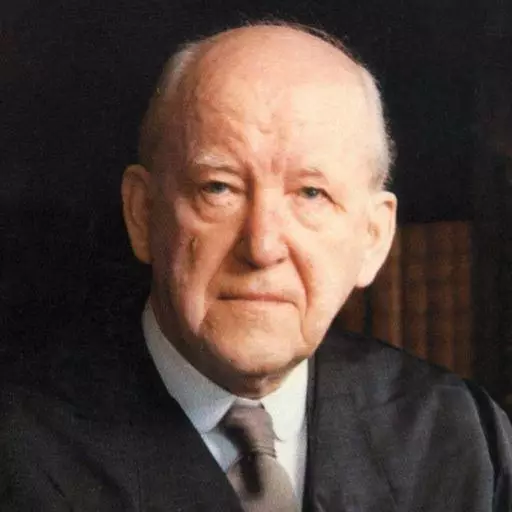
How can the apostle Paul be so exuberant in praise about the grace of God? Why is the grace of God something the apostle constantly writes about? It is because he knew the grace of God; he experienced it and it led to his worship and praise. In this sermon on Ephesians 1:7 titled “The Riches of His Grace,” Dr. Martyn Lloyd-Jones expounds Paul’s words on the riches of God’s grace. By better understanding God’s grace one gets a glimpse into the very character of God. In the riches of God’s grace they see that He gives fully, freely, and abundantly. It can be no other way. He must give grace liberally because of who He is. Pastorally, Dr. Lloyd-Jones applies God’s grace to the Christian by highlighting their desperate need for it. Thankfully, His grace is sufficient for all needs. Millions have drunk from it, yet it is still bubbling up, offering assurance for all who come and drink from it. The gracious and good news of the gospel is the free and full forgiveness for those who are in Christ Jesus according to the riches of God’s grace.
Dr. Martyn Lloyd-Jones: I should like to call your attention this morning to the words which are to be found in Paul's epistle to the Ephesians, the first chapter and the seventh verse. The seventh verse in the first chapter of Paul's epistle to the Ephesians: "In whom we have redemption through his blood, the forgiveness of sins, according to the riches of his grace." I want in particular this morning to deal with that last phrase, "according to the riches of his grace."
We come to consider this word, this verse for the third time and I trust that I need make no apology for doing so. There are many ways of considering and of studying the scripture and by now I think it must be perfectly plain and clear that I am a follower and an exponent of one particular method. I regard the scriptures and these great statements as being similar and comparable, if you like, to a great art gallery where there are great and famous and wonderful paintings hanging upon the walls.
Now there are some people who visit such places in some such way as this: they buy a copy of the guide at the door and with guide in hand they walk round the gallery. They notice that item number one is a painting by Van Dyke, let us say, and they say, "Oh, that's Van Dyke." And then they pass on to item number two and there is something by Rembrandt and "Oh, that's Rembrandt, a famous picture." And they go on to number three and so on.
Well, I'm prepared to grant and to admit that that is perhaps a possible way of viewing the treasures of an art gallery. And yet there is something within me that makes me feel that when such a person has gone right round this art gallery and has said, "Well now we've done the National Gallery and let us now go to the Tate Gallery" and proceed to go round the Tate Gallery in the same way and really believe that they have done both of these famous galleries, there is something within me that makes its protest and makes me feel like saying that they've never seen either and that really they've never stood before and gazed upon and seen the treasures that are there before them.
Well now it's exactly the same with the scripture. There are people who walk through this first chapter of this mighty epistle to the Ephesians in some such manner as that. They see verse three and oh, that's election. Verse four, that's predestination. Verse five, that's adoption. Verse six, that's grace. And they tabulate it and they classify it and they feel they've done the epistle to the Ephesians. But have they? Have they really discovered the truth?
Ah, my friends, it seems to me to be much better to stand if necessary for hours before a masterpiece, before something that has been given to us by God himself through his spirit. Let us look at it and gaze upon it and try to receive the totality of its riches if we can before we pass on. There is a danger, in other words, that we may be familiar with the letter of the scripture but never really receive the spirit. We may be familiar with the superficialities, with the mechanics as it were, and may have that kind of superficial knowledge of and acquaintance with the statements of scripture. But after all the scriptures were meant to feed the soul and to enrich the mind and to move the heart. And if we are to experience that, well I say we must tarry with these things. We must drink in, we must take the fullness and only then move on to something else.
Very well, we are looking at this great statement for the third time and especially this morning I say we stand and look at this particular part of it: "according to the riches of his grace". There is surely a point at which everyone must want to stop. There is something which surely all must feel like analyzing because there is nothing in the whole range of scripture which is richer than this particular statement. Indeed this entire verse contains within itself the essence of the whole gospel. And that is the amazing thing about it, the way in which the apostle under the inspiration of the spirit is able to reduce it all to this phrase which he puts before us and then expects us to meditate upon and to pray over and to think about until our hearts shall be ravished by it even as his heart undoubtedly was when he first wrote it.
Now you notice the way in which the apostle comes to this particular statement. He has first of all reminded us that the method or the mode of our salvation is by ransoming. He uses the word redemption specifically in order to bring us that idea. Then having told us that from our terrible plight we have been delivered by ransoming, he tells us that the first thing that we appreciate as the result of that and the first thing that we realize is the forgiveness of sins. That is the first immediate result as we saw last Sunday morning. But now he can't leave it at that and he never could. What is it that makes all this possible? What is it that gives us this ransoming, this forgiveness of sins that we enjoy? And the answer is, as it always must be, the riches of his grace.
Of course in a sense the apostle has already been saying this. There's nothing else to say. He's been saying it from the very first verse. He says it everywhere. He himself is an apostle by the will of God, which is just another way of saying by the grace of God. For if God had not been a God of grace, he could never have willed such a thing with such a man. So he's already been saying it and repeating it time and again from the very beginning. But you never tire of a thing like this, it's everything.
But we do notice that there is one change. The apostle in the sixth verse for instance has used this term grace, but there you notice he says, "to the praise of the glory of his grace." But here there is something different. Here he speaks of the riches of his grace. Grace as he thinks of it in verse six and as we saw when we were studying it, grace is one of the manifestations of the glory of God. It is one of those facets of that eternal brightness that flashes upon us. Everything in God is glorious and the glory of God is manifested in an infinite variety of ways and grace is one of them and one of the most notable. So there it was "the glory of his grace".
But here there is this change to "the riches of his grace". Why the change? Well, it seems to me that the answer is perfectly clear. There in that sixth verse, as a part of the whole statement of verses three to six, the apostle was looking at salvation from the Godward angle or standpoint if you like. And there naturally the thing that strikes him above everything is the glory of God's grace. But here he's already been thinking of us. He's talking about the forgiveness of sins so he is looking at it from the manward aspect. And grace whenever it's looked at from the manward side is always something that must convey to us this idea of riches. And that is why the apostle introduces the phrase at this point.
Now this is of course one of the apostle's most characteristic and obviously one of his most favorite statements. Here he is talking about the riches of his grace. Listen to him in the second chapter verse four: "But God," he says, "who is rich in mercy for his great love wherewith he loved us." Same idea. There it is in the seventh verse of the second chapter again: "that in the ages to come he might show the exceeding riches of his grace in his kindness toward us through Jesus Christ." And again in the third chapter in the eighth verse you have it: "Unto me who am less than the least of all saints is this grace given, that I should preach among the Gentiles the unsearchable riches of Christ." You see he can't stop saying it.
It obviously was the thing that filled the mind and the heart of this mighty apostle. It was something that ravished his heart. Grace was to him in the words of Philip Doddridge a most charming sound, melodious to his ears. It was the thing I say that had ravished his heart and had moved his entire being and he never mentions the word grace in a sense except that he goes off into some kind of ecstasy and produces his superlatives and all his great adjectives. The thing had so gripped him and amazed him and moved him that he can scarcely control himself. And of course that was as the result of the wonderful thing that had happened to him. He never got over it.
He who had been a persecutor and a blasphemer and injurious, insulting. He who thought within himself that he ought to do many things contrary to the name of Jesus of Nazareth. He who had been a self-satisfied, proud, contented Pharisee, boasting and smug in his little self-righteousness, that he of all men should ever have been forgiven and above all called to the apostleship, made a preacher of the gospel, sent out as the special emissary to the Gentiles. He never got over it. And he looked at himself and was amazed. He seems to ask himself, "Is it possible? Am I still Saul of Tarsus? Am I still the same man? And if I am what accounts for my being what I am now?" And there was only one answer: "I am what I am by the grace of God, the riches of his grace".
It was because of that of course the apostle was so constantly moved by it. And his greatest desire in life was that everybody might know this, that everybody might experience the riches of God's grace. There it is you see in that third chapter in the eighth verse. That's his calling: "Unto me who am less than the least of all saints is this grace given." What grace? Well the grace of being a preacher. Why? "That I might declare and preach among the Gentiles the unsearchable riches of Christ." It was the thing that drove him across continents and across seas, that made him preach day and night with tears and pleading. It was the vital motive force in the whole of his existence. It was the thing that constrained him as he puts it. It was the thing that made him say, "Woe is unto me if I preach not the gospel".
The thought of these riches of God's grace and the ignorance of men and women concerning them. And of course it is the one thing that makes him write this epistle to the Ephesians as he tells us. Why does he write for them, write to them? Well he tells us that he's writing to them because they're constantly in his mind and he's always praying for them. What is he praying for them? Well this: "that the eyes of your understanding may be enlightened that ye may know." What? Well the various aspects of the riches of his grace. He goes on and repeats it again in the third chapter exactly the same thing. He says it is for this cause I bow my knees unto the Father of our Lord Jesus Christ that he would grant you according to the riches of his glory—there it is again—to be strengthened with might by his spirit in the inner man. Why? Well for this reason: that they might know the love of Christ which passeth knowledge in its height and depth and length and breadth. That was his desire. It was the thing that led him to write the letter and to be praying constantly for these Ephesians. He wants them to know the riches of God's grace.
Very well, my friends, let me ask a question at this point: do we know them? Do we know the riches of God's grace? Have we experienced them? Are we aware of them? "Ah yes, we've read, we've studied, we've done the epistle to the Ephesians." That isn't what I'm asking. I'm asking do you know the riches of God's grace? There's a very good way in which we can answer that question. To know the riches of God's grace invariably leads to the same result as it did in the case of Paul and that is to make us sing, to make us praise God, to make us rejoice, to rejoice with a joy unspeakable and full of glory.
You see it was because he knew the riches that the apostle writes about them, prays about them, goes into his ecstasies about them, produces his superlatives. It was the thing itself. What can I say? he seems to ask, how can I express what it all means to me? And it's been the same always throughout the centuries. You notice Paul's adjectives: he says that God has caused it to abound towards us. He talks about the exceeding riches of his grace. He talks about the unsearchable riches of Christ. His language seems to be inadequate. The thing itself is so tremendous.
And you notice it's not confined to this apostle. You get it in the hymns. We had it in that hymn that we've just been singing. John Wesley translates that hymn you remember of Count Zinzendorf. And you notice the terms that he there uses: "Whose boundless mercy," he says, "has for me." It's a boundless mercy. There's no limit to it, there's no end to it. Listen to his brother Charles saying the same thing: "Tis mercy all," says Charles Wesley, "immense and free." And Isaac Watts says the same thing. He says, "When I survey the wondrous cross." He doesn't just say "I've seen the cross" and pass on. He stands and he surveys it. He stops there, he can't move, he's transfixed by it. "I survey the wondrous cross."
Now this is something then I say that is characteristic of all the saints in all ages and irrespective of any natural differences which may be true from case to case. And therefore I ask my question: do we know the riches of God's grace? Ah my dear friends, I'm increasingly convinced that it's our failure at this point that accounts for all our troubles and all our problems and all our failure. Our lives most of them as Christians are bound in shallows and in miseries. How different we are from these New Testament people. Where is the note of triumph and of joy and of praise and of thanksgiving? Are our hearts moved and ravished? Do we know something ecstatic?
Not that we ask for feelings or ecstasies as such but I say that no man can appreciate true wealth and riches without responding to it in amazement. There is no question at all that one of the most delicate and subtle and sensitive tests of our Christian profession is the extent to which we are amazed. I've reminded you that Paul never got over it. He was amazed at himself, amazed that he was a Christian, amazed that he was an apostle and a preacher. Amazement. "Love so amazing, so divine." Have we seen it? Have we appreciated these riches?
Now I'm suggesting that it is because so many of us haven't that we are constantly grumbling and complaining and asking questions and we can't see this and we can't understand that and our whole life is miserable and we look miserable and we never attract a soul to Christ and we expect somebody else always to be doing it for us instead of being all of us evangelists as we should be in our daily lives and living. It's because we've never seen this. It's because we don't know it, the riches of his grace. Very well, let us look at it together hurriedly this morning. I say hurriedly advisedly because with a theme like this you can only indicate certain aspects which I trust will lead us to meditation and to thought and to contemplation when we've gone home and as we use this day to the glory of God.
Now then, how do we estimate riches? How do we compute this great wealth? I know that in a sense I'm essaying an impossible task because the apostle himself has said to know the love of Christ which passeth knowledge. But the fact that we can never spend it and fully comprehend it doesn't mean that we don't look at it at all. No, no, let's go as far as we can and then let's go on from there the next time and let's go on and on. I believe eternity will be spent in that way by most of us. That is heaven it seems to me. That is the glory of eternity: discovering fresh aspects of the riches, entering into further wonderful appreciations of this glory of God's grace.
Well now then, the first test I would suggest is this: a good way of telling the worth and the value of great riches is to know something of the price that was paid for it. It's a good test with a painting, isn't it, a picture, or with any work of art. What's it valued at? What's the price that has to be paid before it can be possessed? I'm not staying with this this morning because in a sense we've already considered it. But God forbid that we should be so mechanical as to say because we considered it last Sunday that we don't mention it today. There should never be a service or an occasion when we don't mention the precious blood of Christ. "In whom we have redemption through his blood".
I confess the Christians I don't understand are those who stay at home on Sunday night saying, "Ah, we know the evangelistic message." Do you? Do you know all about the blood of Christ? Do you feel you really know so much about it and all about it in that sense that really it can add nothing fresh to you? A Christian who doesn't receive something in an evangelistic service is to put it at its very lowest in a most unhealthy condition. If your heart isn't made to beat faster every time you hear about the blood of Christ, you're not like the apostle Paul. That's the cost. That's the price. "In whom we have redemption through his blood".
Not of gold and silver, not platinum, uranium, not the most precious metals in the world. No, no. The blood of the Son of God, the poured out life of him by whom all things were made and by whom all things consist. That's the value. That's the way of estimating the riches of God's grace. But let me come to other aspects. The second I would mention is this: the munificent way in which God gives us these riches. That is in itself an expression of the riches. Now this is in a sense the great theme of the whole Bible. We have redemption through his blood according to the riches of his grace. It means this: that all we have is not the result of our request to God. It is all from God.
Now it's a very wonderful thing if you go to a great or a wealthy person and make a request or ask for a gift and he having considered it says, "Very well, I'll give it to you." You're very grateful and rightly so and that's a very wonderful thing and he's generous because he does it. But oh when we think of this great salvation that kind of thing must vanish out of our thoughts altogether. God doesn't forgive us because we ask him to forgive us. God didn't send his Son into the world because mankind kept on pleading with him to do so. There is no part, there is nothing in salvation which is given to us by God by way of response to a request from us, none whatsoever. It is all and entirely and absolutely from God.
The riches of his grace is given without being asked. He's poured it out without any request. It is indeed in spite of us. In spite of our being enemies and aliens and rebels and turning our backs upon him, it is in spite of all that that God has done it all, the riches of his grace. The wealth you see that overflowed as it were in spite of us. Or another way you can look at it is to look at it like this: that the apostle is emphasizing here that God gives to us not in a grudging manner but with a kind of liberality and largesse which baffles description. James I think had something like this in his mind when in that first chapter you remember he tells us that if any of us lacks wisdom we should ask God.
And he says of God who giveth liberally and upbraideth not. What a wonderful conception. If I may say it with reverence, God can't give in any other way. God doesn't give grudgingly, he can't. The nature of God makes that impossible. God must be liberal. He giveth liberally. He giveth altogether. God can only act in one manner because he is God. And that is that he gives with this fullness, with this freedom, with this superabundance, without let or hindrance or limit. God gives all as it were always. He doesn't give grudgingly. The apostle's way of putting that of course is as I've already reminded you in the third chapter to say that it passeth knowledge.
He talks about measurements as we're bound to. We think in terms of height and depth and length and breadth and we must, we are in time and we are bound by measures and we've got ideas of vastness and we've got our telescopes, our theodolites, we can measure and we can chart these things. "Very well," says Paul, "come along, bring all your measurements and all your agencies, let's try to measure it. Let's try to put it on paper: height, depth, length, breadth. Nonsense," says Paul, "go as far as you can and still you haven't begun. It passeth knowledge. It's a never ebbing sea. You think you see across it and you swim out into it and then there's still another horizon and another and another and another. It's God. It's eternity. It's endless. It's a vast abyss. It passeth knowledge."
Oh the riches of God's grace. They're as large and as great and profound as God himself. Because you see when God did this thing for our salvation he gave himself in his Son. And so all the riches of God's grace are really God himself. He's treasured up all his treasures of wisdom and of grace in the Son. It's all in Christ. So the measure of the riches of God's grace is the measure of the person of the Son of God. So we can say in our puny inadequate language that the riches of God's grace are inexhaustible, the riches of God's grace are illimitable, the riches of God's grace are all-sufficient.
And that's the astounding thing. You and I this morning needy, needing so many things. We've come into a large place, as the psalmist puts it. We've come into a wealthy place. "I cried unto the Lord in my distress and he brought me into a large, into a wealthy place." That's where we've come. That's where we always come when we come to consider the gospel. And my friend, it is my privilege to say this to you: that the riches of God's grace for you and for me this morning are inexhaustible. The saints of the centuries have been drinking out of this fountain. It's as full this morning as it was at the beginning. Millions yet will drink out of it, it'll still be bubbling up to the very surface. It's inexhaustible, it's endless.
And it is all-sufficient. I cannot what your need may be. I cannot what your problem. There is nothing that can ever afflict the human heart, the human life but that it is dealt for. Jesus doeth all things well. If a man comes to me, says Christ, he shall never thirst again, never, never thirst. All-sufficient, fully satisfying. "Very well," says someone, "you are using your terms and your adjectives. You are dealing in generalities. Can't you come down to particulars? When you say that there is everything I need in Christ, I don't follow you. I feel full of need at this moment. What exactly do you mean? You're baffling me, you're dazzling me in a sense by your superlatives. What does it mean in detail?"
Well I can only mention some of the things this morning. Here we are going to look at some of the details of this riches of God's grace. First of all, the thing he's already mentioned: free forgiveness. Free forgiveness. The riches of his grace. No payment whatsoever. He doesn't demand anything. Ho everyone that thirsteth, come ye to the waters. Come, buy without money and without price. Have you realized that? I think there are some in this congregation who are unhappy in their spiritual lives and existence because they haven't realized that first truth. They're still trying to bring some kind of cash. They're still trying to bring some sort of payment. They say, "I'm not good enough yet, I'm trying to be." My dear friend, give it up. It's without money and without price. Not a farthing, not a cent. There is nothing demanded as payment, there will be nothing received as payment. It is the riches of his grace.
Is there anything more insulting to a person who's giving you a gift out of the largesse of his heart and of his mind than to put your hand in your pocket and say, "Now I'd like to give you something for that"? It's insulting. And haven't we all been insulting the almighty God? Realize my friend that salvation is as the result of the riches of his grace. Nothing to pay, absolutely free. It's the free grace of God. It is a free salvation. "Just as I am without one plea but that thy blood was shed for me." That's the language of the Christian. "Nothing in my hands I bring, simply to thy cross I cling. Naked come to thee for dress, helpless look to thee for grace." That's it. The riches of his grace.
It's a free forgiveness. But come along, it's a full forgiveness. That's still more marvelous. I mentioned it last Sunday morning, let me just say a word in passing therefore. Let me put it like this this morning: when God forgives your sins, he keeps nothing at all back. It's a full forgiveness. There's no reservation. There are no conditions even. He doesn't say now I'm going to forgive you on condition, not at all. "I forgive you," says God, "because he bore the punishment of your sin." He justifies us freely, fully. Your past sins are forgiven, your present sins are forgiven, your future sins are already dealt with there. There are no conditions, there are no reservations. It is a full forgiveness.
Oh the riches of his grace. Shall I say something that some of you may sound—that may sound daring to some of you? If you are a Christian, do you know God's book of the law as far as you are concerned is put on one side? That ledger will never be brought out again. We are justified once and for ever. It is a full forgiveness. Oh the riches of his grace. More than that it is a complete reconciliation to God. If you believe on the Lord Jesus Christ, if you believe that he's died for your sins and borne your punishment, if you're resting only upon him this morning, I suggest to you, I tell you, I proclaim authoritatively to you that you have a complete reconciliation to God.
Did you know that? Did you know that there's nothing between you and God because Christ has died for you? Did you know that you've been fully restored to the fellowship of God as much as Adam had it before he fell and more because you're in Christ? Are you enjoying this full fellowship with God? When you go to God in prayer do you go with a craven spirit, hesitant and doubtful, or do you go realizing that the way to God is absolutely open by the blood of Jesus? That's the teaching of the scripture and it's an aspect of the riches of his grace.
I'm afraid that many of us you know are like the prodigal son, aren't we? Yes, in desperation we go back and we go home and we believe certain things. But oh how inadequate was his idea and his conception of his father's love. He was going in fear and trembling and saying, "Father, I've done this, make me as one of thy hired servants." "What are you talking about boy," says the father. "Bring out that robe. Bring out the ring. Go and kill the fatted calf." That's God's way. A full reconciliation, as if that prodigal boy had never done any wrong, as if he'd never been insulting before he left home, as if he'd never left home at all. Everything's forgotten and banished. The reconciliation is a complete one, it's an entire one. It's like that with God as far as you and I are concerned if we are trusting to Christ. It's a full reconciliation.
Oh it was all in that hymn that we sang just now, that translation of Count Zinzendorf's hymn. Yes, but you know the riches of God's grace go beyond even that. Not only is all that true of us according to the riches of God's grace we can know it. We can have knowledge of it and assurance of it and certainty concerning it here and now. It would be a marvelous and a wonderful thing if God had thus reconciled us in Christ and hadn't told us that he'd done so, wouldn't it? It would be a marvelous thing if all of us when we came to die had a sudden surprise. All through our lives we'd felt we'd sinned against God and that he couldn't forgive us and we'd been miserable and unhappy. But at last at the moment of death God suddenly tells us, "You know I'd forgiven you all the time since you trusted in Christ." That would have been marvelous to be told at the end.
But we are talking about the riches of God's grace and God doesn't do it like that. God doesn't merely do it, God does it and he tells you that he has done it. Full assurance of faith, full assurance of hope. We rejoice, being therefore justified by faith we have peace with God and rejoice. That's it. And it's everywhere in these scriptures. You have no right as a Christian not to know that your sins are forgiven. You have no right to be lacking assurance of salvation. It is your birthright. God's given it, it's a part of the bargain. It's something he's thrown in as it were according to the riches of his grace, to know it.
Oh but time passes and words fail me. Sonship, adoption, we've already dealt with them. Go back over them. Repeat, revise. Don't say we've done adoption, go back to adoption and stay there until you're on your feet praising God because you've been adopted. You don't understand adoption until you've done that. To be in Christ, there it is again. And go on and consider the gift of the Holy Spirit, the thing the apostle's bringing in later on in this first chapter: our being sealed by the spirit of God until the time of the redemption of the purchased possession, the gift of the spirit. The power of the Holy Spirit working in us, that's the thing again he prays for at the end of this first chapter and again in the third chapter. He says if only you knew this exceeding greatness of his power towards us that believe.
You see God doesn't just save us and forgive our sins and then leave us to ourselves to fight the world and the flesh and the devil. No, no. He's given the gift of the spirit and by the spirit Christ dwells in us and he is able to do for us exceeding abundantly above all that we can ask or think. There it is. Don't talk to me about problems. Emphasize if you like the devil and the world and the flesh, but here is the power that brought Christ up again from the dead offered to you according to the riches of his grace. That's a part of it.
And then something else which in many ways is the most wonderful thing of all. Listen to the apostle saying it in the second chapter. Here he is telling us this astounding thing about us: that we all of us have got access into the presence of God as the result of the riches of his grace. "For through him, through Christ, we both have access by one spirit unto the Father." Heaven means being in the presence of God and enjoying him without let or hindrance or restraint. Do you know that according to the riches of God's grace we are given a foretaste of that here in this world? We have access to the Father. By Christ through the spirit, it's all the result of the riches of his grace.
Oh my beloved Christian friends, do you know God? Are you enjoying God? Are you enjoying a life of fellowship with God? Do you know God intends you to have that? It's a part of the riches of his grace. It was one of the reasons for sending his Son and you mustn't be content with anything less. You must believe these words, you must believe the message. Don't wait for a feeling, take the word first and act on it. Believe it, accept it. God has made this possible and we are to receive of these riches. And then he goes on to talk about Christ dwelling in our hearts by faith. Indeed he goes on to say something still more astounding: we are to know the love of Christ which passeth knowledge that ye might be filled with all the fullness of God.
Don't ask me what that means, I can't tell you, I don't know. But I do know this: that if Christ is in my heart, the fullness of God is in my heart and I believe that is so. The thing is we're to enjoy it more and more. The fullness of God. Christ in our hearts by faith I say then and all this fullness and spiritual manifestations of the Son of God. Times when he comes to you and you know he's there. Not that you see him with the naked eye, but you know and feel that he is present. All that's offered according to the riches of his grace. Not only forgiveness and then the weary struggle and the ignorance and the hoping. No, no. Children of the heavenly king as ye journey sweetly sing. Do you know that celestial fruit can grow even in this earthly ground that we are still on? We have the first fruits, says Paul. We have tasted the foretaste of all that God has got in its fullness for us awaiting us in heaven.
And then think of the armor that he speaks of in the last chapter of this great epistle. Every provision that we need that we may withstand in the evil day against the wiles of Satan, every part of us covered completely. There are some aspects of the riches of his grace. And all this of course leads to joy and it leads to peace and it leads to love. It leads to a sense of security and of safety. And all that remember is simply with reference to our life in time and life in this world. And then lift up your eyes. Awaiting us the hope of his calling and the riches of the glory of his inheritance in the saints. The inheritance incorruptible and undefiled and that fadeth not away reserved in heaven for us who are in Christ. It's all there and it's all a part of the riches of his grace. We shall see him, we shall be with him, we shall reign with him, we shall enjoy him, we shall be lords of the universe with him. That's the riches of God's grace.
You see we need to have corrected the ideas of the prodigal son. When we go back to God we don't go back as servants, we go back as sons. And we enjoy all that the Father's heart and love have for us. And my dear friends, all that is being offered to you and to me this morning. Shall I end then by putting it in the words of a well-known hymn? What you and I must say as we contemplate all this is just this: "Just as I am and waiting not to rid my soul of one dark blot, to thee whose blood can cleanse each spot, Oh Lamb of God I come. Just as I am, poor, wretched, blind, sight, riches, healing of the mind, yea, all I need in thee to find, Oh Lamb of God I come." Poor pauper, rise up and in your rags and your penury, go to him. Receive of the riches of his grace. Believe him when he tells you that all this and infinitely more is available now and hold out your hand and receive it and rejoice and begin to be amazed at the riches of his grace. Amen.
Featured Offer

Find peace and comfort this season with your complimentary guide that includes access to 6 free bonus sermons on overcoming spiritual depression from Dr. Martyn Lloyd-Jones, one of the church’s most beloved Bible teachers. Topics include: true Christians can and do struggle with depression, recovering the joy of your salvation, dealing with crippling guilt over past sins, dealing with yesterday’s haunting regrets, encouragement to keep moving forward, and understanding God’s purpose for suffering.
Past Episodes
This ministry does not have any series.
Featured Offer
Find peace and comfort this season with your complimentary guide that includes access to 6 free bonus sermons on overcoming spiritual depression from Dr. Martyn Lloyd-Jones, one of the church’s most beloved Bible teachers. Topics include: true Christians can and do struggle with depression, recovering the joy of your salvation, dealing with crippling guilt over past sins, dealing with yesterday’s haunting regrets, encouragement to keep moving forward, and understanding God’s purpose for suffering.
About From the MLJ Archive
From the MLJ Archive is the Oneplace.com hosted ministry of the MLJ Trust. Our mission is to promulgate the audio ministry of Dr. Martyn Lloyd-Jones.
About Dr. Martyn Lloyd-Jones
Contact From the MLJ Archive with Dr. Martyn Lloyd-Jones
info@mljtrust.org
http://www.mljtrust.org/
PO Box 953
Middleburg, VA 20118