
The Final Consummation


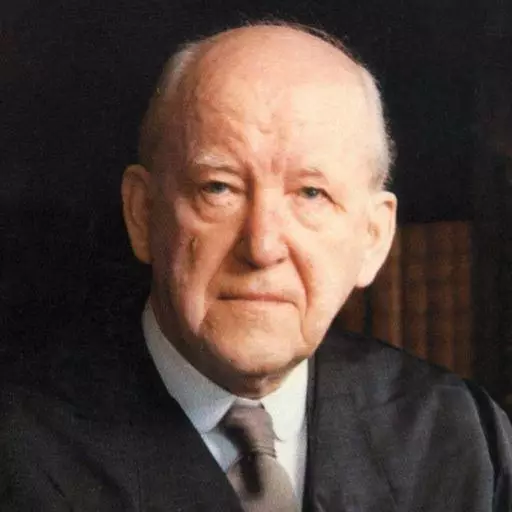
Can a Christian ever err by focusing on the future glory too much? Is it possible to spend so much energy looking to the future that they underestimate the present power of Christ? In this sermon on Ephesians 1:19–23 titled “The Final Consummation,” Dr. Martyn Lloyd-Jones focuses on these questions. Some evangelical Christians are capable of forgetting the current rule of Christ. Forgetting that the Son of God is at the right hand of God, in honor and authority, can cause hearts to become anxious about their present conditions. The Christian can forget that God the Father has already handed over all authority over the entire cosmos and He is unfolding history. One must balance their anticipation of Christ’s visible rule with His current invisible reign. There also is great assurance for the church when one contemplates Christ’s current rule over the cosmos. They are reminded that the Father gave over all things to Christ for the church. Therefore, what is true of Christ now is true of His church now. There is no need to vie for a position of honor; the church has that through its union with Christ. Listen as Dr. Lloyd-Jones brings together many important themes of Christian doctrine in order to encourage the saints.
Dr. Martyn Lloyd-Jones: The words to which I should like to call your attention this morning are to be found in Paul's Epistle to the Ephesians, the first chapter, and I shall read from verse 19 to the end of the chapter. Verse 19 to verse 23 in the first chapter of Paul's Epistle to the Ephesians.
"And what is the exceeding greatness of his power to us-ward who believe, according to the working of his mighty power, which he wrought in Christ, when he raised him from the dead, and set him at his own right hand in the heavenly places, far above all principality, and power, and might, and dominion, and every name that is named, not only in this world, but also in that which is to come: and hath put all things under his feet, and gave him to be the head over all things to the church, which is his body, the fullness of him that filleth all in all."
Once more I would call attention to the message of this great chapter and especially to this prayer that is here to be found at the end of the chapter. The Apostle, having reminded these Ephesians of the great salvation which they now were sharing with the Jews, the Jewish Christians, having displayed all that to them, begins to pray for them and tells them how he constantly is praying for them. He thanks God for them, but he doesn't stop at that. He thanks God for their faith and for their love towards all the saints. But he goes on to offer petitions for them.
His great petition for them is that they may have the spirit of wisdom and of revelation in the knowledge of God. The end of all things is the knowledge of God. It is the goal of the Christian faith and the Christian life. And however much we may be enjoying blessings and experiences, if we don't come to an ever deeper knowledge of God, we are failing.
But he doesn't leave it at that. He prays also that the eyes of their understanding may be enlightened, that they may know certain things in particular. And there are three main things, you remember. The first is that they may come to know what is the hope of their calling. Secondly, what is the riches of the glory of his inheritance in the saints. And thirdly and lastly, what is the exceeding greatness of his power to us-ward that believe.
Now, we are considering that. We've been looking at this great chapter, conceivably the greatest single chapter in the entire scriptures. We've been looking at it for a long time. For those who are statistically minded and those who attend here regularly, it may be of interest to notice that this is the 38th time that we have looked at this chapter together. And so we bring to a conclusion this morning our consideration of the message of this noble and moving and most eloquent statement.
And we deal again, I say, with this last petition. The Apostle is so anxious that these people may know the exceeding great power of God, the energy of the strength of God's might that is working in them. He doesn't pray that they may have more power. You notice that what he prays for is that they may come to know and to realize the power that is already working in them.
And that is characteristic of his message everywhere. He prays it urgently because obviously there is nothing which is so strengthening to faith, nothing which will so enable us to continue in the Christian life and warfare as a realization of these things. Now let me put that again once more in the form of a principle.
I think all Christian people are anxious to have joy and to have power in their lives. But far too frequently, we make the mistake of approaching the situation much too subjectively. Of course, experience is essential. And if we haven't experience of the truth, our knowledge of it is valueless. It is meant to lead to experience. But there is nothing which is so fatal as to concentrate on experience only.
The way to have a rich experience in the Christian life, as I understand the New Testament, is to grasp the New Testament teaching, to grasp the New Testament truth. And that is why the Apostle is praying for this. Desiring as he does that these Ephesians may enjoy their Christian life and that they may triumph in it, he knows the high road to that is this: that they may know this truth which God has revealed through the Spirit and that they may understand it and grasp it and live in its strength and in its power.
In other words, the way to a rich subjective experience is a clearer objective understanding. People who neglect doctrine will never have a big experience. The high road to experience is truth. And to concentrate on experience alone is generally to find your Christian life bound in shallows and in miseries. Well, very well, that's what the Apostle is doing here. And I say that he's anxious that they should understand this exceeding great power of God that is working in them.
He knows they can't understand it without the illumination of the Spirit, so he's prayed that the eyes of their understanding may be enlightened. Now, we've already looked at this in general. We've considered the Apostle's exact description of the power, the terms he uses. We've gone on to consider why it is we need this power.
We have seen that we cannot even believe the gospel apart from this power of God that works in us. A man by his own energy and power cannot believe the gospel. The natural man understandeth not the things of the Spirit of God; they are foolishness unto him. How can a man who is dead in trespasses and in sins do anything spiritual? He can't. We all must be quickened by the power of God. And if we are believers in the Lord Jesus Christ this morning, it is entirely because the power of God has been working in us.
But we need it as we continue in the Christian life. And we've considered that. And then last Sunday morning, we came to this: the Apostle tells us that this power comes into us and works in us and through us in terms of our relationship to the Lord Jesus Christ. You remember he's got a doctrine of the church here. He says, the church, which is His body, the fullness of Him that filleth all in all.
So that we saw that the energy and the might and the strength of God in Christ comes to us in exactly the same way as nervous energy comes to every part and portion of the body from the brain, through this intimate, organic connection of part with part. As every muscle in my body, in my limbs, receives its force and its energy and its power originally from my brain, so every member of the body of Christ is intimately connected with Him, is in an organic relationship to Him, and His energy comes through to us. That's how it works.
So that you see, the important thing for us is to realize two things. The first is obviously what is true about Him. And then the second thing is our relationship to Him. Now, all the energy that I have as an individual Christian comes to me because I am a member in the body of Christ. And the energy in the members is the energy that comes from the head. Well, now then, if I am to know, therefore, the exceeding greatness of God's power towards me as a believer, the thing that I must take hold of is the energy that is in the head, the resources that are in Christ, the everlasting, illimitable power that God has placed in Him. He's treasured up in Him all His treasures of wisdom and of grace and of glory and of power. It's all there, and I am in Him. That's the thing I've got to grasp.
And then I say, I must be perfectly clear as to this doctrine of my intimate union with Him as a member of the body, and that what is true of me is true of all other Christians in exactly the same way. Very well, let's proceed to look at it together hurriedly. If I may say so in passing, and you'll forgive me for this, I rather like finishing on this note. There is no better note to finish a period of service on than this: the glory and the preeminence of Christ.
We've seen how the Apostle keeps on repeating the blessed name as he goes through his chapter. He starts with Him: "Paul." What is Paul? He's an apostle of Jesus Christ. When he comes to a benediction, this is it: "Blessed be the God and Father of our Lord Jesus Christ." He goes on repeating the name. He rejoiced in it, he gloried in it, and in it alone. And therefore let us, I say, look together at His glory, at His greatness, at the power of His might, which comes into us and is working in us.
What is it that is true of Him? Well, let's first of all look at the actual description. The Apostle tells us that if we are to understand this power working in us, we must see it as it is illustrated in what God has done in Christ, which He wrought in Christ when He raised Him from the dead. I've already dealt with that, so I won't stay with that this morning. But what a display of power that was when all the forces of evil and of hell, when death and the grave, were trying to hold Him. He was raised by the mighty power of God. Death couldn't hold Him; the grave couldn't contain Him. He burst asunder the bands of death, the power of God.
Ah, but it doesn't stop at that. There is something still more wonderful: which He wrought in Christ when He raised Him from the dead and set Him at His own right hand in the heavenly places. That's it. That's the place where our blessed Lord is at this moment. God raised Him from the dead and set Him at His own right hand.
What's it mean? Well, that is always the mark, is it not, of honor, and likewise the mark of authority. If you want to pay any person honor, you put such a person to sit at your right hand. If it's a dinner, if it's a party, whatever it is, that's the way to honor a friend or a person, a visitor, is to put such a person at your right hand. It's the place of supreme honor. And it is there that the Lord Jesus Christ has been set by His Father. The highest place which heaven affords is His, and His by right.
Yes, but it not only marks honor; it is also indicative of authority. The right hand is always the place of authority. And the Apostle here reminds us that God has raised His Son from the dead and has placed Him there, and has thus placed upon Him, as we shall see, a peculiar authority at the right hand of God. Now, it's very difficult for us to take this in, but the scripture is full of it.
You've got it, you remember, in that great passage in the second chapter of the Epistle to the Philippians: "Wherefore God hath highly exalted him, and given him a name that is above every other name," and so on. Same idea. The right hand of God, honor and authority. There is no higher position; there is no greater place. And He's there.
But the Apostle, you see, was so moved at the thought of it that he goes on in his description of it. Has set Him at His own right hand in the heavenlies, far above all principality, and power, and might, and dominion, and every name that is named, not only in this world, but also in the world which is to come. Now, there He is, set above all powers.
Now, of course, the learned commentators, as is their way, when they come to this passage, they spend most of their time, alas, in trying to work out as to who these powers and mights and principalities and dominions, etc., are. Are they thinking of evil angels or of good angels? That's their question, and they discuss it.
It seems to me the answer is perfectly simple. He has been placed in a position of authority and honor which is above that of all powers. There are evil powers, and they're tremendous powers. We wrestle not against flesh and blood, says this same man at the end of this Epistle, but against principalities and powers, against the rulers of the darkness of this world, against spiritual wickedness in the heavenlies. Men and women who underestimate the power of the devil and of hell and all their cohorts are mere tyros in this Christian faith.
The world is as it is today because of these principalities and powers, these unseen spiritual forces. But the Son of God is above, far above them all. Greater in might and dignity and majesty and position. But I believe that this refers not only to such powers, but also to the angels, the good angels, the blessed angels. He has been set above them all.
Now, you can find the perfect description of that if you read the first chapter of the Epistle to the Hebrews, where the author tells us something about the greatness of the angels and their power, and then he ends it by saying, but after all, they are but ministering spirits. They're not the Son. They haven't this uniqueness. He hasn't said to any of them, "Thou art my son, this day have I begotten thee." That is reserved only for His own Son.
So that I believe that here the Apostle is telling us that the Son of God, our Lord Jesus Christ, is elevated and exalted this moment even above the archangel Gabriel, beyond Michael, the express special servants of God. He's above them all. He's even at the right hand, sharing the throne with His own Father. Far above all principality and might and dominion and power, etc.
Well now, you see the thing we must hold in our minds: that it's there you measure this power of God which He has displayed in Christ. He has taken Him from earth and has elevated Him and has raised Him to that position. That's the power. But not only that, He says, He has put all things under His feet.
What a tremendous statement. Everything is in subjection to the Lord Jesus Christ. God the Father hath put all things under His feet. He walks upon them. He is master of every one. Or to look at it positively, we look at it like this: and gave Him to be the head over all things. God has made His Son the controller of the universe. He is the controller of the material universe. Wing an angel, guides a sparrow.
When God made the world, He didn't make it, to use the old analogy, as a watchmaker makes a watch and winds it up and leaves it. No, no. The universe is sustained actively by God, and He has handed that over to the Son. He is the controller. He is the head over all things. He controls the stars in their courses, the ocean in its movement, the wind and the rain, the hurricane and the storm, the sunshine, everything. All life is in His hands.
He is the head over all things, the material universe. Yes, but also the moral universe and the spiritual universe. God has made Him the head of it all. He has given Him this dignity. The creator of the universe, the artificer, the controller of the cosmos, has handed it over to the Son. He is in control of everything, everywhere. That's the description.
But now it does seem to me to be vitally important that we should realize certain things in particular with respect to that description. And the first is this: we have to realize that these things are already true. Now, I'm anxious that I shouldn't be misunderstood at this point. But I often have a suspicion and a fear that there are some friends who are so anxious to emphasize the glory of the visible kingdom and reign of Christ which are coming, that they are guilty unconsciously of detracting of what is already true about Him.
They spend so much of their time in looking to the future that they forget the present. And they underestimate the present position of the Lord and of His people. Their attitude seems to be that we've just got to wait now and keep going somehow because of the glory that is coming. Far be it from me to detract from the glory that is coming. It's the thing to which we look. It is the blessed hope on which we should set our affections.
But my friends, let's remember what is true at this moment. God hath wrought these things in Christ. He has raised Him from the dead. He has set Him at His own right hand in the heavenly places, far above these powers. And He hath put all things under His feet. And He hath given Him to be the head over all things.
And it is because I think we often forget this that we are often so fearful and so alarmed and terrified and become so excited because we think that the kingdom of Christ is going to be defeated in this world and we must do something to save it, like the man who put his hand upon the ark to steady it on that cart so long ago. It's because we fail to realize this truth.
The Lord Jesus Christ Himself should have put us right about this. He has already said, "All power is given unto me in heaven and in earth." It's already been given. When He gave that commission to His disciples to go out to preach and to disciple the nations, He says, "Go, remembering that all power has been given unto me. I have it all; there is none lacking." He isn't going to receive it; He's had it. He has it at this moment.
He already is controlling history. It was the Lamb that had been slain that was alone strong enough to take that book with the seals in heaven that John saw in the vision and tear off the seals and open the scroll of history. He's the Lord of history. He's already the Lord of history. Jesus Christ isn't outside history, and history isn't working itself out apart from Him. He controls it at this moment. It's in His hands. He's unfolding it.
"For he must reign," says Paul to the Corinthians in the 15th chapter of the first Epistle. He must reign. He is reigning, and He'll go on reigning until His enemies have been made His footstool. My dear friend, don't allow your thoughts about the coming kingdom to rob you of the realization of the fact that the Lord Jesus Christ is reigning now. He is glorified. The crown is upon His brow. He is the king at this moment. He's going to come in a visible manner, but He is king now as certainly as He will be then.
Let us therefore not fail to realize this. May the eyes of our understanding be enlightened that we may know this. But let me give you one final quotation. It was there in that reading from the second chapter of the Epistle to the Hebrews at the beginning. Here it is: "Thou hast put all things in subjection under his feet. For in that he put all in subjection under him, he left nothing that is not put under him," referring to man. "But now we see not yet all things put under him." Everything is not yet under man. But "we see Jesus, who was made a little lower than the angels for the suffering of death, we see him crowned with glory and honor," already.
Very well then, I say, there is the thing that we have to realize: that this has already happened to the Lord. He is already in that position. God has elevated Him already to that place of honor and authority. But let us also bear in mind that all this has been given to Him and has been done to Him because of what He has done.
In the Epistle to the Philippians in that second chapter, the word which connects the exaltation with the humiliation is this: "Wherefore." It was because He counted it not robbery to be equal with God but emptied Himself and came down and humbled Himself even to the death of the cross. "Wherefore God hath also highly exalted him."
And the Apostle has the same idea here. It is because He came down so low to redeem us and to rescue us that God has set Him at His own right hand. But to me, the most precious part of this statement is this: that all this has been given to Him as the mediator, as the God-man.
There He is at the right hand of God this moment. But remember that He's there not as the eternal Son only. As the eternal Son, He was there from the foundation of—before the foundation of the world. He was there from eternity. He is one with the Father, coequal, coeternal. He always shared it, "the glory which I had with thee from the beginning," He says.
But here we read that God hath raised Him and hath exalted Him to that—what's it mean? Well, He's thinking about Him as the son of man. He's thinking of Him as the God-man. And it's here, I say, we discover the most precious truth of all. Listen to Paul again in that second chapter of Philippians: "Wherefore God also hath highly exalted him, and hath given him a name which is above every other name." Listen to this: "That at the name of Jesus every knee should bow." He doesn't say at the name of the Son of God, not at the name of the Lord, but at the name of Jesus.
It is as Jesus that He's thus been exalted. It is as the son of man. Now what does that mean? Well, it means this, you see: that human nature has been raised to that height of glory. The Apostle's purpose here, as I've not been tired of reminding you, is a very practical one. It isn't a theological disquisition. He's anxious to help these people, and this is what he's saying: you must realize that the power in you is as great as this. It hath taken human nature in Jesus, and it has raised human nature in Him and with Him to the right hand of God, and it's there now with all this authority and power.
Human nature has been elevated to that height in Him. What a staggering thought. The one who is at the right hand of God, far above all principality and power and might and dominion, the one under whose feet all things are and to whom all power and authority has been given, is the one who once was lying helplessly in a manger in Bethlehem, a babe. He's the little boy who was arguing with the doctors in the law at the age of 12. He's the carpenter of Nazareth. He's the young man who went out to preach at the age of 30.
He's the one who knew what it was to be weak and sat down at the side of a well one afternoon because He was tired and couldn't go and accompany His disciples to buy provisions. He's the one who slept of sheer fatigue in a boat. He's the one who was crucified through weakness and apparently defeated by cruel men and their machinations. It is He, Jesus, who has thus been raised.
And that is the way, I say, to measure the exceeding greatness of God's power. Because when He became man, when He took unto Him human nature, He was made like unto His brethren, subject to temptation, subject to these frailties of the flesh, these weaknesses, He was subject to it all. Human nature, He didn't stretch a helping hand, said that second chapter of Hebrews, to angels, but to the seed of Abraham. And that's what He took upon Him. And in Him, your human nature and mine has been raised to the heights.
That's the power of God. God has done all this to Him and has given all this to Him as the mediator, as the God-man, as Jesus. Son of man, Son of God. And then the last special thing that I would emphasize here is this: that God has given all this to Him for the church.
I sometimes wonder how it is that we as Christian people can remain in our seats. Why it is that we are not lost in a sense of wonder, love, and praise. Listen to this: God has raised Him from the dead and has set Him at His own right hand in this supreme position of glory, has put everything under His feet, and has made Him the head over all things for the church. For the sake of the church.
That He might exercise it all in the interests of the church, in order that He might finally redeem His people and present them faultless to God. That's why He's given it to Him: for the church. For you and for me. Not for His own sake. Not that He may be a spectator of the glory of His Father, not that He may exercise this great power and enjoy it, but for our sakes. For the church.
Very well then, what does this mean to us? Let me put it to you in the number—in a number of simple statements. Because of this doctrine of the church as the body of Christ, because I am in Him and a member of His mystical body, I'm almost afraid to say it, but it's the truth. Because of that, what is true of Him is true of me. It's true of all of us who are Christians. The church which is His body. He's given it all to Him for the church, which is His body, the fullness of Him that filleth all in all.
Oh, the privilege of being a Christian. Oh, the honor of being a Christian. You see these poor people in the world vying with one another for some honor or for some position, to be some—at near some notable personality, what they'll pay for it, what they'll sacrifice for it. Yet every one of us, whoever we are and however unimportant this morning, if we are Christians and in Christ, we are sharing in this position.
It's true of us now, positionally. We shall see when we get to the sixth verse of the second chapter that Paul says, "and hath raised us up together, and has made us sit together in heavenly places in Christ Jesus," already. You can't separate the head and the body. You can't sever the trunk from the head. If you do so, the life has ended. What is true of the head is true of the whole body. The head is there; the body's there, mystically, spiritually.
Yes, but you see the whole thing the Apostle was anxious for these Ephesians to grasp was this: that it's not only true positionally of us now. It is going to be true of us actually and absolutely and in fact. Come back again to that second chapter of Hebrews and follow the man's argument. "Don't misunderstand me," says that author, "the world to come about which I'm trying to tell you, God has not prepared for angels, but for us. Not for angels hath he put in subjection this world to come of which we speak, but for us."
And then he quotes his 8th Psalm, you remember. "What is man, that thou art mindful of him?" And then the description. "Thou hast set him over all, thou hast made him the lord of creation, thou hast put all things under his feet." And then he stops and says, "Ah, wait a minute. Am I going too far? Am I going too far when I say that that is what God has destined for man, and that that is what is going to happen to man? Let me see." And then he says, "We see not yet all things put under him." That isn't true yet of man. But, he says, it's going to be true.
Well, how does he know that? Well, this is his own answer: "we see not yet all things put under him," it isn't true yet of man, "but we see Jesus," already in that position. And because we are in Him, it's going to be true of us. "Know ye not," says Paul to the Corinthians, "know ye not that ye shall judge angels? Know ye not that we shall judge the world?"
Know you not that it is true that Christ said this: that as His Father had given Him to share the throne with Him, so we are going to share His throne with Him? We see not yet all things put under us, but we see Jesus. We shall be lords of creation. We shall reign with Christ. We shall share His supremacy. We are members of His body. Nothing can prevent it.
But even now our position is wonderful. Don't you realize the truth about yourselves, says the Apostle to the Corinthians again in the first chapter. They were talking about Paul and Apollos and Cephas and trying to stake their claims. "Foolish people," he says, "all things are yours, whether Paul or Apollos or Cephas, or the world or life or death, or things present or things to come, all are yours, and you are Christ's and Christ is God's." That's true now, because of our relationship to Him.
But let me say a glancing word about the safety of our position therefore. If that's the privilege of our position, consider its safety. Ye fearful saint, ye fearful saints, fresh courage take. Why? Well, let another hymn answer.
"Commit thou all thy griefs and ways into his hands, to his wise truth and tender care, who earth and heaven commands, who points the clouds their course, whom winds and seas obey. He shall direct thy wandering feet. He shall prepare thy way."
So that as you feel your weakness and your ineptitude, and as you're conscious of the forces that are set against you, remember that He, the head of the body to which you belong, is at the right hand of God, with all authority and power in His hands, controlling the universe and the cosmos, everything under His feet, all power given to Him, head over all things. He can direct everything. The wind and the storm, the rain and the sunshine. He can order all things, and is doing so for you. Let us realize the safety of our position.
But that of necessity leads me to say a word about the mystery of our position. "If you tell me," says someone, "that all that is true and that I'm related to Him in that way, why is it that I ever have to suffer? Why is it that I'm ever taken ill? Why is it that calamities ever visit me? Why is it that my crops are ever ruined by storms? Why should anyone dear to me die? Why isn't there, therefore, why isn't it therefore that I'm not having a perfect life without any problems at all?"
The answer is the mystery of our position in Him. We don't understand it, but we know this: this is a part of the process of our sanctification. "Whom the Lord loveth he chasteneth." It isn't that He cannot command all these things; He doesn't choose to. It would be a very bad thing for us if He did. Alas, as the result of sin and its operations within us, He has to chastise us. He knows what's best for us. There are times when we need the sunshine, there are times when we benefit by the storm.
The psalmist can say, "it was good for me that I have been afflicted, because before I was afflicted I went astray." There's many a man who thanked God for loss, for bereavement, for illness, for sorrow. It perfected his soul, his spirit was safeguarded. He knows best. His heart is love, and we are in His hands.
What you and I have to remember therefore is that nothing can happen to us apart from Him, and that all things work together for good to them that love God. It isn't that He can't, it isn't that He doesn't want to. He's concerned about our holiness, about our ultimate happiness, and He orders all things for our good. Let us rest in His love and in the power of His might.
So that finally, we come to this: in the light of this elevated, exalted doctrine, our final position is absolutely certain and sure. The final security and perseverance of the saints is beyond doubt because we are members of His body and because He is set at the right hand of God in this place of absolute authority and might and dominion. There is nothing that is more certain than this.
He must reign till He hath put all His enemies under His feet. Nothing can stop Him. He's the master of them all. He defeated the devil while He was here on earth. He routed him upon the cross. He has mastered him. The devil is under control. He has not uncontrolled power. He's already conquered; he's a defeated foe.
As certainly as the Lord Jesus Christ rose from the grave, we shall rise from the grave, and we shall rise without corruption. We shall be without spot or blemish or wrinkle or any such thing. We shall be faultless and blameless. It is absolutely certain. The fact that the head has risen is a guarantee that the body must rise. We shall rise. We're already risen spiritually; we shall rise physically, materially, bodily. Nothing can stop it.
I am persuaded, therefore, that neither death nor life, nor angels, nor principalities, nor powers, nor things present, nor things to come, nor height, nor depth, nor any other creature, shall be able to separate us from the love of God, which is in Christ Jesus. How can they? He's above them all. Far above them all. All are beneath His feet. He's got all the power, and He governs and controls everything. He's the head of the universe, and I belong to Him. Nor devil nor hell can ever pluck me out of His hands, nor any force nor might. In Him we are safe, we are secure, and our final destiny is assured and certain.
Beloved Christian people, do you know these things? Do you live in the light of them and in the strength of them? Do you now understand why Paul prayed for these Ephesians and all others who were to receive this circular letter with such assiduity and persistence? He prays that the eyes of their understanding may be enlightened.
They must know the hope of their calling; they must be sure of it. They must know something of the exceeding riches of His grace and His inheritance in the saints. Have you tasted the firstfruits? Have my words this morning been idle words? Did you expect me to preach on the Geneva conference or on something like that, and are you disappointed? Are you thinking only of this world, or do you know something about the next?
Have you had glimpses of it? Have you looked into it? Have you tasted of the harvest that's coming? Has it ravished your heart? Has your appetite been stimulated? Are these things real to you? That's what he was praying for. And do you know, feeble, defeated saint this morning, that all this power of God is in you? It's there because you are in Christ. His life is flowing into you. Realize it, believe it, trust to it, act upon it, and it'll come with still greater force.
The eyes of your understanding being enlightened, that ye may know what is the hope of his calling, the riches of the glory of his inheritance in the saints, and the exceeding greatness of his power to us-ward that believe, which he exercised in Christ when he raised him from the dead, and set him at his own right hand in the heavenlies, far above all principality, and power, and might, and dominion, and every name that is named, not only in this world, but also in the world that is to come; and hath put all things under his feet, and hath set him as the head over all things for the church, which is his body, the fullness of him that filleth all in all.
Oh, may God by His Spirit open our eyes to these things. Christian people, realize your inheritance, dwell upon it, meditate upon it, read about it, pray concerning it, until your heart is ravished and moved and overwhelmed. Amen.
Featured Offer

Find peace and comfort this season with your complimentary guide that includes access to 6 free bonus sermons on overcoming spiritual depression from Dr. Martyn Lloyd-Jones, one of the church’s most beloved Bible teachers. Topics include: true Christians can and do struggle with depression, recovering the joy of your salvation, dealing with crippling guilt over past sins, dealing with yesterday’s haunting regrets, encouragement to keep moving forward, and understanding God’s purpose for suffering.
Past Episodes
This ministry does not have any series.
Featured Offer
Find peace and comfort this season with your complimentary guide that includes access to 6 free bonus sermons on overcoming spiritual depression from Dr. Martyn Lloyd-Jones, one of the church’s most beloved Bible teachers. Topics include: true Christians can and do struggle with depression, recovering the joy of your salvation, dealing with crippling guilt over past sins, dealing with yesterday’s haunting regrets, encouragement to keep moving forward, and understanding God’s purpose for suffering.
About From the MLJ Archive
From the MLJ Archive is the Oneplace.com hosted ministry of the MLJ Trust. Our mission is to promulgate the audio ministry of Dr. Martyn Lloyd-Jones.
About Dr. Martyn Lloyd-Jones
Contact From the MLJ Archive with Dr. Martyn Lloyd-Jones
info@mljtrust.org
http://www.mljtrust.org/
PO Box 953
Middleburg, VA 20118