
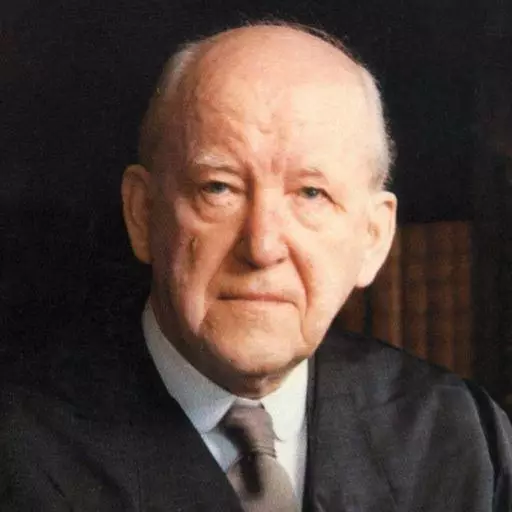
In the Heavenly Places


There is true hope in Christ. One of the most comforting and practical teachings of Scripture is that all who are united to Christ in faith have been seated with Him in the heavens. But what does it mean to be seated in the heavenly places? In this sermon on Ephesians 2:4–7 titled “In the Heavenly Places,” Dr. Martyn Lloyd-Jones brings this great news of hope with the reminder that the Christian has been delivered from this present evil world and its coming judgement because of the death and resurrection of Christ Jesus. For this reason, Christians should seek to set their minds not on earthly and carnal things, but in that which is heavenly and good. Christians should put their hope with Christ who has died in their place and ascended to heaven where He rules. This does not mean that the Christian has no obligation to do good while on this earth, but it simply means that they should be as pilgrims who are always looking toward the inheritance with Christ Jesus in heaven. This affects how Christians are to conduct themselves, for they should seek what is good, pure, and holy, fleeing from all worldliness and immorality. They should not be like the unbeliever who in their worldliness cares for nothing but what is present in the here and now. The Christian should always seek the heavenly inheritance that they have in Christ by believing in His gospel.
Dr. Martyn Lloyd-Jones: I should like to call your attention this morning to the words which are to be found in Paul's Epistle to the Ephesians, the second chapter, verses 4, 5, 6 and 7. Verses 4, 5, 6 and 7. In the second chapter of Paul's Epistle to the Ephesians.
We come back once more to this mighty and marvelous statement, then which surely we can say without any hesitation whatsoever, there is nothing more glorious in the entire range of scripture. It is one of the great and greatest evangelical statements, the full content of the scripture being presented.
And therefore it behooves us to consider it carefully together that we may understand and receive something of its rich and abounding content.
Now, we have looked at it already several times. The point which we must bear in mind is this, that the Apostle here is working out an analogy. He has been praying for these Ephesians that the eyes of their understanding may be enlightened. He wants them to know three things: what is the hope of their calling, the riches of the glory of God's inheritance in the saints.
And especially the exceeding greatness of God's power to usward that believe. Now, he is elaborating that third petition. He wants us to realize that the power that works in us is nothing less than the selfsame power that was exercised in the raising of the Lord Jesus Christ from the dead. And he works it out. He has hinted at this, he has laid it open to us at the end of the first chapter, and here in the second chapter, he proceeds to elaborate it. The idea is, in other words, that what happened to our Lord physically is the very thing that happens to all spiritually who are truly Christian. Nothing less than that.
Becoming a Christian is a profound operation which is worked in the soul by God. We were dead in trespasses and sins, etc. And God, but God in spite of that, even when we were dead in sins, has quickened us together with Christ. And so, you see, he elaborates again this great doctrine of his of the union of the believer with the Lord Jesus Christ. We've participated in what has happened to him. So, you notice that each time he brings in this word together. Even when we were dead in sins, has quickened us together with Christ. And has raised us up together, and made us sit together in heavenly places in Christ Jesus.
Very well. The question is, what is it that's happened to the Christian? What is it that makes us Christian? Well, we've seen already that the first thing that must happen is this, that we be quickened. We need life. We are helpless, we are dead, we can do nothing. We must have life, spiritual life. Well, he gives it to us. He quickens us.
Then that is regeneration. Then we noticed last Sunday morning that it goes beyond that, we've not only been quickened, but we've been raised. As life was put into that lifeless body of our Lord in the grave. And then he came out of the grave, leaving the grave clothes behind, and appeared. The grave was empty, he was no longer in it. It wasn't merely that he was given this new power of life in the grave. He came out of the grave. He was raised. And so the Christian is raised. And that was our theme last Sunday morning. That we are indeed dead unto sins, but alive unto God. Raised from the dead, and we saw what all that means with respect to our standing and status. And also in our experience.
But, you see, the story doesn't end there. It goes even beyond that. He has not only quickened us and raised us together with Christ. He has made us to sit together in heavenly places in Christ Jesus. For our Lord after he had risen from the dead, didn't remain perpetually upon earth. Not at all. He ascended into heaven. And he is seated at the right hand of God in the glory. And so the Apostle goes on to say that this also has happened to the believer. And of course, it must happen to the believer.
I say it must happen for this reason, that the doctrine of our union with Christ insists upon this. As we have been quickened with him and raised with him, so it must follow that everything else that has happened to him must happen to us spiritually. Therefore, we have of necessity been made to sit with him in the heavenly places. Another thing which we must bear in mind is this, that all these statements which are made by the Apostle, you notice, are in the past tense. He isn't saying here that these things are going to happen to us. They have happened. You notice he puts that quite clearly, by grace you are saved. You have been saved. Well, in the same way, you have been quickened, you have been raised, you are seated. It's something that's taken place. It's not a prophecy, it's not a prediction. It's not holding out a hope before us as to what's going to happen. The thing the Apostle is anxious about, I say, is that these Ephesians should realize at this moment that this is true of them. He says, I want the eyes of your understanding to be enlightened, that you may know this thing. It has taken place. It's already something that is actually a fact. And again, I say it must be because of our union with our Lord.
Well, very well. The next common point to the three statements is this. We have seen that the quickening and the raising together have got to be considered objectively and subjectively. They've got to be considered as having happened in Christ as our head and representative, and they've got to be considered also in terms of our mystical union with him.
Very well, if that is so, let us now face this mighty statement. There is nothing more wonderful stated anywhere about the Christian believer than we have in the phrase that we're examining together at this moment. This is the supreme thing of all. This is the highest glory. This is the most priceless thing that is true of us as God's people. We are seated together with Christ in the heavenly places now. At this moment, we are in that position. Very well, what does it mean?
Well, perhaps the best plan is to start by considering this term which is translated here in this authorized version as the heavenly places. Now, you remember that we've already come across this phrase in the third verse of the first chapter. where we read, blessed be the God and Father of our Lord Jesus Christ, who has blessed us with all spiritual blessings in heavenly places in Christ. And you will recall that we then said that a better translation is the heavenly, the heavenly. Places is really a word that's added by the translators, and it's rather an unfortunate addition. Because it doesn't convey the full idea that was in the mind of the Apostle. It localizes it just a bit too much. The heavenly. What do you mean by the heavenly, says someone? Well, surely it's the same thing that the Apostle has in his mind. When in that striking bit of autobiography, which we have in the Second Epistle to the Corinthians, in the 12th chapter, he tells us in the second verse, that he knew a man, 14 years ago, you remember, who was caught up into the third heaven. That's it. Now, that was the way that people thought in those days. The first heaven was the atmosphere, the clouds, and so on that we see. The second heaven was the part in which you have the stars and the moon and the sun. And then the third heaven. Is the place where God especially manifests his presence and his glory. The place in which the glorified body of the Lord Jesus Christ now dwells. That's the third heaven. And I think it is correct to say that whenever you get this term heavenly places or heavenly, it generally carries that meaning and connotation.
Very well then, this is the realm into which we have been introduced as the result of our regeneration. As the result of our regeneration, we belong to that realm. The third heaven, the heavenly. This place in which I say, the glory and the presence of God are manifested in this marvelous and wonderful manner.
Well now then, says someone, all right, I'll accept that definition, but what does all this mean really in practice, actually to me and for me? The answer to that question is again to expound our passage. And the way to do that is, of course, to bear in mind that in these verses 4, 5, 6 and 7, we have the contrast to what we had in verses 1, 2 and 3. There we were, but God. What? Well, the exact opposite. That's the contrast, and it works itself out as we've already seen, quite simply and naturally. Being dead, we were given life. You see, the opposite of being spiritually dead is to be regenerated. Living that life in sin and under condemnation, well, the opposite of that is to be justified by faith, to be under condemnation no longer, to be living this new life unto God. Well, it's exactly the same with this third step. Seated in the heavenly places with Christ Jesus. What does it mean?
Well, again, I think we must start with our negatives. Because they are not only important and interesting, but they're really essential to us. What does it mean to say that the Christian is seated with Christ in the heavenly? Well, the first thing is that is true is this. He no longer belongs to this world. What a statement. He did before, belong entirely to this world. You are he quickened, who were dead in trespasses and sins, wherein in time past you walked, how? According to the course of this world. You remember, we've seen this. He was bound by this world in every respect. In his mind and outlook and understanding, in his enjoyment, in his hopes, in his desires, the man who is not a Christian is entirely confined to this world. Now, that doesn't merely apply to people who are guilty of the gross manifestations of sin. It doesn't apply merely to people who live for pleasure and nothing else, and who are purely the creatures of their physical, fleshly lusts. It's equally true of those who are governed by the lusts of the mind. It's equally true of your greatest philosophers. They can't go beyond this world. They know nothing beyond it. They're entirely circumscribed by this world. And so, the Apostle says that the natural man, the unregenerate man, is a man of the world. He belongs to this world entirely and utterly and absolutely. And I think we must, as Christians, restore the use of this term. It seems regrettably to have dropped out of use. You don't hear it as often as you used to. People used to be described as either Christians or men of the world. Well, now, that is the exact description of a man who is not a Christian. He is a man of the world. He's entirely confined to that. But the Christian is no longer that. He is no longer walking according to the course of this world. He doesn't belong to this realm any longer. The Christian cannot be a man of the world. Because you can't be at one and the same time in the world and out of it. You're one or the other. And this is the truth about the Christian, that he has been taken out of it. Now, the Apostle is very fond of this idea. In writing to the Galatians, he says in the first chapter and the fourth verse, referring to our salvation, he says that Christ gave himself for us, that he might deliver us from this present evil world. And he does that now. That's not a reference to death and going out of this world. The Christian is a man who is delivered from this present evil world now. He's still in it, but he's no longer of it. He is no longer bound by it. His whole outlook is no longer determined by it. Oh, the Apostle John is equally definite about this and equally rejoices in it, as we all ought to. This is the victory that overcomes the world.
The difference between a non-Christian and a Christian is this. The non-Christian is overcome by the world. He's absolutely controlled by it. There's no need to demonstrate this is there. The way people live is an absolute proof of it. It's all depicted in the newspapers. They live according to what they see there. That is their life. They're utterly and absolutely controlled by the thing to do and by everybody is doing. Controlled by the world. The non-Christian is a man who has a victory over the world. What a contrast. He's taken out of all that. He's out of that realm. Oh, I say that this is something that is found everywhere in the scriptures. Did you notice that tremendous statement of it which we had in our reading at the beginning this morning? Did you notice what we are told about these children of faith? These men of faith, it's always true of them. This is what they say. They confessed that they were strangers and pilgrims on the earth. That's their position. They're still in the world. Yes. But you remember we were told that Abraham and the fathers, Abraham and Isaac and Jacob, they dwelt in tents. In tabernacles. Why? Well, their idea was to impress upon themselves and upon all others that they were but sojourners. That's the term that's used. Sojourners, strangers, and pilgrims. Travelers just passing through. This isn't their permanent dwelling place. They're marching, they're on the move. Here, they say, have we no continuing city, but we seek one to come. Strangers and pilgrims in the earth. And you remember how the Apostle Peter, in pleading with the people to whom he was writing to live a life worthy of their high calling in Christ, puts it like this. Dearly beloved, he says, I beseech you as strangers and pilgrims, abstain from fleshly lusts, which war against the soul. Having your conversation godly among the Gentiles, that whereas they see and condemn you for your good works, they shall glorify your Father which is in heaven on your account. That's a free translation of it. But that's the appeal, you notice. Dearly beloved, I beseech you as strangers and pilgrims. You don't belong to this world, he says. Realize that. Indeed, this is an idea which is, to me, one of the great major themes of the whole of the scripture. Once a man becomes a Christian, one of the first things he's conscious of, that he's been separated from the world. He was right in it, he belonged to it, he was of its very essence. He's aware now of a separation. He's taken out of that. He no longer belongs to that world. He's estranged from it, in his mind, his outlook, his taste, his everything. Of course, it may still tempt him, but he's still conscious that he's outside it. He was in it, he's now right outside it. And if he's foolish enough to look at it and to be enticed by it, well, he's just contradicting what's happened to him. Because we are in the heavenly with Christ, we no longer belong to this world. Love not the world, says John, nor the things that are in the world.
That's the first negative. But let me say a word about the second. The second is that because we are in the heavenly with Christ, we are no longer under the dominion of Satan. And we are no longer in the kingdom of Satan. Of course, we were. Listen. Wherein in time past you walked, according to the prince of the power of the air, the spirit that now worketh in the children of disobedience, among whom also we all had our conversation in time past. That is where we were. We were the victims and the serfs of Satan. Not only controlled by the mind of the world, but controlled by the one who controls the mind of the world. We were in the kingdom of Satan, under the power of Satan, under the dominion of Satan. That's the position of the unbeliever. Now, of course, the world laughs at this and ridicules it. It's amazed that anybody still believes in the devil. Thereby it proves that it's under the dominion of the devil. It's so completely fooled and blinded that it hasn't even seen it. If our gospel be hid, says Paul, it is hid to them that are lost in whom the God of this world has blinded the minds of them that believe not. They think they're not Christians because they're so learned and so clever. What's really true of them is, of course, they've been bludgeoned by the devil, blinded by Satan. They can't see. They're entirely under his dominion. But when a man becomes a Christian and is translated into the heavenly, he's no longer there. Listen to Paul putting it in addressing Agrippa and Festus and the company when he appeared before them in the prison, you remember. He said that the risen Christ appeared to him on the road to Damascus and gave him his great commission. He said, I'm going to send you to the people and to the Gentiles to open their eyes and to turn them from darkness to light and from the power of Satan unto God. That's the business of preaching, says the risen Lord to Paul. That's my commission to you. These people are under the power of Satan. I'm sending you to preach the gospel to them, in order that they may take, be taken from under the power of Satan, to God. What a transference. Right out of his dominion. Listen to John saying the same thing in his first epistle. We know, he says, that we are of God, and the whole world lieth in the wicked one. The whole world is lying in the bosom, in the embrace of the wicked one, but we, we are not there, we are of God. Entirely removed. Indeed, I say it is something which is impressed upon us. The same Apostle says that that wicked one touches us not. He not only touched us before, he controlled us. But we are now so removed from out of his realm and dominion and power that he can't touch us. He can shout at us and entice us. He can't touch us. Or again, take it as the Apostle Paul puts it in writing his Epistle to the Colossians. He says that the Christian is one who, amongst other things, has been translated from the kingdom of darkness into the kingdom of God's dear Son. My dear friends, I'm convinced of this. If only all of us who are Christians, realize that we are no longer under the dominion of Satan. That he has no authority over us whatsoever. That we need not even fear him. If we realize who and what we are, it would revolutionize our lives. But this is the truth about us. We are in the heavenly, not in his realm, in this realm. Taken out of the dominion and the kingdom of Satan and of evil. And the third negative is this. That because we are in the heavenly, we are no longer under the wrath of God that is coming upon the whole world. You remember that was the final thing the Apostle said about the unbeliever. We were by nature the children of wrath, those under wrath as it were, belonging to the realm of wrath, even as others, as all others. But now God has acted upon us and has raised us up together with Christ, and we no longer belong to that realm. We belong to the realm of the heavenly. This is the most tremendous and staggering thing of all. This world in which we find ourselves is a doomed world. It is a world under judgment. There is nothing which is stated more plainly in the scripture than that, from beginning to end. There is going to be a judgment of this world. And this world, and all that is evil in it, in its very constitution, in addition to the people who belong to it, are all going to be judged, and the wrath of God will be poured upon them. There will be an awful judgment and a terrifying destruction. It's adumbrated by the flood, by Sodom and Gomorrah. By the various captivities of the children of Israel, by the destruction of Jerusalem in AD 70, then which no more terrible event has probably ever taken place, as described even by a man like Josephus. And all this is but a pale suggestion of the doom and the disaster that is going to overwhelm the world, and all who oppose to God under the wrath of God. The Christian is taken right out of it. He's already passed from judgment into life. It won't touch him. It won't affect him. It won't harm him at all. He needn't fear it in any sense. He's already out of that realm because he is in the heavenly with Christ. Well, there are your negatives. Let me hurry to the positives, which are glorious.
The first thing that is true of us then on the positive side is that we belong to the kingdom of God. We now belong to a heavenly sphere. Now, this I say is actual, this is fact. It isn't that I'm going to belong to it. I'm already there. Well, let us listen to some of the scriptures as they describe this to us. Do you remember how the Apostle Paul puts it in writing to the Philippians. He's talking about people who don't obey the truth. People whose God is their belly, who delight in their shame, and things like that, whose end, he says, is destruction. But he says, our conversation is in heaven. Our conversation is in heaven. Which means our citizenship is in heaven. It isn't there, we are no longer citizens of that realm. Our citizenship is in heaven, or as somebody translated it, we are a colony of heaven. That's the homeland, this is just a colony. We don't belong to that which is doomed to destruction. The kingdoms of this world and all that belong to it are passing away. But we who belong to God shall abide forever. And therefore, it is right to say of us that that is really now our home. Oh, I know it's been the custom in this century to poke fun at the hymns which say, I'm but a stranger here, heaven is my home. People have ridiculed that. And have said, fancy people singing that and enjoying that. Well, it's absolutely true if you're a Christian. Our citizenship is in heaven. And I know of no better way of testing ourselves and our profession this morning, than just to ask ourselves that question. Are you aware, have you a consciousness within you that you're a stranger in this world? Do you feel estranged from it? Are you aware of a difference in yourself? Have you a feeling that you belong to another realm that you're just passing through this world? Our citizenship. That's the thing I'm proud of. That's the thing I'm boasting in, is that citizenship. Our citizenship, our conversation is in heaven. Or to complete that quotation which I gave you from Colossians 1, who has translated us from the kingdom of darkness into the kingdom of his dear Son. But I suppose there's no more glorious statement of this than that which you find in the Epistle to the Colossians again, the third chapter and the third verse. Listen to this astounding statement about you. For you are dead. And your life is hid with Christ in God. That's true of you. If you are a Christian, it must be true of you. You can't help yourself because you are in Christ. You are dead. We saw that last Sunday, didn't we? The Adamic man, the man you used to be is literally dead. He's no longer in existence. He really isn't there. You are dead. And your life is hid with Christ in God. And your life is hid with Christ in God. You belong to a different sphere and to a different realm altogether. Christian people, do you know that? Are you aware of it? That's the vital question. This sense of belonging elsewhere. Strangers and pilgrims on the earth. Belonging. We are away from home. We are just away from home for a time for God's own purpose. But there is our home, our homeland, our citizenship resides there. That's the polity to which we belong. The second thing follows of necessity, doesn't it? We are under the control of the Holy Spirit. No longer under the control of that evil spirit, but under the control of the Holy Spirit. Work out your own salvation then, with fear and trembling, says Paul, for it is God that worketh in you. Both to will and to do. He's doing it by his Holy Spirit. What is a Christian? Well, Paul's answer in writing to the Romans is, they that are led by the spirit of God, they are the children of God. Led by the spirit. No longer led by the mind of the world, no longer led by this evil spirit that now worketh in the children of disobedience. No longer led in their whole life governed by what you see other people doing and the advertisements in the papers and the flashy thing to do. No, no, that's evil. Led by the spirit of God. They are the sons of God. I don't see how a man has any right to call himself a Christian unless he's aware of heavenly influences in his life. In heavenly love abid. No, change my heart shall fear. Do you know that? Do you know the influence of the heavenly love? Drawing you and wooing you and speaking to you. Heavenly mindedness. Oh, it's a sad thing. But I've even heard evangelical people joking about this. Saying a people, they've become so heavenly minded that they're no earthly use. And that's thought to be a clever statement. Oh, the tragedy. You can never be too heavenly minded. The trouble with all of us is, is that we're not sufficiently heavenly minded. We don't know enough about it. We don't dwell enough there. We haven't realized what's true of us. The eyes of our understanding have not been enlightened. The Christian is of necessity, a heavenly minded man. The life of God has come into him, and his mind is changed, as we've seen. He used to be governed by the desires, the lusts of the mind and of the flesh. No longer. He's not governed by those. They tempt him, they try him. He's not controlled by them. There is this other influence. He's aware of it. He knows it. The spirit of God is dealing with him and working in him and moving him and drawing him and wooing him from that to this. Heavenly minded. Led by the spirit. Ah, yes, but that leads to this, which is still more wonderful. The characteristic, I say, of the heavenly is this. The heavenly is the sphere in which God peculiarly and specially manifests himself, his presence and his glory. That is what makes heaven heaven. If you want to prove that, well, read the book of Revelations, chapters 4 and 5 and others. John, you remember, he saw a door opened in heaven, and he had his vision. And what did he see? Well, the first thing was this glory of God. That is the characteristic of the heavenly. Well, now then, this is what it means, you see. We are in the heavenly. Therefore, it means, we are in a realm where we are near to God. Before, we were dead in trespasses and sins, in the grave of this world, away from God, estranged from him, aliens and enemies in our minds, not knowing him. Now in the heavenly, we are near to God. And therefore, you see, the Apostle James can write a thing like this. He says, draw nigh unto God. And he will draw nigh unto you. Ah, says someone, but is it possible for me to draw nigh unto God? Can I get near unto God? Of course, you can. And you can, says the author of the Epistle to the Hebrews, for this reason, seeing therefore that we have a great high priest. Jesus, the son of God, that is passed into the heavens, let us hold fast our confession. But not only that. Let us therefore, he says, come boldly unto the throne of grace, to find mercy and grace to help in time of need. It is possible. Yes, but let me put it still more plainly as that same Epistle to the Hebrews puts it still more plainly in the 10th chapter and in verses 19 and 20. Listen to this. This is a proof that we are in the heavenly, and that we are near to God. Having therefore, brethren, he says, boldness to enter into the holiest, the holiest of all, we can enter in there. By the blood of Jesus, by a new and living way, which he has consecrated for us through the veil. That is to say, his flesh. And having a high priest over the house of God, let us draw near with a true heart. In full assurance of faith. Can you find a more explicit statement than that? The Christian is enabled to go into the holiest of all, that is God's own presence, where the Shekinah glory is. Or listen to this other majestic statement of it, which we read together in the reading at the beginning out of that 12th chapter of the Epistle to the Hebrews. Where have we come to? Christian people, where are we at this moment? Are we in Mount Sinai? Have we come to some mere place of morality and of law and of condemnation? Have we come to a place where we just commiserate with one another and bemoan our sins and failures and hang down our heads and feel that all is hopeless? Well, if you've come like that, you're not a Christian. No, no, we are come unto Mount Zion. And to the city of the living God, the heavenly Jerusalem, and to an innumerable company of angels, to the general assembly and church of the firstborn, which are written in heaven, and to God the judge of all, and to the spirits of just men made perfect, and to Jesus the mediator of the new covenant, and to the blood of sprinkling that speaketh better things than that of Abel. We have come there. It isn't that you're going to come there, you're there now. As a Christian, you have arrived there. That's where we are, the heavenly Jerusalem. We are in the heavenly with this innumerable company of angels. We can't see them, but they're here. We are in that realm. We are seated there with Christ. That's where you've come to. Realize it, says this man. And live accordingly. But then I must say just one other thing. Because we're in the heavenly, we already know something of the life of heaven, even in this world. And this again is something absolutely essential and vital. Because we are Christians, because we are with Christ in the heavenly. We are already enjoying something of the life of heaven even now. The Apostle talks about experiencing the first fruits. He talks about having a foretaste. The great harvest has not yet come. Ah, yes, but the first fruits are available. We've got them in our hands. We're going to take of them. There was a feast, you remember, in Israel of the first fruits, just reminding us of this. The foretaste, and glimpses of glory. Ah, it isn't given to many of us to be lifted up into the third heaven, as was the case with the Apostle Paul. I haven't been there. Oh, that I might have been. But I haven't. I haven't been taken up, whether in the body or out of it, I don't know. I haven't had that. But though we may not have had that. We should know something about the glory. We should have had an occasional glimpse. We should occasionally have heard something of the music. We should have some sensation of the life that is lived there. Oh, Isaac Watts was quite certain of this. This is how he puts it in his verse. The men of grace have found glory begun below. Celestial fruits from earthly ground, from faith and hope may grow. It begins here. The men of grace have found glory begun below. Do you know it? Have you experienced it? Have you felt at times, this is not earth, this isn't men, this is heaven, this is a foretaste of glory. It must be true of those who sit with Christ in the glory. My final word. This word seated is a very fascinating word and obviously a very important word. It is a word that is used about our Lord himself in connection with his resurrection and ascension. Let me give you the quotation from Hebrews 1:3. Who being the brightness of his glory and the express image of his person, and upholding all things by the word of his power, when he had by himself purged our sins, sat down on the right hand of the majesty on high. Again, he says in the 13th verse, but to which of the angels said he at any time, sit at my right hand, until I make thine enemies thy footstool. Or listen to him again in the 10th chapter of the Epistle to the Hebrews, verses 12 and 13. But this man, Christ, after he had offered one sacrifice for sins forever, sat down on the right hand of God. From henceforth expecting till his enemies be made his footstool. That's what's happened to him. Having done all this, he sat down. Sitting down is a sign of completion. When a man has finished his task, he sits down. And Christ has sat down. What else does it mean? No longer labor, rest. But still more important, victory. Henceforth expecting until all his enemies shall be made his footstool. A sign of victory. He sits down victorious. And you and I are in Christ, and we are seated with him in the heavenly places. What does it mean? Well, it means this. He completed the work. So, he sat down. Sitting down is a sign of completion. When a man has finished his task, he sits down. And Christ has sat down. What else does it mean? No longer labor, rest. But still more important, victory. Henceforth expecting until all his enemies shall be made his footstool. A sign of victory. He sits down victorious. The work of your redemption is already complete. You need nothing further. Once and for all. It's the great argument of Hebrews. Nothing further required. It's all been done. Whom he has called, them has he also justified. And whom he has justified, them he has also glorified. If you're in Christ, you're eternally safe. Complete. But are you enjoying the rest? Do you realize that these things are true in other words? Are you rejoicing in these things? Are you still trying to make yourself a Christian? Well, if you are, you're not understanding your whole position. You're denying what's happened to you. Rest in the finished work of Christ. The rest of faith. There remaineth therefore a rest to the people of God. Let us try to enter into that rest, says this man. That's it. Just realizing that he's done it all. But oh, that we might realize the victory especially. For we are still in this world, and there are still the world and the flesh and the devil. We timorous mortals. We faint and we shiver, and we're alarmed, and the devil can terrify us and alarm us. My friends, we must learn to believe this truth. Oh, that God would enlighten the eyes of our understanding by his spirit, that we may know the exceeding greatness of his power to usward that believe, that we may realize that all this is true of us. You are of God, little children, says John, and have overcome them. Because greater is he that is in you, than he that is in the world. If we only realize this truth about ourselves, we'd understand what James means. When he comes to us and says, resist the devil, and he will flee from you. The devil. The one who didn't hesitate to stand up against God in eternity and to drag down a number of other angels with him. The one who was so powerful that when he approached Adam and Eve in their perfection and innocence, he dragged them down. And yet it's said to you and to me, resist the devil, and he'll run away, he'll flee from you. Not because he's afraid of you, but because he's afraid of the one in whom you are and who's with you. The one who's vanquished him and routed him and finally defeated him. Oh, the Apostle Peter puts it like this, you see. He says, your adversary, the devil, as a roaring lion, roameth about, seeking whom he may devour. What do we do? Do we run and hide ourselves? Not at all. You see this roaring beast coming at you. This devil, this Satan, this hellish power. What do you do? Oh, resist, steadfast in the faith. And if you do so, you will not be able to touch him. They overcame him by the blood of the Lamb. And by the word of their testimony. Christian people, because we are seated with Christ in the heavenly places. The Apostle Paul can say this about us in Romans 6:14. Sin shall not have dominion over you, for you are not under the law, but under grace. Well, there it is. Do you know that you are in the heavenly? Are you aware of the separation? Are you aware of the presence? Can you draw nigh unto God? And know that he's with you, and you are with him. And all your fears are taken away. Do you hear something sometimes of the celestial glory and music and joy? Do you ever see the eternal glories gleaming afar to nerve your faint endeavor? Can you say, looking at life at its very worst, our light affliction, which is but for a moment, worketh for us, a far more exceeding and eternal weight of glory, while we look not at the things which are seen, but at the things which are not seen. For the things which are seen are temporal. But the things which are not seen are eternal. Set your affections on things that are above, not on things that are on the earth.
Featured Offer

Find peace and comfort this season with your complimentary guide that includes access to 6 free bonus sermons on overcoming spiritual depression from Dr. Martyn Lloyd-Jones, one of the church’s most beloved Bible teachers. Topics include: true Christians can and do struggle with depression, recovering the joy of your salvation, dealing with crippling guilt over past sins, dealing with yesterday’s haunting regrets, encouragement to keep moving forward, and understanding God’s purpose for suffering.
Past Episodes
This ministry does not have any series.
Featured Offer
Find peace and comfort this season with your complimentary guide that includes access to 6 free bonus sermons on overcoming spiritual depression from Dr. Martyn Lloyd-Jones, one of the church’s most beloved Bible teachers. Topics include: true Christians can and do struggle with depression, recovering the joy of your salvation, dealing with crippling guilt over past sins, dealing with yesterday’s haunting regrets, encouragement to keep moving forward, and understanding God’s purpose for suffering.
About From the MLJ Archive
From the MLJ Archive is the Oneplace.com hosted ministry of the MLJ Trust. Our mission is to promulgate the audio ministry of Dr. Martyn Lloyd-Jones.
About Dr. Martyn Lloyd-Jones
Contact From the MLJ Archive with Dr. Martyn Lloyd-Jones
info@mljtrust.org
http://www.mljtrust.org/
PO Box 953
Middleburg, VA 20118