
Heard. Believed. Trusted.


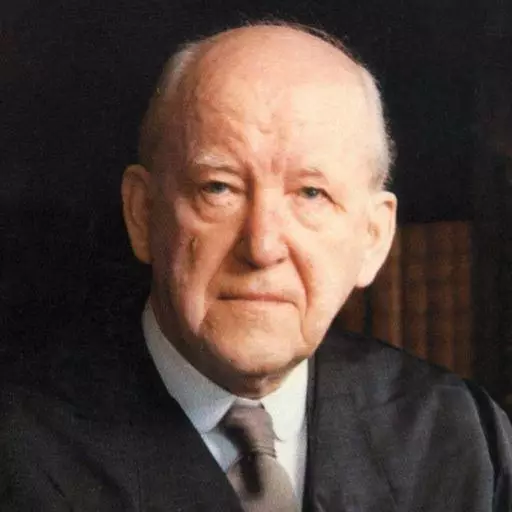
Does the sovereignty of God minimize the responsibility of humanity? Reformed theology is often caricaturized by insisting it promotes a world where people lack true humanity. God’s work in salvation is said to be in contradiction to human responsibility of proclaiming the gospel and the sinner believing the gospel. But that is not Reformed theology, says Dr. Martyn Lloyd-Jones. A fundamental truth is lacking in this common objection. While it is absolutely God’s work, He uses means to accomplish His work. In this sermon on Ephesians 1:11–14 titled “Heard. Believed. Trusted,” Dr. Lloyd-Jones reminds the listener of these means that are always constant as God is working. If these means are not present, then a person cannot become a Christian. They are necessary for the sinner to move from being under the wrath of God to being in Christ. Listen as Dr. Lloyd-Jones carefully works through God’s Word and teaches on this extremely important subject. Whether the listener is a faithful Christian who desires to better understand the relationship between evangelism and the work of God or a skeptic of Reformed theology, Dr. Lloyd-Jones will assist in explaining this important truth of Scripture.
Dr. Martyn Lloyd-Jones: In the following sermon, which was recorded in the Westminster Chapel, London on the 27th of February, 1955, Dr. Martin Lloyd Jones is preaching the 20th of his series of sermons on St. Paul's letter to the Ephesians. And it is the second sermon that he preached on Ephesians chapter 1, verses 11 to 14. And we now join the doctor during his introductory remarks.
There is going to be a restoration, a reforming of the great harmony of the cosmos, so that God should be all in all. And all this is going to be done in and through our Lord and Savior Jesus Christ. But how is it to be done? Well, the Apostle says immediately, here is the most obvious illustration of it. And that is in the church.
And the amazing thing that we can confronted by in the church is that it consists of Jews and Gentiles. We, says the Apostle, who first hoped in Christ, the Jews, you also, you pagans, Ephesians, who are outside the Commonwealth of Israel, and enemies and aliens far removed from God, we are both together.
Christ has made of this Twain one. That's his great theme in this epistle, as we've seen. And he tells us the particular way in which God does this.
The thing that God has done in Christ for us is that he has made us fellow heirs. That's his way of putting it, you see, in whom also we have obtained an inheritance. We Jews have obtained an inheritance, but so have the Gentiles. So we are fellow heirs together. We are looking forward to the same things. God has prepared the same things for us.
Very well, then the question arises, how has this come about? How does anyone become a Christian? How does any Jew become a Christian? How does any Gentile become a Christian? Well, it's all the same, says the Apostle. It is by being in Christ. We're all in Christ and there we are the same. All these other divisions and distinctions are abolished and become irrelevant. The important thing about the Christian is that he's in Christ.
Well, then that leads to the next question. How does anyone become in Christ? How is it that we are ever brought into Christ? What is it that accounts for the fact that as Christian people, we are meeting together like this and worshipping this morning where are so many are doing nothing of the sort, regard it as ridiculous and are almost sorry for us for still doing this kind of thing? What's the difference? What is it that makes anybody a Christian?
Well, we began the consideration of that great theme last Sunday morning. First and foremost, says the Apostle, it is the action, it is the work of God. That's the thing that he starts with. It's God's work. You've noticed how all along he ends all these statements to the with the words to the praise of his glory. He started with it. Blessed be the God and Father of our Lord Jesus Christ, of course.
Apart from his mercy and grace and compassion, nobody'd be a Christian. It's God's work, as he goes on to say in the second chapter, we are his workmanship. It is his work, and therefore all the glory must be his.
But you remember that we have seen this evening detail, the Apostle isn't content to state it in general. He knows how ready we are to claim our own righteousness and to claim credit for ourselves and to boast of what we are. But he takes all possible ground from beneath our feet at once by giving it us in detail.
Now, you remember that we saw that the very word that he uses insists upon that. Take this phrase, we have obtained an inheritance. You remember that a fortnight ago, we saw that that statement there, it's just one word in the Greek. It's a very interesting word. It's the only time the Apostle uses the word in the entire New Testament and in all his writings. It doesn't appear anywhere else in the New Testament. What's it mean?
Well, it means to be endowed with an inheritance by lot, by the drawing of a lot or the casting of a lot. Now, that's the word the Apostle used, and he chose it very deliberately. To be endowed with an inheritance by lot. Now, why do you think he chose that particular word?
Well, surely, it's quite obvious he does it deliberately. He wants us to see at the very beginning that it doesn't depend upon any merit in us, not upon anything we do. You see, when you get any benefit as the result of drawing a lot or casting a lot, well, you realize at once that it isn't your ability, it isn't your understanding, it's nothing you've done. We think of a lot, don't we, as a matter of pure chance, something quite accidental. We've got no control over it at all. We don't know what's going to happen. We are just lucky, we say, we are fortunate. It happened to come to me.
Now, that's the kind of word that the Apostle uses here. It's as far removed from my own merit or my own understanding as is a benefit received as the result of a lot. Endowed with an inheritance by lot. Oh, yes, but lest anybody should think therefore that it's a pure accident as to whether we are Christians or not, that it's a mere matter of chance, that one man may be and another may not be, he says, no, no.
It appears in general as if it were accidental and by lot, but really it isn't. There is someone guiding the lot. Who is that? Well, it's God. And God does it in this way, being predestinated according to the purpose of him who worketh all things after the counsel of his own will. God's great purpose. God's purpose which he determined with himself.
Which he himself works, he carries it out, he guides the lot as it were. He directs it all. Predestinates, predetermines this matter. And so, says the Apostle, it is that we become Christians. The lot has fallen to us. We have received the inheritance because it was God's eternal will, determined in his own counsel, as he meditated with himself, that we should be Christians. That's the statement.
And so he says we are his workmanship. It is God who worketh all these things according to the counsel of his own will. Yes, but the statement doesn't stop even there. How does God do this? If I may so put it, how does God work this? How does God bring this to pass?
Is it by just some general action upon us? Well, the answer is no. God uses means. And here we are told exactly what the means are which God uses in order to make us Christians, in order to put us in Christ, in order to make us inheritors of this great inheritance which God has prepared for us in our blessed Lord and Savior.
Well, now what are the means? Well, here's the answer. He puts it in verse 13. In whom ye also trusted, after that ye heard the word of truth, the gospel of your salvation. Now that's it. That is the means which God always uses in order to bring us to make us Christians. This is something which you find everywhere throughout the entire New Testament.
It's of course the especial theme of the Book of the Acts of the Apostles, where you see it in practice. There is the risen Lord Jesus Christ, the head of the church, to whom this work has been entrusted. He leaves just a handful of people, nothing more. Well, now then how is this great scheme of God to be brought into being with just a handful of people left on Earth? Well, the way it was, you remember, that they were told to wait in Jerusalem until the Holy Ghost should come upon them, and then they were to go out and they were to be witnesses. They were to preach a word. And off they go, and that's the story of the Book of the Acts of the Apostles.
This is God's way, I say. God does this work, he makes us Christians by means and through the the mechanism of the word of truth, the gospel of our salvation. Now, what does this mean? Why does he call it the word of truth? Well, the answer is that it doesn't just mean that it's a true word. It is a true word, of course.
But it doesn't mean any truth. It means the word of the truth. And that again, of course, is the great New Testament way of putting it this. There is a particular truth through which and by means of which, we all of us receive our salvation. The word of truth, the gospel of your salvation.
There is a word which conveys a given truth which when we see it comes to us as the greatest good news we have ever known. And what is it? Well, of course, it is the good news concerning the Lord Jesus Christ. The news concerning his work, the news concerning his person, who he is, what he has done. That and nothing else is the good news.
And no one can become a Christian apart from this word of truth. Now, how important it is for us to realize this. Let me put it negatively. You don't become a Christian simply by having an experience. You don't become a Christian simply by having a different feeling from what you formerly had. Now, there are so many people who think that that makes us Christian.
Because they've had some sort of experience, because they feel different, because they're now living a different kind of life, they think they're of necessity Christian. But that isn't so. You cannot be a Christian apart from this word of truth, the gospel of your salvation. Now, this, of course, is really fundamental and absolutely vital.
But you can't read your newspapers even today without seeing that this is not being grasped. There are people who are being praised and acclaimed as the greatest Christians of the century, and what they believe in is what they call reverence for life. Not the word of truth. They don't believe this word. It isn't all dependent upon the person of Christ and his work. No, no, they're not interested in that.
But you see, people think of Christians today as those who are simply living a good life, making a great sacrifice, doing good work. But that isn't it. There is no no such thing as being a Christian apart from this. This is God's way of doing it. It's through the word of truth, the gospel of our salvation. Let us therefore be clear about this.
There are many agencies in the world which can give us experiences and make us feel good and make us feel happy and make us feel better and lead us to do a lot of good. There are many cults in this country this morning that can do that. It's no use denying that they can. And the argument against the cults is not that they don't lead to certain results, but that they're not true. That they don't present the word of truth.
But they give certain results. It would be monstrous for me to stand in this pulpit and say that Christian Science has never done anybody any good. Of course it has. There are people who will testify to you that since they've become Christian Scientists, their whole life has been changed. They're happier than they were formally miserable. They've lost their worries. They've lost even certain pains. They're feeling altogether better in every way, and the life and life is full of joy and of happiness, as a result of Christian Science.
So you see, we have to insist upon this. It's the word of truth that God uses. It is through the gospel of our salvation. It is through the message that was delivered to the Apostles and which they were empowered to deliver. That is the thing alone which makes us Christian. Let me put it in in an as extreme a form even as this.
You may point to me to a person who hitherto has been quite godless, quite irreligious, utterly thoughtless about all these things, not interested in them in any way and living a life of sin. This person suddenly becomes interested in religion. He feels that after all, well, there's something in religion, and he wasn't very happy as he was, and he thinks religion will help him. And somebody tells him, well, the thing you've got to do is to believe in God and get rightly related to God.
And he takes this up and he begins to read his Bible and to pray and to worship God as he thinks. And he feels better as the result of doing this. He's now religious, and he's got this high intent and motive of worshipping God and pleasing him and living to the glory of God. Now, I do not hesitate to assert that if that man's statement stops at that, he is not a Christian in any sense of the term.
The Christian is one who realizes that his entire position depends alone upon the person and the work of our Lord and Savior Jesus Christ. The word of truth, the gospel of our salvation. Why? The men whom I've just been describing is in exactly the same position as an Old Testament Jew. They believed in God. They tried to please God and to keep his commandments and to worship him, and they sacrificed tremendously for doing so, many of them.
That was the whole position of the Pharisees. The Pharisee did fast twice in the week. He did give a tenth of his goods to the poor. He did worship God. He lived in a sense for God as he understood it. But he was not a Christian. He was the greatest opponent of the Lord Jesus Christ. And therefore, you see, the thing that differentiates us from those who are not Christian is that we depend entirely upon this word of truth, this gospel of our salvation.
It isn't good news just to be told that you ought to worship God and please God. The good news is what God has done for us in Christ. That's gospel. That's good news. This salvation that is available as the result of what the Lord Jesus Christ has done. That is why, you see, as you read through your New Testament, you find the Apostle exhorting a young man like Timothy, preach the word, preach the word.
He doesn't tell him just go around and exhort people to worship God or to live better lives or to get a certain experience. No, no. Tell them the truth. Do the work of an evangelist. Preach the word, the word of truth. It's always the same. They went everywhere preaching the word. But let us be careful to observe this, that we give the full content to this term truth.
What is this truth? Well, I say it is indeed of very vital importance that we should give the whole truth. Because, you know, even Christianity can be used as a psychological agency. And it seems to me there are quite a number today who seem to think they're Christian who have never known certain aspects of this word of truth. What is it? Well, I read to you at the beginning that portion from the first chapter of the First Epistle to the Thessalonians in order that we all might be quite clear about this.
Here was the Apostle Paul. He didn't stay very long at Thessalonica, but he stayed long enough to give them the whole counsel of God, and these are the things that it includes. They themselves show of us what manner of entering in we had unto you, and how ye turned to God from idols, to serve the living and true God, and to wait for his Son from heaven, whom he raised from the dead, even Jesus, which delivered us from the wrath to come.
You see the content? It's all there. We need deliverance. The word of truth, the gospel of your salvation. What is salvation? Well, before you begin to talk about having a happier and a better life, you must talk about deliverance from the wrath to come. You can't be a Christian without having a conviction of sin.
To be a Christian means that you realize you are guilty before God, that you are under the wrath of God. Who delivered us from the wrath to come, says Paul to those Thessalonians. And it was his message everywhere, that God has appointed a day in which he's going to judge the whole world in righteousness by Jesus Christ. By nature we are all under the wrath of God. We are all sinners.
And before we begin to ask for a happy feeling or an experience, we've got to realize our dangerous position. We are condemned by God's law. We are under that wrath. We are in terrible danger of eternal perdition, the wrath to come. And we need to be delivered from that. And the good news of salvation is just this, that we can be delivered from the wrath to come because the Lord Jesus Christ has borne the wrath himself for us.
What is I my my work, asks the Apostle Paul in writing to the Corinthians, what is my work as a as a preacher? Listen to him, this is his answer. He says, all things are of God who has reconciled us to himself by Jesus Christ and hath given to us the ministry of reconciliation, to wit, namely, that God was in Christ reconciling the world unto himself. Now, people often stop at this point, they say God was in Christ.
That isn't what this says. God was in Christ reconciling the world unto himself. It is in and through Christ he does this, not imputing their trespasses unto them, and has committed unto us the preachers, this word of reconciliation. Now then, we are ambassadors for Christ, as though God did beseech you by us. We pray you in Christ's stead, be ye reconciled to God.
For he has made him Christ to be sin for us who knew no sin, that we might be made the righteousness of God in him. That's the good news of salvation. That God has done it all in Christ. He's delivered us from the wrath to come. He has reconciled us to himself. He has prepared for us this inheritance and has made us his children, and it's all due to the fact that God has taken our sins and put them on his own Son and punished them and dealt with them there, so that he forgives us and gives us all these benefits.
That's the message of salvation. That is the word of truth. So, my dear friends, the thing we ask ourselves this morning is this, not simply do I believe in God, not simply do I try to worship God and please God. Not simply do I try to live a good life. Do I realize what God has done for me in Christ? Has this word of truth come to me?
And do I realize that my whole position is based upon the word of truth, the gospel, the good news of my salvation? Now, that, I say, is the way in which God always does this work. Take for instance, another statement of it by this great Apostle. In writing to Timothy, he says, that God will have all men to be saved, and you notice what he puts as the equivalent of that, to be saved and to come to a knowledge of the truth.
So that it's not enough to say, I've got a changed life. I'm a different man. I'm a better man than I was. That's not it. The question is, have you got a knowledge of the truth? Do you know what you believe? Can you give a reason for the hope that is in you? That's Peter's way of putting it. Be ready at all times, he says, to give a reason for the hope that is in you with meekness and fear.
So the Christian is one who is in his position because he has a knowledge of the truth, this word of truth. So that he doesn't just vaguely say that he this or that has happened to him, or that he's had this or that experience, or that he's now no, no. He says it's all come to me through that word. God does this work by means of, through the word.
Yes, but we don't leave it at that. Because the mere proclamation of the word alone is not enough. You can't read that Book of the Acts of the Apostles without seeing that at a glance. You look at these Apostles preaching the gospel. There's a crowd of people in front of them. Peter may be preaching. Paul may be preaching. And they're preaching this word of truth, the gospel of salvation.
But what does it lead to? Well, it leads to this, some believed and some didn't believe. Some not only believe, but began to rejoice. The others were made furious and began to persecute. And said, these men who are turning the world upside down have come here also. They stoned them. They tried to kill them. They tried to drive them out. They wouldn't have them at all. And yet they'd listened to the same word.
So that obviously, it isn't just a question of presenting a message. That's got to be done. The word of truth is essential. But the mere presentation of the word of truth doesn't do it in and of itself. Well, what further? Well, the further thing, of course, is the work of the Holy Spirit with the word. The application of the truth of the word by the Spirit. Now, again, look at that statement of it by the Apostle in that first chapter of the First Epistle to the Thessalonians.
He puts it so perfectly. He said, our word came, our message came unto you, says Paul. Our gospel came unto you, not in word only, but also in power and in the Holy Ghost and in much assurance. Now, that's obviously a very vital statement. And it is something which the Apostle says here to the Ephesians. It as it is something which he says everywhere in all his writings.
In the second chapter of this Epistle to the Ephesians, you see, he puts it like this, and you, he says, hath he quickened, who were dead in trespasses and sin? Then he repeats it in verse 4, but God, who is rich in mercy, for his great love wherewith he loved us, even when we were dead in sins, hath quickened us together with Christ. That's the work of the Spirit. Now, this is a most essential part of this doctrine.
You see, there is the message. The gospel of salvation preached to all and sundry. A general offer of salvation is made to all men. But all men don't receive it. What determines the difference? The answer is the work of the Holy Spirit. The Holy Spirit brings the word to these who believe it with power and with much assurance.
Now, the Apostle is at great pains to bring out this doctrine in many parts of his epistles. Take for instance, that classical statement of it in the second chapter of the First Epistle to the Corinthians. Paul talks about this mystery which he's got to preach, which has been committed to him. And then he says, which none of the princes of this world knew. For had they known it, they would not have crucified the Lord of glory.
Well, very well, the princes of this world didn't recognize the truth. They didn't recognize Christ. How is it that anybody's a Christian? How is it that these Corinthians are Christians? The answer is this, but God hath revealed them unto us by his Spirit. For the Spirit searcheth all things, yea, the deep things of God. For we have received, he says again, not the spirit that is of the world, but the Spirit that is of God. That in order that we might know the things that are freely given to us of God.
No man can believe on the Lord Jesus Christ without the Holy Spirit. Paul puts it again specifically. No man can say that Jesus is the Lord, but by the Holy Ghost. That's the third verse of the 12th chapter of the First Epistle to the Corinthians. Without the operation of the Holy Ghost, no man can do it. These things to the natural man are foolishness. The natural man receiveth not the things of the Spirit of God.
They are foolishness unto him. Neither indeed can he. It's impossible. No man as he is by nature as the result of sin can possibly believe the gospel. The work of the Holy Spirit is absolutely essential. That's the thing that makes the difference. The word of truth applied by the Holy Ghost. Or take those words which our Lord himself uttered and which are recorded there in that 11th chapter of the Gospel according to St. Matthew.
I thank thee, O Father, Lord of heaven and earth, that thou hast hid these things, hidden these things from the wise and prudent, and hast revealed them unto babes. And then he seems to ask, well, why have you done this? Why have you hidden it from the wise and prudent? Why have you revealed it to the babes? And he answers his own question. Even so, Father, for so it seemed good in thy sight.
There is no explanation, says the very Son of God himself, except what the Father has purposed according to the counsel of his own will. For so it seemed good in thy sight. I don't understand it. I marvel at it. Nothing amazes me more than the fact that I'm in this pulpit. I haven't done it. It isn't anything in me. I am what I am by the grace of God, and so is every other Christian.
Not to be understood, but to be believed, to be accepted, to be wondered at, to be amazed at. Do you want a still more specific statement? Well, let me give it you. The Gospel first came to this continent of Europe in a little place called Philippi. And you remember the story, don't you? The Apostle Paul heard that a number of women met in a prayer meeting on a Sunday afternoon by the side of a river outside the city wall.
So he and his companions went out and they joined the little prayer meeting and sat down amongst the women and spoke unto them. They spoke this word of truth. And what happened? Well, a woman called Lydia was converted. She believed the truth. She was the first member of the Christian Church in Europe. Now, there's a striking case, isn't it? The first Christian converted as the result of the preaching of the first Apostle in Europe, namely the Apostle Paul, was Lydia.
But how did Lydia come to believe the truth? Well, if you read that 16th chapter of the Book of the Acts of the Apostles, in the 14th verse, you will find this, a reference is made to Lydia, a seller of purple from the city of Thyatira, whose heart the Lord opened. That she attended unto the things that were spoken of Paul. You see it, my friends?
The heart of all of us by nature is shut and closed to this truth, this message, this gospel. But Lydia believed it. Why? Whose heart the Lord opened. That she attended unto the things that were spoken of Paul. The word alone doesn't do it. The operation of the Holy Spirit is absolutely vital and essential, as William Cowper put it in his in his little hymn in his verse, the Spirit breathes upon the word and brings the truth to sight.
There's a dual operation here. The Spirit is in the word. Yes, but the Spirit must be in my heart also and open it before I can receive the word. You see, it is the Spirit that quickens us. It is the Spirit that enlivens us from the death of sin in which we're all by nature. It is the Spirit that gives us the faculty of belief. It is the Spirit that gives us this new principle of life, which makes all these things possible.
Well, I've already read the verse to you on previous occasions. Let me read it again. In the second chapter of this Epistle to the Philippians to the Ephesians, the eighth verse, for by grace are ye saved through faith, and that not of yourselves. It is the gift of God. Faith is the gift of God. The faculty is the gift of God. He enables us to believe by the Spirit, and apart from this operation of the Spirit, we remain dead to the word, we don't see it.
But when the Spirit breathes upon the word, it brings the truth to sight. We see it. And so we believe it. Now, this, I say, is the operation of the Spirit of God upon us, bringing the word to us. And that brings me to the third and the last step, which now indicates what you and I have to do. You and I, as the result of the operation of the Spirit upon us, we can't do it without that, but as the result of that, you and I are now called upon to do something.
What is it? Well, the Apostle tells us again in detail. How does the word of truth come as the gospel of salvation to anybody? Well, I say there without our knowing it, the Spirit has been working. And then we are told that three things happen. We hear it, we believe it, and we trust it, or hope in it. The three words you remember are here. In whom ye also trusted or hoped, after that he heard the word of truth, the gospel of your salvation.
In whom also, after that he believed, he were sealed with that Holy Spirit of promise. Now, let's be quite clear about this. God through the Holy Spirit does not work upon us or act upon us mechanically. God does not force anybody's will. God doesn't compel anybody against his will to believe the gospel. That isn't his way of doing these things.
We are not treated as automata. Well, what is it that happens? Ah, well, the teaching is quite clear, isn't it? God persuades the will. He makes the truth attractive to us, so that no man has ever believed the gospel against his will. He's been given to see it in such a way that he desires it. He admires it. He likes it. Examine your own experience. Was there a time when you saw nothing in these things?
But now they're everything to you. What made the difference? Well, there's a change in you. It was the result of God's operation in the Holy Spirit upon you, that a truth which had appeared to be to you to be boring and uninteresting and unattractive, suddenly becomes the most wonderful thing you've ever heard of, the same truth. May have been the same preacher. You used to see nothing in it. You now see everything. Well, what is it? Well, you are different.
You now have this principle in you of life and a faith and of ability to comprehend and to understand. You've been given an understanding, an anointing, an unction by the Holy Spirit, as the Apostle John puts it. So that, you see, you must never think of this working of God upon us as if God bludgeoned our wills or forced us or compelled us. Not at all. He leads us to repentance.
He leads us to believe by the operation of the Spirit in revealing the word and opening our hearts to receive it. There's nothing we want so much, and we desire it as newborn babes because we've been born again. It's this new faculty, this new principle of life that has come in. And so, I say, that having made it possible for us to act, God calls upon us to act.
The word is preached. We hear it. Yes, but hearing isn't enough. You don't merely hear this word, you've got to believe it. And the man who truly hears it believes it. He says, that's the very thing I wanted. He's come to see himself as a sinner. He's come to see the law of God condemning him. He's got some conception now of the holiness of God, and he realizes he's got to stand before God in the judgment, and he's concerned.
He's alarmed. He's frightened of his own position. What can he do? He hears this message about Christ dying for sins. He says, that's the very thing. I believe it. I want it. I don't understand it fully, but I believe that. So, having heard, he believed. And he has to believe. Oh, yes, the Christian is called upon to believe. But don't forget that that is a request and a call which is made to all men.
All are called upon to repent and to believe, but they don't. But the Christian has to believe. He's called upon to believe, and the Christian does believe. And then the last term is this term which is translated here in the authorized as trusted. Which is translated in the revised and other versions as hoped. And is equally good. It doesn't matter which you use. They mean very much the same thing.
It means this, that we place our hope, our confidence, our trust in every respect in the Lord Jesus Christ. That's the Christian. He says it, you see, about the Jews, that we should be to the praise of his glory, who first hoped in Christ. Who first realized that Christ is our only hope and our only source of confidence, our only ground of assurance. Then he goes on, in whom ye also.
The word trusted is added, it isn't in the original, neither the word hoped, in whom ye also have had an inheritance. After that you heard the word of truth, the gospel of your salvation. In whom also, after that he believed, they likewise reposed their trust, their confidence, and their hope in the Lord Jesus Christ alone. And that, I say, once more, is the best definition we can ever encounter of a Christian.
The Christian is one who centers his every hope on the Lord Jesus Christ. When he thinks about his past and looks back at it, he is given peace. Not simply because he believes that God is a God of love who is ready to forgive. No. He's given peace about his past because he knows that his past sins were laid upon the Lord Jesus Christ on the cross on Calvary's hill.
It is that Christ has borne them and carried them away that gives him confidence and hope and trust as he reviews his past. Nothing less. If it isn't Christ only, you've no hope, and you're no Christian. As regards the present. He's aware of his weakness. He's aware of his unworthiness. He's aware of the terrible power of sin and temptation. What is the basis of his hope and confidence and trust?
It is still the same. It is the Lord Jesus Christ. I need thee every hour. Stay thou nearby. With thee at hand to bless, I fear no foe. Temptations lose their power when thou art nigh. His confidence in the present, as he's living from moment to moment, is still the same. The Lord Jesus Christ. And as he looks at the future, it is still the same.
He doesn't know what's going to happen. He's in the same world as everybody else. Wars may come, pestilence may come, the devil will certainly be there. Temptation and sin won't change, the world won't change, nothing will change. And he's still weak. How can he face it and meet it? He knows that the one who is with him will never leave him nor forsake him. And then beyond it all, death.
It's got to come, it's got to be faced. But still, he's perfectly happy. He's full of hope and of confidence and of assurance. The one who has been with him in life will be with him in death. I will never leave thee nor forsake thee. I am persuaded that neither death nor life, nor angels, nor principalities, nor powers, nor things present, nor things to come, nor height, nor depth, nor any other creature, shall be able to separate us from the love of God, which is in Christ Jesus our Lord.
Who first hoped in Christ is he the basis of all your hope and confidence and faith? If he isn't, well, my dear friend, you've no right to call yourself a Christian. But if you can say this, my hope is built on nothing less than Jesus' blood and righteousness. I dare not trust my sweetest frame, but holy lean on Jesus' name.
On Christ, the solid rock, I stand, all other ground is sinking sand. If you can say that, then you are a Christian indeed. And may God bless you. Amen.
Featured Offer

Find peace and comfort this season with your complimentary guide that includes access to 6 free bonus sermons on overcoming spiritual depression from Dr. Martyn Lloyd-Jones, one of the church’s most beloved Bible teachers. Topics include: true Christians can and do struggle with depression, recovering the joy of your salvation, dealing with crippling guilt over past sins, dealing with yesterday’s haunting regrets, encouragement to keep moving forward, and understanding God’s purpose for suffering.
Past Episodes
This ministry does not have any series.
Featured Offer
Find peace and comfort this season with your complimentary guide that includes access to 6 free bonus sermons on overcoming spiritual depression from Dr. Martyn Lloyd-Jones, one of the church’s most beloved Bible teachers. Topics include: true Christians can and do struggle with depression, recovering the joy of your salvation, dealing with crippling guilt over past sins, dealing with yesterday’s haunting regrets, encouragement to keep moving forward, and understanding God’s purpose for suffering.
About From the MLJ Archive
From the MLJ Archive is the Oneplace.com hosted ministry of the MLJ Trust. Our mission is to promulgate the audio ministry of Dr. Martyn Lloyd-Jones.
About Dr. Martyn Lloyd-Jones
Contact From the MLJ Archive with Dr. Martyn Lloyd-Jones
info@mljtrust.org
http://www.mljtrust.org/
PO Box 953
Middleburg, VA 20118