
All Spiritual Blessings


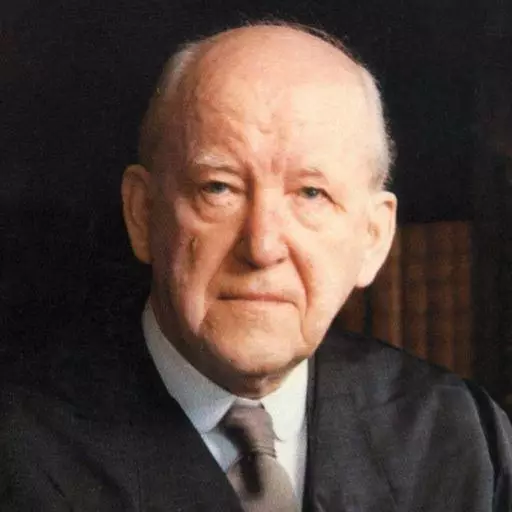
How does one come to enjoy spiritual blessings? What are the spiritual blessings in Ephesians 1? In this sermon on Ephesians 1:3 titled “All Spiritual Blessings…,” Dr. Martyn Lloyd-Jones focuses on two themes. He insists that the Christian only enjoys blessings through Christ. While acknowledging God gives common grace to everyone, the Holy Spirit gives unique grace that only Christians enjoy. Dr. Lloyd-Jones connects Paul’s words in Ephesians to his other letter to the Colossians (1:19; 2:3), showing the absolute necessity of going to God through Christ, the mediator. A second blessing Christians enjoy through Christ is that His grace flows through the Holy Spirit. The sovereign work of the Spirit quickens, convicts, enables, and keeps the Christian. Dr. Lloyd-Jones recaptures the “other-worldly” nature of the Christian’s blessings by criticizing movements that insist that blessings are of this world. The Christian, says Dr. Lloyd-Jones, does not deny or despise the world, but this is different from setting their affections upon it. If they do not keep an appropriate distance, they forget that this is a fallen world and that their citizenship is in heaven.
Dr. Martyn Lloyd-Jones: I should like to call your attention once more to the words which are to be found in Paul's Epistle to the Ephesians. The first chapter and the third verse. The third verse in the first chapter of Paul's Epistle to the Ephesians.
Dr. Martyn Lloyd-Jones: Blessed be the God and Father of our Lord Jesus Christ, who has blessed us with all spiritual blessings in heavenly places in Christ. Blessed be the God and Father of our Lord Jesus Christ, who has blessed us with all spiritual blessings in heavenly places in Christ.
Dr. Martyn Lloyd-Jones: I say that I call your attention again to this verse because most of you will recall that we began considering it last Sunday morning.
Dr. Martyn Lloyd-Jones: We then indicated that in this verse, the apostle is concerned to show these Ephesians and other Christians, and ourselves with them, how the great blessings of the Christian life really come to us. They are saints, they are full of faith, and they are in Christ. And because of that, they are open to receive the grace of God and of the Lord Jesus Christ, and the peace that results from the operation of that grace.
Dr. Martyn Lloyd-Jones: And here now he goes on to consider how all that has ever come to us, and how it is ever possible for us as Christian people to enjoy such riches. And we saw, you remember that he starts with a word of praise and of thanksgiving. Blessed be the God and Father. That's the starting point always and must be.
Dr. Martyn Lloyd-Jones: And I would say again in passing that the real measure of our spirituality and of our knowledge of God and of these things, is the extent to which we are conscious of a sense of praise and of thanksgiving. It's the men who like this apostle always bursts forth with this word, "Blessed." Who really knows these things.
Dr. Martyn Lloyd-Jones: And of course, we went on then to consider why it is that the apostle thus describes all this praise to God. And the answer is, it's because God has blessed us.
Dr. Martyn Lloyd-Jones: And we began to consider how the blessings come to us. And the great thing we saw last Sunday morning was that this is all a part of this covenant of grace and of redemption and of salvation, which God made with his own Son before the very foundation of the world.
Dr. Martyn Lloyd-Jones: Salvation is not an afterthought. It isn't something that God thought of and improvised following the fall and the sin of men. Before the foundation of the world, in that eternal council, this great matter was planned and purposed. And we just looked at it. God is now to us no longer the God of Abraham, Isaac, and of Jacob. He is the God and Father of our Lord Jesus Christ.
Dr. Martyn Lloyd-Jones: The Lord Jesus Christ is our representative in this covenant. And it is in and through him therefore that all these things come to us. Well, now, that is the point at which we left off last Sunday morning.
Dr. Martyn Lloyd-Jones: But now we must go on beyond that and consider the further statement of this great verse. And that brings us to a consideration of the nature, the character of the blessings which we enjoy.
Dr. Martyn Lloyd-Jones: Here it is again, I say, and it's one of those glorious statements which you find here and there in the writings of this apostle. He delights in saying it all, as it were, in a phrase. He seemed to delight in the very expressions and in the very words. He was never happier than when he thus burst forth with his adoration and with his thanksgiving.
Dr. Martyn Lloyd-Jones: Now, I again would impress the importance of taking these things in the right order.
Dr. Martyn Lloyd-Jones: The apostle starts with his praise of God. He then goes on to that eternal council and the covenant and the eternal purpose. And it is only after doing that he really comes down as it were to our level and begins to deal with the actual blessings that we enjoy.
Dr. Martyn Lloyd-Jones: Now, the order, I say, is of extreme importance. Our tendency always is, with our wretched subjectivity, to go at once to the blessings. We are so self-centered and so concerned about self, we really just want to get something for ourselves. The apostle will never allow us to start like that.
Dr. Martyn Lloyd-Jones: You start with God and you start with worship. We mustn't rush into the presence of God in prayer or in any other respect, but we must always start by realizing who God is.
Dr. Martyn Lloyd-Jones: I wonder what would be thought of persons who rushed into Buckingham Palace to make a request or a petition and didn't pay respect and homage and didn't conduct himself or herself in the right way. How insulting such behavior would be regarded. And yet we all tend to do that with the Almighty God.
Dr. Martyn Lloyd-Jones: We are so concerned about getting some blessing. But the apostle insists upon the right and the appropriate order. And you only come to consider the nature and the character of the blessings after you have worshipped God, and praised his name, and paused to realize what God has done in order that it might be possible for us to be blessed at all.
Dr. Martyn Lloyd-Jones: In other words, I think we must realize this, that it is only as we do adopt this apostolic order and arrangement that we really shall begin to enjoy the blessings.
Dr. Martyn Lloyd-Jones: I can certainly say, after some 27 years of pastoral experience, that the people who give me the impression of being most miserable in their spiritual lives are those who are always thinking of themselves and their blessings and their moods and states and conditions.
Dr. Martyn Lloyd-Jones: The way to be blessed is to forget yourself and to look to God. And the more we worship, the more we shall enjoy the blessings of God. Oh, this isn't accidental. It's vital and it's very practical. The practical man is not the man who runs to the blessings; he is the man who considers the source of the blessings and is in touch with the source. He is the man ever always who is going to be blessed.
Dr. Martyn Lloyd-Jones: Well, very well. Let us go on then to look now at the blessings. And you notice again, the apostle is very careful to tell us certain most important things. The first thing is this, how do these blessings come to us?
Dr. Martyn Lloyd-Jones: And you notice his answer is, first of all, they come in Christ. He's got it at the end of the verse. It's true, but it's vital. Blessed be the God and Father of our Lord Jesus Christ, who has blessed us with all spiritual blessings in heavenly places, in Christ. And if you leave out the in Christ, you'll never have any blessings at all.
Dr. Martyn Lloyd-Jones: Now, this is of course, absolutely pivotal and central in connection with the whole of our Christian faith.
Dr. Martyn Lloyd-Jones: Every blessing that we enjoy as Christian people comes to us through the Lord Jesus Christ. God has blessings for people and God does bless people in general. For instance, you remember our Lord's words, he says that God makes his sun to rise on the evil and on the good, and sendeth his rain on the just and on the unjust.
Dr. Martyn Lloyd-Jones: There are certain common general blessings that are enjoyed by the whole of humanity. What we call common grace if you like. But now, that isn't what the apostle is dealing with here. He's dealing with particular grace, with special grace, the blessings that are enjoyed by Christian people only.
Dr. Martyn Lloyd-Jones: You see, the evil as well as the good, the unjust as well as the just, enjoy the common blessings, the general blessings. People are often stumbled at that, but they shouldn't be. The distinction is drawn very clearly in the scripture. The ungodly may have a remarkably good time in this world. And those blessings come to them from God in this general way. That isn't what the apostle's dealing with.
Dr. Martyn Lloyd-Jones: He here is writing to Christian people. And he is anxious that they should understand and grasp their special blessings and privileges as Christians. And his point is that all those blessings come in and through the Lord Jesus Christ. And in and through him, exclusively.
Dr. Martyn Lloyd-Jones: You can't be a Christian without being in Christ. You can't start as a Christian and go on to Christ. No, no, Christ is the beginning as well as the end. He is the Alpha as well as the Omega. There there's no such thing as being a Christian apart from him. All God's blessings to the Christian come of necessity in and through the Lord Jesus Christ.
Dr. Martyn Lloyd-Jones: I go further. They come exclusively in and through the Lord Jesus Christ. He has no assistant. There is none other name under him given amongst men whereby we must be saved, says Peter. And some people say that that should be translated like this: there is no second name. The Lord Jesus Christ needs no assistance. He needs no assistance.
Dr. Martyn Lloyd-Jones: Everything is in him. There is nothing that comes from anywhere else. He is the only channel. There is only one mediator between God and men. He is the man Christ Jesus.
Dr. Martyn Lloyd-Jones: So that all talk about a Congress of the Faiths, or a kind of eclecticism, in which you gather the best out of the various religions of the world, is a denial of Christianity. The moment you add any name to that of the Lord Jesus Christ, you're detracting from him. And indeed, you are deluding yourself.
Dr. Martyn Lloyd-Jones: Because the great message which this apostle of all apostles had to preach was this particularity, this exclusiveness, this intolerance of any other suggestion or addition. Now, you notice the way in which he puts it.
Dr. Martyn Lloyd-Jones: I read to you that portion from the Epistle to the Colossians this morning, because there he puts it still more clearly. It has pleased God, says the apostle there, that in him, the Lord Jesus Christ, should all fullness dwell. It's all in him. Indeed, he says it here in this first chapter of the Epistle to the Ephesians. He says, and has put all things under his feet and given him to be the head over all things to the church, listen, which is his body, the fullness of him that filleth all in all.
Dr. Martyn Lloyd-Jones: It is all, it is exclusively in the Lord Jesus Christ. Paul isn't content with saying it once. Listen to him saying it again in the second chapter of the Epistle to the Colossians. Referring to our Lord, he says, "In whom are hid all the treasures of wisdom and knowledge."
Dr. Martyn Lloyd-Jones: You can't add to that. All the treasures of wisdom and knowledge are in Christ. All the fullness of the Godhead is in him. In him dwelleth all the fullness of the Godhead bodily.
Dr. Martyn Lloyd-Jones: Isn't that clear, my friends? It is in Christ these blessings come. He's the sole mediator of them, the sole medium, the exclusive channel through which they come. And there is no blessing for the Christian as Christian, apart from that which comes to him in and through our blessed Lord and Savior.
Dr. Martyn Lloyd-Jones: I go on repeating it and stressing it because I know in my own heart and experience, as I know in the experiences of others, how prone we are to forget that. How liable we are even to go into the presence of God in prayer without realizing the absolute necessity of going in and through Christ. We have nothing apart from him in any respect. It is all in him, and apart from him, there is nothing.
Dr. Martyn Lloyd-Jones: Listen to the Apostle John saying the same thing.
Dr. Martyn Lloyd-Jones: John, referring to himself and his fellow apostles and other Christians, puts it like this in a most glorious statement. And of his fullness have all we received, and grace upon grace, or grace for grace, whichever you prefer.
Dr. Martyn Lloyd-Jones: We beheld his glory, the glory as of the only begotten of the Father, full of grace and truth. And of his fullness have all we received. That's it. That's the Christian.
Dr. Martyn Lloyd-Jones: A Christian, in other words, is what he is because he is joined to the Lord Jesus Christ.
Dr. Martyn Lloyd-Jones: Again, we go back to that phrase which the apostle used in the very first verse, in Christ Jesus. It's one of the basic definitions of the Christian. He's a saint, he's full of faith, yes, but the most important thing about him is that he is in Christ. And he is a saint and he has faith because he's in Christ, and because he's receiving of his fullness.
Dr. Martyn Lloyd-Jones: Here it is again. You see, this whole picture of the body and the members. And all the life of every part comes from the head. And it is our mystical union with him, our mysterious relationship to him, that accounts for what we are. In other words, the Christian is a sharer in the life of the Son of God. In him was life. That's it. And that life is the light of men. Yes, all life comes from him. It's all put into him, and we all simply draw from him. We drink of him, the fountainhead.
Dr. Martyn Lloyd-Jones: You see, our hymns as well as the scriptures are full of it, are full of this. The saints have always realized it, so that nothing matters so much as our relationship to the Lord Jesus Christ. And that's why Paul goes on repeating his name. Paul, an apostle of Jesus Christ by the will of God, to the saints which are at Ephesus, and to the faithful in Christ Jesus. Grace to you and peace from God our Father, and from the Lord Jesus Christ. Blessed be the God and Father of our Lord Jesus Christ, who has blessed us with all spiritual blessings in heavenly places, in Christ. So that we may never forget it.
Dr. Martyn Lloyd-Jones: Without him, we are yet in our sins. And every blessing we enjoy, everything we've ever achieved and experienced, it all comes from him. Even every thought of holiness is his alone. It is in Christ Jesus. Therefore, I say, we start by reminding ourselves again of that. It is through him that all these blessings of the eternal God who is in covenant relationship with us, come to us.
Dr. Martyn Lloyd-Jones: The second thing he goes on to emphasize is that they are spiritual. Blessed be the God and Father of our Lord Jesus Christ, who has blessed us with all spiritual blessings. You notice this important addition, this essential qualification of what kind of blessings are these. Well, they they come through Christ, I say, yes, but not only that, they also come through the Spirit.
Dr. Martyn Lloyd-Jones: They are blessings which are mediated to us from God through Christ, via the Holy Spirit. They are blessings of the Spirit. They're very special blessings, these.
Dr. Martyn Lloyd-Jones: It is, I say, that it is by the Holy Spirit that they become ours. And here again, we cannot but pause in wonder and amazement at the perfection of this glorious plan of salvation, this division of the work, this economic Trinity that I was referring to last Sunday morning: the Father and the Son and the Holy Spirit, the origin, the conception, the working out, the obtaining, the passing on of this. And that is, of course, the special and peculiar work and function of the Holy Spirit. All the work of applying the salvation that is in Christ to us is done by the Holy Spirit.
Dr. Martyn Lloyd-Jones: He shall not speak of himself, says our Lord. He will be guided, and his purpose is, his function is to glorify the Lord Jesus Christ. And what he does is to make possible for us to receive everything that he has and everything that he was.
Dr. Martyn Lloyd-Jones: So a very good way of looking at the life of the Christian in this world is this: you look at the Lord Jesus Christ when he was here on earth, and you realize that though he was still the eternal Son of God, he had come and taken human nature unto him, and he had decided to live his life in this world as a man. And he did so.
Dr. Martyn Lloyd-Jones: He did not employ the prerogatives of his Godhead in order to save us. He had to live life as a man amongst men. And that is why it was necessary that he should have received the Holy Spirit. The Spirit is not given by measure unto him, says the Gospel according to Saint John.
Dr. Martyn Lloyd-Jones: And you remember that our Lord, when he sets out upon his public ministry, the Holy Ghost descends upon him to enable him for his work and to anoint him for his great task. Now, all that was necessary because he was living his life in this world as a man.
Dr. Martyn Lloyd-Jones: And the marvelous and wondrous thing which we are told here is this: that as the Holy Spirit filled his life and enabled him to live in that way, so that is the very thing that is offered to us. The same Holy Spirit that dwelt in him, dwells in us as Christians. And not only that, he brings to us and fills us with the life of Christ himself. So the blessings that we enjoy as Christians are all blessings in the Spirit, in and through the Holy Spirit.
Dr. Martyn Lloyd-Jones: Now, that's the type of life, that's the order of life, that's the quality of life which we are meant to be living as Christians. John again puts it in his first Epistle in a very striking and almost alarming phrase, "As he is, so are we in this world." The blessings that come to us through and by the Holy Spirit.
Dr. Martyn Lloyd-Jones: We can't stay this morning to work out in detail how the Holy Spirit does this work. But we know that he works like this: he comes and he quickens us. You see, there is Christ in all his fullness. Here is the sinner in sin, and dead in trespasses and in sins. How is such a person to become spiritual? How can this man ever become like Christ? Well, here the work of the Holy Spirit comes in. He quickens us. "You has he quickened, who were dead in trespasses and sins," and so on.
Dr. Martyn Lloyd-Jones: He starts this enlivening process. He begins to give us an interest in spiritual things. Men by nature is not interested in spiritual things at all. They seem strangely remote to him. He's interested in the life of this world, the things that can be seen and touched and felt and handled, the whole panorama of life. He's tremendously interested in them. And you begin to talk to him about the soul and the things of the Spirit, and he really doesn't know what you're talking about. He can't help it, of course, because he's dead. His life is governed by the prince of the power of the air, the spirit that now worketh in the children of disobedience. And he really doesn't know what you're talking about. He's interested in houses, he's interested in horses, in dogs, in animals, in furniture, in things that he can see. Those are tremendously interesting to him.
Dr. Martyn Lloyd-Jones: But begin to talk to him about communion with God and the life of the Spirit, and of course, it's all utterly strange to him. And he wonders what's the matter with you. And he'll remain like that until the Holy Spirit begins to quicken him. And to give him a spiritual principle in his life, a spiritual mind, a spiritual outlook, and a spiritual understanding. And the Spirit does that.
Dr. Martyn Lloyd-Jones: So that these blessings are very spiritual blessings. They are blessings that come through the Spirit. You see, he's preparing us to receive that fullness that is in Christ. And then he goes on, of course, to convict us of sin, to make us see something of our utter emptiness and woe. He makes us see what an appalling thing it is that God should be of no interest to us, and the things of eternity utterly remote, and these great things of the Spirit boring and unattractive. He makes us see the enormity of it all. He convicts us thus of our sin.
Dr. Martyn Lloyd-Jones: And then gradually he leads us on to contemplate the Lord Jesus Christ. He gives us this gift of faith. "By grace are you saved through faith," and that not of yourselves, it is the gift of God. The Spirit creates it. For the natural man understandeth not the things of the Spirit of God, for they are foolishness unto him, neither can he. So the Spirit enables a man to exercise this gift of faith. And he believes on the Lord Jesus Christ. Now you see he's getting into that position in which he's being joined to him.
Dr. Martyn Lloyd-Jones: And eventually this mysterious process of union takes place, the rebirth, the being joined to Christ as a branch in the vine. And then he leads us and guides us and directs us and keeps us in the communion. So that we are enabled to receive of his fullness and grace upon and after grace, and more and more grace, and are changed from glory into glory, and on and on it goes. Spiritual blessings.
Dr. Martyn Lloyd-Jones: The blessings that come to us through the Holy Spirit.
Dr. Martyn Lloyd-Jones: I'm speaking, my dear friends, about you and about myself. This isn't theory. This is fact. This is truth. This is what happens. This is God's way of salvation. This is the thing that was planned in that eternal council. This is the thing that is in operation in the world today. It all comes out of Christ, and it comes to me as a result of all this work of the Holy Spirit.
Dr. Martyn Lloyd-Jones: Spiritual blessings. Blessings of the Holy Spirit. The blessings that result, if you like, because the Holy Spirit dwells within us and our bodies are the very temple of the Holy Ghost.
Dr. Martyn Lloyd-Jones: What amazing things. Well, now then, there, that is the way in which, according to the apostle, these blessings come to us. Now let us go on to look at the second thing he tells us about these blessings, which is the actual character of the blessings. They come in that way, yes, but what are they like?
Dr. Martyn Lloyd-Jones: Well, here again he's got something to tell us. The first thing that he tells us about these blessings is that they are in heavenly places. Blessed be the God and Father of our Lord Jesus Christ, who has blessed us with all spiritual blessings in heavenly places, in Christ.
Dr. Martyn Lloyd-Jones: When you've read this Epistle to the Ephesians, have you stopped at that expression in heavenly places? Did you think that this was just a bit of Paul's eloquence running away with him, and his delight in piling term upon term, and word upon word? Is it just a great eloquent person pouring out this kind of lava of rhetoric? It isn't.
Dr. Martyn Lloyd-Jones: These are solid definitions. These words must be analyzed. These great statements, as I said last Sunday, are not to be interned and then passed over. We must stop and split them up and examine them point by point. Every single expression is crammed with meaning. And here's one of them. The blessings that we enjoy are in heavenly places. Now what does this mean?
Dr. Martyn Lloyd-Jones: Well, there is no doubt that here the apostle has in his mind a great contrast. We saw in dealing with this way in which he describes God as the God and Father of our Lord Jesus Christ, that he there was drawing a contrast between the new relationship of the Christian to God as over against the relationship of the Israelite of old. The Israelite went to God as the God of Abraham, Isaac, and of Jacob, as the God of Israel, the God who had given his promises to the fathers, quite right. But now we go in and through Christ with his new covenant.
Dr. Martyn Lloyd-Jones: All right, says Paul, not only is the way different and the covenant and the representative different, the blessings are also different. In the Old Testament, the blessings came very largely, indeed mainly, in a material, temporal, external sense. You estimated whether a man was blessed of God or not by the number of cattle he had and the number of sheep and of goats, and his land and his possessions. That was the way. It was God's way, let's be quite clear about this.
Dr. Martyn Lloyd-Jones: Everything, you see, in the Old Testament is more or less pictorial. God was doing it visibly. He was then just teaching people as infants as it were, and he gave them external, obvious blessings. They were then earthly blessings. And you saw them here on earth.
Dr. Martyn Lloyd-Jones: But entering into the New Testament, we come into an entirely different realm. And here the blessings are in heavenly places. We look for these blessings not so much in this realm or in this earth, but very much in that other realm, in the heavenly places, beyond sight, unseen.
Dr. Martyn Lloyd-Jones: Now, here clearly we are face to face with a very important New Testament principle. Let me state it quite categorically. The Christian faith is frankly and openly other-worldly.
Dr. Martyn Lloyd-Jones: I put it like that because I know it's unpopular today. And the great idea is, of course, here and now. But my dear friends, the present apostasy of the church has been due to that. The so-called social gospel that was preached and preached so exclusively in the earlier part of this century and towards the end of the last century. This worldly view. What's Christianity? Well, Christianity is something that puts social conditions right. It's something that helps in a man's life here and now. They say we don't want this pie in the sky. We are not interested in this other-worldly view. That's been the trouble, they say, that's the hopelessness of Christianity. It's been a kind of dope for the people, and so on and so forth.
Dr. Martyn Lloyd-Jones: But whether you and I like it or not, the fact of the matter is the blessings we enjoy in Christ are in the heavenly places.
Dr. Martyn Lloyd-Jones: Now let's be quite clear about this as to what it means. It doesn't mean a complete and an absolute world denial. What I mean by that is, it doesn't mean that you and I therefore automatically ought to become monks or hermits or anchorites. It doesn't mean that.
Dr. Martyn Lloyd-Jones: But it does mean that we must have a right view of this world and of our relationship to this world. The Christian, according to the New Testament, is in a very strange and wonderful position. He is still in this world, but he really doesn't belong to it. The terms that are used are these. The apostle Paul, in writing to the Philippians, in the third chapter and the 20th verse, says, "Our citizenship is in heaven." Somebody translates that like this, "We are a colony of heaven." That's where our real citizenship is.
Dr. Martyn Lloyd-Jones: And the apostle was very fond of this idea of citizenship. He says, "We don't really belong to this state, to this world. We are simply temporary residents here. Our citizenship is there." Some of the hymns put it very well: "Heaven is my home, I'm but a stranger here." Indeed, the apostle Peter is rather fond of that phrase, isn't he? Listen to him, he says, "Dearly beloved, I beseech you as strangers and pilgrims, abstain from fleshly lusts which war against the soul." You notice the appeal? Strangers and pilgrims. You are in this world, but you don't belong to it. You are like people on a holiday, on a visit here. Remember the country from which you've come. Remember the realm to which you belong. This isn't your world. You are but strangers and pilgrims here. Now that's the whole New Testament teaching.
Dr. Martyn Lloyd-Jones: The Christian is a man who is passing through this world. Now that doesn't mean, I say, that he despises it. We mustn't despise it. And we mustn't despise it because it is God's world. And we must seek the marks of God's handiwork in the world. We should enjoy creation. We should enjoy all beauty. We should enjoy everything that is a manifestation and a reflection of God. The heavens declare the glory of God, if you've got eyes to see it. Therefore, we don't despise the world. No, but we remember this.
Dr. Martyn Lloyd-Jones: We as Christians know that though this is God's world, it is a fallen world. That sin has come into it. And that because of that, though it is still God's world, it can be dangerous to us. We must never conform to its outlook and to its mind and to its mentality as that is controlled by the prince of the power of the air, the spirit that now worketh in the children of disobedience.
Dr. Martyn Lloyd-Jones: In other words, I look at this world in an entirely different way from the non-Christian. I see it as my Father's world. A world of glory and of wonder. It's not the world of the Sunday newspapers, it isn't that. It's God's world. It's the world as I see it here. So I don't conform to it. I become transformed by the renewing of my mind, and I look back at it and on it in an entirely different manner.
Dr. Martyn Lloyd-Jones: It's very difficult to put this into language, isn't it? But it's the thing that these New Testament writers keep on saying. Listen to Paul again. Here he is having great trouble in this world, but he says, "Our light affliction, which is but for a moment, worketh for us a far more exceeding and eternal weight of glory, while we look not at the things which are seen, but at the things which are not seen. For the things which are seen are temporal, but the things which are not seen are eternal." If our earthly house of this tabernacle, therefore, were dissolved, we are all right. We have a house of God, a building not made with hands, eternal in the heavens. That's it. That's the idea.
Dr. Martyn Lloyd-Jones: And then Paul again to the Colossians, "Set your affections on things above, not on things on the earth." Now that's the thing. The Christian's relationship to the world is this: He realizes it's God's world and he can enjoy it and all that God has given him in it and through it. But he never sets his affections upon it.
Dr. Martyn Lloyd-Jones: And that is why the attitude of the Christian towards these things, and the discussions that go on amongst men and women, is always one of detachment. There are some people, I've heard these two statements made within the last few weeks, that's why I repeat them this morning. I heard one man say that he didn't really see how any Christian could possibly be a conservative. But I heard another man saying that he really didn't see how any Christian could possibly be a socialist.
Dr. Martyn Lloyd-Jones: The fact of the matter is, of course, that both were wrong. Both were wrong. And any attempt to equate the teaching of the New Testament with either of the political parties, or any other conceivable party, is to do violence to the teaching of the scripture. The fact is, the Christian by definition is looking down upon all these things. He isn't in them and immersed in them. And he's not concerned about them to that extent that they grip him and control him. He hasn't set his affections upon them. He rides very loosely to them. Heaven is his home. He's a citizen of heaven. His blessings are where? Not on earth. Although he gets many a blessing while he is on earth, the blessings are in the heavenly places in Christ Jesus.
Dr. Martyn Lloyd-Jones: That's the first thing the apostle tells us about them. Is anybody disappointed? Have you a dislike of this other-worldly religion? My dear friend, it all depends upon the view you take of yourself and of your soul.
Dr. Martyn Lloyd-Jones: If you've seen yourself for what you really are, namely, as just a journeyman passing through this world, you will not only complain because it's, not only not complain because it's other-worldly, you'll thank God for it. You will know something about an inheritance which is incorruptible and undefiled, and that fadeth not away, reserved in heaven by God for all those who love him and who belong to Christ. In heavenly places.
Dr. Martyn Lloyd-Jones: Let me hurry to this second word, a glorious word, and yet a little word. It's the word all. Blessed be the God and Father of our Lord Jesus Christ, who has blessed us with all spiritual blessings. What a little word, what a mighty word. It says everything, all spiritual blessings. Everything we need.
Dr. Martyn Lloyd-Jones: Peter puts it again. He doesn't put it in one word, he says that all things pertaining to life and godliness are available for us. All the promises of this life and that which is to come. I needn't take your time. Nothing greater is possible, nothing greater is conceivable. What are the blessings I'm to enjoy as a Christian in this life? All the conceivable blessings of God in Christ through the Spirit. What are they?
Dr. Martyn Lloyd-Jones: Well, in a very wonderful way, Paul gives us the beginning and the end of them in this Epistle to the Ephesians. What is this all? What does it include? What's the span? What's the size of this all? Well, here it is. It is from forgiveness to all the fullness of the Godhead.
Dr. Martyn Lloyd-Jones: You see, he gives you the first in the seventh verse of the first chapter: "In whom we have redemption through his blood, even the forgiveness of sins." And then he gives us the next piece, the ultimate, I say, in the third chapter where he puts it like this in the 19th verse: "And to know the love of Christ which passeth knowledge, that he might be filled with all the fullness of God."
Dr. Martyn Lloyd-Jones: All spiritual blessings. Oh, let me just mention the terms. I delight to do so. It gives me great joy, and I trust that you are receiving equal joy as I mention the terms. What are all these blessings? Forgiveness, my dear friend. Your past blotted out. Your sins erased. Gone as if you'd never lived. Cast into the sea of God's forgetfulness. As far as the east is from the west. What else shall I say? All your sins, and all the vileness and the foulness, it's all gone.
Dr. Martyn Lloyd-Jones: Forgiveness. Reconciliation. He has reconciled us unto himself. On speaking terms with God. No longer with that craven fear, but a holy, reverent awe, a godly fear. And reconciled to God. Adoption as children. Having predestinated us unto the adoption of children by Jesus Christ, unto himself. It isn't merely that you are forgiven and just left where you were. No, no. You've been taken into God's family. That's the great theme of the second chapter of this great Epistle, isn't it? "You who were afar off have been brought nigh by the blood of Christ. You were strangers and enemies outside the commonwealth of Israel." But now you've become fellow citizens with the saints and of the household of God.
Dr. Martyn Lloyd-Jones: Miserable urchin, in rags and tatters and in filth on the street, taken by the hand and taken into the palace, clad and robed, and adopted as a child and a son, a member of the family. All spiritual blessings.
Dr. Martyn Lloyd-Jones: And resulting from all this, fellowship with God the Father and with the Son. "This is life eternal, that we might know thee, the only true God, and Jesus Christ whom thou hast sent." Yes, and progressive sanctification, so that you not only look clean, you're being made clean inside. Not only have you the spotless robe of Christ's righteousness upon you, he's working within you and forming you and fashioning you to conform perfectly to that image, until finally you'll be spotless and blameless, increasing, progressive sanctification and conformity to the image of Christ.
Dr. Martyn Lloyd-Jones: Not only that, strength and power to withstand sin and Satan. Go on to the last chapter of this great Epistle, and there you'll have this instruction, "Take unto you therefore and put on the whole armor of God, that you may be able to withstand in the evil day." That's a blessing that's given you. Work out the pieces of the armor. The strength of Christ himself. "Be strong in the Lord, and in the power of his might."
Dr. Martyn Lloyd-Jones: Enjoyment of peace, peace with God, as we saw, and peace within and peace with others. Happiness. A joy unspeakable and full of glory. Comfort in affliction, support in trial. Oh, I cannot exhaust this list. On and on and on you go. Fill in the blanks yourself. But end with this: "That he might be filled with all the fullness of God."
Dr. Martyn Lloyd-Jones: Those are the blessings, all the spiritual blessings that are in Christ.
Dr. Martyn Lloyd-Jones: What are you talking about, says someone. Do you realize that we are here in London in 1954? Who are you talking about? To whom do these things happen? My friends, they are happening to you. Do you notice what Paul says? "Blessed be the God and Father of our Lord Jesus Christ, who has blessed us." He's not going to, he's done it. It's the aorist tense. It's been done once and forever. It's taken place.
Dr. Martyn Lloyd-Jones: When am I to enjoy all these great and rich and wondrous blessings, asks someone. The answer is, now. Here and now. The apostle writes this letter in order that these people might have this enjoyment. And this is how he puts it. Of course, you won't have it all now. You can't contain it all now. If all the fullness of the Godhead came into you now and all this blessing, you'd crack and break under it. We all would. But this is how he puts it.
Dr. Martyn Lloyd-Jones: "In whom also he trusted after he had heard the word of truth, the gospel of your salvation. In whom also after that he believed, he was sealed with that Holy Spirit of promise, which is the earnest of our inheritance until the redemption of the purchased possession." You see what he gives us here is the firstfruit, the foretaste, something to get on with, a first installment, something to wet the appetite. Yes, we are receiving it here and now. These things we are enjoying, but in embryo, it's but the beginning. It's the shadow, it's the suggestion, very real, absolutely true, but it's only the beginning, and it'll go on and increase and develop.
Dr. Martyn Lloyd-Jones: Until finally and eventually we shall have it in all its glorious blessed fullness, and shall enjoy it forever and forever. Beloved, I say with John, "Now are we the sons of God. Now." We know not yet what we shall be, but we do know that when we shall see him, when he doth appear, we shall see him as he is, and we shall be like him. But now, here and now, are we the sons of God. And if so, you must be enjoying these things in measure. You must be knowing something of the firstfruit, and the foretaste. Are these things real to you? Are you enjoying them? You are meant to enjoy them now. He has blessed.
Dr. Martyn Lloyd-Jones: And they will go on increasing, I say. Until this blessed day dawns when the purchased possession shall be finally redeemed. And we shall be ushered into his glorious presence, and to use the words of the hymn, shall gaze and gaze upon him and spend our eternity in enjoying him. Full, filled to overflowing, face to face with God. Without sin, without anything detracting. The fullness of God. Forever and forever. Blessed be the God and Father of our Lord Jesus Christ, who has blessed us with all spiritual blessings in heavenly places in Christ Jesus.
Featured Offer

Find peace and comfort this season with your complimentary guide that includes access to 6 free bonus sermons on overcoming spiritual depression from Dr. Martyn Lloyd-Jones, one of the church’s most beloved Bible teachers. Topics include: true Christians can and do struggle with depression, recovering the joy of your salvation, dealing with crippling guilt over past sins, dealing with yesterday’s haunting regrets, encouragement to keep moving forward, and understanding God’s purpose for suffering.
Past Episodes
This ministry does not have any series.
Featured Offer
Find peace and comfort this season with your complimentary guide that includes access to 6 free bonus sermons on overcoming spiritual depression from Dr. Martyn Lloyd-Jones, one of the church’s most beloved Bible teachers. Topics include: true Christians can and do struggle with depression, recovering the joy of your salvation, dealing with crippling guilt over past sins, dealing with yesterday’s haunting regrets, encouragement to keep moving forward, and understanding God’s purpose for suffering.
About From the MLJ Archive
From the MLJ Archive is the Oneplace.com hosted ministry of the MLJ Trust. Our mission is to promulgate the audio ministry of Dr. Martyn Lloyd-Jones.
About Dr. Martyn Lloyd-Jones
Contact From the MLJ Archive with Dr. Martyn Lloyd-Jones
info@mljtrust.org
http://www.mljtrust.org/
PO Box 953
Middleburg, VA 20118