

“If we’re in a story, then what do we do when we lose the plot?”


Case studies on the relationship between local wisdom and mathematics in several regions of Indonesia show a positive influence on student learning and understanding. Specifically, the development of ethnomathematics learning media in Sumedang, such as those related to the Sumedang horse statue and batik, resulted in improved conceptual understanding among students . Similarly, the study in Bengkulu highlighted that mathematical ideas are embedded in the traditional houses of the Rejang tribe, and teachers who integrate this local wisdom into their lessons enhance the quality of mathematics education . In East Java, the traditional game "Dhakon" was used to effectively teach concepts like factors and multiples, showing that cultural integration makes math more relatable and easier to grasp for students . These findings collectively suggest that leveraging local wisdom not only preserves culture but also significantly aids in the effective delivery and comprehension of mathematical concepts.
The challenges to education in Indonesia are multifaceted. Issues include the quality of teacher education, mismatch between education and industry needs, unequal access, and poor quality in certain regions . Additionally, the integration of 21st-century skills faces obstacles like lack of curriculum adaptation, limited resources, and teacher professional development needs . Low literacy skills among students are attributed to teacher quality, facility limitations, and lack of reading interest . To address these, recommendations include investing in teacher training, curriculum alignment, equitable distribution of resources, and emphasizing soft skills and character education alongside academic subjects . Overcoming these challenges is crucial for Indonesia's education system to effectively prepare its youth for the future.
Secondary students in Indonesia perceive traditional food and drinks as a cultural asset with health benefits, although their knowledge and attitudes towards them vary. Research in Surakarta found that students generally knew and liked traditional food, with a positive attitude towards it, suggesting it as an alternative healthy snack option . Conversely, a study in Malang City highlighted that while students are aware of traditional foods, they may not necessarily favor them due to limited information and the strong influence of modern culinary trends . Similarly, in Yogyakarta, teenagers recognized the cultural value of traditional foods but cited unappealing packaging and taste as barriers to consumption, indicating a need for modernization while preserving authenticity . Furthermore, high school students in Java and Bali showed average knowledge but high affection and behavioral intentions towards traditional culinary snacks, emphasizing the importance of education and environmental factors in shaping their preferences .
Secondary students in Indonesia have diverse perceptions of local wisdom, showing a balance between positive attitudes and a lack of deep knowledge. Research indicates that while students in Sleman possess high potential for local wisdom, their cognitive understanding is at a medium level . In Yogyakarta, adolescents perceive traditional foods positively as part of their identity but face barriers like unappealing packaging and limited availability, hindering their consumption . Additionally, studies in various regions of Indonesia highlight that students' character can be shaped by local wisdom, emphasizing values like religiousness, honesty, and hard work, which are crucial for their development . Overall, integrating local wisdom into education through various subjects and extracurricular activities is essential to nurture students' appreciation and application of their cultural heritage .
Featured Offer
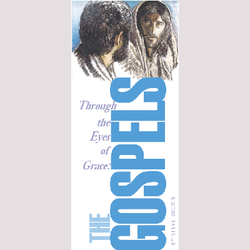
A companion booklet taken from Steve’s classic overview study of the New Testament. Highlights of the Gospels—Matthew, Mark, Luke, and John—including introductory comments, major themes, and important teaching. This is great preparation for Key Life’s Gospels broadcast series this year that begins this month.
Past Episodes
- A Fresh Word from God (Steve Brown)
- Acts
- Acts (Steve Brown)
- Acts Overview (Steve Brown/Justin Holcomb)
- Adam and Noah (Steve Brown/Jerry Parries)
- All You Wanted to Know About the Bible but Didn't Ask (Steve Brown/Pete Alwinson)
- Amazed by Grace (Steve Brown/Matt Heard)
- Among Friends
- Anger and Forgiveness (Justin Holcomb)
- Babette and the Lavishness of Grace (Steve Brown/Matt Heard)
- Big Message, Little Place
- Big Message, Little Place (Steve Brown)
- Calibrate: Sitting at the Feet of Jesus (Matt Heard)
- Christmas Day (Steve Brown)
- Christmas Eve: A Grace Gift Exchange (Steve Brown/Matt Heard)
- Christmas Gifts: The Four Mondays of Advent - Part 1 (Steve Brown/Matt Heard)
- Christmas Gifts: The Four Mondays of Advent - Part 2 (Steve Brown/Matt Heard)
- Christmas Gifts: The Four Mondays of Advent - Part 3 (Steve Brown/Matt Heard)
- Christmas Gifts: The Four Mondays of Advent - Part 4 (Steve Brown/Matt Heard)
- Christmas Special (Steve Brown/Pete Alwinson)
- Comfortable Words (Justin Holcomb)
- Coming Alive (Matt Heard)
- Embracing the Story of the Gospel (Matt Heard)
- Engaging Your Story (Matt Heard)
- Epiphany: Light for the Nations (Steve Brown/Justin Holcomb)
- Experiencing Awesome (Pete Alwinson)
- Galatians
- Getting Saved (Steve Brown)
- God, The Master Storyteller (Steve Brown/Matthew Porter)
- God's Grace is Enough (Steve Brown/Jerry Parries)
- Grace Through the Centuries (Steve Brown/Justin Holcomb)
- Gratuitous Grace (Justin Holcomb)
- Harmony in the Band (Steve Brown)
- Heart Matters (Matt Heard)
- How to Handle Hallway Experiences (Steve Brown/Jerry Parries)
- How to Trust God in Difficult Times (Steve Brown/Jerry Parries)
- Humility and How We Achieved It (Steve Brown/Pete Alwinson)
- Is Pentecost Reproducible? (Steve Brown)
- It's about Forgiveness (Steve Brown)
- It's All About Grace (Jerry Parries)
- It's All About Worship (Steve Brown/Pete Alwinson)
- Jesus Saves Sinners for God's Glory (Steve Brown/Pete Alwinson/Justin Holcomb)
- Journey to the Cross (Steve Brown/Matt Heard)
- Joy is Plural (Matt Heard)
- Laughter and Lament (Steve Brown)
- Lent: God's Kindness Leads to Repentance (Steve Brown/Justin Holcomb)
- Lies from the Enemy (Steve Brown/Jerry Parries)
- Living Your Best Life (Jerry Parries)
- Love (Pete Alwinson)
- Loving Like Jesus (Matt Heard)
- Peter: The Patron Saint of Failures (Justin Holcomb)
- Philippians (Steve Brown)
- Psalms of Lament (Justin Holcomb)
- Real Power (Pete Alwinson)
- Resurrection: It Really Happened and It Changed Everything! (Steve Brown/Pete Alwinson)
- Thankful for the Gospel (Steve Brown/Matt Heard)
- Thanksgiving in Troubled Times (Steve Brown/Pete Alwinson)
- The Covenants: Abraham (Steve Brown/Jerry Parries)
- The Covenants: Adam and Noah (Steve Brown/Jerry Parries)
- The First Episode of Key Life (1986) (Steve Brown)
- The Gift of Forgiveness (Steve Brown/Jerry Parries)
- The Gifts Christmas Brings (Steve Brown/Jerry Parries)
- The Good Things God Has Done For You (Jerry Parries)
- The Graced Church (Pete Alwinson)
- The Grammar of Gratitude (Matt Heard)
- The Kingdom Manifesto
- The Kingdom Manifesto (Pete Alwinson)
- The Kingdom Manifesto: The Poor in Spirit, Those Who Mourn, & The Meek (Pete Alwinson)
- The Kingdom of God (Steve Brown/Pete Alwinson)
- The Last Week (Steve Brown/Justin Holcomb)
- The Liberating Power of Truth (Steve Brown)
- The Life We Long For (Matt Heard)
- The Life You've Always Wanted (Steve Brown/Matt Heard)
- The Power of Confession (Steve Brown/Jerry Parries)
- The Power of Pentecost (Steve Brown/Jerry Parries)
- The Purpose of Christmas (Steve Brown/Jerry Parries)
- The Spirit Who Gives Life (Steve Brown/Justin Holcomb)
- The Voice of Jesus (Justin Holcomb)
- The Weird Ways of God (Steve Brown)
- Thinking About Believing (Matt Heard)

Featured Offer
A companion booklet taken from Steve’s classic overview study of the New Testament. Highlights of the Gospels—Matthew, Mark, Luke, and John—including introductory comments, major themes, and important teaching. This is great preparation for Key Life’s Gospels broadcast series this year that begins this month.
About Key Life Network
Because life is hard for everyone, grace is for all of us. And grace means that because of what Jesus has done, when you run to him, God’s not mad at you.
All of the radio shows, sermons, books, and videos we produce work together toward one mission: to get you and those you love Home with radical freedom, infectious joy and surprising faithfulness to Christ as your crowning achievement.
Learn more: http://www.keylife.org
About Steve Brown
He’s not your mother and he’s not your guru. He’s Steve Brown - a speaker, author, former pastor and seminary professor, and founder of Key Life Network, Inc.
At Key Life, Steve serves as Bible teacher on the radio program Key Life and the host of the talk show Steve Brown, Etc. Prior to Key Life, Steve served as a pastor for more than thirty years and continues speaking extensively.
Steve has also authored numerous books, including How to Talk So People Will Listen, Three Free Sins, Hidden Agendas and his latest release, Talk the Walk: How to Be Right Without Being Insufferable (now available as an audiobook).
Contact Key Life Network with Steve Brown
steve@keylife.org
http://www.keylife.org/
P.O. Box 5000
Maitland, FL 32794
In Canada, send requests to:
Key Life Canada
P.O. Box 28060
Waterloo, Ontario N2L 6J8
1-800-KEY-LIFE