
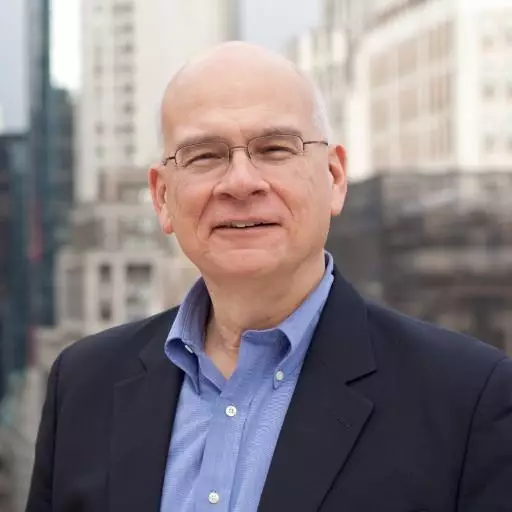
The Keller Family discusses The Global Reach Project


Gospel in Life recently launched The Global Reach Project (https://theglobalreachproject.com), which is an initiative to translate 500 of Tim Keller’s most foundational sermons into 30 of the world’s most spoken languages. This project is something Kathy Keller and her family are truly excited about, and we brought them together to talk about what they think of it and what they hope God will accomplish through it.
We hope this episode of Kathy, David, Michael and Jonathan discussing the project gives you a deeper understanding of why we think this project is so important and why we hope you will …
- be praying regularly for our teams that are doing the translation work - consider making a special gift in support of the project - share the translated sermons as they become available with people you know who speak one of the target languages
We know the gospel can change anyone, and we are grateful for the ways you are partnering with us to bring the message of the gospel to more people all over the world.
Visit https://theglobalreachproject.com to support and learn more about the initiative.
Translated Tim Keller sermons are currently available in our first 5 languages through https://gospelinlife.com and via podcast (links below): - Spanish Weekly Podcast: https://ginl-spanish.podbean.com/ - French Weekly Podcast: https://ginl-french.podbean.com/ - Portuguese Weekly Podcast: https://ginl-portuguese.podbean.com/ - Indonesian Weekly Podcast: https://ginl-indonesian.podbean.com/ - Mandarin Weekly Podcast: https://ginl-mandarin.podbean.com/
Tim Keller: The gospel is, you're more wicked than you ever dared believe, but you're more loved and accepted than you ever dared hope.
Guest (Male): It's when we understand the gospel that it changes us. For all of us, God puts someone in our lives to share the good news of Jesus's transforming love. For many, that person was Tim Keller. God gave Dr. Keller the unique ability to share the gospel through his sermons in a way that connects with hearts and minds across both generations and cultures. And whether we were hearing him for the first time or the hundredth, at some point the gospel came to life. And we were forever changed. Now, what might God do through Tim Keller's teaching if it were made available in other languages?
Today, only about 20% of the global population speaks English and can access Dr. Keller's teachings. What if millions of people who didn't speak English, our family, our friends, our neighbors, and people across the world, what if they could listen to his sermons in their native language? With God's help and your partnership, now they can. The Keller family is working closely with Gospel in Life to translate 500 sermons into 30 of the world's most spoken languages. These new translations will increase access to Tim Keller's gospel-centered teaching to nearly 70% of the global population. To do this faithfully, Gospel in Life is forming global teams of expert translators, pastors, and theologians to translate each sermon with integrity and authenticity.
We then use advanced audio technology to recreate Tim Keller's voice, preserving his uniquely engaging and welcoming tone.
Guest (Male): God has used Dr. Keller's sermons to transform countless lives. And now, with your help, these sermons have the potential to reach millions more. Will you partner with us today so that people across the world can hear Tim Keller's sermons in their native language, encounter the transformative power of the gospel, and as God works, be forever changed?
Guest (Female): You're listening to the Gospel in Life podcast. We're excited to bring you a special episode today, a conversation between Tim Keller's wife Kathy and their three sons about a new Gospel in Life initiative called the Global Reach project. Thanks for listening and stay tuned to hear more about how you can partner with us to sustain this vital project.
Kathy Keller: Tim didn't really think of himself as an evangelist until he got here and started talking to New York skeptics and the gospel really did change people. When it hit and it sunk into their lives, it changed people. It wasn't like church as usual. Do any of you remember when we would check out at a grocery store, you would tell the checkout lady, our dad's planting a church here and you
Guest (Male): I I never said that.
Kathy Keller: You guys did. You said it to the checkout ladies because you were so proud because you knew
Guest (Male): I don't remember that. I remember being excited for the cookies.
Kathy Keller: Well, yeah, you you were the hospitality guy. Yeah, you went for the you bought all the cookies for the
Guest (Male): We allowed to say that after communion we would we would go downstairs and any leftover grape juice and stuff we would
Jonathan Keller: That wasn't me. That that was definitely me.
Guest (Male): That might have been
Jonathan Keller: I don't know if that's allowed or not.
Guest (Male): That's why we got the garlic matzah cuz we wanted it to be
Kathy Keller: Oh, that's that's a whole story in itself. Jonathan was the one who was was buying the groceries for the hospitality and I I worked it out with the supermarket manager and gave him my credit card and Jonathan just went and pulled all the cookies and when we had communion you got the grape juice and the matzah. But around Passover there was no regular matzah left and so he just pulled a couple boxes out. It was garlic and onion matzah. So when we had communion that week, it was like
Jonathan Keller: But I think it's actually But I think it's important to point out that this was a a very much a a mom and pop, you know, startup.
Kathy Keller: It was a family. The whole family did it.
Jonathan Keller: You know, Dad would not ever want us to kind of point back to him and look at him and he he would really be uncomfortable with that. But I think what's exciting for us is we get to point forward to what he always pointed to and he always pointed to two two things. The gospel changes everything and it changes you when put in a way that you can understand it.
Kathy Keller: Mhm.
Jonathan Keller: And I think he was laser focused on that and I think because of that there was all this talk of like, well, this is different. The people are coming and then those people are becoming Christians and then they're bringing their their non-Christian friends and those people are becoming Christians. And so it just sort of overflowed, right? I mean, that that seemed to be what what we saw in the the early years.
Kathy Keller: In one sense, it's I think it would be fair to say that your father did the work of translation first before we have ever gotten to talking about translating it into other languages. He translated it from Christianese into normal speech. And that that was one of the things that made coming to Redeemer or bringing your non-Christian friend, your skeptical friend to church attractive is because they weren't going to get an earful of Christianese.
Guest (Male): I guess so many people I remember over over dinner he would talk to me about um words are either arrow words or boxcar words. And arrow words are you know exactly how it's going to land with the other person. And boxcar words are things that come with a lot of other things. It's like in a boxcar with packages and and and baggage. And I think that, you know, really was clear in his delivery and his sermons that he didn't want to um do boxcar, you know, sermons of boxcar words. So he wanted to make sure that, you know, what the gospel is saying to you is really going to land.
Jonathan Keller: Part of Christianity is the incarnation. It's that Jesus actually comes down. He becomes he becomes you know human. He it's fully God, fully man, but he incarnates. And so there's already a concept of God actually trying to become like us, knows us to to minister to us.
Kathy Keller: Become intelligible.
Jonathan Keller: Yeah, but he but really it's it's translated. It's God so that we can understand him and see him. And so there's we get to be able to try through these sermons try a way to actually incarnate into different languages into different spaces so that the gospel can go out. And I think in the in the best way that's actually something really beautiful that could be happening.
Kathy Keller: Yeah, the Global Reach project really is a can we get the gospel out as far and wide as we can project.
Jonathan Keller: When it comes down to it's it's the gospel.
Kathy Keller: Jesus came speaking Aramaic and he learned Hebrew and he may have even gotten the smattering of Greek. I don't know, but he learned languages in order to communicate. He didn't come down speaking heavenly tongues or something like that. And for us to be translating his message that I've come to rescue you, that I I'm you don't have to work your way up to me. You'll never be able to do it. I've come to rescue you to take that message and spread it out with other languages. Feels like a continuance of the incarnation. Well, that's one of the things that I think makes Tim's ministry still feel like it is proceeding with this translation project is that he started the translation with you know from the Christian subculture into you know normal language.
But now it 's going into normal language of people all over the world. And that's to see the gifts that God gave Tim be spread out to more and more people so that they can hear the good news. Not so they can become the cult of Tim Keller, but so that they can hear the good news of God. It's just wonderful.
Jonathan Keller: Well, let's be honest. I mean, you guys started translating when you guys were speaking Elvish to each other cuz you didn't want us to actually understand what you were talking about whenever you wanted to talk out of conversation.
Kathy Keller: You're just perpetuating a myth. We did not speak Elvish to each other. We Dad memorized a few of the poems and I could understand the poems, but he didn't speak Elvish.
Guest (Male): Lord of the Rings. The Global Reach project, you know, it's it's really interesting, but it it is a big undertaking. And I think being able to translate uh 500 sermons in 30 different languages, that's 15,000 sermons. Each one of those languages has a team behind it. And so there's a a large number of people that are working on each one of those translations. When you think about uh the rest of the world and its population, only about 20% of the population speaks English. I think with the Global Reach project we're able to hopefully try to get to closer to 70%.
And I think that's just really exciting.
Guest (Male): I find the numbers kind of hard to grasp tangibly. Like it
Jonathan Keller: Cuz you're talking about hundreds of millions of people.
Guest (Male): Yeah, cuz 20% if you're thinking about how the gospel movement in all the different forms that have sort of arisen since the '90s from uh the Redeemer ministries have sort of touched millions of people. We're going from 20% to you know 70% and adding 50% of the world that can that can now uh access this. It's it's such a big possibility. It's such a big world. I would implore people to like imagine what what are the possibilities because this is a baseline of resources that we're saying now we can deploy this to an even greater amount of people in the world.
Kathy Keller: There's a lot of rogue translations out there already just because people are hungry. They take a sermon and they run it through an AI program or they just translate it on their own. But if you're not theologically trained, if you don't know that this word in English doesn't exactly pair up with that word in say Hindi and I mean the process that Gospel in Life is going through to get these translations done is
Jonathan Keller: Very rigorous.
Kathy Keller: very rigorous and has a lot of steps to it just to ensure that the it's not just a word-for-word translation which can be very misleading, but that it's also it's a concept uh for concept as well that the the theology is translating as well as the words are translating and
Jonathan Keller: A lot yeah.
Kathy Keller: that's long. Takes a long time. It's just a five to 10-year long process to get those 15,000 sermons done. And it's more expensive uh but it's worth it. It's it's the platinum product.
Jonathan Keller: It's I I don't know if I've I've ever told you guys this, but I remember I was living in London and somebody handed me a CD of of Dad's sermons and they they were actually came from uh part of Romania. I think it was Transylvania and they were where they were where they were
Guest (Female): Transylvania really?
Jonathan Keller: Yeah, yeah, but they were what they were doing is they were playing these sermons over the radio and they were pausing the CD and then somebody was just live translating and pausing and I I I I remember calling Dad up and saying, Dad, they're doing this. Like, are you okay with that? And he's like, well, yeah, cuz the gospel's going out. But this is this what we're going to do now is actually uh because of the rigorous process of of the translations of the intonations and all that stuff. It's the the 2.0 version of that.
Guest (Male): It's basically saying like, hey, we want to have the authentic gold standard that is, you know, true to the source and that is, you know, rigorous so that people know where to come for for Tim Keller's uh you know translated sermons and that there is actually a verifiable trusted source that people can go to.
Jonathan Keller: And importantly in that is that the gospel stays where it's supposed to be, right? Because it can get mistranslated. In in not maliciously, but just inaccurately. We want to make sure that we actually are actually saying the gospel in the best that we can. And um
Kathy Keller: Right. Right. Absolutely. That's right. Yeah. We're trying therefore to translate these sermons to the best of our ability.
Guest (Male): I know that was a big discussion point with the four of us when we were um talking about this initially that how can we be confident? How can we have assurance that this really is going to be cuz you know we don't speak all these 30 languages. How do we know that these are going to be unadulterated and you know with strict adherence to you know the principles in the gospel um centrality of of of the sermons. And I think, you know, our initial reaction like a lot of people is like, oh, you're just feeding this to Claude or you know the latest AI uh agent.
And I think you know the rigorous uh process that uh is outlined for for each of these languages really gives us that confidence. It's also why it it costs a lot of money.
Jonathan Keller: I think we're investing in stewardship. I think we're investing in access. I think we're investing in the ability to provide that uh all over the world.
Kathy Keller: And this is a huge project. I mean, $15 million is sounds really big, but when you realize it's 500 sermons into 30 languages and I can do my math, that means 15,000 sermons, multiple teams of of individuals that are looking over the text, making sure it's actually saying what it's trying to say, making sure everything is synced up, everything is there. There's multiple processes. When you add it all together, we'll be able to really stand behind and say this is actually great. This is this is what what was at done originally. Now it's been translated and put in cuz as you know so much is lost in translation.
That's the problem. That's why that's even a phrase. So we're trying the best that we can that things are not lost in translation.
Guest (Male): For me personally, really excited to see something so big and so bold uh being able to spread across the world and and change people. And I know from my experience with Dad, these types of big, crazy, bold ideas just sort of excited him so much that we were able to do this, pull people together, have the technology, have you know people with professional expertise to actually do this high level of work that would then eventually get to people in another country in their earbuds that would start to actually change their lives. I think he he saw all those and he didn't take it for granted.
And I I'm excited about the beginning of this project.
Kathy Keller: I like to think about what this could mean for pastors and churches to get these resources in their hands, particularly in places where uh it's hard to get gospel resources. You get this impression that on uh the internet there's lots of content and there's so much content out there. But when you get down to particular languages, there's not as much content and there's not as much gospel-centered content. We've heard from pastors, we heard from churches in a lot of these spaces and there's not a lot out there. And so it gets me excited to know that there's going to be this resource for them that they can disciple people that are in their churches.
They can give it to folks who are skeptical of the faith and they 're not sure if they believe. And they say, let's talk about this and and when it's in the language that they that they live in that it's uh it it incarnates into their situation. I think it's going to be very very exciting to see how God uses this in their life.
Guest (Male): This translation project, the Gospel in Life sermons are really kind of timeless because they're focused on the gospel and it's not necessarily rooted in any cultural moment that it can transcend cultures and it can be contextualized to those cultures. So
Jonathan Keller: That's a really good point because I think every culture is always answering questions for its people. You know, what's important? What's wrong with the world? What will put things right? And what's beautiful about the gospel, it actually has an answer to each of those questions, but it answers the cultural question differently depending on the culture, right? The culture in the West, the culture in the Middle East, those are very different cultures, but the same gospel. So we believe that actually if if you're actually doing gospel-centered sermons, I think Dad did those. When you translate them, they can actually translate into other cultures for that very reason.
Guest (Male): Right. Absolutely. It's so it's so adaptable um to time and context.
Kathy Keller: The the ability for those sermons to continue to be timeless I think has to do with with the gospel.
Guest (Male): Yep.
Kathy Keller: And so even if you're in Kuala Lumpur or you're in London, you're still asking the questions of who am I? What these are the they might be different challenges all over the world. You might have feel like the culture's different or you might be wrestling with some other issue that is cultural in your part of the world, but you're still asking those questions about how does the gospel help me with that?
Jonathan Keller: Yeah.
Kathy Keller: I think that is going to be useful and it's always going to be a need all over the world.
Guest (Male): Yeah.
Jonathan Keller: Yeah.
Guest (Male): Right now, personally, I continue to more than I ever did before listen to Dad's sermons on the Gospel in Life podcast. And what really has been standing out to me now is actually that, you know, we talk a lot about how his sermons and his teachings were so sort of intellectual. But I I I I've actually been hearing all the emotion in his voice and all of the all of his teachings and that it really the grace in the gospel were sort of pouring out of him from his own experience that he did a great job with the intellectual part of it and the academic and you know uh for New Yorkers.
But I think what's transferable and what will translate and come through to other cultures is also the the emotional part about, hey, can't you see I want you to see what I see.
Jonathan Keller: Mhm.
Kathy Keller: I'm happy that we can actually use the AI in order to replicate his voice in the other cultures because the emotion and the feeling and the stuff that was an inextricable part of communicating the gospel is thereby preserved rather than lost. But one of the things that excites me is that city to city has all these global partners all over the place. If we can get these translated sermons in their hands and they can be used in like the fledgling new churches there to like educate the people in their congregations, that's the new generation of church planters for you know years to come.
Guest (Male): Dad's sermons that were steeped in New York City are immensely transferable to a world that is now you know drastically more urban and increasingly will continue to be urban um in ways that you know we couldn't have foreseen.
Jonathan Keller: You know guys, as great as Dad is, I think it's it's the gospel. He always always points towards the gospel. That's what really ultimately mattered. And he would want and we want people to get the gospel and people to be changed by that. So it's less about Dad, it's less about who he is. It's more about who Jesus is and and what he's done for us and
Guest (Male): Yeah.
Jonathan Keller: and let where does that meet us at where we're at. And I know where that's happened for my life and I just I'm excited to see where it happens in other people's lives.
Guest (Male): The Global Reach project is you know will be useful anywhere that these 30 languages will be spoken including the western uh countries. These are going to be absolutely able to be used by church planters, but also just regular uh inhabitants to listen to and for the Holy Spirit to do what it's supposed to do in those times. We don't know how exactly and when hearts and minds change, but we do know that you till the soil um and allow things to grow. This project will will help radically transform those people in those cities and those neighborhoods.
Jonathan Keller: He had that disposition where he never wanted it to be about him, getting an emotional thinking about it. But that's why I'm really excited about these sermons because they were never about him. It was always about the gospel that he was able to kind of articulate. And if we can get that out to other folks and it it's going to not going to be about about my Dad. It's going to be about who he pointed to. And it was always what Jesus is, what he does for us, how he meets us where we're at, and then how our lives are changed through it.
So I'm really really really excited about that. And if that happens, man, it the world will change.
Kathy Keller: You know, he's not in the pulpit, but this is a way to continue his ministry and keep the gospel front and center. We've already had um a lot of interest from a lot of people and I'm I'm very happy and grateful for those of you who have been part of that already. But we also want to invite those of you who haven't to be part of the um fundraising that we're going to need to bring this project to completion. I mean, it's it's an expensive project as we've said and but it's it's worth it. It's it's really important.
It's important to us as a family. It's important to people who don't even know it's important yet.
Jonathan Keller: We're looking for partners to do it with us um and be with us for the journey cuz I mean donations are just our partnerships. I mean, what you're doing uh is is saying, I want to join uh in this process in this project that it's meaningful that um to to be able to get these sermons out.
Kathy Keller: But if you would pray about that, just don't forget that uh people and the word of God are the things that last forever. So you can't really invest in anything more durable than something that brings those two things together. So
Jonathan Keller: I think we want to invite people to pray that the sermons are as effective as they were uh translated as they are in English, that people will um be able to share them widely with their communities and that um that the gifts come in to support this that we have the donations. But more important, we have the partnerships.
Kathy Keller: And we do need people to pray. I mean, we can have all the best systems in the world. And if the Holy Spirit is not behind this, then it's going to be fairly empty. So
Jonathan Keller: Yeah, we want to make sure that we're not building our own kingdom, that we're building his kingdom. So we want you know one of our my prayers is that if this is what God wants, if this is actually how he wants to help spread his gospel, then to bless it and for it to work. And if it's not, then show a different way and and build it in a different way. So but uh this is how we feel like we can actually be part of this uh spread of the good news. That's always the ultimate goal at the end of the day is that people hear who Jesus is in a way that they they can understand it and then it changes their lives because of how the gospel meets them.
And I I that's what I'm excited about. When I think about my Dad, I think this would be what he was passionate about. Um was just getting an opportunity for everyone to hear the gospel. The the translated sermons are the beginning, not the end. It's an opportunity to open a door. On behalf of the Global Reach project, I just want to thank everybody involved. Thank you so much for taking the time to listen, to hear about this exciting project that we're doing together. And I just want to invite you. I want to invite you to please pray.
Pray for the project, pray for us, pray for those who might be able to hear the gospel for the first time through this project. Please pray. Also, if you'd like, share if this is something that's moved you or you think there's others that you know that might be excited about this project as well, please share that in any way that you want. And then lastly, give. It we need we need gifts. It's going to take a lot of people that actually partner with us that do this together. No gift is too small, no gift is too big.
And just thanks again. We really really really appreciate your time.
Guest (Female): Thanks for listening to this special episode. You can learn more about how you can support this effort to share Tim Keller's gospel-centered teaching with more people in their native language and how you can access some of the sermons we've already translated. Just visit theglobalreachproject.com. Again, that's theglobalreachproject.com. We hope you'll join us again tomorrow as we continue Dr. Keller's sermon series on what it looks like to have a heart that's been truly changed by the gospel because the gospel changes everything in every language.
Featured Offer

When the gospel takes hold of your heart, you can become a gospel-humble person who is neither too self-condemning nor too self-loving. Instead, you can be transformed by the gospel to be a self-forgetful person who loves and serves others—loving your neighbor like you love yourself. This month when you give to Gospel in Life we’ll send you 2 copies of Tim Keller’s short book The Freedom of Self-Forgetfulness, which teaches us how to live as gospel-transformed people.
Past Episodes
This ministry does not have any series.
Featured Offer
When the gospel takes hold of your heart, you can become a gospel-humble person who is neither too self-condemning nor too self-loving. Instead, you can be transformed by the gospel to be a self-forgetful person who loves and serves others—loving your neighbor like you love yourself. This month when you give to Gospel in Life we’ll send you 2 copies of Tim Keller’s short book The Freedom of Self-Forgetfulness, which teaches us how to live as gospel-transformed people.
About Gospel in Life
About Tim Keller
Timothy Keller is the founding pastor of Redeemer Presbyterian Church in Manhattan, which he started in 1989 with his wife, Kathy, and three young sons. For 28 years he led a diverse congregation of young professionals that grew to a weekly attendance of over 5,000.
He is also the Chairman & Co-Founder of Redeemer City to City (CTC), which starts new churches in New York and other global cities, and publishes books and resources for ministry in an urban environment. In 2017 Dr. Keller transitioned to CTC full time to teach and mentor church planters and seminary students through a joint venture with Reformed Theological Seminary's (RTS), the City Ministry Program. He also works with CTC's global affiliates to launch church planting movements.
Dr. Keller’s books, including the New York Times bestselling The Reason for God and The Prodigal God, have sold over 2 million copies and been translated into 25 languages.
Christianity Today has said, “Fifty years from now, if evangelical Christians are widely known for their love of cities, their commitment to mercy and justice, and their love of their neighbors, Tim Keller will be remembered as a pioneer of the new urban Christians.”
Dr. Keller was born and raised in Pennsylvania, and educated at Bucknell University, Gordon-Conwell Theological Seminary, and Westminster Theological Seminary. He previously served as the pastor of West Hopewell Presbyterian Church in Hopewell, Virginia, Associate Professor of Practical Theology at Westminster Theological Seminary, and Director of Mercy Ministries for the Presbyterian Church in America.
Contact Gospel in Life with Tim Keller
support@gospelinlife.com
https://gospelinlife.com/