


How Can We Be Certain of Heaven?


When asked if they are going to heaven, some people might say, “I hope so.” But wouldn’t it be better to be absolutely certain? Pastor Mike Fabarez says we don’t have to live in a state of doubt, because God will always keep his promises!
Pastor Mike Fabarez: If you're going to have doubts about your Christian life, may it be because you're really rethinking what you did and what you are. Don't let it be because we're doubting God's truthfulness, because God has given us enough tools in the Bible to figure those things out. We've got to be firm on that. Build your confidence in God's truthfulness.
Dave Druey: Ask a random person in a coffee shop, "Are you going to heaven someday?" and you might hear, "Maybe," "I think so," or "I hope so." Those answers reflect an uncertainty about God and people's relationship to him. But today on Focal Point, Mike Fabarez says we don't have to live in a constant state of uncertainty.
The reason we can experience confidence in a heavenly future is because God always keeps his promises. Pastor Mike calls today's message, "Our Assurance and God's Truthfulness."
Pastor Mike Fabarez: If you have your Bibles, I want you to open one more time to Hebrews chapter 6, which is one of the most helpful chapters in giving us tools to make sure that we live the Christian life with confidence. Now, it's not a boldness or a confidence in ourselves. You realize that. Jesus was often going after the Pharisees who were confident in themselves.
But godliness is the kind of thing that gives us a confidence in not only where we're at on this journey, but where we're going, whose we are, and the fact that we are secure in a relationship with God. Much of the scripture was written for us to utilize the tools of the New Testament so that we can know where we're at, who we're owned by, where we're going, and be confident about the reservations when we get there.
Hebrews chapter 6 has been helping us think through these issues. We have to be confident that this one that we're dealing with is dealing with us truthfully, and that the things that he said we can count on and bank on. If we're going to be sure that we are God's, we need to make sure that his promises are sure, and that's exactly what he does then in the rest of this chapter.
Take a look at verses 13 through 20. Let's read these together. We're going to get the big picture today, but verse number 13 reads this way. "When God made his promise to Abraham," now, there's an obvious break there in most of your translations. They have some kind of paragraph change or some kind of heading there, but all of this is for the purpose of assurance, which is the topic of the chapter. And he starts talking about God making promises, specifically as by way of example to Abraham.
And he says this, "Since there was no one greater for him," that is God, "to swear by, God swore by himself." Bizarre. He said, "I will surely bless you and give you many descendants." That's a quotation from Genesis 22. "And so after waiting patiently," that's Abraham, "he received what was promised." Now he says, "Men swear by someone greater than themselves and an oath confirms what is said and it puts an end to people's arguments. Great."
Verse 17: "Because God wanted to make the unchanging nature of his purpose very clear to the heirs of what was promised," and that's not just Abraham and his descendants, that's us too. "He confirmed it with an oath. God did that so that by two unchangeable things," what are those things? Look up at verse 17. "It's that he made a promise and he confirmed it with an oath. By two unchangeable things, in which both of those you've got to think it's impossible for God to lie."
Here's the key. Here's the kicker. Here's the point of this section. "We who have fled to take hold of the hope offered to us may be greatly encouraged. We have this hope," verse 19, "as an anchor for the soul." Isn't that good terminology? I'd like to live with that. I'm confident. Look at these words: "Firm and secure." We have a hope. It's like an anchor for our soul. It's firm and secure. I'm confident. I'm confident about who I am, whose I am, and where I'm going. My reservations, I'm sure. That would be a great place to live.
Number one on your outline, let's write this down. This is an acknowledgment of a desire of God. Number one, let's write it down: God wants you to be sure you are his. He wants us to be confident. He wants us to live with a kind of anchor in our soul, firm and secure. God wants you to be sure that you're his. The logic of verses 13 through 20 is that's why God has made us some promises.
We have to figure out this life part and the genuineness of our experience. But when it comes to the promises of God in the equation of the gospel, he wants us to be confident and absolutely sure. Because when we're sure, because our God makes promises, which by the way are completely unnecessary, right? Even in the New Testament, doesn't the New Testament say that you and I shouldn't be swearing?
You were taught that. You grew up in Sunday school. I'm not supposed to swear. You don't say, "Mom, I cleaned my room, I swear." If I said that to my mom, no, you don't say that. We don't swear, we're Christians. Here's a text about God swearing. It's completely unnecessary. Why is it unnecessary for Christians to swear and say, "I swear"? Because if we say something, it should be true.
If that's true of us as virtuous New Testament Christians, at least it should be, do you think God needs to swear? No, he doesn't need to swear. He doesn't need to take an oath. He doesn't need to even make promises. If God says it, that ought to be good enough. And yet God goes the extra mile and says, "I'm going to do some things that seem completely unnecessary and way out of bounds, but I'm going to do them so that you never doubt the equation and the transaction of the gospel. You've got to know this and you've got to know it for sure."
The Bible says that when we think about the future, we've got to recognize this. We've got a God who's already seen it happen. He's giving us a play-by-play of what in his book is already in the can. It's done. It's finished. It's been recorded and it's history to him. Here's how he says it in scripture. Now, notice if these aren't familiar words. He starts the last book of the Bible, which is the biggest prophetic look into the future. He starts it in chapter one with these words: "I am the Alpha and the Omega, the beginning and the end." That's how he starts it.
What's he saying? I've seen the end. I know who wins. Do you know how the last chapter ends? Same words. "I am the Alpha, the Omega, the beginning and the end, who was, who is, and who is to come." And he says this about our world. He says that ultimately one day Christ will return. He will take his children who trust in him into a new kingdom, and he will live with us there, making all the wrong things right.
If God has really told us the future in advance and we know if you repent of your sins, put your trust in Christ, see evidence of it in your life, then you are his child and no matter what happens in this world, I know we win in the end. And I know that we will walk into the eternal kingdom and every problem we've had on this earth will be made to look very small in comparison to the victory that's about to be revealed to us.
That's living with confidence and hope. It's not biting our fingernails when we read the newspaper or watch the news, or when we get the reports about the bad things going on, or the trials or the struggles, or the issues of our lives. It doesn't matter. We know who we are, we know where we are, we know where we're going, and we know that our reservations are intact.
Now, the problem is a lot of people try to live the Christian life without all that stuff because they don't have their minds and their lives anchored in the confidence that God is telling us the truth. That's what the second half of Hebrews chapter 6 is all about. Matter of fact, we've got to step back and I just want to quickly put these two things together, if I could, in point number two. Jot this down. What we need to do in understanding the second half of Hebrews 6 is understand the first half in juxtaposition or comparison to the second half.
Let's jot it down this way: we need to understand the components of assurance. And I've already painted the picture for you, but let's write it down: the components of assurance. If we're going to be confident, we've got to know the components. The two components are: first half of Hebrews, my life. Got that? My life. The second half of Hebrews is God's promise.
Now, there are questions to ask in both of these. And I trust we've already asked these first two questions, but we dealt with them in the first half. Let's just logically think it through. If the first half is my life, I should be asking these kinds of questions. Question number one needs to be: have I rightly responded to the gospel? That's question number one. Settle that question. Figure it out. You've got to know what the gospel is. You've got to know what the gospel requires.
You've got to know that there was a time in your life where you've actually responded according to the prescription of the Bible. Not a gospel tract, not a song, not a hymn, not a sermon, but what does the Bible say? Have I rightly responded to the gospel? Secondly, this is what a big chunk of the first half of Hebrews 6 was all about. I need to ask the question: does my life show continuing evidence?
Does my life show continuing evidence of that conversion? And that was a big part, continuing. Do I see that this was not a flash in the pan? It wasn't some kind of immediate adherence to Christ and now it's waned and it goes away. Do I see my life moving from one level of Christ-likeness to the next? Have I conquered sin this year that I couldn't conquer last year? Am I more involved in thinking like Christ now than I was 10 years ago? Are you seeing continual growth in your life?
Are there bumps along the way? Yes. Do you sin? Absolutely. Welcome to the club. But are you continually showing evidence of your relationship with Christ? Does that sound familiar? First John 3, which is a real parallel to Hebrews 6, lists all these things about checking that, looking for fruit in our lives. And he sums it up this way: he says you've got to be able to demonstrate this love for God and others. He said not with word, not with just our tongues flapping. He says, but in deed and in truth.
Do you see that in your life? If you do, here's the next verse in First John 3: he says then we can set our hearts at rest in God's presence. Because we know that the proof of our Christianity, not just looking at "I think I responded rightly to the gospel," but there's evidence in my life, then I can sit back and say, "You know what? As it relates to the question of my life, I can check it off the list because I am confident that my heart is at rest before God because I see continuing evidence of my conversion."
Not an external pressure to be like the other churchgoers, but an internal change that is moving me to be more like Christ. Is that old stuff? That's a repeat. Sorry, that's the old sermon series. Second half: the promise. There are two component questions to this, just like there's two components to the first part of this chapter. There are two components to asking questions about the promise. The first question is this: did Jesus really secure my salvation? Did Jesus really secure my salvation?
Because a guy with a beard on Fox News today is telling me Jesus really didn't do it. I've got to answer that question. To him, Jesus was just a talking head for God. Didn't die on a cross for my sins, wasn't resurrected from the dead. So he's saying you Christians are trusting in the wrong thing. I've got to solve that question. Did he really do that? Is he who he said he was? As a matter of fact, let's just look at the big claims one more time. I know this is Sunday school, at least 201, but let's go back to John chapter 11.
In John chapter 11, here's the kind of thing Jesus busted on the scene and said. Now again, we've got to debate this. If Christ is not who he claims to be, then you know what? I've got no assurance of salvation. Because here's the kind of big claims he's making. You know the context. Skim your eyes through this chapter. Lazarus dies, his sisters are crying. "I wish you would have got here sooner, Jesus. It would have been great. I know you could have saved him." Remember this text?
Jesus says this punchline, verse 25: Jesus says to her, "I am the resurrection and the life. All who believe in me will live even though he dies." Okay, it's a big statement. Here's what the threat on Fox News was by the Southern California convert to Islam. And Muslims they say are going to take over the world and all you Christians need to leave the darkness of your deception, he says, and walk into the light of Islam.
And if you don't, he's threatening you, you will be punished, not only in this life, he says, in the next. So we've got to make sure that if Jesus said this, is he telling us the truth? Because the scripture says, "No, no, no, if I die and I'm trusting in Jesus, I get to live after I die." You say I'm going to hell; Jesus said I'm going to live because he is the resurrection and the life. Verse 26: "And whoever lives and believes in me," after that, look at this, "will never die. Never die."
And then he asks the pertinent question: "Do you believe this?" Now, she didn't catch the question. She gives him the wrong answer about a future resurrection. But the question here is: are you sure that I'm truthful in this claim? Am I lying or am I telling the truth? Do you believe it? A few chapters later, turn to John chapter 14. Even if we check that box—okay, I've done enough research, I've done enough homework, I've looked at the scripture objectively, I think Jesus is telling the truth—the second question you've got to answer is whether he's going too far with this claim.
Remember this discussion with the doubters and the disciples sitting around the beginning of the upper room discourse? Just before we get to that, look at verse 6. Here's the real punchline. John 14:6, memory verse from AWANA. Ready? "I am the way and the truth and the life. And by the way, here's the thing: no one comes to the Father except through me." Okay? Because that's the second cop-out of the modern culture, just like they were saying to the first-century Hebrew culture.
They were saying, "Stop with the Jesus kick." And then they said, "Even if he's right, you're not saying we're wrong, are you?" This text says if you're not clinging to Jesus when you die, you don't get it. And no one does unless they go through Christ. That's what the text says. We've got to answer the question: is that promise true? Is Jesus telling us the truth? Did he really secure our salvation for us and is he who he says he is? That's the promise that's under scrutiny. We've got to figure that one out.
Second half: there's another component question to this question or examination, rather, of the promise of God. Question number two: will God keep his promise to save me? I can think that Jesus is telling me the truth, but ultimately Jesus in scripture is seen as my advocate. He is seen as the one who stands and pleads my case before the Father on judgment day. He is my intercessor.
The real issue is God. Is God, the Creator of heaven and earth, the one who designed me, is he going to say, "Okay, it's cool. I accept you on the basis of Christ"? Okay, that's the promise in scripture. Is it true? Okay, here's the claim. Romans chapter 8, in one simple statement. Here's the promise of God we've got to determine whether it's true or not. Will God keep his promise to save me? Look at verse 30. Here's the links in the chain that we've got to see: is this true?
Verse 30: "Those he," God, "predestined, he also called." If before the creation of the world he chose us, then he calls us in real-time on the planet. And those he called, guess what he does? He justifies them. That means he forgives their sin. And that's the state we're living in now. But the question is: what about the justified? Maybe God's not going to keep his promise. Here's the promise of God: those he justified, he glorified.
See, we really are banking on a couple things here. I'm banking on the fact, if I'm going to live confidently, not only have I seen that I've kept the prescription of the gospel—I've repented of my sins, put my trust in him—and not only do I see evidence of that in my life—I'm not the guy I used to be, I'm being more like this ancient prophet from the Bible—but I've got to be banking on this fact: that what Jesus said is true and God's going to keep his promise.
If I don't have that part, take that component out. If in my mind at night as I lay in bed and stare at the ceiling thinking of the world and all the conflicting religions, if I'm thinking, "Well, I wonder if this is true. I wonder if Christ really did this. I wonder if all that stuff is real. I wonder if God really is going to embrace me..." You've got to solve that. If we solve the first one, got to solve the second one. You solve both parts—the question of your life and the question of God's promise or his truthfulness—you will be confident.
You will have an anchor in your soul that is firm and secure. That's why the discussion of God's faithfulness, God's truthfulness, and God's promises in Hebrews chapter 6:13 through 20. And you say, "Well, my life is the real iffy part." And I know that. That's why we spent so much time and effort on that. If you're going to have doubts about your Christian life, may it be because you're really rethinking what you did and what you are. The evidence.
Don't let it be because we're doubting God's truthfulness, because God has given us enough tools in the Bible to figure those things out. We've got to be firm on that. Jot this down—we don't have time to look at it—but Second Peter chapter 3: great discussion about mockers who come, much like they did in the first century, saying, "Oh yeah, your Jesus, if that's all true, where is he? Going to come back tomorrow? Yeah, read your silly books about Left Behind and all that. I don't feel very left behind. Ha, ha, ha."
The Bible says in the last days scoffers will come. They'll mock. He says, saying, "Where's the coming of Christ? He promised that; I don't see it." Do you know what the writer of Second Peter, Peter the apostle, says? He says, "Boy, you better look back. Don't forget the history. Don't forget what he did in the past. Don't forget his record of keeping promises." Man, God's going to... don't think he's slow as some count slowness. Remember this text?
Sounding familiar now? God's not slow. To God, it's no big deal. If he makes a promise a thousand years ago, it's like he made it yesterday. It's no big deal. If he made it yesterday, a thousand years, doesn't matter. God is above time. He's the Alpha and the Omega, and if he promised it, you can be sure he's going to carry through on it. He says the only reason he's waiting is he wants more people like this guy on TV today to come to the place of repentance.
And I turn it right around: repent. Repent from your darkness and walk into the light of Christ. That's what you need to do. The Bible says that's the only reason God's waiting, but one day the waiting will be over. He will wrap this thing up and we will walk into the presence of Christ. But we've got to be sure. Got to be sure about my life, got to be sure about God's promise. So what do we do? Number three: verses 13 through 20 are all about this.
Build your confidence in God's truthfulness. That's what it's about, and that's our goal: build your confidence in God's truthfulness. We're going to talk about God's truthfulness. We're going to look at his track record, we're going to look at his character, we're going to look at Christ and what he's done. We're going to see from a biblical standpoint as best we can how this thing holds together. So come back. But if you are going to find out whether or not God is truthful, whether his promises hold, the only way you can do that is to interface with the record.
That's the only way you can do that. You've got to interface with the record of what he's said and what he's done. That's what you've got to do. So I'm going to give you three things to look for as you do that. In other words, yeah, come to church, great. But you'd better get one of these. It's called a Bible. Seen one before? And you should spend some time in this thing. Because we've got to determine whether or not God is trustworthy. Is he true?
If I'm going to find out about him keeping a future promise—the whole gospel equation—I've got to do some work. This is the record of God's dealings with mankind and a book filled with his promises. One of the books I suggested for you is Lockyer's book, and he writes all these books, "All the blanks of Scripture." He wrote one called "All the Promises of Scripture." And cataloging it, they say—and I haven't done the count myself—that there are 7,847 promises in the Bible. Great.
The point is God has written a book full of promises and they're great to study. But the questions that we're dealing with are: is the promise of Christ trustworthy? Is the promise of God in salvation trustworthy? We've got to figure that out. And one way we can figure that one out is by looking at the totality of them. Couple things, ABC. Ready for that? Look at verses 13 through 15 in your text. 13 through 15.
13 through 15 is a discussion about a guy named Abraham. See the logic? Anytime you're going to figure out whether I'm banking on the right promise or not, I've got to look at the history of promises. And what he's doing with one simple example, I'm going to try to suggest that you do throughout the scripture. It's great for us to be reading through the Bible. As you read through the Bible, I want you to look for this, letter A: ponder God's track record.
What's great about the scripture is we get a running history from about 1445 BC through about 90 AD. We've got a lot of time, 40 authors, three continents, three languages, this whole 66-book library of God's dealings with people. And what we can do is we can start to look through these and watch God and how he operates. We can watch him make promises in the early books of the Bible and fulfill them in the latter books of the Bible. We can start to look for his track record. We can see the promises that he made.
Dave Druey: The Bible is filled with promises that God has kept for generations. You're listening to Focal Point with Pastor Mike Fabarez and a message titled, "Our Assurance and God's Truthfulness." We'll continue this lesson tomorrow, but remember you can always revisit or share these daily messages by visiting focalpointradio.org. Even better, grab the free Focal Point app and bring these daily messages along wherever life takes you.
This month's featured resource offers something extraordinary for anyone serious about understanding God's covenant commitments: Herbert Lockyer's comprehensive volume, "All the Promises of the Bible." This remarkable study catalogs every assurance God extends throughout scripture, showing how his pledges meet our deepest concerns. Looking for confidence about daily needs, security, his constant nearness, or spiritual strength?
Lockyer unpacks the reliability of God's sworn commitments to his people. Thoughtfully structured with clear applications, this becomes an essential companion for exploring God's steadfast nature and proven track record through the ages. Request "All the Promises of the Bible" when you give to Focal Point today. It's our way of thanking you for standing with this ministry. Call us at 888-320-5885 or give online at focalpointradio.org.
Prefer to mail your gift? Send it to Focal Point, Post Office Box 2850, Laguna Hills, California 92654. Your support, whether you give once or join as a Focal Point partner with monthly donations, keeps verse-by-verse Bible teaching on the air nationwide. Partners receive specially selected materials from Pastor Mike monthly, and your consistent giving empowers us to bring solid teaching to fresh audiences. Sign up as a Focal Point partner today by calling 888-320-5885 or become a partner online at focalpointradio.org.
Connecting with Focal Point for the first time? Well, we'd love to welcome you with a complimentary resource. Ask for Pastor Mike's booklet, "Promises, Promises" when you contact us. Simply call 888-320-5885 or get in touch online at focalpointradio.org. Well, I'm your host, Dave Druey, and we'll see you tomorrow for the conclusion of Pastor Mike's message, "Our Assurance and God's Truthfulness," Tuesday on Focal Point.
Pastor Mike Fabarez: Pastor Mike here. Ever wish you could corner your pastor and challenge him with your toughest questions about the Bible, about faith? Well, now you can. Send me your questions. Head on over to focalpointradio.org and click on "Ask Pastor Mike," or send me a note on facebook.com/pastormike or twitter.com/pastormike. I can't wait to hear from you.
Dave Druey: Today's program was produced and sponsored by Focal Point Ministries.
Featured Offer
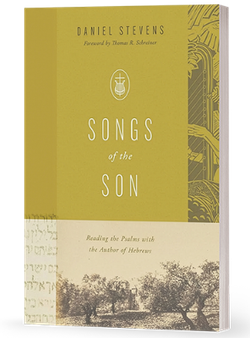
Jesus isn't just a New Testament figure. He appears prominently throughout the Old Testament...and you can see it most poignantly in the ancient song book of Israel: The Psalms. Explore and appreciate the connections in the Psalms to the Messiah in the New Testament that point to his supremacy.
If you want to gain a profound understanding of the Messiah in the Old Testament, be sure to request the book Songs of the Son by Daniel Stevens.
Past Episodes
- A Closer Relationship with God
- A Controversial Baby
- A Lesson for Losers
- A Life of Thanksgiving
- A Painful Path
- A Sharp Sword
- A Thankful Thanksgiving
- A Time for Severity
- A Unified Church
- A Unique Child
- Adding to Your Faith
- All You Need
- Almost a Christian
- Am I Really a Christian
- Amazing Conversions
- Ambassadors
- Ambitious Faith
- Ask Pastor Mike
- ATAPAT
- Call for Help
- Christ Changed Everything
- Christian Friendships
- Christian Love
- Christianity in Real Life
- Christians on Trial
- Christmas
- Christmas 2021
- Christmas 2023
- Christmas 2024
- Christmas and Worldly "Heroes"
- Christmas Clarity
- Christmas Controversy
- Christmas Courage
- Christmas Eve Service
- Christmas Generosity
- Christmas Giving
- Christmas Messages
- Christmas Presents
- Christmas With Compass
- Christ's Kingdom Forecast
- Christ's Resurrection
- Christ's School of Prayer
- Christ's Triumphal Entry
- Chronic Life Aches
- Colossians
- Complete Redemption
- Confrontation
- Connectedness
- Consumer Christianity
- Convenient Christianity
- Count Your Spiritual Blessings
- Countercultural Christians
- Courageous Endurance
- Couriers for Christ
- Dark Days
- David and Goliath
- Dear Abby
- Decisions, Decisions
- Defeat of Death
- Desert Instructions
- Designed to Grow
- Detours
- Did it Really Happen?
- Discernment
- Don't Forget
- Don't Miss It
- Don't Quit
- Drink Your Milk
- Easter
- Easter 2018
- Easter Message
- Encouraged
- Enemies of Grace and Revenge
- Enemies, Grace and Revenge
- Enlisted
- Envy
- Evangelism 101
- Evangelism and the End of the World
- Expanding Your Ministry
- Faith, Stress and Money
- Faithful to God
- FEAR & Fears
- Fear of God
- Finish Well
- First Corinthians
- First Quarter Review
- Friends? Who Needs 'Em
- From What I Believe to How I Think
- Generosity
- Get Ready
- Gifts For Jesus
- Give It Up
- God as Father
- Godly Confidence
- God's Big Plan
- God's Church
- God's Expatriates
- God's Investment in You
- God's Plan for You
- God's Work in Evangelism
- Good Friday
- Good Friday Message
- Gospel Advance
- Gospel Crazy
- Gospel Impact
- Gospel Lessons from the OT
- Grow Up
- Growing Up
- Guarding the Gospel
- Happiness & Christianity
- Head Games
- Hebrews
- Hell, Fire and Floods
- Hitting God's Target for Your Life
- Holiness
- How God Works in You
- How the Truth Sets Us Free
- How to Argue
- How to Forgive
- How to Get Eternal Life
- Hyperopic Christianity
- In Search of God's Will
- Incredible Love
- Indignation
- Infant from Bethlehem
- Instructions for Sinners
- Internal Warfare
- Israel's Greatest Hits Cont'd
- Israel's Greatest Hits- Study in Psalms
- Israel's Greatest Hits Vol II
- It's a Big Decision
- Lap #2005
- Learning to Lead
- Lessons on Grace
- Life as a Target
- Life With A Purpose
- Life's Defining Moments
- Life's Last Enemy
- Living a Lie
- Luke
- Made Right with God
- Make a Difference
- Marriage
- Money Madness
- Money Matters
- Moody Bible Institute Founder's Week
- More than a Creed
- More Than Friends
- Moving Forward
- Obstacles on the Road to Christ
- Octogenarian Wisdom
- Old School Christmas
- Old Testament School of Marriage
- One Plus God
- Our Fight with Sin
- Our Need for Representation
- Parenting
- Passing the Baton
- People Tools
- People Who Make a Difference
- Persistant Prayer
- Plugged In
- Pointing People to Christ
- Politicking
- Post Christmas Contentment
- Power Plays
- Powerful Praying
- Prayer 101
- Prayer Warrior
- Prelude to the Cross
- Preparing for the Kingdom
- Presenting Christ
- Privilege and Responsibility
- Project Reciprocity
- Prompted by Love
- Purposeful Praise
- Pursuing Holiness
- Saints Who Lie
- Salvation Is A Big Deal
- Set Free to Live Right
- Sexual Disasters
- Sexual Sins & Sanctified Bodies
- Silent Night
- Sin is REALLY Bad
- Slaying the Family Dragons
- Sold Out Servants
- Something Greater
- Soul Warfare
- Special
- Special Christmas Message
- Special Easter Message
- Spiritual Detours
- Spiritual Investments
- Spiritually Prepared
- Stay Out of Trouble
- Staying in Step
- Sticktoitiveness
- Strained Relations
- Summer Fruit
- Taking Christ to Work
- Temptation
- Thanks God
- Thanksgiving
- The Ancestry of Christ
- The Balance of Biblical Love
- The Bible and Your Salvation
- The Big Assignment
- The Big Questions
- The Black and White on Gray Areas
- The Common Good
- The Costs and Benefits of the Incarnation
- The Door
- The Entry of a King
- The Experience of Every Christian
- The First Christmas Gifts
- The Gap
- The Gospel
- The Gospel According to Abraham
- The Harsh But Good News
- The Hazards of Prosperity
- The Hazards of the Church
- The Infant from Bethlehem
- The Joy of Salvation
- The Next World Order
- The Non-Negotiables
- The Old Testament School of Marriage
- The Reliability of the Bible
- The Resurrection Response
- The Royal Task
- The Same Ol' Stuff
- The Sins Christians Tolerate
- The Supremacy of Christ
- The Torn Curtain
- The Truth About Christmas
- Those Words at the Altar
- Tips for Zealots
- Transformed
- War Zones & Peace Treaties
- Warning
- Water from the Rock
- Weirdos?!
- What's Your Problem
- When Feelings are King
- When Frogs Become Princes
- When God Makes a Promise
- When God Seems Weird
- When Life Hurts
- When Life is Tough
- When Life Takes A Left Turn
- When People are to Blame
- When the World Gets In the Way
- Where You're Planted
- Why the Son Became One of Us
- Wisdom & Maturity
- Wisdom From Proverbs
- Wisdom's Toolbox
- Wise Decisions
- Working the Plan

Video from Pastor Mike Fabarez
Featured Offer
Jesus isn't just a New Testament figure. He appears prominently throughout the Old Testament...and you can see it most poignantly in the ancient song book of Israel: The Psalms. Explore and appreciate the connections in the Psalms to the Messiah in the New Testament that point to his supremacy.
If you want to gain a profound understanding of the Messiah in the Old Testament, be sure to request the book Songs of the Son by Daniel Stevens.
About Focal Point
About Pastor Mike Fabarez
Pastor Mike is a graduate of Moody Bible Institute, Talbot School of Theology (M.A.) and Westminster Theological Seminary in California (D.Min.).
Mike is heard on hundreds of radio programs across the country on the Focal Point radio program and has authored several books, including Raising Men Not Boys, Lifelines for Tough Times, Preaching That Changes Lives, Getting It Right, Praying for Sunday, and Why the Bible?
Mike and his wife, Carlynn, reside in Laguna Hills, California and they have three children, Matthew, John and Stephanie.
Contact Focal Point with Pastor Mike Fabarez
info@fpr.info
Focal Point
P.O. Box 2850
1-888-320-5885