


Why Can We Trust God's Promises Unconditionally?


There are not many guarantees you can fully count on in this world. Resolutions are easily forgotten and promises often broken. But Pastor Mike Fabarez says we can find confidence in this—that when God makes a promise, he’ll never break it!
Mike Fabarez: He starts the last book of the Bible, which is the biggest prophetic look into the future, he starts it in Chapter 1 with these words: "I am the Alpha and the Omega, the beginning and the end." What's he saying? "I've seen the end, I know who wins." And we know if you repent of your sins, put your trust in Christ, then you're his child, and no matter what happens in this world, I know we win in the end. That's living with confidence and hope.
Guest (Male): Welcome to Focal Point. You know, there aren't many guarantees we can count on in this world. Resolutions are easily forgotten and promises quickly broken. In an uncertain world, where can we place our trust?
Last time in our Hebrew series, Mike Fabarez gave us a crash course in the sure foundations of our faith. As we resume the series today, we'll take a closer look at the promises of God to test their dependability. Pastor Mike calls the message "Our Assurance in God's Truthfulness".
Mike Fabarez: As many of you know, I got back recently from a vacation, a classic road trip. We put thousands of miles on our family van, saw a lot of the Southwest interstates, saw lots of, wow, small towns, more rest stops than I'd prefer to stop at. We saw all kinds of things on our long trip.
I tell people, how was your vacation? I say it was a classic road trip, which means it was a challenge, there's a lot going on, but the more I caught myself saying that to people, I recognized that there were a lot of things about my road trip that weren't so classic because really, I had a few modern amenities that changed the feel and the flavor of our road trip.
Now, there are things of course that make it a lot more enjoyable for the kids than when we were kids, right? You know, they got their little videos going and all their stuff and games and little electronics; they're fine. But what's great for Dad on the modern road trip, as opposed to the classic road trip, the true classic road trip, is that I had a few things that made this trip a whole lot more comfortable, let's say.
There are three things to be specific that really changed the whole mindset of this trip for Dad, the captain of the van, commander I might add of the van. Three things: specifically a cell phone. Isn't that wonderful to travel with communication? A GPS. If you don't have one, forget the other amenities on your car. If you're going to take a road trip, that is indispensable. And thirdly, because of the nomadic nature of the church lately, I've gotten a mobile and remote internet access on my laptop. So I can be sitting almost anywhere and get access to the internet.
Early on in my attempts at family road trips, I didn't have any of those things. Certainly, when we were kids, we had none of that, but without them, you find that it's a whole different experience because I have, as I'm sure you have, as your wife is working through the un-refoldable map and not having a phone and having no access to anything, there are moments of insecurity on the long road trip going into towns and small places you've never been or big cities you've never driven through. I've been lost several times, all the things that you have. Sometimes it's a nightmare, and you feel very alone in the middle of a new and foreign place.
Well, it's great to have the cell phone. Number one, I could make phone calls on the fly. The GPS was great. The laptop, let's start with that. There were times on my road trip where I could sit and actually make hotel reservations for our next stop on the laptop. Tremendous. And then I can call and actually find out that I'm actually speaking to the people who have a reservation for me, and I can confirm the address.
And then the wonderful thing on that dashboard, I can plug in that address, it'll tell me exactly where I am, that screen will tell me how far I have to go and how long it'll take—minus my son's bathroom stops. I can pretty much determine where I am, where I'm going, and I can confirm that I've got reservations when I get there.
Now, if you talk to my wife, early on as I was a novice in these cross-country trips, it was a nightmare. But this last one, I'm assuming, she didn't grade me, but I'm thinking I did a lot better on this trip than I've ever done because at least we had a sense of security. We had a sense of assurance there was going to be a bed, you know, for us to sleep in that night, and we didn't have one mishap as it related to that.
Thankfully, in scripture, as it relates to our traversing the desert of the Christian life—and there are many times as you know that there's lots of cacti and high temperatures along the way—God has given us a few things that are for the same exact purpose that my GPS and cell phone are for. It is for giving us a sense of assurance along the way.
God is into that more so than we may think, and the only reasons we travel through the difficulties of life and don't feel that is because we don't utilize the tools that God has given us. He wants us to know exactly where we're at. He'd like us to know where we're going. He wants us to make sure that we have reservations when we get there. He wants us to have a sense of inner peace about these things.
The Bible is full of that kind of information and saying if you'd avail yourself to the tools of the New Testament, we don't have to go through life uncertain, unsure, or full of doubting. If you have your Bibles, I want you to open one more time to Hebrews Chapter 6, which is one of the most helpful chapters in giving us tools to make sure that we live the Christian life with confidence. I'm telling you, there are few things in scripture more prominent than if you are a person who loves God and knows God well, you will be a person of confidence. You will have in your life, even the scripture puts it this way, you will have a certain kind of boldness.
Now, it's not a boldness or a confidence in ourselves. You realize that, and Jesus was often going after the Pharisees who were confident in themselves. But godliness is the kind of thing that gives us a confidence in not only where we're at on this journey, but where we're going, who we are, and the fact that we are secure in a relationship with God. And it's unfortunate that in our world, it seems like a lot like the first-century world, a lot of people don't know where they stand in that regard.
Most of your religious friends, I would assume, talk about their relationship with God with their fingers crossed. You talk about heaven with a sense of "I hope so" and "I'm hoping that I make it." Well, the scripture wants us to be sure, and much of the scripture was written for us to utilize the tools of the New Testament so that we can know where we're at, who we're owned by, where we're going, and be confident about the reservations when we get there.
Proverbs 28 is a great text as I think about the virtue of boldness. It talks about the fact that the righteous should be as bold as a lion. They're confident, they're sure. That Hebrew word is to hope, to have resilient faith. They know who they are. They act boldly because they know their relationship with God is what it's supposed to be, and they're confident about the end of the path for them.
Hebrews Chapter 6 has been helping us think through these issues. As a matter of fact, if you look back up at verse number 4 and glance your eyes down through verse 12, you'll remember we took, I think, four weeks to work through each section of this text, and we learned a lot about the reality of distinguishing the real Christian life versus a Christian life that's not a real Christian life; it's just the facade of a Christian life. It's the life of a church-goer.
And we said we want to make sure that we're genuinely converted, and so we looked at the clues in this text and we did, I hope, some thoughtful introspection. Am I genuinely a Christian or am I like a lot of people who just grow up in this thing? I would be a Muslim if my parents were Muslim, or I'd be a Hindu if my parents were Hindu, and I'm a Christian because my parents are Christians, and that's just what I am.
Or have we thoughtfully and carefully chosen, as God's grace enables us, to follow Jesus Christ? And are we sure of that? And does our life bear evidence to that? And the illustrations and the discussions in this text, if you look at verse number 9 again, he says, "You know what? I'm confident of better things in your case, things that accompany salvation," and we tried to understand what those are in the comparisons that were there in that text for us.
Well, there's more to assurance than just looking at our lives. We have to be confident that this one that we're dealing with is dealing with us truthfully and that the things that he said we can count on and bank on. It's not just about a changed life. If we're going to be sure that we are God's, we need to make sure that his promises are sure, and that's exactly what he does then in the rest of this chapter.
Take a look at verses 13 through 20. Let's read these together. We're going to get the big picture today, but verse number 13 reads this way. Take a look at it: "When God made his promise to Abraham." Now, there's an obvious break there in most of your translations have some kind of paragraph change, some kind of heading there, but all of this is for the purpose of assurance, which is the topic of the chapter.
And he starts talking about God making promises, specifically as by way of example, to Abraham. And he says this: "Since there was no one greater for him, that is God, to swear by, God swore by himself." Bizarre. He said, "I will surely bless you and give you many descendants." That's a quotation from Genesis 22. We'll get into that next week. Verse 15: "And so after waiting patiently, that's Abraham, he received what was promised."
Now, he says, "Men swear by someone greater than themselves, and an oath confirms what is said, and it puts an end to people's arguments. Great." Verse 17: "Because God wanted to make the unchanging nature of his purpose very clear to the heirs of what was promised." See, and that's not just Abraham and his descendants, that's us too. He confirmed it with an oath.
God did that so that by two unchangeable things—what are those things? Look up at verse 17: it's that he made a promise, and he confirmed it with an oath. By two unchangeable things in which, both of those you've got to think, it's impossible for God to lie. Here's the key. Here's the kicker. Here's the point of this section: "We who have fled to take hold of the hope offered to us may be greatly encouraged."
That's where God wants us to be. It's like sitting in that van with that GPS and a cell phone confirming our reservations, and we've got the computer and it says right there confirmation number and we know we're greatly encouraged. "We have this hope," verse 19, "as an anchor for the soul." Isn't that good terminology? Would you like to live with that? I'm confident. Look at these words: "firm and secure."
That kind of hope, it enters the inner sanctuary behind the curtain. Now he's looking, previewing to a discussion about the tabernacle and the temple. That's future in the next few chapters. "Where Jesus, who went before us, has entered on our behalf, and he has become a high priest forever in the order of Melchizedek." And if that sounds familiar, that's because that guy's name came up in Chapter 5, remember, way back when? He's going to get back to that. That's next chapter.
Here he is saying, wouldn't it be great to live here? Now, I want you to underline those words, highlight them if you brought your highlighter, do something, mark up your Bibles, okay? That section in the middle is where God wants us to live. Look at it again, verse 18, second half: "We who have fled to take hold of the hope offered to us may be greatly encouraged. We have a hope; it's like an anchor for our soul. It's firm and secure."
That would be a good place to live. That would be a good description of Proverbs 28:1, to live as a bold and confident person because inside I'm sure. I'm confident about who I am, whose I am, where I'm going, my reservations I'm sure. That'd be a great place to live.
Number one on your outline, let's write this down. This is an acknowledgment of a desire of God. Number one, let's write it down: God wants you to be sure you are his. God wants you to be sure that you're his. Now, there's a lot of religious people in this world that don't get that statement. They don't understand that it is God's desire that they are confident about where they stand with God.
Now, you may think, well, that's a bizarre statement to make, Mike, because the first half of this chapter knocked me off the stool and made me think maybe I'm not a Christian. Right? I mean, that's where we were left. We did a lot of introspection. We said just because you go to church, just because you've had some goosebumps in church, doesn't mean you're a Christian. Don't talk to me about walking an aisle and all this stuff unless it was a genuine conversion. And we started talking about how that's different.
So it made us question. I think a lot of the people in the last series in the first half of Chapter 6 thought, "Wow, that makes me live right on the edge of wondering if I'm saved or not." Well, the second half of this chapter says we want you to be sure. God does want us to be sure. He wants us to be confident. He wants us to live with a kind of anchor in our soul, firm and secure. God wants you to be sure that you're his.
The logic of verses 13 through 20 is that's why God has made us, made us some promises. Now, we have to figure out this life part and the genuineness of our experience, but when it comes to the promises of God and the equation of the gospel, he wants us to be confident and absolutely sure.
Because when we're sure, because our God makes promises—which by the way is completely unnecessary, right? Even in the New Testament, doesn't the New Testament say that you and I shouldn't be swearing, right? You were taught that; you grew up in Sunday School. I'm not supposed to swear. You don't say, "Mom, I cleaned my room, I swear." If I said that to my mom, pshht—no, you don't say that. We don't swear, we're Christians.
Here's a text about God swearing. It's completely unnecessary. Why is it unnecessary for Christians to swear and say, "I swear"? Because if we say something, it should be true. If that's true of us as virtuous New Testament Christians, or at least it should be, do you think God needs to swear? No, he doesn't need to swear. He doesn't need to take an oath. He doesn't need to even make promises. If God says it, that ought to be good enough.
And yet God goes the extra mile and says, "I'm going to do some things that seem completely unnecessary and way out of bounds, but I'm going to do them so that you never doubt the equation and the transaction of the gospel." You've got to know this, and you've got to know it for sure. As a matter of fact, before we even look at that, keep your finger here and turn with me to Romans Chapter 8. What a great passage to help us recognize that when we are sure, man, we can handle anything.
It's the person that is confident in their heart about their relationship with God and there's no doubting there, who can just, they can blow right through anything. When their doctor says cancer, man, they plow through it. Doesn't matter. When the bad news about a financial situation or their home or their relationships or their children, they can manage. They're like a rock. You meet people like that? They're just a rock. How do they do that?
Well, they have a confidence in God. It's a kind of confidence that the Apostle Paul had, and he's getting whipped and beaten and thrown in jail all the time. And yet he's found, like in some interesting places in dungeons in Philippi, singing Christian songs, hymns about Christ, because he's confident. He's got an anchor in his soul.
He writes these words in Romans Chapter 8. Are you there? Look down to verse 18. Romans 8:18. He is so confident about his future and where he's going. He says this: "I consider that our present sufferings," and Paul had a lot of them. He would itemize some in the bottom of this chapter, which we don't get to, but man, a lot of sufferings. "They're not even worthy to be compared with the glory that's to be revealed in us." Listen how sure he is about that.
And then he starts talking about the world, verse 19: "The creation waits in eager expectation for the sons of God to be revealed." He's looking at the world, saying the world can't wait. The trees, the forest, the mountain, they can't wait until I am brought into the Kingdom of God, until I'm revealed as a child of God in the Kingdom after the judgment. Man, that'll be a good thing. That's the way he views the world.
He says, "The creation itself was subjected to frustration, not by its own choice, but by the will of the one who subjected it in hope." Put in the margin: Genesis 3. It's called the curse. Thorns, thistles, all the bad stuff in the world. Natural disasters. In hope that creation itself, verse 21, will one day be liberated from its bondage to decay and brought into the glorious freedom of the children of God.
He's saying the whole world can't wait for me to be brought into the Kingdom and to be revealed as a son of God at the coming of Christ, because the whole world's going to be made right then. He says this, verse 22: "We know the whole creation's been groaning as in the pains of childbirth right up to the present time." Poetically stated.
Verse 23: "Not only so, we ourselves who have the firstfruits of the Spirit—I'm a real Christian now—we groan inwardly as we wait eagerly for our adoption as sons." We can't wait. For the redemption of our bodies. That would be good. For in this hope we were saved. By the way, Christian hope is not cross your fingers, right? It's not "I hope so." It is a confidence and eager anticipation.
Verse 24: "In this hope we've been saved. But hope that is seen is no hope at all. Who hopes for what he already has? But if we hope for what we do not yet have, we wait for it patiently." That's an understatement. We wait for it eagerly. We groan within and we can't wait for the reality of it. And that, back up to verse 18, can help us plow through any present struggle with confidence and assurance and hope.
But you've got to be sure. You've got to be confident. There can be no equivocating or doubting. The mind of the Apostle Paul is so anchored in the reality that he is going to be ushered into the presence of Christ and brought there to live for eternity with all things made right—crooked paths made straight, rough places made plain. He's so confident about that that he can sit here and say, "Hey, you know what? Throw me in jail, whatever. Doesn't matter. I know where I'm going."
That's Christian hope. And he bases this on the reality of what is expected of the normal Christian life. You and I ought to live that way too. Why? Because God is a God who makes unnecessary promises to us just to say, "There they're there, now guys. Just know I'm not kidding. I'm telling you the truth. I make these promises, they're real promises, and you need to bank your life on it. You need to have this kind of commitment."
My wife likes golf; I told you that a million times. And what's bizarre, especially for Sunday afternoon church, what really makes it rough for me, is that she always tapes the Sunday—if you golfers know, that's the last day of the weekend tournament, right? Which now it seems like is 52 weekends a year, which I think it might be. Golf, I'm up to here with golf. Golf, golf, golf.
My wife tapes it so that when we come home from church, she can watch the end of the golf match. Now here's the problem. In my car on the way home from church on Sunday nights, I listen to the news, and I usually hear who wins the tournament. My wife doesn't hear that. So we get home, we crack open the SpaghettiOs can, or at least the Cheez-Its and the Pepsi. You know how my diet works.
And we sit down, and Carlin can't wait to turn on the recording of the afternoon's golf match. Now she's in suspense, right? When they're making their putts, it's like, "Oh!" and I'm going, "Whatever." Right? Why? Because I know who wins. And she's cheering for her favorite player, and I'm going, "Okay, well, he's not going to make it."
The winner's get up there, and I'm just, there's no, there's just total confidence. How does that work? Well, it works because I've seen it. I know it. I've heard a reliable source who witnessed it; it's all over the radio on the way home from church. I know it for sure.
The Bible says that when we think about the future, we've got to recognize this: we've got a God who's already seen it happen. And when he's giving us this, he's giving us a play-by-play of what in his book is already in the can, it's done, it's finished, it's been recorded, and it's history to him. Here's how he says it in scripture. Now notice if these aren't familiar words.
He starts the last book of the Bible, which is the biggest prophetic look into the future, he starts it in Chapter 1 with these words: "I am the Alpha and the Omega, the beginning and the end." That's how he starts it. What's he saying? "I've seen the end, I know who wins." I know how it goes. I know which putts fall and which putts don't.
Do you know how the last chapter ends? Same words: "I am the Alpha, the Omega, the beginning and the end, who was, who is, and who is to come." And he says this about our world: he says that ultimately one day Christ will return, he will take his children who trust in him into a new kingdom, and he will live with us there making all the wrong things right.
And if God has really told us the future in advance and we know if you repent of your sins, put your trust in Christ, see evidence of it in your life, then you're his child, and no matter what happens in this world, I know we win in the end. And I know that we will walk into the eternal kingdom, and every problem we've had on this earth will be made to look very small in comparison to the victory that's about to be revealed to us.
That's living with confidence and hope. It's not biting our fingernails when we read the newspaper or watch the news or when we get the reports about the bad things going on or the trials or the struggles or the issues of our life. Doesn't matter. We know who we are, we know where we are, we know where we're going, and we know that our reservations are intact. Now the problem is a lot of people try to live the Christian life without all that stuff because they don't have it anchored in—they don't have their minds and their lives anchored in the confidence that God is telling us the truth.
Guest (Male): You're listening to Focal Point and a message from Mike Fabarez called "Our Assurance in God's Truthfulness". It's just one portion of a mini-series in Hebrews called "When God Makes a Promise". Don't forget if you've missed any part of this study, it's not too late to hear it; just go online to focalpointradio.org.
And right now we're offering a book titled "All the Promises of the Bible" by Herbert Lockyer. This comprehensive resource examines every covenant and guarantee God makes throughout scripture, organizing them by theme and unpacking their meaning for believers today. Request your copy of the book "All the Promises of the Bible" today when you give to Focal Point. Simply call 888-320-5885 or go online to focalpointradio.org.
And if you're connecting with us for the first time, we'd love to send you a complimentary booklet called "Promises, Promises" by Pastor Mike. It's a perfect companion to what we're studying about God's faithful commitments. Reach out online at focalpointradio.org. Now let me hand things back to Pastor Mike for a quick announcement.
Mike Fabarez: Thanks, Dave. I'd like to invite you to join me September 19th through the 26th, 2026, on a Christian cruise through New England and Canada. We'll sail Holland America's Zuiderdam, known for its elegance and exceptional hospitality, to historic cities like Boston, Halifax, and Quebec City.
We'll gather for devotional times in God's word followed by thought-provoking Bible teaching throughout our journey. Grammy-winning musicians Keith and Kristyn Getty will lead us in worship. You'll enjoy the stunning autumn landscapes as we explore charming coastal villages, all while building friendships with like-minded believers. It's a unique opportunity to deepen your faith and see some of the most beautiful scenery on the Eastern Seaboard. Space is limited, so don't wait to sign up. Secure your cabin today at focalpointradio.org. Just go to focalpointradio.org to learn more.
Guest (Male): Well, Saint Patrick's Day is coming up next week, and for most, that means wearing green and joking about leprechauns. But what's Saint Paddy's Day all about anyway? Tomorrow on "Ask Pastor Mike", we'll learn the real-life story of the man we all know as Saint Patrick. That's Friday right here on Focal Point.
Mike Fabarez: Pastor Mike here. I pray today's message will help you live out your faith with truth and love. After all, that's the kind of biblical faith that changes lives and transforms a crooked culture. But if you haven't truly surrendered your life to Christ, then I'd like to invite you to get in touch. We'd love to pray with you and help you discover God's plan of salvation. Visit focalpointradio.org.
Guest (Male): Today's program was produced and sponsored by Focal Point Ministries.
Featured Offer
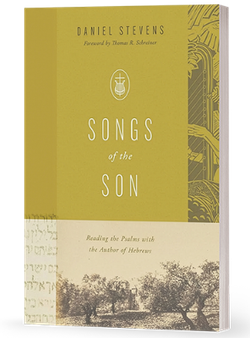
Jesus isn't just a New Testament figure. He appears prominently throughout the Old Testament...and you can see it most poignantly in the ancient song book of Israel: The Psalms. Explore and appreciate the connections in the Psalms to the Messiah in the New Testament that point to his supremacy.
If you want to gain a profound understanding of the Messiah in the Old Testament, be sure to request the book Songs of the Son by Daniel Stevens.
Past Episodes
- A Closer Relationship with God
- A Controversial Baby
- A Lesson for Losers
- A Life of Thanksgiving
- A Painful Path
- A Sharp Sword
- A Thankful Thanksgiving
- A Time for Severity
- A Unified Church
- A Unique Child
- Adding to Your Faith
- All You Need
- Almost a Christian
- Am I Really a Christian
- Amazing Conversions
- Ambassadors
- Ambitious Faith
- Ask Pastor Mike
- ATAPAT
- Call for Help
- Christ Changed Everything
- Christian Friendships
- Christian Love
- Christianity in Real Life
- Christians on Trial
- Christmas
- Christmas 2021
- Christmas 2023
- Christmas 2024
- Christmas and Worldly "Heroes"
- Christmas Clarity
- Christmas Controversy
- Christmas Courage
- Christmas Eve Service
- Christmas Generosity
- Christmas Giving
- Christmas Messages
- Christmas Presents
- Christmas With Compass
- Christ's Kingdom Forecast
- Christ's Resurrection
- Christ's School of Prayer
- Christ's Triumphal Entry
- Chronic Life Aches
- Colossians
- Complete Redemption
- Confrontation
- Connectedness
- Consumer Christianity
- Convenient Christianity
- Count Your Spiritual Blessings
- Countercultural Christians
- Courageous Endurance
- Couriers for Christ
- Dark Days
- David and Goliath
- Dear Abby
- Decisions, Decisions
- Defeat of Death
- Desert Instructions
- Designed to Grow
- Detours
- Did it Really Happen?
- Discernment
- Don't Forget
- Don't Miss It
- Don't Quit
- Drink Your Milk
- Easter
- Easter 2018
- Easter Message
- Encouraged
- Enemies of Grace and Revenge
- Enemies, Grace and Revenge
- Enlisted
- Envy
- Evangelism 101
- Evangelism and the End of the World
- Expanding Your Ministry
- Faith, Stress and Money
- Faithful to God
- FEAR & Fears
- Fear of God
- Finish Well
- First Corinthians
- First Quarter Review
- Friends? Who Needs 'Em
- From What I Believe to How I Think
- Generosity
- Get Ready
- Gifts For Jesus
- Give It Up
- God as Father
- Godly Confidence
- God's Big Plan
- God's Church
- God's Expatriates
- God's Investment in You
- God's Plan for You
- God's Work in Evangelism
- Good Friday
- Good Friday Message
- Gospel Advance
- Gospel Crazy
- Gospel Impact
- Gospel Lessons from the OT
- Grow Up
- Growing Up
- Guarding the Gospel
- Happiness & Christianity
- Head Games
- Hebrews
- Hell, Fire and Floods
- Hitting God's Target for Your Life
- Holiness
- How God Works in You
- How the Truth Sets Us Free
- How to Argue
- How to Forgive
- How to Get Eternal Life
- Hyperopic Christianity
- In Search of God's Will
- Incredible Love
- Indignation
- Infant from Bethlehem
- Instructions for Sinners
- Internal Warfare
- Israel's Greatest Hits Cont'd
- Israel's Greatest Hits- Study in Psalms
- Israel's Greatest Hits Vol II
- It's a Big Decision
- Lap #2005
- Learning to Lead
- Lessons on Grace
- Life as a Target
- Life With A Purpose
- Life's Defining Moments
- Life's Last Enemy
- Living a Lie
- Luke
- Made Right with God
- Make a Difference
- Marriage
- Money Madness
- Money Matters
- Moody Bible Institute Founder's Week
- More than a Creed
- More Than Friends
- Moving Forward
- Obstacles on the Road to Christ
- Octogenarian Wisdom
- Old School Christmas
- Old Testament School of Marriage
- One Plus God
- Our Fight with Sin
- Our Need for Representation
- Parenting
- Passing the Baton
- People Tools
- People Who Make a Difference
- Persistant Prayer
- Plugged In
- Pointing People to Christ
- Politicking
- Post Christmas Contentment
- Power Plays
- Powerful Praying
- Prayer 101
- Prayer Warrior
- Prelude to the Cross
- Preparing for the Kingdom
- Presenting Christ
- Privilege and Responsibility
- Project Reciprocity
- Prompted by Love
- Purposeful Praise
- Pursuing Holiness
- Saints Who Lie
- Salvation Is A Big Deal
- Set Free to Live Right
- Sexual Disasters
- Sexual Sins & Sanctified Bodies
- Silent Night
- Sin is REALLY Bad
- Slaying the Family Dragons
- Sold Out Servants
- Something Greater
- Soul Warfare
- Special
- Special Christmas Message
- Special Easter Message
- Spiritual Detours
- Spiritual Investments
- Spiritually Prepared
- Stay Out of Trouble
- Staying in Step
- Sticktoitiveness
- Strained Relations
- Summer Fruit
- Taking Christ to Work
- Temptation
- Thanks God
- Thanksgiving
- The Ancestry of Christ
- The Balance of Biblical Love
- The Bible and Your Salvation
- The Big Assignment
- The Big Questions
- The Black and White on Gray Areas
- The Common Good
- The Costs and Benefits of the Incarnation
- The Door
- The Entry of a King
- The Experience of Every Christian
- The First Christmas Gifts
- The Gap
- The Gospel
- The Gospel According to Abraham
- The Harsh But Good News
- The Hazards of Prosperity
- The Hazards of the Church
- The Infant from Bethlehem
- The Joy of Salvation
- The Next World Order
- The Non-Negotiables
- The Old Testament School of Marriage
- The Reliability of the Bible
- The Resurrection Response
- The Royal Task
- The Same Ol' Stuff
- The Sins Christians Tolerate
- The Supremacy of Christ
- The Torn Curtain
- The Truth About Christmas
- Those Words at the Altar
- Tips for Zealots
- Transformed
- War Zones & Peace Treaties
- Warning
- Water from the Rock
- Weirdos?!
- What's Your Problem
- When Feelings are King
- When Frogs Become Princes
- When God Makes a Promise
- When God Seems Weird
- When Life Hurts
- When Life is Tough
- When Life Takes A Left Turn
- When People are to Blame
- When the World Gets In the Way
- Where You're Planted
- Why the Son Became One of Us
- Wisdom & Maturity
- Wisdom From Proverbs
- Wisdom's Toolbox
- Wise Decisions
- Working the Plan

Video from Pastor Mike Fabarez
Featured Offer
Jesus isn't just a New Testament figure. He appears prominently throughout the Old Testament...and you can see it most poignantly in the ancient song book of Israel: The Psalms. Explore and appreciate the connections in the Psalms to the Messiah in the New Testament that point to his supremacy.
If you want to gain a profound understanding of the Messiah in the Old Testament, be sure to request the book Songs of the Son by Daniel Stevens.
About Focal Point
About Pastor Mike Fabarez
Pastor Mike is a graduate of Moody Bible Institute, Talbot School of Theology (M.A.) and Westminster Theological Seminary in California (D.Min.).
Mike is heard on hundreds of radio programs across the country on the Focal Point radio program and has authored several books, including Raising Men Not Boys, Lifelines for Tough Times, Preaching That Changes Lives, Getting It Right, Praying for Sunday, and Why the Bible?
Mike and his wife, Carlynn, reside in Laguna Hills, California and they have three children, Matthew, John and Stephanie.
Contact Focal Point with Pastor Mike Fabarez
info@fpr.info
Focal Point
P.O. Box 2850
1-888-320-5885