


Is Our Faith Focused on Christ or Us?


Sometimes, Christianity can be seen as a “sin management” program. People sign up to get better control of their own lives rather than relinquishing control altogether. Pastor Mike Fabarez asks us to take a look at our motives. Is our faith about us, or Christ?
Pastor Mike Fabarez: You and I are faced with temptations every day. The question is, is this a God-induced decision? In that God is pulling and tugging and changing my life, or is this just a decision about what if I get caught? What will it do to me? We're constantly weighing up the ramifications of what if I go down that path. Is this increasing victory over sin or just more hypocrisy?
Guest (Male): Be a better you. Drop two bad habits in two weeks. Feel spiritually fit with no effort. Sometimes Christianity can be seen as a sin management program. People sign up with Jesus in order to better control their own lives, rather than surrendering control altogether.
Today on Focal Point, Mike Fabarez asks us to take a look at our motives behind following Christ. Is our faith about us, or is it about Jesus? Pastor Mike calls the message "Examining the Difference That Really Matters."
Pastor Mike Fabarez: There is a clear calling in our lives to be vigilant about inspecting fruit, first and foremost in our own lives. Let's say that right up front for those of you that are excited about inspecting other people's fruit. The pattern of scripture is, and we've already quoted this passage twice now, 2 Corinthians chapter 13, verse 5, says examine yourself, test yourself, to see whether you're of the faith. Or as Psalm 139 says in a moment of vulnerability before God in verses 23 and 24, the Psalmist says, "Search me, O God. Try my heart, test me, see if there's any wicked way in me."
If you have your Bibles, let's continue in this quest. If we really get into chapter 6 of Hebrews, we find out that some of this fruit is selfish and some of this fruit is God-centered. It's Godward. Can I go to church with a Godward focus? Absolutely. Can I go to church with a me-ward focus? Yeah, I can do that. Can I pray a prayer with a Godward focus? Yeah, I can do that. Could you do it with a me-ward focus? Yeah, you could do that too.
Bible study, giving money in the offering, all of that. You can do it all with a me-ward focus. If you don't believe it, ask a group of people in the first century called the Pharisees. They were great at it. They did all the right things, but they didn't have the right heart. They were focused on themselves. Please recognize that the Christian life is not about doing these good things. That's the external shell and it looks good. It's about making sure that the motive underneath it all is Godward, God-centered, God-focused.
That's a radical shift because people can go to church all the time with the wrong motive. It's called hypocrisy. It's called the kind of sin which looks okay on the outside, but underneath it's not good at all. Think about that. Jesus told how many stories about people that struggled with this problem. He said, "You Pharisees are like whitewashed tombs."
Think about that. We put a dead body in here, we embalmed it the best we could, and there it is. I'm sure inside it's a mess, but it's whitewashed. We sure put a nice glossy paint coat on last week. See the tomb? Looks pretty, doesn't it? Don't open it. That's hypocrisy. As a matter of fact, hypocrisy is a transliteration of the Greek word. It's a compound word. "Hypo" is the prefix, the preposition "under," and the second half comes from the word "krino," the verb "krino," which in Greek means to judge or assess the truth.
Hypo-krino. Hypo means you've got to get under something to get to the truth. You've got to get under some kind of a veneer, some kind of facade, some kind of external to see the real deal, to judge accurately what it is. It is the outside of the coffin and the inside, which, as Jesus put it, is full of dead men's bones. That is hypocrisy. It looks good on the outside, but it's not real good on the inside.
Classic hypocrisy is what he's addressing in this text because there they sit every Sunday drinking in the rain and all the benefits of church. But there's sin in their life. What kind of sin could that be? Flagrant? Probably not flagrant. It's probably the kind that's secret. It's the kind that people can't see. It's the kinds of things that are going on inside that cannot be seen by the person sitting next to you, but you know they're happening. That's what we're talking about here. It's called hypocrisy.
As a matter of fact, let me show you an extreme example in 2 Peter chapter 2. This is an extreme example because it has to do with people that were teaching in the church. If you're a flagrant, carousing sinner who's out bar hopping and womanizing, you're probably not going to get a post teaching Sunday school in most churches, at least. We're going to say you're not qualified. Whatever we're talking about in 2 Peter 2, all you've got to do is look up to the top of the paragraph. This is about people teaching in the church. They have teaching posts in Sunday school.
In verse number 19, Peter pops in and makes this assessment about them. They promise them freedom while they themselves are slaves to depravity. They're stumbling, they're falling, they're in sin, they're entrapped in it, but they're up there talking about how you guys can be freed from sin. That's hypocrisy, obviously.
For a man is a slave to whatever has mastered him. There are a lot of churchgoers that put on the right facade and even do the right things and even, according to this passage, can be teaching Sunday school in church. But underneath, if you could really see what's going on, they're slaves to sin. God is not breaking those chains in their lives. Tell me if this isn't the message of Hebrews 6.
Look at verse 20. If they've escaped the corruption in the world by knowing our Lord and Savior Jesus Christ. Get that. That's classic Hebrews 6:4 and 5. Their life is benefited. They're in church. They're protected in the cocoon of church. They're getting the benefits of church. They've escaped the corruption in the world by knowing our Lord and Savior Jesus Christ and again are entangled in it, which is where that enslavement leads, back to that, and overcome by it, then they're worse off at the end than they were at the beginning.
Picture that. It's exactly what chapter 6, verse 6 of Hebrews says. It's worse for them. The consequences are huge. You had all of this advantage, all this rain poured on you, and still you're enslaved to sin? That's not good. For it to be better for them to not known the way of righteousness than to have known it and turned their backs on the sacred command that was passed on to them.
Of them the proverbs are true: a dog returns to its vomit and a sow that is washed goes back to wallowing in the mud. That's the sad picture. It's a picture that Hebrews chapter 6 is trying to warn us of and encourage us to avoid. Make sure that your fruit is of a different kind, a fruit that under the surface is continuing to master sin in your life.
I don't have time for this, but that's never stopped me before. Jude, can we turn there real quick? If you think Sunday school teacher hypocrisy is bad, how about pastoral hypocrisy? Look at this. Jude verse 12. These are now called in scripture shepherds. I don't know if they're on the payroll, but these guys are leaders, big-time leaders in the church.
In verse number 12, Jude warns them that they're blemishes at your love feasts. The love feast was their first-century word for their communion service. They're having their potluck and their KFC and they're having communion. He says, "These men are blemishes." Now, I know you don't know that because these people are leaders, they're shepherds in their church. These men are blemishes at your love feast, eating with you without the slightest qualm, no conviction of the spirit in their life.
Ultimately, they're doing what they want to do. As a matter of fact, look at this phrase: shepherds who only feed themselves. Look at that. You talk about motive. You can even be a pastor in a church and your motive's all about you. It's for me. It was about my benefit here. They are shepherds who only feed themselves. They're clouds without rain. They're blown along by the wind. That means they look like they might give us something, but really there's no substance here.
They're autumn trees without fruit, uprooted, twice dead. They're wild waves of the sea foaming up their shame, wandering stars for whom the blackest darkness has been reserved forever. Does that send a chill down your spine? We're talking about pastors in Bible-teaching churches. The Bible says watch out for hypocrisy because it could be a kind of hypocrisy that's not easy for your congregation to see.
Man, be careful. Look for more victory over sin, a kind of victory over sin that really only you would know about. A kind of victory over sin that's taken place behind the facade in front of your Christian activities and deeds and words and songs. That was heavy. Let's move on to verse 9. Hebrews chapter 6.
Even though we speak like this, dear friends, we're confident of better things in your case. We don't think this is true of you. We hope it's not true of you. We expect better things concerning you in your case, things, he says, that accompany salvation. That is the key phrase. We are expecting and confident of better things concerning you, things that accompany salvation.
Look carefully in verse number 9. Here's the phrase that's so important. Question: things, is that defined in this verse? No. Even though we speak like this, dear friends, we're confident of better things in your case, things that accompany salvation. You've got to go back up to verse 7 to find the things. What things accompany salvation? The good crop, the good fruit. That's what accompanies salvation.
As a matter of fact, this is an interesting phrase. It's very interesting in Greek and in English it's translated a variety of ways. It's really the Greek verb to have. This thing has that thing and they're connected. I looked up several translations. Sometimes it's translated things connected to salvation. Sometimes it's translated things that go with salvation. Inversely, things that come with salvation or things that belong to salvation.
As the NIV puts it, things that accompany salvation. These two things go together. What are we talking about? We're talking about the things of the good crop, the Godward life and the increasing victory over sin, which basically leads us to this conclusion: salvation, this work of God. If God works salvation for you, you're genuinely converted.
Then God works these changes in you. Why? Because they're connected to each other. God does not do this work for you and put your name in the Lamb's Book of Life without putting His Spirit in you and changing who you are. He does not give you a place in the kingdom of heaven and then not get to work at making sure your thorns and thistles are less and your good fruit and good crop is more.
They go together. They are connected. They are the things that accompany salvation. You can't have one without the other. God is going to get to work on you the minute you are justified. He starts the sanctification process. That's so clear. These are the things that the writer of Hebrews says we expect these of you. We're confident of better things in your case, things that accompany salvation.
This is a God-induced change. A God-induced change. Because here's my fear. Preach a message like this and people say, "Man, I've got to work harder then at producing better fruit." Yeah, you do. Philippians 2 says that. Work out your salvation with fear and trembling. But the next verse in Philippians 2 says, "For it is God who is at work in you, both to will and to work for His good pleasure."
There is this synergy that we feel and sense. Ultimately, God says it's a monergism, it's not a synergy. A monergism. It's God working it in you and God guaranteeing it, but it feels a lot like a synergy. It certainly doesn't feel like a solo act because I have to recognize that when God is at work in producing a crop in my life, sometimes I feel like I'm along for the ride. It's a lot of work, but I realize I'm compelled to bear fruit because God is in me.
That's different and that feels different. Therefore, I'm not saying just come on and muscle up to the table and produce better fruit, man. I'm saying this: if God has done this work for you and in reality you are saved from the coming wrath, then He's going to work these things in you. Guaranteed. That's the way the scripture puts it. They go part and parcel hand-in-hand with one another. They're both a work of God.
Let me show it to you in Hebrews chapter 13. I just want to stay in Hebrews here to have you look at two verses real quick. Both of them make this very clear. The first one based on the covenant, the covenant promise of God. Again, the covenant that's been on display in the book of Hebrews is the new covenant. The new covenant as spelled out in the book of Ezekiel and Jeremiah, but Ezekiel 26 we looked at, is when God replaces your stony heart, puts a heart of flesh in you and moves you to follow His decrees.
That's the great new covenant and the practical implications of the new covenant. Look at verse 20. He's wrapping up the book. Verse 20: May the God of peace who through the blood of the eternal covenant promise, He brought back from the dead our Lord Jesus, the great shepherd of the sheep. May He what?
Verse 21: equip you with everything good for doing His will and may He work in us what is pleasing to Him. Is that clear? Through Jesus Christ, to whom be glory forever and ever, right on, amen. What's He want to do? May He, verse 21, based on the covenant, that's His promise and if He promised it, He's going to do it. Equip you with everything good for doing His will. Who does the equipping? Do you muscle it up? No, God does it.
And this: may He work in us what's pleasing to Him. Is it always easy to do the right thing as a Christian? No, but He's in us working to do that thing. May He work in us what is pleasing to Him through Jesus Christ to whom be glory forever and ever. Back three chapters real quick. Chapter 10. I want to put this down as an exclamation point on this truth. We need to be perfect if we're ever going to have fellowship with God.
How does He do it? It's called justification. He makes us right in the file cabinets of heaven. But then there's this other side. Look at the neat connection between these two in this text. Just for context's sake, let's start in verse 11. Hebrews 10:11. Day after day every priest stands and performs his religious duties. Again and again he offers the same sacrifices which can never take away sins. They're just symbolic.
But when this priest, talking about Christ now, had offered for all time one sacrifice for sins, that's His own body, He sat down at the right hand of God. That's how the book of Hebrews starts. He'd finished His work. Verse 13: Since that time he waits for his enemies to be made his footstool, including death, 1 Corinthians 15 says.
Because by one sacrifice, now here's our key verse, underscore this, He has made perfect forever. Does that sound like a done and completed deal? That's my salvation. He's made perfect forever. My file is clean now. He's worked salvation for me. He has made perfect forever those, now this is interesting, who are being made holy.
What are you talking about? If I'm perfect, why do I need to be made holy? Because we're talking about justification on the one hand and sanctification on the other. He has made me perfect and He is working in me to be a more holy person. Look for God-induced change. Look for a God-induced change. Versus what? Well, ask Judas.
Judas wasn't new in his heart. Judas wasn't a participant of Jeremiah 31 and the promise of the new covenant. What are we talking about? Well, I imagine in Judas's case it was a lot of external pressure. I imagine for a lot of churchgoers in the first century, it was the external pressures. I imagine for us in the 21st century, it's sometimes the external pressures and not a redeemed heart.
Example. Why haven't you divorced your spouse? Why haven't you laid into your coworkers with a string of profanity? Why haven't you indulge in that secret sin that no one would find out about? Why haven't you done that? Well, you've got two answers. Either God's Spirit is in me driving me away from that, or I'm looking around going, "Well, I don't want to get caught. I don't want what it'll do to my testimony or my life." It's external pressure.
Think about it. Why didn't Judas tell everybody when they sat around talking about being generous and giving to people and being generous and traveling across... why didn't he say, "I don't want to do that because I'm in it for myself"? He would never say that. But he was. He proved it by his life, selling Christ out for 40 pieces of silver.
Now, Peter sitting there in the prayer meeting with Christ talking about traveling long distance to serve people. And what's Peter's heart doing? Oh, I'm sure that his flesh was fighting some of this, but his heart was new. And when Christ sat around and said, "Let's travel all these miles and serve these people," Peter's heart, who used to as he was fishing on the Sea of Galilee think of no one but himself, was now thinking about other people and God was inducing some real change in his life.
Judas on the other hand, he wasn't going to stand up and oppose Christ's plan to minister to people in the Decapolis or to travel down to Jerusalem again. Why? Well, he had the pressures of the external conformity and the expectation. He wasn't going to do it. He was going to stick with the thing and work the plan because of the pressure of expectation. And church will do that to you.
As opposed to Peter, who I'm sure wanted to please Christ. He didn't want to be a non-conformist either, but something was going on in his heart. Why? Because God had made him a new person. Do you see the difference there? You and I are faced with temptations every day. The question is, is this a God-induced decision in that God is pulling and tugging and changing my life, or is this just a decision about what if I get caught? What will it do to me?
And we're constantly weighing up the ramifications of what if I go down that path. Is it external pressure? Is it internal? God-induced change. He says we're confident of better things in your case, things that go with, accompany, are connected to salvation. And that's a changed life that God is involved in.
Next time you're in the produce department of your grocery store and you're watching people thump on things and you're seeing them with all their diagnostic tests trying to pick out the best piece of fruit because they don't want to waste their money on picking bad fruit. Make sure you remember this sermon and say to yourself, "God, if it's important for a bag of fruit, it's important for me to look at my life and every now and then thump on the fruit and say, is this really what it looks like? What are my motives here? Is this a Godward thing or a me-ward thing? Is this increasing victory over sin or just more hypocrisy? Is it a God-induced change or is it just external pressure?"
As we decide those things, as God gives us the grace to see the distinction, to fix it. It's profoundly difficult, but it's profoundly simple. It's to get back to where we've been and we've said this every week at the close of every message in this series: it's about repenting of our sins with a genuine broken heart. It's about putting our faith completely and solely in Christ to save us.
And God says if you cry out to me, I'm going to save you. I'm going to change you. And if I work this salvation for you, I'm going to work that one for you too. The power of God to save us from the penalty of sin will be evident as he begins to save us from the pattern of sin. And God says, "I want to do that for you." I'm willing to do it. You've just got to make Him your king. You've got to put Him in the center and you've got to say this is what it's about. It's about you, God.
Let's pray. God, as the great Old Testament songwriter put it, we want you to help us in this quest. And we want to say to you in our heart, our heart wants to cry to you, it needs to: Search me, O God, try me. Examine my heart. See if there's anything in us that is contrary to what our profession is and what our commitment is. Are we genuine people here?
God, I know that real Christianity, and I trust we all know this here, it's certainly not a life of perfection, but it's a life of growing sanctification. And God, if we find out that under the facade of the good-looking works and deeds and actions and songs there's a selfish heart, I pray God that today we might recognize and be willing to say that this is not authentic and to trade it in for the real thing.
And we can do that right now, God. We can reach out to you and say, "God, we don't want a self-serving, self-tailored Christianity. We've got to have the only real one that there is." A crying out to you with a real brokenness and helplessness and saying, "God, you're our king. You're our God. Apply to us the benefit of Christ as we seek to make you God in our lives, in our world, in our homes, in our workplaces."
God, we repent of our sin. We trust you, not ourselves, to fix the problem that we have and ultimately to reconnect us with our maker so that we can be the kind of people that you created us to be, people that bring glory to you. Make that a reality for us, I pray in Jesus' name. Amen.
Guest (Male): You can tell a true follower of Jesus by how they grow to resemble Christ more and more each day. You're listening to Focal Point with pastor and Bible teacher Mike Fabarez. Today's message is titled "Examining the Difference That Really Matters." Find additional materials tied to this teaching by heading on over to focalpointradio.org. You can also grab the Focal Point app to carry these lessons with you, ready to fit into any part of your day.
This program exists because of supporters like you who recognize the value of solid biblical exposition and want others to benefit from it too. Your financial partnership with Focal Point joins you with fellow believers committed to spreading God's word through grounded and accessible teaching. Now, perhaps you've thought about supporting this ministry but haven't taken that step yet. Now is the ideal moment to join us. Every gift, regardless of amount, makes a real difference.
To show our appreciation when you give today, we'll send you a book titled *All the Promises of the Bible* by Herbert Lockyer. This comprehensive resource catalogs every promise found in scripture, organizing them by theme and providing insight into their meaning and application for your life. It's an invaluable reference that will deepen your understanding of God's faithfulness and strengthen your confidence in His word. Simply request the book *All the Promises of the Bible* when you stand with Focal Point with a generous gift today. Simply call us at 888-320-5885 or make your donation online at focalpointradio.org.
Looking ahead, there's still time to join Pastor Mike's teaching cruise to New England and Canada this September. Embark with us from September 19th through the 26th for concentrated Bible instruction, inspired worship led by Grammy winners Keith and Kristyn Getty, all against the backdrop of stunning autumn colors as we visit historic locations like Boston, Halifax, and Quebec City. Staterooms are being reserved quickly, so book yours now online at focalpointradio.org. Well, I'm Dave Drewy. When we return, we'll hear more from the study in Hebrews 6 with a message called "Making Absolutely Sure We Don't Miss It." Don't miss out Tuesday on Focal Point.
Pastor Mike Fabarez: Pastor Mike here. I pray today's message will help you live out your faith with truth and love. After all, that's the kind of biblical faith that changes lives and transforms a crooked culture. But if you haven't truly surrendered your life to Christ, then I'd like to invite you to get in touch. We'd love to pray with you and help you discover God's plan of salvation. Visit focalpointradio.org. Today's program was produced and sponsored by Focal Point Ministries.
Featured Offer
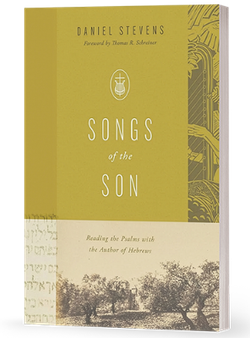
Jesus isn't just a New Testament figure. He appears prominently throughout the Old Testament...and you can see it most poignantly in the ancient song book of Israel: The Psalms. Explore and appreciate the connections in the Psalms to the Messiah in the New Testament that point to his supremacy.
If you want to gain a profound understanding of the Messiah in the Old Testament, be sure to request the book Songs of the Son by Daniel Stevens.
Past Episodes
- A Closer Relationship with God
- A Controversial Baby
- A Lesson for Losers
- A Life of Thanksgiving
- A Painful Path
- A Sharp Sword
- A Thankful Thanksgiving
- A Time for Severity
- A Unified Church
- A Unique Child
- Adding to Your Faith
- All You Need
- Almost a Christian
- Am I Really a Christian
- Amazing Conversions
- Ambassadors
- Ambitious Faith
- Ask Pastor Mike
- ATAPAT
- Call for Help
- Christ Changed Everything
- Christian Friendships
- Christian Love
- Christianity in Real Life
- Christians on Trial
- Christmas
- Christmas 2021
- Christmas 2023
- Christmas 2024
- Christmas and Worldly "Heroes"
- Christmas Clarity
- Christmas Controversy
- Christmas Courage
- Christmas Eve Service
- Christmas Generosity
- Christmas Giving
- Christmas Messages
- Christmas Presents
- Christmas With Compass
- Christ's Kingdom Forecast
- Christ's Resurrection
- Christ's School of Prayer
- Christ's Triumphal Entry
- Chronic Life Aches
- Colossians
- Complete Redemption
- Confrontation
- Connectedness
- Consumer Christianity
- Convenient Christianity
- Count Your Spiritual Blessings
- Countercultural Christians
- Courageous Endurance
- Couriers for Christ
- Dark Days
- David and Goliath
- Dear Abby
- Decisions, Decisions
- Defeat of Death
- Desert Instructions
- Designed to Grow
- Detours
- Did it Really Happen?
- Discernment
- Don't Forget
- Don't Miss It
- Don't Quit
- Drink Your Milk
- Easter
- Easter 2018
- Easter Message
- Encouraged
- Enemies of Grace and Revenge
- Enemies, Grace and Revenge
- Enlisted
- Envy
- Evangelism 101
- Evangelism and the End of the World
- Expanding Your Ministry
- Faith, Stress and Money
- Faithful to God
- FEAR & Fears
- Fear of God
- Finish Well
- First Corinthians
- First Quarter Review
- Friends? Who Needs 'Em
- From What I Believe to How I Think
- Generosity
- Get Ready
- Gifts For Jesus
- Give It Up
- God as Father
- Godly Confidence
- God's Big Plan
- God's Church
- God's Expatriates
- God's Investment in You
- God's Plan for You
- God's Work in Evangelism
- Good Friday
- Good Friday Message
- Gospel Advance
- Gospel Crazy
- Gospel Impact
- Gospel Lessons from the OT
- Grow Up
- Growing Up
- Guarding the Gospel
- Happiness & Christianity
- Head Games
- Hebrews
- Hell, Fire and Floods
- Hitting God's Target for Your Life
- Holiness
- How God Works in You
- How the Truth Sets Us Free
- How to Argue
- How to Forgive
- How to Get Eternal Life
- Hyperopic Christianity
- In Search of God's Will
- Incredible Love
- Indignation
- Infant from Bethlehem
- Instructions for Sinners
- Internal Warfare
- Israel's Greatest Hits Cont'd
- Israel's Greatest Hits- Study in Psalms
- Israel's Greatest Hits Vol II
- It's a Big Decision
- Lap #2005
- Learning to Lead
- Lessons on Grace
- Life as a Target
- Life With A Purpose
- Life's Defining Moments
- Life's Last Enemy
- Living a Lie
- Luke
- Made Right with God
- Make a Difference
- Marriage
- Money Madness
- Money Matters
- Moody Bible Institute Founder's Week
- More than a Creed
- More Than Friends
- Moving Forward
- Obstacles on the Road to Christ
- Octogenarian Wisdom
- Old School Christmas
- Old Testament School of Marriage
- One Plus God
- Our Fight with Sin
- Our Need for Representation
- Parenting
- Passing the Baton
- People Tools
- People Who Make a Difference
- Persistant Prayer
- Plugged In
- Pointing People to Christ
- Politicking
- Post Christmas Contentment
- Power Plays
- Powerful Praying
- Prayer 101
- Prayer Warrior
- Prelude to the Cross
- Preparing for the Kingdom
- Presenting Christ
- Privilege and Responsibility
- Project Reciprocity
- Prompted by Love
- Purposeful Praise
- Pursuing Holiness
- Saints Who Lie
- Salvation Is A Big Deal
- Set Free to Live Right
- Sexual Disasters
- Sexual Sins & Sanctified Bodies
- Silent Night
- Sin is REALLY Bad
- Slaying the Family Dragons
- Sold Out Servants
- Something Greater
- Soul Warfare
- Special
- Special Christmas Message
- Special Easter Message
- Spiritual Detours
- Spiritual Investments
- Spiritually Prepared
- Stay Out of Trouble
- Staying in Step
- Sticktoitiveness
- Strained Relations
- Summer Fruit
- Taking Christ to Work
- Temptation
- Thanks God
- Thanksgiving
- The Ancestry of Christ
- The Balance of Biblical Love
- The Bible and Your Salvation
- The Big Assignment
- The Big Questions
- The Black and White on Gray Areas
- The Common Good
- The Costs and Benefits of the Incarnation
- The Door
- The Entry of a King
- The Experience of Every Christian
- The First Christmas Gifts
- The Gap
- The Gospel
- The Gospel According to Abraham
- The Harsh But Good News
- The Hazards of Prosperity
- The Hazards of the Church
- The Infant from Bethlehem
- The Joy of Salvation
- The Next World Order
- The Non-Negotiables
- The Old Testament School of Marriage
- The Reliability of the Bible
- The Resurrection Response
- The Royal Task
- The Same Ol' Stuff
- The Sins Christians Tolerate
- The Supremacy of Christ
- The Torn Curtain
- The Truth About Christmas
- Those Words at the Altar
- Tips for Zealots
- Transformed
- War Zones & Peace Treaties
- Warning
- Water from the Rock
- Weirdos?!
- What's Your Problem
- When Feelings are King
- When Frogs Become Princes
- When God Makes a Promise
- When God Seems Weird
- When Life Hurts
- When Life is Tough
- When Life Takes A Left Turn
- When People are to Blame
- When the World Gets In the Way
- Where You're Planted
- Why the Son Became One of Us
- Wisdom & Maturity
- Wisdom From Proverbs
- Wisdom's Toolbox
- Wise Decisions
- Working the Plan

Video from Pastor Mike Fabarez
Featured Offer
Jesus isn't just a New Testament figure. He appears prominently throughout the Old Testament...and you can see it most poignantly in the ancient song book of Israel: The Psalms. Explore and appreciate the connections in the Psalms to the Messiah in the New Testament that point to his supremacy.
If you want to gain a profound understanding of the Messiah in the Old Testament, be sure to request the book Songs of the Son by Daniel Stevens.
About Focal Point
About Pastor Mike Fabarez
Pastor Mike is a graduate of Moody Bible Institute, Talbot School of Theology (M.A.) and Westminster Theological Seminary in California (D.Min.).
Mike is heard on hundreds of radio programs across the country on the Focal Point radio program and has authored several books, including Raising Men Not Boys, Lifelines for Tough Times, Preaching That Changes Lives, Getting It Right, Praying for Sunday, and Why the Bible?
Mike and his wife, Carlynn, reside in Laguna Hills, California and they have three children, Matthew, John and Stephanie.
Contact Focal Point with Pastor Mike Fabarez
info@fpr.info
Focal Point
P.O. Box 2850
1-888-320-5885