


Church Hopping


We’re a transient society. People are constantly changing jobs, changing homes, and even changing names and identities. But is there any benefit to keeping things the same? Join Pastor Mike Fabarez for a one-on-one discussion about the perks and pitfalls of church hopping, and how to combat Christian consumerism.
Dave Drewry: Is it okay to leave a church or are we supposed to stay put no matter what? Get the answers as we talk about the perks and pitfalls of church hopping today on Ask Pastor Mike.
Well, it’s time to cap off another week of Focal Point with a Q and A session with Pastor Mike Fabarez. I’m Dave Drewry and today we’re diving into another listener question. Maybe you’ve been feeling bored, tense, or simply disconnected at your local church and you’re wondering whether it’s time to make a change.
Well, not so fast. While a church commitment isn’t binding for life, it is a serious change and one that shouldn’t be made lightly. Well, here’s Executive Director Jay Wharton sitting down with Pastor Mike for this important discussion. Jay?
Jay Wharton: Thank you Dave. Pastor Mike, we have a question about churches today and a listener asks, is it okay to change churches?
Pastor Mike Fabarez: Yeah, well, sometimes you have to. Of course I’m concerned about the church hopper, the one who’s chronically moving from church to church for the slightest of reasons. But yeah, to answer the question forthrightly, and I have no idea where this listener is coming from, but there are a lot of times you might find that there’s a real problem in terms of the doctrinal stand of the church.
Maybe you didn’t realize that when you came. Maybe your knowledge of scripture has advanced while you’ve been there and you recognize that maybe they don’t stand on the historic view of a high view of God and a high view of scripture. And yeah, there’s definitely times to change churches, but it better be not on slight provocation, but it better be a big deal.
Jay Wharton: So you talked about some legitimate reasons why somebody might change churches. What are some reasons that the church hopper changes churches and how should we counsel them?
Pastor Mike Fabarez: I’ve seen a lot of people change churches because they have an idea of what they think they should be doing in the church that, frankly, they’re not very good at or they’re not gifted to do and they are told no at a church and they keep going to church after church to start this particular kind of ministry or to engage in the worship team or to work in some area with the kids.
But they keep moving on because they hit roadblocks in serving when in reality sometimes you’ve got to look at the reaction you’re getting from leaders and from people you’re trying to lead to recognize maybe this is not what God has called me to. We need to really find what God wants us to do in the local church and not just take our own dreams and aspirations into the church and try and think, well, they’re going to have to find a place for me to do this thing I want to do, my little pet ministry, or I want to be in some particular role that it’s been determined in church after church maybe you’re not gifted to engage in.
That’s one reason. Some people, unfortunately, I see people that move into the church just for the wrong reasons. It’s about social circles, and I hate to say this, but sometimes it’s about advancing their own business, insurance or real estate or whatever, and they kind of tap out their group in the church and they move on to another church. There are some really heinous reasons I find people are moving from church to church.
And sometimes people just get bored. They see church as a consumer product for them and after they get kind of used to the pastor’s style and they’ve heard a couple of his jokes or whatever and they think, ah, you know, I’m going to move on, I’m going to find another place that kind of does it for me and grabs my attention now that this church is getting old. So those are dumb reasons to leave a church. For that person, certainly they need to be involved in serving and then they’ll find that it’s not just about them being served and when the newness wears off they’re going to head on down the street to another church.
Jay Wharton: Sometimes people will have issues or troubles or problems in that particular church and then to get away from those problems they’ll find a new church. Is that legitimate? How should we approach that as Christians?
Pastor Mike Fabarez: Well, it depends on the problem. I find that, and we try as best we can here to ask people who are not new converts but people that have come from other churches, we want to know why you left the last church. And many, many times we will send them back to their old church because they’re running away from a relational problem or there was a conflict that didn’t get resolved.
So we want to send them to the place to resolve issues that can be resolved and should be resolved but haven’t been resolved and usually those are issues of hurt feelings and relationships that just need to be patched up. And we’ve done that many, many times here as a pastoral team when we run into people that came from a church and we know it’s a good church, we know it’s a doctrinally sound church and we say, "Well, why did you leave?" and it ends up being something slight and we want to send them back to fix that. So yeah, there can be issues like that that need to be wrapped up.
I think of one situation, I’m thinking of a particular family that moved to our church and they literally tried all they could do to solve that. I even had one on our team discuss their situation with the pastoral team at that other church and I really think that this family had done all they could to resolve their issues there, even though it’s a good solid church, they just couldn’t get the issues resolved that led them to our church and I thought, okay, they’ve done what they can do and they’ve tried to solve the problem. In this case, a situation where there needed to be some ownership on both sides of the conflict and there wasn’t and so yeah, it was time to move on. I understand that and that family has blossomed and done great serving in ministry in our church and it was time to leave when we couldn’t resolve the conflict there.
Jay Wharton: Some people leave because they’re unable to maybe form relationships or feel like they’re connected. What are some ways as a pastor of a larger church that you would counsel people to get connected?
Pastor Mike Fabarez: And this is hard because it does really take some effort to get relationally connected in a church. Sometimes people just waiting for folks to come to them and connect with them and invite them over to their house or out to lunch or what have you and I just think there has to be a legitimate effort made on the new person in the church because sometimes they’re looking across the aisle at someone they’re expecting to make some of those moves toward relationship and connection and invitation to ministry that frankly that person may be just as new as the person seeking that from the one who is wanting it. In other words, you’ve got to take the effort to build relationship. And I know for the introvert or the person that likes to be quiet and come late and sit in the back, I mean, it’s going to be hard for them to rearrange what they’re comfortable doing with stepping out and connecting.
And I think in the Bible so much happened around meals, that’s a great way to connect. I think if you’re new to a church, you ought to be inviting people in the church to connect for lunch after church to get together and open up your home and say, "Love to hear more about the church, love to get to know you guys better. Come on over," and it can be simple. It's just grab a pizza and just get to know you guys. I think people would be very surprised at how receptive folks would be to responding relationally to a new couple, new family, new person at a church if they just took the effort to reach their hand out and say, "Hey, I’d like to get to know you."
Jay Wharton: Pastor Mike, maybe you can also talk about how we can get involved by serving in ministry and getting involved in those kinds of things?
Pastor Mike Fabarez: Right. And once you get connected socially, that’s not the end. You have to get involved in ministry. We were just talking about this a little while ago, Jay, about the issue of being involved in ministry. Every part of the body has to be involved in doing its part. So you have to have a ministry post. We like to say it here at our church, you need to be a highly committed participant and you need to have a ministry post of some kind. And I think everyone needs to find that.
At our church we do what we can to try and put a what we call a ministry fair out where we have tables and people in every ministry in our church kind of explain what they do and show opportunities as to how you can get involved in those ministries. Whether it’s the hospitality ministry or the youth ministry or the evangelism ministry, whatever it is, we want people to know there are ways to get involved. Now, if your church doesn’t do that or hasn’t done it in a long time and you’re there, look through the bulletin, look on the website, check out what the church is doing and the things that you gravitate toward, just call the church up, call the leader of that ministry up and say, "Can I help? Is there something I can do to help?"
Pick things that you have a passion for in the church. And often I find it’s the things that people can even feel a little critical about. They think it could be done better. I think of a family that came to our church and thought, "I think your hospitality and how you deal with visitors could be better," and I think, "Okay." Well, we had a fully developed ministry for that, but this person had kind of a critical eye toward that in a constructive way and brought some great ideas to enhance the way we do kind of that first connection with visitors at our church. So it may be something you think, "Ah, I wish the church did this a little better than it does," that might be the ministry for you if you come with the right attitude, with a constructive, enthusiastic willingness to help that ministry be better.
Or maybe it’s just an area of the church you’ve always tended to gravitate toward and find that leader and seek to get involved. Call the pastor and see what you can do to plug in and be open because God may direct you to a part of that ministry that you haven’t been involved in in the past. I just love the guys that come forward and say, "I’ll just be helpful wherever you need me." A guy just about a month ago talked to me in our church. He didn’t know where to get involved. He’s coming, he’s there, he’s excited about the church and he said, "Well, I’ll just serve anywhere." And the first thing he got confronted with in terms of a need in our church is our prayer ministry.
I was just talking with him recently how fulfilling it’s been for him to be a part of our caring ministry focusing on intercessory prayer for people in our church that need it. Never done that before and loves it. Those are the kinds of things where if you’re just willing to be used and you look for opportunities in the church, sometimes you’ll find a great new area to serve the Lord in your church that you’ve never even thought of before and you’ll find it’s tremendously gratifying and you’ll find that you’ll be very useful and God will use you to do great things in your church through that ministry.
Jay Wharton: Well, thank you Pastor Mike. I trust this has been a very practical discussion and helpful discussion for our listeners and we’re going to complete our time today with a message you gave called, What You Can Do For the Church.
Pastor Mike Fabarez: Well, I encountered a story this week that made me laugh out loud. It was about a young lady that was writing out her expectations for her future husband. She said, "I want a man to provide me with a sense of belonging, with an identity, with a continuity, with mystery, with transcendence, with comfort, with security, with novelty, with familiarity, with predictability, with surprise."
When asked what she planned to provide for her future husband, she said, "I don’t know, I really haven’t given it much thought." Well, preparing for a marriage like that in that way will certainly lead I suppose to a very lopsided relationship, very self-centered to think about what I expect from my future husband but I haven't given much thought what I provide in this relationship.
Well, it is the way though I find that a lot of Christians go about looking for a church. I mean, and to have expectations for your church that’s a reasonable thing of course, much like your daughter, I mean you just don’t just take any man as your husband, you don't go to any church, you’ve got to have some criteria, I understand that. But I find that most Christians don’t give much thought to how they’re planning to provide for their church. They just haven't thought about it.
And because of that arrangement, that lopsided sense of expectation and preparation, you find that a lot of people aren't very happy in their church experience. And when those expectations aren't met, they’re really not thinking about what they’re bringing to this relationship and they become chronic church hoppers. And so it is important when you think about your church, what are they planning and committed to providing for you in your life?
Well, this week I want to turn the tables. Three things that I think that every Christian should biblically plan to reasonably bring as a commitment to say, "Here’s what I’m providing for my church and here’s what I’m committed to doing." Basic things, and I suppose we could find 30, but let's just start with three. What is a reasonable expectation of an individual Christian committed to giving to their church?
Acts chapter 14, Paul is missionary journeys here, he’s doing a lot to establish churches, he’s preaching verse 21 the gospel in a city here, made disciples. He goes back to visit other churches that he’s established in Lystra, Iconium, Antioch. Verse 22 he’s strengthening the souls of the disciples, he’s encouraging them to continue in the faith, he’s even warning them about the struggles of the Christian life, through many tribulations we must enter the kingdom of God.
Now here’s the verse I want us to focus on, verse 23: "And when they had appointed elders for them"—that’s a synonymous in the New Testament with the pastors—"with prayer and fasting, they," this church planting team, "committed them to the Lord in whom they had believed." So we've got a church committed to the Lord, trusting in him for salvation, and now he says, "Now what I gotta do, I just gotta pray for them. I’m going to pray with fasting."
We gotta have the Lord be actively involved as it says in John 15, you cannot bear fruit as a branch unless you’re abiding in the vine. We need the connection with God. We need God to be involved in this. So let's just put it that way, if we’re going to ask the question, what can you do, and we should put this, what should you do for your church? Put this down number one: we need to persistently pray for your church. I mean, we gotta do that. That’s just fundamental to pray.
I didn't even add the word fasting. But we ought to pray so ardently that we’re even willing to miss a few meals to say, "God, I need to intercede for my church that I go to, I am committed to praying for it. Pray for it every single day." First Peter chapter one, verses 14 through 16. When it comes to the church, the ekklesia, translates church. Ekklesia is a compound word, ek means out of, klesia comes from the verb kaleo, kaleo means to call, to call out of.
That’s the idea, it’s a group of people called out from the rest. We’re not like the others. God has changed us, he’s changed our status, and he expects us to change our behavior. Now look at verse 14. First Peter chapter one, verse 14. Peter exhorts the church, "You’re children of God now, do not be conformed to the passions of your former ignorance." I had certain desires in my life and I went about whatever I wanted to do, at least within reason, whatever I could get away with. I just went about doing what I wanted. Well, don’t act like that anymore.
Verse 15: "But instead, as he who called you is holy"—now that word means set apart, different—"as he’s holy, you also be holy in all of your conduct," the way you behave yourself. First thing you need to be praying for, for our church, I would ask every single day, pray that we would be, two words, more pure. Our behavior should look more godly, more Christlike.
Because you know what, really can we do as a church what God has called us to do if we’re a bunch of just an obvious rank hypocrites? No, of course not. We can’t uphold a message about a holy God if we ourselves are completely unholy. We should be reflecting as Paul said in increasing righteousness and reflecting the holiness and glory of Christ becoming more like Christ. Pray for that, pray for more purity.
So much we could learn about how Jesus prays for the church in John 17, but here’s something very, very important. John 17, verse 14. His earthly ministry is almost completed. He says in verse 14 as he prays to the Father, "I have given them your word." I've been the source of revelation, I've reiterated written revelation, and "the world has hated them because they are not of the world." That kind of echoes the first point. All right, we’re not like the rest of the world. And so they don’t like us.
"Just as I’m not of the world." They’re about to crucify me, they don’t like me, they’re not going to like them. Their life is a rebuke to an unbelieving unrighteous world. So I know the world’s going to hate them. "And I don’t ask that you take them out of the world" because I want you to be my witnesses in Jerusalem, Judea, Samaria, and the ends of the earth. So we gotta job to do, I gotta leave them there. I’m not saying that you take them out of the world because they gotta job to do, that’s the implication certainly going to be spelled out in the book of Acts, "but that you keep them from the evil one."
That’s something Jesus prayed for us. That’s something we should be praying for our church. I put it this way, two words, more protection. Protect us from the schemes of the enemy in this church. This is a spiritual battle that we’re fighting. We don’t struggle against flesh and blood. Sometimes it erupts on the surface of the temporal and human relationship but a real battle is a roaring lion seeking someone devour. He wants to take us out. I need to be praying for spiritual protection for this church, and so do you.
That’s a great place to start if you would persistently—there’s another P, see what I did there?—persistently pray. And this, let's just say it unabashedly: more people. What do we need to pray for? More people. Ah, there you go, you’re about numbers there. You’re about numbers. I hate church about numbers. It’s very unspiritual to pray for numbers. Most spiritual thing you can pray about.
Why? The reason I’m interested in more people and you call that numbers, well, it says it right there, added to their numbers. God’s into adding numbers. Why? Well, because every number represents a person and every person has a spirit or a soul and God is interested in saving people’s souls so I think it’s a good thing for us to care about adding to their numbers day by day. Nothing more spiritual than that is to see people’s souls saved.
That brings me to the second point. In Luke chapter 10. Take a look at this if you would. Jesus says "the harvest is plentiful." This is Luke 10:2. "But the laborers are few. Therefore pray earnestly to the Lord of the harvest to send out laborers into his harvest." Now here’s a metaphor, there’s a harvest, what is that all about? Well, I guess you gotta look at verse 1 to catch what he’s dealing with.
After this, the Lord appointed 72 others and sent them ahead of him two by two into every town and place where he himself was about to go. So Jesus is going to show up and before he gets there he’s sending out people in pairs so that they’ll talk to people about Christ so that their hearts and their lives will be ready when Christ shows up to embrace grace and say, "I’m going to follow you."
So he’s sending them out to prepare people for the coming of Christ. We’re just preparing people for the meeting of God, that’s all we’re doing. Christ is going to show up either at the day of their death or the day he comes back and we want their hearts to be ready. Then we look at the verse, verse two, the harvest is plentiful. There’s a lot of villages, a lot of towns, a lot of people out there, but the laborers, well, I got 72 here, they’re few. We really don’t even have enough people to reach the people because there’s a lot of people.
So in this particular passage, Jesus, you know what you ought to be praying for? You ought to be praying that the Lord will send out laborers into the harvest. We need people to go and actually go out into the harvest and pull people in. Number two, let’s put it this way: we need a boldly extend the reach of your church.
One thing you should reasonably expect as a commitment that you make as you bring to the relationship of your life to the church is I am going to be actively involved in some way of extending the reach of the church. And you need to say, "Okay, I’m going to pray for the church and I’m going to see what I can do as an active participant in the church to see if I can bring people into the fold, into the harvest."
How serious did Christ make this in his ministry? He told a story about people meeting Christ when he comes. The Son of Man is going to come in his glory and on that day he’s going to gather the people before him and he’s going to separate the people before him like a shepherd separates what? Sheep from the goats. The idea of the flock, the church. Sheep. I’d like there to be a lot of sheep. I’d like not many people I know to be goats. I’d like to have some of those goats become sheep.
Well, at the end of time when Christ returns or when people die, listen, we gotta get the message out. I need to have you be someone who goes out there frequently into the harvest field saying, "Hey, I know you’re not a Christian or you haven't been in church in a long time, but just come and see what’s going on here." They may come, they may say this is crazy and they leave. Fine. You’re trying to do what you can do to pluck people from that harvest field and bring them in so that they can be sheep in the flock, in the fold.
Because you know what he says next? The sheep he’s going to say enter into your inheritance prepared for you from the foundation of the world. And he’ll say to the goats about five verses later, he says to the goats unfortunately, depart from me. And we’ve got to start caring and having eyes for the harvest as he says in John 4, lifting up my eyes seeing the fields are white for harvest and getting involved. The lowest bar, just inviting them to church.
Some of them may never respond to come to a church, but you bring the church to them, you bring Christ to them. Get the message of the gospel to someone to say, "Here’s who God is, here’s our problem with sin, here’s how Christ solved it, here’s the response of repentance and faith, here’s how the resurrection affirms that. Listen, what are you going to do with Christ?" There’s the 15-second version of the gospel, but you need some kind of commitment to say, "I’m going to be involved in this."
Some of you know I got on a plane on Monday morning and went to Guatemala City because we planted a church on April the 5th, 2015. It was the one-year anniversary, we had a big celebration, ate a lot of Guatemalan food. And we had a feast, and then we feasted on the Word through a translator I was able to preach and to get Pastor Amadeo who we vetted and had here and hired and put this church together and we celebrated the good things that God is doing down there.
And I thought to myself as he said things about you, I thought to myself how proud I was of you guys giving financially so that we could hire this pastor, we could set up this church, we could pay rent, we could pay for materials, and we could have that church expanding the ministry of the gospel in a place you and I will rarely if ever be at. And here they are preaching, bringing Bibles and giving them to people and saying, "You need to repent of your sins and put your trust in Christ." It was so encouraging.
And I thought to myself, that’s how we’re expanding the gospel. We’ve done that in Amman, Jordan, we’re doing that in various places around the world because this church, through your provision, through God’s providing through you, we’re seeing the kingdom expand. Think about that, just like you’re committed to praying for our church, now we want to do the same thing, always working to plant new churches.
So I want you to spend some time praying for purity, protection, and more people. So God we know as we light a new lampstand as you put it in the book of Revelation, we want to see that lampstand burn brightly until Christ returns. God we want you to come back soon, but if you tarry we want this church to burn brightly, doctrinally sound until the day of your coming. So make that a reality for us, may it just spill over into individual prayers in many, many homes and in many, many lives as Paul did in that passage in Acts 14. In Jesus’ name, amen.
Dave Drewry: Purity, protection, and to reach more people. Three ways we can pray for our church. That’s Pastor Mike Fabarez on Focal Point with a message titled, What You Can Do For the Church. Find the full-length sermon, along with the message notes or transcript at focalpointradio.org.
And you know here at Focal Point, we really do rely on the selfless gospel-centered hearts of fellow believers to help us keep these Bible teaching messages coming to listeners all across the world. We’re doing our best to reach more people with the truth of God’s Word and you can help fulfill that mission today by becoming a Focal Point Partner.
This group of mission-minded listeners make each of these daily broadcasts possible by helping support our ministry with a set monthly donation. As you share our passion for accurate verse-by-verse Bible study, sign up to become a Focal Point Partner today. Call us at 888-320-5885 or give online at focalpointradio.org.
And when you give we’ll show our appreciation by sending you Mark Hitchcock’s The Revelation Answer Book. This practical resource addresses the pressing questions believers have about the end times, covering topics like the rapture sequence, the Antichrist’s identity, and what our eternal home looks like. Dr. Hitchcock’s clear biblical explanations transform Revelation’s complexities into truths you can grasp and share. Request The Revelation Answer Book when you donate today by calling 888-320-5885 or donate online at focalpointradio.org.
And here’s a can’t-miss opportunity: travel with Pastor Mike this September on a Christian cruise exploring New England and Canada. Sailing September 19th through the 26th, you’ll visit historic ports including Boston, Halifax, and Quebec City. Experience daily Bible instruction, worship led by Grammy winners Keith and Kristyn Getty, and spectacular autumn scenery. Cabins are booking fast, so reserve yours today at focalpointradio.org. I’m Dave Drewry, and we’ll see you next time right here on Focal Point.
Today's program was produced and sponsored by Focal Point Ministries.
Featured Offer
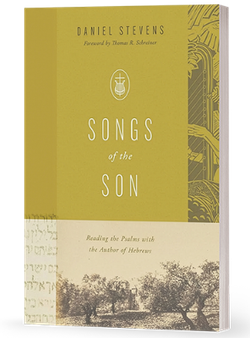
Jesus isn't just a New Testament figure. He appears prominently throughout the Old Testament...and you can see it most poignantly in the ancient song book of Israel: The Psalms. Explore and appreciate the connections in the Psalms to the Messiah in the New Testament that point to his supremacy.
If you want to gain a profound understanding of the Messiah in the Old Testament, be sure to request the book Songs of the Son by Daniel Stevens.
Past Episodes
- A Closer Relationship with God
- A Controversial Baby
- A Lesson for Losers
- A Life of Thanksgiving
- A Painful Path
- A Sharp Sword
- A Thankful Thanksgiving
- A Time for Severity
- A Unified Church
- A Unique Child
- Adding to Your Faith
- All You Need
- Almost a Christian
- Am I Really a Christian
- Amazing Conversions
- Ambassadors
- Ambitious Faith
- Ask Pastor Mike
- ATAPAT
- Call for Help
- Christ Changed Everything
- Christian Friendships
- Christian Love
- Christianity in Real Life
- Christians on Trial
- Christmas
- Christmas 2021
- Christmas 2023
- Christmas 2024
- Christmas and Worldly "Heroes"
- Christmas Clarity
- Christmas Controversy
- Christmas Courage
- Christmas Eve Service
- Christmas Generosity
- Christmas Giving
- Christmas Messages
- Christmas Presents
- Christmas With Compass
- Christ's Kingdom Forecast
- Christ's Resurrection
- Christ's School of Prayer
- Christ's Triumphal Entry
- Chronic Life Aches
- Colossians
- Complete Redemption
- Confrontation
- Connectedness
- Consumer Christianity
- Convenient Christianity
- Count Your Spiritual Blessings
- Countercultural Christians
- Courageous Endurance
- Couriers for Christ
- Dark Days
- David and Goliath
- Dear Abby
- Decisions, Decisions
- Defeat of Death
- Desert Instructions
- Designed to Grow
- Detours
- Did it Really Happen?
- Discernment
- Don't Forget
- Don't Miss It
- Don't Quit
- Drink Your Milk
- Easter
- Easter 2018
- Easter Message
- Encouraged
- Enemies of Grace and Revenge
- Enemies, Grace and Revenge
- Enlisted
- Envy
- Evangelism 101
- Evangelism and the End of the World
- Expanding Your Ministry
- Faith, Stress and Money
- Faithful to God
- FEAR & Fears
- Fear of God
- Finish Well
- First Corinthians
- First Quarter Review
- Friends? Who Needs 'Em
- From What I Believe to How I Think
- Generosity
- Get Ready
- Gifts For Jesus
- Give It Up
- God as Father
- Godly Confidence
- God's Big Plan
- God's Church
- God's Expatriates
- God's Investment in You
- God's Plan for You
- God's Work in Evangelism
- Good Friday
- Good Friday Message
- Gospel Advance
- Gospel Crazy
- Gospel Impact
- Gospel Lessons from the OT
- Grow Up
- Growing Up
- Guarding the Gospel
- Happiness & Christianity
- Head Games
- Hebrews
- Hell, Fire and Floods
- Hitting God's Target for Your Life
- Holiness
- How God Works in You
- How the Truth Sets Us Free
- How to Argue
- How to Forgive
- How to Get Eternal Life
- Hyperopic Christianity
- In Search of God's Will
- Incredible Love
- Indignation
- Infant from Bethlehem
- Instructions for Sinners
- Internal Warfare
- Israel's Greatest Hits Cont'd
- Israel's Greatest Hits- Study in Psalms
- Israel's Greatest Hits Vol II
- It's a Big Decision
- Lap #2005
- Learning to Lead
- Lessons on Grace
- Life as a Target
- Life With A Purpose
- Life's Defining Moments
- Life's Last Enemy
- Living a Lie
- Luke
- Made Right with God
- Make a Difference
- Marriage
- Money Madness
- Money Matters
- Moody Bible Institute Founder's Week
- More than a Creed
- More Than Friends
- Moving Forward
- Obstacles on the Road to Christ
- Octogenarian Wisdom
- Old School Christmas
- Old Testament School of Marriage
- One Plus God
- Our Fight with Sin
- Our Need for Representation
- Parenting
- Passing the Baton
- People Tools
- People Who Make a Difference
- Persistant Prayer
- Plugged In
- Pointing People to Christ
- Politicking
- Post Christmas Contentment
- Power Plays
- Powerful Praying
- Prayer 101
- Prayer Warrior
- Prelude to the Cross
- Preparing for the Kingdom
- Presenting Christ
- Privilege and Responsibility
- Project Reciprocity
- Prompted by Love
- Purposeful Praise
- Pursuing Holiness
- Saints Who Lie
- Salvation Is A Big Deal
- Set Free to Live Right
- Sexual Disasters
- Sexual Sins & Sanctified Bodies
- Silent Night
- Sin is REALLY Bad
- Slaying the Family Dragons
- Sold Out Servants
- Something Greater
- Soul Warfare
- Special
- Special Christmas Message
- Special Easter Message
- Spiritual Detours
- Spiritual Investments
- Spiritually Prepared
- Stay Out of Trouble
- Staying in Step
- Sticktoitiveness
- Strained Relations
- Summer Fruit
- Taking Christ to Work
- Temptation
- Thanks God
- Thanksgiving
- The Ancestry of Christ
- The Balance of Biblical Love
- The Bible and Your Salvation
- The Big Assignment
- The Big Questions
- The Black and White on Gray Areas
- The Common Good
- The Costs and Benefits of the Incarnation
- The Door
- The Entry of a King
- The Experience of Every Christian
- The First Christmas Gifts
- The Gap
- The Gospel
- The Gospel According to Abraham
- The Harsh But Good News
- The Hazards of Prosperity
- The Hazards of the Church
- The Infant from Bethlehem
- The Joy of Salvation
- The Next World Order
- The Non-Negotiables
- The Old Testament School of Marriage
- The Reliability of the Bible
- The Resurrection Response
- The Royal Task
- The Same Ol' Stuff
- The Sins Christians Tolerate
- The Supremacy of Christ
- The Torn Curtain
- The Truth About Christmas
- Those Words at the Altar
- Tips for Zealots
- Transformed
- War Zones & Peace Treaties
- Warning
- Water from the Rock
- Weirdos?!
- What's Your Problem
- When Feelings are King
- When Frogs Become Princes
- When God Makes a Promise
- When God Seems Weird
- When Life Hurts
- When Life is Tough
- When Life Takes A Left Turn
- When People are to Blame
- When the World Gets In the Way
- Where You're Planted
- Why the Son Became One of Us
- Wisdom & Maturity
- Wisdom From Proverbs
- Wisdom's Toolbox
- Wise Decisions
- Working the Plan

Video from Pastor Mike Fabarez
Featured Offer
Jesus isn't just a New Testament figure. He appears prominently throughout the Old Testament...and you can see it most poignantly in the ancient song book of Israel: The Psalms. Explore and appreciate the connections in the Psalms to the Messiah in the New Testament that point to his supremacy.
If you want to gain a profound understanding of the Messiah in the Old Testament, be sure to request the book Songs of the Son by Daniel Stevens.
About Focal Point
About Pastor Mike Fabarez
Pastor Mike is a graduate of Moody Bible Institute, Talbot School of Theology (M.A.) and Westminster Theological Seminary in California (D.Min.).
Mike is heard on hundreds of radio programs across the country on the Focal Point radio program and has authored several books, including Raising Men Not Boys, Lifelines for Tough Times, Preaching That Changes Lives, Getting It Right, Praying for Sunday, and Why the Bible?
Mike and his wife, Carlynn, reside in Laguna Hills, California and they have three children, Matthew, John and Stephanie.
Contact Focal Point with Pastor Mike Fabarez
info@fpr.info
Focal Point
P.O. Box 2850
1-888-320-5885