
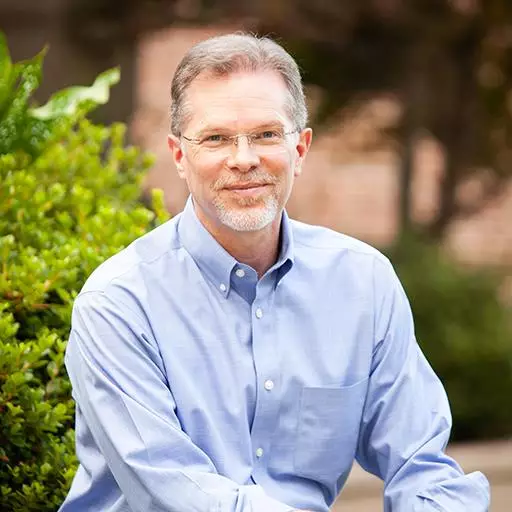
197: What Kids Grieving Divorce Wish Parents Knew


Many kids grieving divorce never have words for what they're carrying. Blake Hudspeth grew up through four different stepfamilies and knows how family change can shape a child's view of love, trust, and belonging. On FamilyLife Blended, Ron Deal talks with Blake about the grief parents often overlook, the questions kids rarely ask out loud, and why feeling "fine" isn't always the whole story.
Blake Hudspeth: It’s never easy to share that last 5 percent that you’ve been keeping. It’s easy to hear it from someone like me who’s 10, 15 years past it and just looking at it and it’s all gray and rounded out and looks awesome. I mean, I was having stress dreams, crying myself to sleep at 2:00 in the morning in these seasons of my life.
This was a very difficult season of my life to get honest with myself about that 5 percent, but then knowing my relationship with my parents could change forever if I shared this 5 percent with them and being scared of that. And the pain of not sharing that was greater than what would happen with their response. I can't spend the rest of my life faking it with my mom and dad.
Ron L. Deal: Welcome to the FamilyLife Blended® podcast. I’m Ron Deal. We help blended families and those who love them pursue the relationships that matter most. We are in the process of updating our Little Rock studio, so while we’re doing that, we thought it would be fun to share some of our favorite episodes with you, ones that perhaps you missed the first time around. So let’s get to it.
My guest today is Blake Hudspeth. He is with me in the studio today. Thanks for being with us. It’s really great to have people in the studio. I don’t get to do that very often, so it’s nice to have him here with me. Blake is associate pastor of the Summit Church in Conway, Arkansas. He grew up in a blended family.
If you’ve listened to this podcast for a little while, then you’re aware that from time to time we talk with people about their growing up years, about their blended family childhood. We call it "Growing Up Blended." And the purpose is this: to help you, the listener or viewer, parents, stepparents, leaders, put yourselves in the shoes of the children in your world and in your life.
We hope this informs your journey as a parent, stepparent, as a ministry leader and your interaction with kids going forward. Blake, thanks again. Appreciate you being here. Short little drive from Conway.
Blake Hudspeth: Yeah, it’s not too bad. 30 minutes. I do it all the time.
Ron L. Deal: And turns out we have a common friend. He at least thinks pretty highly of both of us, is what he said.
Blake Hudspeth: Apparently so.
Ron L. Deal: That’s what he said. After this, maybe not. We’ll see how that goes. You wrote a little piece some time ago. I don’t even know how long it’s been.
Blake Hudspeth: It’s been a while, seven or eight years.
Ron L. Deal: Okay. You wrote a little piece that came across my desk. I got to take a look at it. And it’s titled this, if you’re listening or watching, "Dear Frankenstein: Hope for Pieced-Together Families." Did your childhood feel pieced together?
Blake Hudspeth: Yeah, it happened when my daughter was five. She’s 15 now. So we were eating chicken tenders, actually. And we were talking—
Ron L. Deal: It’s memorable because you remember what you were eating.
Blake Hudspeth: I remember what I was eating, yes. I remember I could take you to the table we were sitting at. Her name is Mae. And Mae was asking me just different questions about my family because she saw that it was a little bit different than my wife’s family, where mom and dad stayed together, grandma and grandpa, they’re all together. And my family wasn’t like that. She knew my mom and dad were separate and that there were other grandparents that were with them.
And so she was just asking different questions and I started sketching it out on a piece of paper. And I made the joke to my wife when we first started dating, I said, "I don’t really have a family tree, I have a family forest." And so I was trying to explain it to Mae and I realized I just kept splitting them off and putting them together with different people. And what she saw was this kind of beautiful family that she loved. But it was really like more of Frankenstein’s monster when you look at it from a piece of paper.
And so when I was writing, my main hope was to give those families who really kind of maybe were in despair or just felt like they were drowning, just hope that this isn’t the end. You can have these moments. And even for my daughter, it was a very redemptive moment for me to see her knowing how much she’s loved, how much she loves my family and the family she was growing up in.
And the family she was in was going to be a different one than the one I grew up in and that that was okay. Yeah, as I was looking at it, I was like, this is a pretty pieced-together family.
Ron L. Deal: That is really great. And I’m glad you capitalized on that and shared some of your thoughts. I want to press in on a couple of things. So Mae, five years old, up until that time, had you maybe with friends or somebody had to try to explain the complexity of your family? But this was different when it was your daughter, I would think.
Blake Hudspeth: It was. So I was five or six when my mom and dad divorced. And so the closer that she got to the age that I was when my family divorced, it really emotionally hit me differently because I remember life before the divorce and after the divorce. So I have living memories of us together in our little farmhouse and then obviously memories after that, too.
It was a very innocent question that she just was trying to kind of figure it out. But I noticed—it took my wife maybe a year to figure out the whole dynamic of my family because I have three brothers from three different moms. I’ve had four stepfamilies. I think it’s probably the easiest way to say that. Between 5 and 21 when I got married, I got married in college, I’d had four completely different stepfamilies. Some through divorce, some through death. So I lost a stepdad when I was 18 very unexpectedly.
Because of the dynamics—meaning I’m still close to Dale’s family, who was my stepfather that died—but I also have now a different stepfather. So my mom remarried years later. And so just how the dynamics of all of those family ties work took my wife a little while to kind of piece together. And she grew up with me. We’ve known each other since we were 12.
But no, as Mae got older and then I have another—I have a son named Bear, who’s 11 now. But as they kind of inched towards that age that I was and I realized how much I loved them, how much they loved me, and what it would be like for them had me and Danielle split whenever they were in kindergarten, first grade. Like what it would do, I think the reality of it hit me a little bit more.
And really until Mae was that age, it was the first time I really—and you talk about this a lot—grieving, a healthy grief of a family that I wanted but didn’t have. And when she was about that age was the first time I really, I think, in a healthy way, grieved that in a way that was very healing. It was healing for my mom and dad at the same time. I walked through it with them as well.
Ron L. Deal: Wow. So say more about that. Like, what were you grieving fresh and what happened when you’re looking at your daughter that you really hadn’t had to do before?
Blake Hudspeth: Yeah, it was kind of two things. It was coming to terms—when you’re young, I used to hear a lot of things like children are resilient and they’ll bounce back and all these things. And I think there’s some truth to that. I felt like children are more like a sponge and they just kind of absorb everything that’s around them, good and bad, and they don’t know what to do with it. And so when I was growing up, the norm for me was that families just fell apart.
So no family was really stable in my mind. No stepfamily was stable in my mind, the ones that I was in even. And I loved everybody in those families really dearly, but I started kind of holding them a little bit more loosely just because you just kind of start thinking any family is just a couple of weeks away from falling apart. What I didn’t realize was that my mom and dad didn’t want me to think that. Their love for me had not changed at all.
And until I got older and I realized what Mae was experiencing and later on what Bear was experiencing was really what in my heart of hearts, that’s what I wanted to experience and I never got to. And so I never let myself be okay with that, of admitting that. And so I was 25, 26, I was in seminary. I was up in Louisville, Kentucky. And I had realized even at that point in my life, the Lord was doing kind of a work in my life about forgiveness.
And I realized I had never—I had said I’d forgiven my mom and dad for all of just the pain that I had experienced as a kid. And they were great. That’s the other thing: my parents were awesome. They are—I have an extremely close relationship with both of them. Because it’s easy to think, oh, well, his parents' divorce probably was super ugly. And it really, it wasn’t. And even today, they are very amicable, talk very highly of one another and all of this.
But one of the things they did really well was they always made sure I knew that nothing’s off limits for us to talk about. And so I’d always told them, "Well, no, I forgive you guys," and all this stuff. But I hadn’t really. And I don’t know if I really knew what I was forgiving them for until that season of my life when I was really grieving not having this. And so I did. I went to both of them in different times and just told them that. And it was for me one of the most healing seasons of my life.
Ron L. Deal: One of the things I just want to say to our viewer and listener about this is it’s sort of like another layer of forgiveness that you have to put on because I heard you grieving something new in a fresh way and that brought about this need to forgive this new thing, if you will. From a timeline standpoint, nothing’s new, but from a realization standpoint, you now as a young man, grown man, married, parent, all of that sort of makes you see and experience the past in a fresh way. And so you have to wrestle with that. I’m curious, do you mind telling us what is it that you had to say to them, to your parents, at that season to define the forgiveness or to be done with it?
Blake Hudspeth: I’m pushing 40 now, so that was probably close to 15 years ago when we were having those conversations. It was mostly admitting all of the things I had felt growing up. And it wasn’t like, "You’re a terrible parent." It wasn’t a bunch of accusations. It was more of, "I need you to know how this made me feel and that I don’t want this to be between us anymore." And both parents took it differently. Their responses were both very positive, but their reactions were different in both of them in very redemptive ways.
What I realized though after that conversation was in my mind, forgiveness was this one-time thing. And I think you said it really well a moment ago, it was really more a new realization that I am having to bring forgiveness into. And so from that moment forward, every Christmas—Christmas particularly for me has always been difficult—and forgiving them fresh every Christmas. Forgiving them fresh when some sort of memory arises or I get to hear about, "I went to Mom and Dad’s."
And that was—for me growing up, I remember my parents always saying, "We want you to have some things that we didn’t have." And so when I grew up, my dream was I want my kids to say, "Mom and Dad," wake up on Christmas morning, say "Mom and Dad." And what’s been great is since that conversation, those forgiveness conversations, but even as I was getting married, my mom and my dad and my stepparents—whoever they were at the time—knew that dream and they were my biggest cheerleaders in wanting that for me.
All of those things helped with the forgiveness because you can forgive and things not go great afterwards. You know, sometimes I didn’t know what my relationship with either one of my parents were going to look like moving forward after those conversations. But because of the way that they responded so positively to it, it really has grown our relationship deeper over the years.
Ron L. Deal: Go back to mom and dad. You just wanted to be able to say mom and dad. When you were a child, you couldn’t say mom and dad?
Blake Hudspeth: I remember being able to say mom and dad until the divorce. And then after that—
Ron L. Deal: And then after that, what did you find yourself struggling with?
Blake Hudspeth: Well, mom and dad weren’t together anymore. So it was Mom and Dale, Dad and Karen. It was never—
Ron L. Deal: And so the longing of your heart was to be able to just say those three words together.
Blake Hudspeth: 100 percent. Yeah.
Ron L. Deal: So when Dale’s in the picture and somebody else is in the picture and stepdad number two or whatever, was there a little bitter with the sweet? You like Dale, but it wasn’t mom and dad. Like, how does that work in your heart?
Blake Hudspeth: Yeah. I think the best way I know how to describe it is I felt like a ping-pong ball in some ways. And so I never felt like I had my family. It was, "This is Mom and Dale and their family. This is Dad and Karen, their family." I had brothers from there. I was close to everybody. I loved everybody that was in those circles.
I don’t know if bitterness was the right word as more of a lack of trust. I just kept everyone at bay with trust, including even years later, had a counselor ask me about comfort, like what parent would you go to for comfort? And it was a great question. And I remember my wife’s response. And then I remember thinking I reclused because I actually didn’t trust—not just my mom and dad—I didn’t trust anybody with my emotions.
I think more bitterness towards—once I had children and realized what I didn’t have growing up, and that’s where the forgiveness part needed to come in. But when I was a kid, it was more a lack of trust in the stability around me.
Ron L. Deal: I have to just jump in and say something because I really we’re trying to hammer this home with our listener. So in the new book that Nana and I have written, *The Mindful Marriage*, we talk about two essential elements of relationships and emotional safety is one of them. And that’s what you’ve been talking about for the last few minutes is this idea that do I feel safe with my parent? Do I go to them when I’m in a need of comfort?
How do I feel with Mom and stepdad, Dad and stepmom? Trusting them or lack of trust adds up to I don’t feel safe as a kid. It’s not my family. So I keep them at bay, a little guarded, maybe some walls, and I lean away rather than leaning in. And one of the things that we know about when relationships come apart, like in a marriage when it comes apart, is I believe couples fall out of safety and then fall out of love. We stop trusting each other, stop moving toward each other, and then as we lean away, the affection begins to die.
In stepfamilies, we want people to really work hard at safety first, then love. It’s the opposite. You build safety and that paves the way for love to take place. And so you’ve got a stepparent, for example, who’s probably listening right now going, "Oh my gosh, that’s my life. I’ve got a stepchild, I’m trying to move toward them, but I sense they’re not letting me in.
I sense that wall, I sense that guardedness in their heart toward me, toward the family situation, and the child is leaning out and I don’t know what to do. I can’t reach them." Looking back at your life, you got a thought or two about what would be helpful for that stepparent and/or what did your stepparents do right that was helpful for you?
Blake Hudspeth: Yes. So when I was a kid, I’ll just use their names because it’s easier for me to talk about both of them. Dale was my stepdad that I had when I was a kid. So—and he died when I was a senior in high school. And then Karen was my stepmom from about the same age, 10, to you know, till I was older.
How I would describe both of those experiences with my stepparents was I always felt like they were on my team. They didn’t try to replace a parent for me. They always spoke highly of—so Dale always spoke highly of my dad. Karen always spoke highly of my mom. It was very, very respectful. In fact, I don’t have any memory of either one of my parents saying anything negative about the other one in front of me ever.
Ron L. Deal: That’s fantastic.
Blake Hudspeth: It’s easy to think that the amount of pain you carried was because of how horrible the divorce was and I would say it was one of the better ones that I’ve seen as far as how my parents responded and how their spouses responded to us. And to my brothers as, you know, my dad had more children with my stepmothers—I had two different stepmothers, one brother from each—how my mom responded to those men now is just so positive.
And so I always felt like Dale was on Blake’s team. Karen was on Blake’s team. And because of that, I trusted Dale with my life, you know. I didn’t trust—now, I didn’t trust he would be in my life all the time, which is what’s interesting about it. I actually of all of the different parents and stepparents that I have or I’ve had over the years, I parent the most like Dale. And so things—he had a huge influence on my life.
So I tell stepdads all the time, don’t think that your family isn’t absorbing some of those good things that you’re giving them, even though you’re not their dad. You don’t know that they may raise their kids like you’re raising them right now. And my stepmom, I didn’t see as much because I saw my dad every other weekend and then throughout the summer.
But even then, she was juggling another blended family. You know, my brother Bryce is from my dad’s second marriage. And so she’s really navigating two at the same time and she did it with a lot of grace when I was a kid. And so I would say, be on their team. Just make sure you go out of your way to make sure that I’m for you. And you don’t have to understand all the ins and outs of what they’re feeling and it takes time.
Ron L. Deal: The thing I like about that is that it shows yet the layers of complexity because you felt like they were on your team, but you also within you had questions about how long they would be around. So even when they got it right, so to speak, there’s just this piece of you that still wonders because life has taught you you can’t really trust that things are going to last. Relationships and families come apart.
And I think that’s so important for our listeners and viewers because sometimes we take all of the blame onto ourselves. "I’ve got to get this or what am I supposed to do and how am I going to fix this in that kid?" You know, there’s some things that are not up to you. There’s some things that the child is just wrestling with as a result of the journey that they have been on. And it is what it is.
What you want to do is just continue to be that presence that shows up, that is loving, respectful, decent, kind, gentle as you can possibly be. That all builds emotional safety, which then furthers their ability to move toward you in love eventually. Not usually not quickly, but eventually. And so it just seems to me that that’s some of the things you can do, the power if you will that a parent/stepparent has.
You, in your "Dear Frankenstein," I did take notice of some things that you said about your stepparents, what they did right. I just want to give you a chance to comment and tell us a little bit more about that. You said all four of your parents and stepparents worked towards some of these common goals. They encouraged anything that hinted at Jesus in your life. How did they do that?
Blake Hudspeth: So what’s interesting about it, my dad actually didn’t even become really a Christian—he took us around the church, but he really wasn’t even a Christian until I was in high school. I saw a radical transformation after his third marriage, radical transformation in his life, which was amazing. But even still when I was young, would always bring me around our church and my grandmother would always take us to church.
So anything that was around a relationship with the Lord, being around men in the church, they were just always very encouraging about. I mean, I’m in ministry now, I’m a pastor. Even that, I’ve heard stories of men who felt like the Lord was calling them in the pastoral ministry and their parents are like, "You’re never going to make money at that. That’s a terrible idea." I just had none of that.
I went on a mission trip when I was 17 to Slovakia. And as now as a dad of a 15-year-old daughter, I’m trying to imagine myself putting her on a plane and sending her overseas one day to Slovakia. I don’t even know how to spell it. I don’t know where it’s at. It’s in Eastern Europe. But I was thinking, I was like, my parents let me as a junior in high school go on a mission trip in a way that I am scared to let my daughter go on and I’ve been walking with the Lord my whole life.
So student ministry, anything that I wanted to be involved in with the church, they just really, they were my cheerleaders with it. My very first sermon I ever preached, I was 17 years old at my dad’s church. And I would also say because of that, I’m the biggest fan of the local church because I think the local church gave me things that divorce never could take away from me.
And so I had because my mom and stepdad put me around men and women of God, because my dad and stepmother put me around men and women of God, I got to see other families. I got to see how other families work. I didn’t get to grow up with my dad as much, but I had men in my church teach me how to ask a girl out on a date.
So an example is Steve Graham, who’s my father-in-law, when I was in maybe ninth grade, was in our student ministry and he came and he spoke on the way that you treat women. And my ears perked up because that’s Danielle Graham’s dad and I went to school with Danielle Graham and she’s pretty awesome. So whatever he has to say, I’m going to listen to.
Well, he talked about this is how you ask a girl out on a date. And it was really the first and only time I remember anyone talking to me about that. Well, it paid dividends later on for him because I’m the one who ends up marrying his daughter and raising his grandkids. That was the type of relationships that I had in the local church and my—all of my parents were just champions of that.
Ron L. Deal: That is very, very cool. We’re going to come back and talk about ministry in a little bit, but I just got to flag that as an example of the power of the local church to invest in students' lives, no matter what their family story is, and perhaps fill some gaps, but also just come alongside that family unit and how important and powerful that is. You said about your stepparents that they wanted the best for you and that you always had them in your corner. You said earlier they were on your team. How did you know that they wanted the best for you? Can you think of an example or story?
Blake Hudspeth: Yeah. So part of my story is when I was 10, I started having just this intense pain in my sinuses and in my ears and all these things. Ended up being hospitalized and through a series of tests, the doctors found my entire head was filled with tumors. And they had no idea what they were. They turned out not to be cancerous, but they responded similarly to cancer.
From 10 to about 17, I went through a series of just excruciating surgeries, chemotherapies, and lots of medication and specialists and things like that. What that did—the divorce happened probably in arguably one of the most vulnerable times of my life, five, six years old, very impressionable age. This health crisis happened to me in another very vulnerable time of my life, which was preteen and through my 10th grade, 11th grade year of high school.
What that did redemptively was bring kind of all of my family together around me. And so we’re sitting in doctors' offices, in oncology clinics together, all of us, Mom and Dad and Dale and Karen. Like we’re all together, waiting on the results of this last thing and all this. And I just remember through all of those moments just feeling very loved and supported and when I say in my corner, not only just from "I care about you," but "I care about your future, too."
The thing that I get so sad about sometimes not seeing Dale anymore is how proud he would be of me and of my brother getting to see our family because he just was a huge cheerleader of, "Hey, I want you to find God’s woman for you and I want you to stay there."
Ron L. Deal: Quick little drill into that snapshot of all of them in the waiting room with you, supporting, waiting for information. We have people listening who are saying, "We can’t do that. We can’t be in the same room with my ex or his new wife or whatever." Do you have any sense of what your parents and stepparents had to do in order to make that happen?
Blake Hudspeth: Yeah. There was a marriage in between with my dad that that wasn’t the case. Okay. We’re not all going to hang out at my house together.
Ron L. Deal: So your first step—
Blake Hudspeth: It was my first stepmom, yeah. And I have a brother, Bryce. She was closed to it. She didn’t want everybody hanging out. Well, it would have just—the way that the divorce happened and all of that, it would not—if it were Bryce, it would be a different situation in that waiting room is what I’m kind of getting at.
I think by the time you got to me, this is what I found out as an adult and maybe something that can encourage listeners who you might have younger kids right now or kids that are teenagers and you’re just wondering, "Am I doing this right? My report card hadn’t come in yet for what I’m doing, like what’s going on." As an adult, the thing that surprised me the most was how self-aware my parents were and my stepparents were of what was going on.
In my mind I’m like, "They don’t know how this is making me feel, or they don’t know that this is so wild and crazy, and our family is just a big old crockpot." Well, they knew all those things and they chose to purposefully talk well about each other, to give the other parent the benefit of the doubt, to allow us—to release weekends for me sometimes if that meant to go to one person’s thing as opposed to another. Never making me feel like I was a tug rope or a rope in between them.
I didn’t realize they consciously made those decisions. They talked about those decisions. That wasn’t just something that happened on an island for each of those. But I didn’t know that when I was 16. I just was experiencing it. And then as an adult, what I’m telling them all the things that I was experiencing as a kid, good and bad, they were able to say, "Yeah, that was—we did that on purpose."
In fact, one of the hardest things I would say—when you write something, you would definitely understand this because you’ve written a lot of really wonderful things—when you first give whatever it is you’re writing to someone, it’s a real vulnerable thing. And so you think, "Oh, I hope this helps you, I hope this doesn’t make me look like an idiot," all these different things.
The hardest thing I think I’ve ever done was giving that manuscript to my mom and dad and said, "This will never see the light of day if you guys are not okay with it." And the reason was I thought this is going to shock you. Like my story is going to shock you with all of this. And not only did it not shock them, they were like, "Blake, we knew all of these things and every person needs to hear this." And so as I got older, what I wish my parents would have done is they would have initiated that conversation instead of me.
Ron L. Deal: Oh, interesting.
Blake Hudspeth: If they would have initiated that, I wouldn’t have felt so much emotional turmoil on whether or not I should talk about it.
Ron L. Deal: Yeah. By the time you get there, you’re all keyed up, thinking you’ve got this big thing you’ve got to address for forgiveness and they’ve been living it for 20 years.
Blake Hudspeth: Exactly. And one of the things my mom said that I thought was really helpful when I was in that grieving season where I was forgiving, one of the things she said that I thought was very insightful was, "I just didn’t know what age you were supposed to be when we were supposed to have this conversation."
Ron L. Deal: Huh.
Blake Hudspeth: And I thought that makes a lot of sense. Like it’s not like when you’re 18, we’ll sit down and have this conversation. For me it was 24, 25. And so my thought was if that would have been something that they either one of them just said, "Hey, when he is this age, I’m just going to sit down and we’re going to have a very honest conversation and just open that door for him."
Ron L. Deal: You know, as I’m sitting here listening to that, you’re right, very insightful. And how would anyone know what the right time would be? And it makes me think that maybe what somebody could do is just signal that they’re open to it. In other words, sort of do a soft knock on the door to have that conversation to say to a child, "Hey look, someday you may want to know what all of this has been like from our side of the situation and you may want to hear more of the backstory, and we’re open to that if you were to—" just to sort of softly put that out there to a child who at least they feel permission.
Blake Hudspeth: Yes. Yes. And I think my dad layered those moments in. I always say and I think I say this in that "Frankenstein" manuscript, he was just clutch. He was able to make some clutch moments with me when I was young and one of those was kind of layering in some of that of, "Hey, nothing’s off limits, you’re not going to hurt my feelings, we can talk about these sort of things." So when I got to that point with my dad, it was a little easier.
With my mom, I think my mom cared so much about nurturing me and being a rock that it was almost like she didn’t want to make it feel like she had cracks in the rock. What I didn’t realize is she knew that the whole time. And so for her it was harder to know. And I think that’s a really great piece of advice if she just would have said, "Hey, anytime you want to talk about this, just know I’m open to talk about it." I think just that open invitation would have been way easier for me. I would have had a lot less—
Ron L. Deal: Again, this all speaks to emotional safety. Is it okay to talk about this stuff? Your dad saying to you, "Hey, I’m okay with that." To show ourselves as not fragile and fearful of conversations that are hard and difficult for our children, but to show ourselves as people who can step into that space on their behalf, that is all a part of building that context of emotional safety.
The irony is, and again what I want parents and stepparents to take away, the irony is when you do that, you show yourself to be somebody that they can move toward, good, bad, or ugly, whatever it may be. But they can move toward you and they don’t have to be afraid of you or the relationship or the difficulties. And that makes you likable, respectable, and that is what comes before lovable. Safety, likable, respectable, lovable.
You said some other things about them. They didn’t pretend like being a blended family was easy or natural for them or for you. They never spoke negatively about the other parent; you talked about that earlier. They were quick to forgive and show grace towards you specifically.
Blake Hudspeth: Towards us specifically. I didn’t see them as much ask for forgiveness towards one another. They did for sure. Something though that my dad said to me—I was probably 24, 25 that I’ve never been able to shake off of me—and it was during that season where we were having these deep, heart-wrenching kind of conversations.
Or for me they were heart-wrenching, for them I think they were very open conversations. I told Dad, I said, "I just can’t imagine dropping Mae and Bear off with Danielle every other weekend." I was like, "I can’t imagine what that was like, but I also can’t imagine getting into a place where I’m okay with that." And my dad was quiet for a moment and he said, "Blake, I think you just don’t realize how deceptive sin can be." And it stopped me in my tracks. It stopped me in my tracks because I might not understand how that would happen, but I understand the deceptiveness of sin and I understand what my dad was like when he was young.
And the thought of I might not go down this road, but sin is just as deceptive in my life. So my dad was no stranger to grace and my mom was no stranger to grace. So they didn’t try to put on airs necessarily around it because they knew we had front-row seats to our family. We knew what life was like front and back and all that kind of stuff.
Ron L. Deal: And if they tried to pretend or lie—
Blake Hudspeth: Oh, we could see right through it. Exactly. But when Dad said that to me, everything changed about even how I viewed not just forgiveness, but it humbled me big time. And he did not say it to humble me at all. He said it out of humility and it wrecked me.
Ron L. Deal: Wow. And I imagine your respect for your dad went up.
Blake Hudspeth: Oh, my respect for both of my parents out of that season skyrocketed. I think more of my parents right now than I’ve ever thought of them in my life. I ask for advice for them. They know everything going on in my life. I want them to be a part of my children’s lives, all of that.
Ron L. Deal: I want to capture this because I think what you’re telling us is for you that whenever that monumental—you were 24, 25—when those conversations started happening and you’re getting their point of view and you’re saying things that you’ve never known how to say and now you’re giving birth to it, so to speak, and they’re going through that experience, that somehow that experience opened up a level of depth and intimacy and trust with your parents that you had not experienced before.
Blake Hudspeth: That’s right. Because I knew they weren’t perfect. I didn’t need perfect parents, I just wanted my parents. And so when I felt known and loved by them and I felt that I knew them better than all the other stuff, the good stuff, the "I’m in your corner," "I’m rooting for you," "I’m your cheerleader," "I’m going to be there no matter what," I started believing all those things in ways that I didn’t believe them fully when I was a kid.
Ron L. Deal: Okay. What I want our listener to get is listen to the power of the leaning away, holding back. You keeping yourself and a part of yourself—not all of you, just a part of you—that really intimate part that they didn’t know. Keeping that away created a gap, a limitation on the depth of your relationship.
When you took the risk and pushed in and toward and then discovered, "Wow, there’s more here and I’m learning, they’re learning, we’re connecting," that opened up some stuff. Now you can continue to lean in and move toward. I just want everybody to hear the power of that. If you’re talking to somebody right now who’s still leaning out—maybe they’re the stepparent who’s leaning out, not ready to take another risk. Maybe it’s a child who’s a teenager or they’re a young adult and they’ve never had this hard conversation with a parent or whoever. What would you say to them about continuing to lean out versus prayerfully considering pushing in?
Blake Hudspeth: Yeah. I would say two things. The first is it’s never easy to share that last 5 percent that you’ve been keeping. It’s easy to hear it from someone like me who’s 10, 15 years past it and just looking at it and it’s all gray and rounded out and looks awesome. I mean, I was having stress dreams, crying myself to sleep at 2:00 in the morning in these seasons of my life.
This was a very difficult season of my life to get honest with myself about that 5 percent, but then knowing my relationship with my parents could change forever if I shared this 5 percent with them and being scared of that. And the pain of not sharing that was greater than what would happen with their response. I can't spend the rest of my life faking it with my mom and dad.
And so I need them to know this about me and I don’t know how they’ll respond, but I know how they respond will probably dictate how the rest of our relationship will go in the future. So that is extremely angsty when you’re walking in thinking that. And so to someone who is leaning away, I would say it is never going to be easy.
That 5 percent is never going to be easy to share. But on the back side of it, it’s so worth it. And it will never feel natural. That will never be my default. My default is leaning away. So just because you do it once doesn’t mean that you’re going to be able to do this and stay in that posture. You’ll have to keep kind of moving forward.
Ron L. Deal: Such a good word. And I want our listener to know we’re not promising that you would have the same outcome that he would have. If I was sitting with somebody who’s wrestling with that decision, I would say, yeah, pray. Let’s consider, let’s talk through, let’s think about where your parents are and whoever this person is you need to approach, where you are.
Come with low expectation. Let’s be realistic about what you should expect the response to be. What you’re going to try to do is be as loving and kind with your approach and your words as you can possibly be. Those are the things you can control in this situation. But maybe the risk is worth it. And by the way, they call it risk for a reason. It’s not supposed to be easy.
We’ll talk about ministry in just a second. Last question. You happened to mention as we were giving you a quick little tour around our office that you saw the Smart Stepfamily sitting on a shelf and you said you cried reading through that book.
Blake Hudspeth: Yeah, I cried every time I picked it up I started crying. Two reasons. The first was the thinking about what my parents and stepparents did right intuitively of going, "They really did some—they did some things terribly, but they did some things right. There were some things that I just was grateful for and I’ve seen it go sideways with other families."
The other thing within that same kind of vein though is crying—the tears came from acknowledgment of the pain. And the thought of if my parents had had this 15 years ago, how differently my life would be. So I’ve bought it for friends, I’ve bought it for people who are thinking about getting married in a blended family. And the line I will always say, I said, "If my parents had this, my childhood would have been better."
And it was not a horrible childhood. But the tools that are in some of the pages in there are so helpful. And if I could tell any parent one thing that would have been most important for Blake when he was a kid was acknowledging the pain that you experienced. And that has to be so hard as a parent because to know that I was a part of that pain has to—and I’m not talking about going and wallowing in guilt in front of your kid. That’s a terrible—that’s a ditch. Don’t go into that ditch.
There’s a difference between wallowing in guilt and acknowledging the pain that you did have a hand in causing in some way. The way that I’ve described it with people was if you could put pain in a pile, then there’s been a lot of kind of crazy things as a young guy that I experienced. With I kind of shared about tumors and chemo and surgeries, losing my stepfather when I was 18 absolutely wrecked my life, experiencing miscarriages with Danielle and I.
If you could put all that pain in a pile and then the pain of my parents' divorce when I was six years old in a pile, I think that pile would be higher because of the effects, the aftereffects and aftermath of what that did. And I always thought I was crazy for that. I was like, that just can’t be true. So fast forward to just a few years ago, I was actually in therapy for working through a lot of anxiety and trauma that I experienced at Children’s Hospital through just medical, just waking up and being in intense amounts of pain and being scared and being scared for my kids and that sort of thing.
Well, I’d had a classmate that I grew up with that had spinal cancer the same time that I was getting diagnosed with all of this other stuff. So same kind of trajectory. His was far more dangerous than mine. But I just remember those years for us and I thought he’s a professor in theology right now. And I thought I need to reach out to him and just say, "Hey, as a Christian now as a father, you have family, you have children, you know what it’s like to go through these kind of scary medical things. What has just your faith journey been like and all these things?"
I was expecting us to talk the whole time about anxiety and medicine and tragedy. And I said, "What did you feel when you were sixth grade, seventh grade when we were kind of going through all of this?" And he said, "Honestly, the whole time—" and he started crying. He said, "The whole time I was trying to keep my mom and dad together because they were in the middle of a divorce." And he’s like, "I don’t remember as much about being afraid to die. I remember being afraid of losing my family."
I did not expect at all for that conversation to take that hard left turn and I thought, "This is the first time I don’t feel crazy." I felt validated. I thought I know exactly how that feels. And I would agree with you. And so and this is a guy who was looking at a way worse diagnosis than I was when I was in sixth, seventh grade. So I would tell parents don’t shy away from acknowledging something that your child’s already feeling.
And the more my parents did that as an adult, it depressurized everything. It was such a good way to depressurize things.
Ron L. Deal: Again, it created emotional safety. It created a space where you can move toward them in this. We don’t have to pretend; you’re over there, I’m over there. You’re denying this truth about that’s true. So I’m hearing from you as you read *The Smart Stepfamily*, what I’m hearing is you had tears of gratitude for what they did right.
But you also had tears of loss for your own life and your own emotions or what you experienced. And so wow, what a journey. Did it help give you some perspective about, you know, put words on some of the things you’d lived through?
Blake Hudspeth: Yeah. 100 percent. It helped me put some words on things that they did well of going, "Oh, that’s a principle. I wouldn’t have known how to say it that way and I wouldn’t have known how to incorporate that like they did, but that’s what was going on." It also gave some handles for validating, acknowledging, putting some good boundaries in place in your home, just some good foundational things that I thought, "Some of these were present and some of these weren’t."
And it gave me hope for blended families. The Lord can redeem all of this stuff. Even though every relationship’s different and every blended family’s different and every member of a blended family’s relationship is different, it still can be redemptive.
Ron L. Deal: You’re in ministry now. You’re walking around, you’re talking to families, you’re seeing couples, single people, parents, children, teens. You’re connected to all of that in the life of your local church. What do you think church is doing well when it comes to being a blessing to blended families and what do you think we should be doing?
Blake Hudspeth: So what my local church did well—I’m actually a pastor at the same church that I grew up at. Which is what I love to tell people is I don’t have a lot of empathy’s the wrong word, I don’t understand when someone explains church hurt to me of like, "My church hurt me," and all that. I can understand from a sense of, "I bet that’s true, that sounds terrible," but I can’t understand it from a sense of that’s what I experienced.
In fact, whenever I became a pastor and I’ve been a pastor for about 17 years and I got to go behind the curtain and really see how it’s all done, it actually was sweeter. I realized I actually liked it better than I even did as a member of the church. So I want to say first my local church loved me really, really well. I think one of the things that they probably missed was they probably saw Blake as Dale and Holly’s son. And so it was as if they only knew 50 percent of Blake.
Ron L. Deal: Your identity was not necessarily only limited to Blake and Holly.
Blake Hudspeth: It was. And so as they got to know me, I’m like, "I have a whole family in De Witt, Arkansas, that is a farm that’s been in my family for over a century." And that’s like I used to tell people when we turn back into dust, that’s the dirt I’m turning into is the soil in Arkansas County. Like that’s who I am in my bones is that.
And so there is a separation that—and they don’t—it’s not like the whole church needs to know everything going on down there. But it was in their minds, "This is the family, this is their nuclear family." Because that’s all they saw. So just to be aware of that. Be aware that stepfamilies just have lots of different dynamics and kids can feel a little disoriented in those situations. I never felt like my parents in either case had scarlet letters put on them by people, that they were treated with grace and kindness.
I know that that’s not true of everywhere. I just know that if it can be true in my sense, it can be true in other people’s sense too. They can experience that as well. So there are churches that do that. What’s interesting is I feel like there may be better resources right now than have ever been in the local church for how to build a healthy stepfamily or a blended family. And I think it’s the least talked-about thing right now.
And so I think if the local church needs to do anything, it’s to talk about it more. And that might be out of fear that you’re promoting divorce and that’s not how it works. Blended families don’t always come from divorce.
Ron L. Deal: You know, what I’ve always responded to people who say, "Well, are we condoning or somehow promoting divorce?" I’ve thought, who do you know who’s happily married who you will convince to get divorced because you talk about it? Absolutely nobody is going to do that.
Blake Hudspeth: Nobody. That’s right. And so I think just maybe even incorporating that in our language as we talk about just different types of families. It helps for me—me and our lead pastor, we both come from blended families. So it feels very natural for us to talk about that. For me growing up, it was weird to see a family who had not been divorced. I gravitate to kids. If you ask me as far as a local church, I just gravitate to their kids because I know what they’re going through.
Ron L. Deal: And I’m sure you do. You have a sensitivity to it that most people simply don’t have and I love that. One of the things we talk about at our Summit on Stepfamily Ministry is all the different ways that churches can be a role player, if you will, in ministering to all the different members of a stepfamily.
So children’s ministry programs and student ministry programs to ask about, "So tell me about the other half of your family." You know, just that simple little invite and interest in the child to say, "I know you got a dad who’s somewhere else and I’ve never met him, tell me about him. What’s it like when you go over there?" Like just that level of what that would have done for you to open that up.
Children’s programs that are mindful that sometimes parents are making their visitation swap at Sunday school or on Wednesday night or at the youth program. And that mindfulness goes a long way towards saying to children, "We see you, we love all of you, all the little parts of you. We don’t understand it all, but we at least care about it."
Those are little things that families can do. I’m going to mention while I’m thinking of it, we have a tip sheet for leaders that on student ministry and children’s ministry as well as adult ed ministry, all of that’s free. We’ll put that in our show notes and make that accessible to people.
Blake Hudspeth: One of the things that I would encourage members, ministry leaders to is—I remember my pastor growing up, his name’s Bill Elliff. And he said something to me that’s always stuck when it’s come to families or any marriages that are kind of floating on choppy waters and not really sure. And especially blended families I feel like almost feel looked at in ways that aren’t even true.
I remember my dad talking about, "I’m afraid to go to church and what they’re going to think of me." I was like, "Dad, go to church. It’s okay." But what Bill said to me early on in ministry is, "If I can help people believe that there is hope for their whatever situation that they’re in, that their blended family actually could flourish or their marriage could flourish or that as a child they could flourish, if I can just get them to hope, the Lord can do so many different things with that hope."
And I think if you know a family in your church that’s struggling or new or even recently divorced, of just not being afraid to wade into that awkward two seconds to walk up to them and then and give them hope that they’re seen, they’re loved, that they’re wanted, that they belong, but then also that they have hope because a lot of them don’t believe it’s true.
Ron L. Deal: So important. Blake, thank you so much for your perspective both looking back at your life and also as a pastor. It’s been really great. Appreciate it very much. Well, I hope you enjoyed this podcast flashback. We should have our new studio up and running soon, so stay tuned for new content.
Please remember there are a couple hundred episodes available for you to browse and be sure to subscribe if you haven’t already. We don’t want you to miss a thing. Hey, the third edition of my best-selling book, *The Smart Stepfamily*, is coming out in January. And yeah, it includes all new research on what works and what doesn’t in blended families. You can pre-order now wherever books are sold.
If you’re new to this podcast or FamilyLife Blended®, you’ve stumbled onto the largest blended family equipping ministry in the world. We’re a donor-supported division of FamilyLife. We’ve got multiple resources that you can read, watch, listen to, or attend. Just start browsing at familylifeblended.com and find what serves you best.
I’m Ron Deal. Thanks for listening or watching. And thank you to our production team and donors who make this podcast possible. FamilyLife Blended® is part of the FamilyLife Podcast Network, helping you pursue the relationships that matter most.
Featured Offer

If you want to enter a blended family marriage well, this is the book for you. Aimed at engaged or pre-engaged couples who have at least one child from a previous relationship, Preparing to Blend offers wise counsel on parenting, finances, establishing family identity, and daily routines for your new life together. Within these pages you will learn how to: - predict common issues - define expectations - create solutions
Past Episodes

Featured Offer
If you want to enter a blended family marriage well, this is the book for you. Aimed at engaged or pre-engaged couples who have at least one child from a previous relationship, Preparing to Blend offers wise counsel on parenting, finances, establishing family identity, and daily routines for your new life together. Within these pages you will learn how to: - predict common issues - define expectations - create solutions
About FamilyLife Blended®
About Ron L. Deal
Contact FamilyLife Blended® with Ron L. Deal
email@familylife.com
http://www.familylife.com/
FamilyLife ®
100 Lake Hart Drive
Orlando FL 32832
1-800-FL-TODAY
(1-800-358-6329)