
A Nation That Fears the Lord


A nation that fears the Lord will prosper. Where does prosperity come from? It will not come from our own efforts. It will come when God blesses us. He will not bless us if we continue in our rebellion against Him. Our greatest need today is a national spiritual revival.
Announcer: Welcome to the Watchman Radio Hour. Coming to you from Portland, Oregon, here in the beautiful Northwest. This is David Schultier, announcer.
The Watchman Radio Hour is a production of Watchman Radio Ministries International, an evangelistic ministry reaching out to the peoples of the world with the Gospel of Jesus Christ.
And now here's our speaker Alex Dodson to bring you this week's message from God's Word.
Alex Dodson: For our scripture reading today, let us turn to Isaiah chapter 8 and we'll begin reading in verse 11. Let us hear the Word of God.
The Lord spoke to me with a strong hand upon me, warning me not to follow the way of this people. He said, "Do not call conspiracy everything that these people call conspiracy. Do not fear what they fear and do not dread it. The Lord Almighty is the one you are to regard as holy. He is the one you are to fear. He is the one you are to dread, and He will be a sanctuary."
Our Father in heaven, we thank you for the Bible that you have given us. We thank you that it's your infallible Word and that we can put our full confidence in everything that it says.
Now, O Father, as we come to study your Word, we pray that you will send forth your Holy Spirit in great convicting power. In Christ's name we pray. Amen.
We're living in a time when there's little fear of the Lord in the land. We think we can solve all of our problems by fixing the economy. We're doing our best to separate God from the public square in our nation. We put the Ten Commandments in a back room, so no one can see them. We've removed prayer and Bible reading from our public schools. We don't allow the Ten Commandments to be seen by our public school children lest they might be harmed by them.
We are approving of and legitimizing lifestyles our forefathers thought were wrong. We have set up idols in our land and are daily bowing down to them in our hearts. There is little fear of God and we are paying the consequences. We think we can fix all of our problems by our own efforts. If we just elect the right president or pass the right laws, we can make everything okay.
But it won't work unless we return to the God of our forefathers. We will face more and more difficulties. God's judgment and discipline are already upon us whether we accept it or not. And we need to return to the God of our forefathers.
The God that our forefathers feared. Our text is Isaiah 8 and verses 13 and 14 which says, "The Lord Almighty is the one you are to regard as holy. He is the one you are to fear, and He is the one you are to dread, and He will be a sanctuary."
A nation that fears the Lord will prosper. Where does prosperity come from? It will not come from our own efforts. It won't come when it will not come from our own efforts. It will come when God blesses us. He will not bless us if we continue in our rebellion against Him, however.
Our greatest need today is a national spiritual revival. Now let us see in the first place, reverence for the Lord. Verse 13 says, "The Lord Almighty is the one you are to regard as holy. He is the one you are to fear, and He is the one you are to dread."
Sanctify the Lord. The King James Version says, "Sanctify the Lord of hosts Himself and let Him be your fear and let Him be your dread." The English Standard Version says, "But the Lord of hosts Him you shall honor as holy. Let Him be your fear and let Him be your dread."
To sanctify the Lord is to set Him apart as holy or to reverence Him. Henry Morris writes, "Sanctify the Lord." This word of both comfort and warning to the professing followers of God in Isaiah's day was applied later by the Apostle Peter to the persecuted Christians of the early church.
In 1 Peter 3:14 and 15 it says, "But and if you suffer for righteousness sake, happy are ye. And be not afraid of their terror, neither be troubled, but sanctify the Lord God in your hearts. And be ready always to give an answer to every man that asketh you a reason for the hope that is in you with meekness and fear."
We should reverence the Lord and respect Him and honor Him and fear Him. We should fear Him. To fear Him means to respect and honor Him, to put Him first in our lives.
Edward J. Young, in commenting on this passage, writes, "But how does one sanctify the Lord of hosts? So to set God apart in their heart that He is regarded as highly exalted and acknowledged to be omnipotent is to sanctify Him. And one who has so sanctified Him will rejoice in the work of His service. When time of fear come upon us, we must remember that He is the Lord of hosts and so able to deliver all those who put their trust in Him."
Calvin rightly says, "For if we are not convinced that innumerable methods, though unknown to us, are in His power for our deliverance, we conceive of Him as a dead idol." "And fear not them which kill the body, but are not able to kill the soul, but rather fear Him who is able to destroy both soul and body in hell."
God alone is the one whom we must fear, the sole object of our fear. Matthew Henry writes, "He advises them to a gracious religious fear. But sanctify the Lord of hosts Himself." Note, the believing fear of God is a special preservative against the disquieting fear of men.
We must look upon God as the Lord of hosts. That is all power in His hand and all creatures at His beck. We must sanctify Him accordingly. Give Him the glory due to that name and behave towards Him as those that believe Him to be a holy God. We must make Him our fear, the object of our fear, and make Him our dread. Keep up a reverence for His providence and stand in awe of His sovereignty. Be afraid of His displeasure and silently acquiesce in all His disposals.
Were we but duly affected with the greatness and glory of God, we should see the pomp of our enemies eclipsed and clouded, and all their power restrained and under check. Those that are afraid of the reproach of men forget the Lord their maker.
John Calvin writes, "And let Him be your fear, and let Him be your dread." He properly adds that God Himself should be the fear and the dread of the people in order to inform them that there awaits them a just and lawful reward of their crimes and of their contempt of God when they thus in wretchedness and alarm tremble at dangers.
And though He speaks not only of fear but of dread, yet He doesn't mean that the Jews should be filled with horror at the name of God so as to desire to flee from Him, but merely demands from them reverence for God. And uses both words in order to express continuance.
He therefore means that they will be free and exempt from solicitude of mind. If a sincere fear of God be deeply engrave in their hearts, and never pass away from them. And indeed, every person who freely devotes himself to God and undertakes to fear Him alone so as to lay this restraint on himself will find that no haven is more safe than His protection. But as the ungodly do not cease to provoke His anger by shameless transgression, He harasses their minds by continual uneasiness and thus inflicts the most appropriate revenge for their careless indifference.
John Gill says this, "Sanctify the Lord of hosts Himself. Christ, Emmanuel, God with us, the Lord of the armies above and below, of angels and of men. God overall, the true Jehovah, who is sanctified by His people when they declare Him to be so. As the Targum paraphrases it, 'The Lord of hosts, Him shall ye say is holy.'"
For they cannot make Him so, nor can He receive any holiness from them, nor does He need any, but they celebrate the perfection of His holiness and ascribe it to Him. Yea, they sanctify Him by ascribing their holiness to Him, by looking to Him as their sanctification, and by deriving and expecting every degree and measure of holiness from Him, to complete theirs by exercising faith upon Him, and showing a regard to His commands and ordinances.
"And let Him be your fear, and let Him be your dread." That is the object of fear and dread, not of a servile fear and dread, but of a holy reverence and godly fear. Such a fear as is the grace of the Covenant which flows from the goodness of God and has that for its object and is influenced by it.
The Spirit of the Reformation Study Bible says, "Fear, dread, not humans, but the Lord should be the object of fear, for it is to God that we must render an account. It is the Lord that we should reverence and fear."
And then let us see in the second place that the Lord will be a sanctuary for those who fear Him. Again, our text says, "The Lord Almighty is the one you are to regard as holy. He is the one you are to fear. He is the one you are to dread, and He will be a sanctuary."
The Lord will bless a nation that fears Him. Abraham Lincoln said, "It is the duty of nations, as well as of men, to own their dependence upon the over-ruling power of God and to recognize this sublime truth announced in the Holy Scriptures and proven by all history that those nations only are blessed whose God is the Lord."
This seems to be something we've forgotten in our time. Instead of acknowledging God as a nation, we're trying to separate from Him in the public square, but this won't work. Those nations who separate themselves from God will be thrown into hell.
Towards the latter part of the Constitutional Convention in 1787, when there was disagreement among the members of that convention, Benjamin Franklin called on the convention to set aside a special time to pray to God for His help. At that time, the convention didn't have a chaplain to officially lead them in prayer, as was done before the Revolution in the Continental Congress when it met.
James Madison in his records of the Constitutional Convention included the exact text of Franklin's appeal. He inserted Franklin's speech, which was written in Franklin's own handwriting, and in which he said this:
"The small progress we have made after four or five weeks close attendance and continual reasonings with each other, our different sentiments on almost every question, several of the last producing as many no's as I's, is, me thinks, a melancholy proof of the imperfection of the human understanding. We indeed seem to feel our own want of political wisdom.
"Some we have been running about in search of it. We have gone back to ancient history for models of government and examined the different forms of those republics, which having been formed with the seeds of their own dissolution, now no longer exist. And we have viewed modern states all around Europe, but find none of their constitutions suitable to our circumstances.
"In this situation of this assembly, groping as it were in the dark to find political truth and scarce able to distinguish it when presented to us, how is it happen, sir, that we have not hitherto once thought of humbly applying to the Father of Lights to illuminate our understandings?
"In the beginning of the contest with Great Britain, when we were sensible of danger, we had daily prayer in this room for the divine protection. Our prayers, sir, were heard. They were graciously answered. All of us who were engaged in the struggle must have observed frequent instances of a superintending providence in our favor.
"To that kind providence we owe this happy opportunity of consulting in peace on the means of establishing our future national felicity. And have we now forgotten that powerful friend? I have lived, sir, a long time and the longer I live, the more convincing proofs I see of this truth that God governs in the affairs of men. And if a sparrow cannot fall to the ground without His notice, is it probable that an empire can rise without His aid?
"We have been assured, sir, in the sacred writings, that except the Lord build the house, they labor in vain that build it. I firmly believe this and also believe that without His concurring aid, we shall succeed in this political building no better than the builders of Babel. We shall be divided by our little partial local interests. Our projects will be confounded. And we ourselves shall become a reproach and a byword down to future ages.
"And what is our worse, mankind may hereafter from this unfortunate instance, despair of establishing governments by human wisdom and leave it to chance, war and conquest. I therefore beg leave to move that henceforth prayers imploring the assistance of heaven and its blessings on our deliberations be held in this assembly every morning before we proceed to business. And that one or more of the clergy of the city be requested to officiate in that service."
Franklin's motion was seconded. A further motion was made by Edmund Jennings Randolph of Virginia. His motion was that a sermon be preached at the request of the convention on the 4th of July, the anniversary of Independence, and thence forward prayers be used in the convention every morning.
Federal Reserve writes, "On July the 4th, the entire convention assembled in the Reformed Calvinistic Church according to the proposal by Edmund Jennings Randolph of Virginia and heard a sermon by Reverend William Rogers. His prayer was a reflection of the hearts of all the delegates following the convicting admonition of Dr. Franklin."
David Barton writes, "One report has Washington leading most of the convention delegates to the church." It's unclear if the convention was led in prayer each morning thereafter since there were no funds for hiring a chaplain to do so.
Yet Franklin's appeal made an impression on many of the delegates to the convention. And Barton writes, "As it turned out after the convention and nine days after the first Constitutional Congress convened with a quorum, on April the 9th, 1789, they implemented Franklin's recommendation. Two chaplains of different denominations were appointed, one to the House and one to the Senate with a salary of $500 each. This practice continues today, posing no threat to the First Amendment. How could it? The men who authorized the chaplains wrote the amendment."
The significance of Franklin's appeal is that at that time in the midst of our official founding, God was honored. And because He was honored, not only by them but by our forefathers who went before them, God has blessed this nation.
It's this blessing that we are in great danger of losing in our day. The withdrawing of this blessing has already begun. And unless we as a nation turn back to God, our future is not good.
A nation that fears God will find that the Lord will watch over and protect them. God blesses nations that honor Him. God prospers nations that fear Him. He becomes their sanctuary.
Keil and Delitzsch write, "If you actually acknowledge Jehovah, the Holy One as the Holy One, and if it is He whom you fear and who fills you with dread, He will become a Mikdash," the Hebrew word for sanctuary.
"Mikdash generally means the sanctified place or sanctuary with which the idea of an asylum would easily associate itself, since even among the Israelites, the temple was regarded and respected as an asylum. And Mikdash is really to be taken in this sense. Although it cannot be exactly rendered asylum, since this would improperly limit the meaning of the word. The temple was not only a place of shelter, but also of grace, blessing, and peace.
"All who sanctified the Lord of Lords, He surrounds like temple walls. Hid them in Himself whilst death and tribulation reign without and comforted, fed and blessed them in His own gracious fellowship."
John Calvin writes, "Sanctify Jehovah of hosts Himself. We have said that the reason why dangers lead to immoderate alarm is that wretched men do not raise their eyes and minds to heaven. The prophet now therefore proposes a suitable remedy for allaying terrors. That they who dread the evils which threaten them may learn to give to God the honor due to Him.
"To sanctify the God of armies means to exalt His power highly so as to remember that He holds the government of the world and that the beginning and the end of good and evil actions are at His disposal. Hence it follows that in some respects God is robbed of His holiness when we do not immediately betake ourselves to Him in cases of perplexity.
"This mode of expression therefore is highly emphatic, for it shows us that no higher affront can be offered to God than to give way to fear, as if He were not exalted above all creatures so as to control all events. On the other hand, when we rely on His aid and through victorious steadfastness of faith despise dangers, then do we actually ascribe to Him lawful government.
"For if we are not convinced that innumerable methods, though unknown to us, are in His power for our deliverance, then we conceive of Him as a dead idol. For those who honor God, He will honor with His protection and blessing."
And then let us see in the third place our great need to fear God as a nation. Again, our text says, "The Lord Almighty is the one you are to regard as holy. He is the one you are to fear. He is the one you are to dread, and He will be a sanctuary."
Separation from God brings destruction. Today we're getting the cart before the horse. We want a good economy, a good nation, but we're turning away from God.
Featured Offer

Your help at Christmas will enable us to make a child happy and to know the love of Christ. Please donate below.
Past Episodes
This ministry does not have any series.
Featured Offer
Your help at Christmas will enable us to make a child happy and to know the love of Christ. Please donate below.
About Watchman Radio Hour
About Alex Dodson
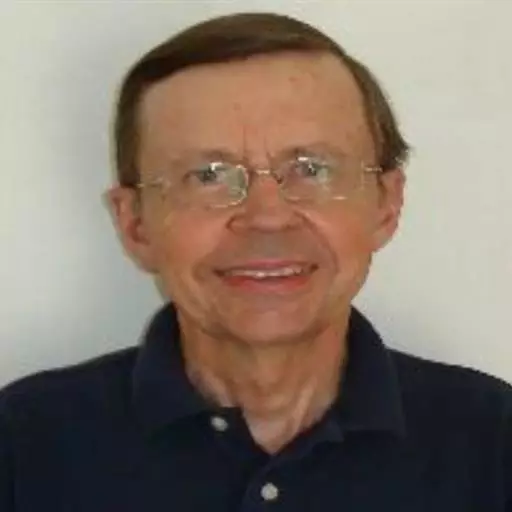
Alex Dodson serves as president of Watchmen Radio Ministries International and as a staff evangelist. He has been in the gospel ministry for over thirty years. He was ordained in 1974 and has served as both a pastor and evangelist. He is a graduate of Reformed Theological Seminary and is presently a member of International Ministerial Fellowship. He has also done postgraduate studies at the School of World Mission at Fuller Theological Seminary. He and his wife Susan live in Portland, Oregon in the beautiful Northwest.
Contact Watchman Radio Hour with Alex Dodson
home@watchmenradio.org
Watchman Radio Hour
P.O. Box 13251
Portland, OR 97213