

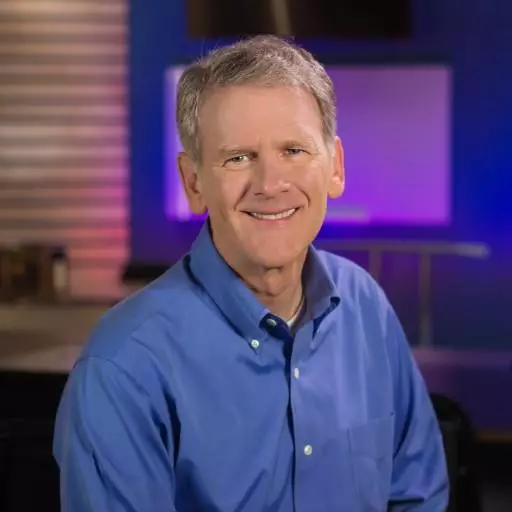
Our Living Legacy - Part 2


Pastor Bryan shares the second half of a lesson from Psalm 112. We see in this passage that while this life will fade away, there are some things that will remain forever.
Bryan Chapell: What you need to understand is that God is saying, someone else will lift up this man's honor. He is being rescued by another. His horn, his dignity, his life's honor, is being lifted up. He's not doing it.
Someone else is doing it. It is the great reminder that we are made right before God. We are remembered and our righteous maintained, not by the work of our hands, but by the goodness of God who rescues us from our own unrighteousness.
Announcer: So glad you joined us for today's Unlimited Grace, the audio broadcast ministry of Pastor and Author Bryan Chapell. In today's episode, Pastor Bryan shares the second half of a lesson from Psalm 112. We see in this passage that while this life will fade away, there are some things that will remain forever. You can find this lesson and many others when you visit unlimitedgrace.com. And while you're there, look for Pastor Bryan's book, The Multi-Generational Church Crisis. This compelling book asks the question of the church, what could be accomplished in the name of Christ, if we could better understand each other? Let's hear now from Dr. Bryan Chapell, as he shares the second half of the lesson, Our Living Legacy.
Bryan Chapell: I want to ask if you would look with me in Psalm 112 this morning as we think of God's work among his people. This Sunday, I'm starting a Summer Psalms series. A way in which we think about spiritual fitness for God's purpose.
Now you know that summer is often a time for many people to be getting physically fit, right? You got to fit into that wedding dress. You got to get ready for that last foray onto the sports field for one more moment of glory, right? Or fit into whatever form of Spandex you have to fit into. And so, you know, we go to the gym and we work and we hear the music, you know, that supposedly goes with the beat to get us to exercise and hopefully get physically fit.
Well, you recognize the music of scripture is the Psalms, right? That's that's scripture's playlist as God is getting his people fit to glorify him. As I told my wife Kathy that we would be working through the Psalms this summer and I trust even in future summers. She said, you know, I so love the Psalms. Because in the Psalms, people say things that you wouldn't think you could say unless it were in the Bible.
Do you know why that's the case? Because almost all of the Bible is God declaring to us who he is and what we should do as a consequence. But the Psalms are more frequently the heart's response to the truth of God. And sometimes the heart's response is questioning. And sometimes it's even anger, and sometimes it's thanksgiving, and sometimes it's to ask for help. Over and over again, the Psalms are saying what we wish we could say if we could. And the Psalms say, not only can you ask that, God's people have. He lets them so he can show his great grace even to the people who respond in these ways.
Let's see how the Psalmist talks to us that we might respond to God. Let's stand and I will read Psalm 112. Because it lets our hearts respond to the great grace of God. Psalm 112. The Psalmist says, "Praise the Lord. Blessed is the man who fears the Lord, who greatly delights in his commandments. His offspring will be mighty in the land. The generation of the upright will be blessed. Wealth and riches are in his house, and his righteousness endures forever. Light dawns in the darkness for the upright. He is gracious, merciful and righteous. It is well with a man who deals generously and lends, who conducts his affairs with justice. For the righteous will never be moved. He will be remembered forever. He is not afraid of bad news. His heart is firm, trusting in the Lord. His heart is steady. He will not be afraid until he looks in triumph on his adversaries. He has distributed freely. He has given to the poor. His righteousness endures forever. His horn is exalted in honor. The wicked man sees it and is angry. He gnashes his teeth and melts away. The desire of the wicked will perish."
Let's pray together. Heavenly Father, we thank you that we can address you that way. That you have shown the perfection of your fathering in providing for your children what they most need, a way into your arms. And the way you did that is through the Lord Jesus Christ. And we pray that even this day, as we consider what it means to be fathered by you, that you would so work in our hearts that we would be led away from self and to the Savior, and understand how great is your heart toward us in providing him. We pray in Jesus' name. Amen.
Please be seated. Some years ago, I had the opportunity to participate in the funeral service of a well-known Christian. His name was Stu Peren. He was a pastor. And the one who was delivering the eulogy, the funeral sermon, was his son, who is also a pastor. And the son gave a little of the life history of his father. His father, growing up in the upper Midwest, had been raised by parents at the time that some of the influenza epidemics were crossing this country. And when he was still a boy, Stu lost both his mother and his father to an influenza epidemic. So he was he was raised by his grandmother.
But not too many years after his grandmother took over his upbringing, she too contracted a terminal illness. He was going to lose her too. And as he was losing this grandmother, at some point she called him to her bedside. And she said, "My child, I do not have things of this world to give you. But this word of God I share with you. Do not fear, I am with you. Do not be afraid, I am your God, declares the Lord. I will uphold you by my righteous right hand," declares the Lord. The words of Isaiah 41:10.
And she passed onto the child the the message of faith. Now, as Stu's son was preaching the funeral sermon and told that account of how that grandmother had passed to her grandson the message of faith, not only did that particular son recite the story, but his brother, another pastor, nodded his head. He knew the story. And their spouses nodded their heads. They had heard the story. And their children nodded their heads. They knew the story.
Now just think of that. A grandmother had passed to her son's son the testimony of faith. And that son had passed to his son's the testimony of faith, and now their children knew that same testimony. Five generations knew the testimony of faith from that faithful grandmother. Listen, her goods and in many ways her memory had passed away long ago, but the testimony of faith had been maintained in that family. The generations of the upright were blessed.
I don't know how many things you think you can do in this life that will last five generations. Not many. But God's promise is greater. He is promising that when we are faithful, that he will use that to touch life upon life upon life, so that ultimately the annals of heaven, what will happen is the righteousness that we are establishing will endure forever. We do it not only because the righteousness endures. There's there's actually something even better said. It it occurs halfway through the Psalm at the end of verse 6. Now again, describing the righteous man, verse 6 says, "The righteous will never be moved. He will be remembered forever." Not not just the righteous action.
But it says the righteous person will be remembered forever. Again, it sounds impossible. I mean, you and I have walked in the graveyards where the names are carved in stone, and even now we have trouble reading them. Because the names are being erased by the weather of the world. How can it possibly be that the person would be remembered forever? I mean, I know you can trace a long way back on ancestry.com. But you can't go all the way back. There are many names you will never know and will not be remembered by anyone in this generation.
And yet it is so precious to us that God is saying, "I remember you." The world may forget, but I will remember those who stand for righteousness in this world. I so much want that. Because I ultimately do not want to be remembered for my accomplishments, for what I do. Listen, I don't know what you've accomplished in life. Even if you've accomplished a great deal, I will tell you, if you are truly honest, you will confess that if you have accomplished a great deal, it's because the right things happened at the right time by the grace of God.
You have known smarter people who have not done as well. And you have known better people who have suffered more. If you have been blessed, it is by the grace of God. Ultimately, I don't want to stand before God and be remembered for what I have done. And time after time, God is reminding us of the ephemeral nature of our own works so that we will recognize how blessed it is that he remembers us.
Some of you may know the verse Malachi 3:16, not John 3:16, but Malachi 3:16. In that particular verse, it describes the hosts of heaven speaking to one another. And God listens in. And then at some point there is taken out what is called the scroll of remembrance, whereupon are written the names of those who fear and honor the name of God. That that when earth's records fade away, that there is a record in heaven of those who have honored God, and that doesn't fade away.
You can work for a company for 30 years and three weeks after you're gone, they do not know your name. You can be forgotten by your company, you can be forgotten by your family, you can be forgotten by your country. You can be forgotten by your church. And God says, "I remember you." God does not forget.
Announcer: You're listening to Unlimited Grace, the audio broadcast ministry of Pastor and Author, Bryan Chapell.
Bryan Chapell: You can be forgotten by your company, you can be forgotten by your family, you can be forgotten by your country. You can be forgotten by your church. And God says, "I remember you." God does not forget.
And our knowledge of what is precious to him is held in his heart, including us. Makes us willing to live for him when the world says it is foolish. It's it's hard for me at times, I must tell you, to visit my own father these days. I mean, all my life, my father has been one of the smartest, most generous, gregarious, fun people to be around that I have ever known. And now when I see my father as I did a couple of weeks ago, where the heart disease and the kidney disease and the more recent stroke have taken energy out of him, and at times even the ability to remember his children's name. I grieve for that. And rejoice that God knows him. And more than that, right now, I remember what's been precious about him.
I remember during the older years of my high school years, how my family was really struggling. And my dad got this this great opportunity for a promotion in Kansas City where he could move and make better income and have a, you know, more prestige in his title. And he turned it down. "Dad, why are you doing that?" "Because our family needs stability more than it needs income right now," he said. So we're staying here.
He gave up what was best for him. One day I'll forget that too. As much as I treasure that knowledge of my father sacrificing for his family, I will one day forget. God will not forget. It makes us willing to do whatever we need to do. It is why as the psalmist describes the righteous man, the one who truly understands, he is the fulfillment of the purposes of God, that he is at the end of verse 4, willing to be gracious and merciful. Why in verse 5, he deals generously and lends. The world may say that's foolish, that's wrong, but he says, these resources are from God. I'm going to make them count for the purposes of God, and God will remember even if the world does not.
Verse 9, he gives to the poor. Because the poor can give back? No. Because it's an eternal act that God will remember as much as he remembers the man who lives in righteousness for the purposes of God. It's a blessing to know that the world may disdain it or forget it, and God remembers. Not just the act, but the person himself.
But now we have a problem. If I think about the actions of my life, I must tell you that they are not always righteous, and my guess is you will think the same about yourself. So if the reason that God remembers things is because the act is righteous, or the person is righteous, we're all in trouble. And so one more thing is said in this passage that is so beautiful and dear to us. It's two-thirds of the way through the passage. It's at the end of verse 9. God again is describing through the psalmist, the righteous man. And it says again of him, in the middle of verse 9, "His righteousness endures forever." Now we've heard that before. That's not new.
But then this phrase follows, "His horn is exalted in honor." Now that is strange wording to us. And it will say down in the footnotes of some of your Bibles, that the horn is a person's dignity, their significance, or their life's honor. What you need to understand is that God is saying, someone else will lift up this man's honor. He is being rescued by another. His horn, his dignity, his life's honor, is being lifted up. He's not doing it. Someone else is doing it. It is the great reminder that we are made right before God. We are remembered and our righteous maintained, not by the work of our hands, but by the goodness of God who rescues us from our own unrighteousness.
It's incredible how way back in the Old Testament in this Psalm, that the grace of God in gospel form is being unfolded. So that as you read Psalm 112 and you read just about righteousness, you you can kind of kind of pump up your suspenders and say, well, good, I'm going to be remembered unless you know there's not cause for that. In which case this Psalm is terribly depressing. It's only the righteous that will be remembered, and I might not meet that qualification.
And then you need to remember that while I read to you Psalm 112 by itself, no good Hebrew would do that. It is a tandem Psalm. It is meant to be read with another that is Psalm 111, the Psalm that precedes it. All of Psalm 112 is about the blessings to the righteous man. All of Psalm 111 is about the honor of a righteous God.
What does the Psalmist say about God in Psalm 111? Just verse 3 might help you. Psalm 111 in verse 3, "Full of splendor and majesty is his work. And his righteousness endures forever. He has caused his wonderful works to be remembered. The Lord is gracious and merciful." The words, "his righteousness endures forever," that were applied to the righteous man, came out of Psalm 111 describing the righteous God.
It actually happens ten times between the two Psalms that some attribute of God is described as being applied to the righteous man. It's not just a holy rescue. There has been a holy transfer. As God in his grace takes the attributes that are his own and he applies them to the righteous man. It's what we learn about more fully in the New Testament. God made him who knew no sin to be sin for us, so that in him we might become what? The righteousness of God.
Because I earned it? Because I deserve it? No. But because God in his grace has said, "I will provide for a people who cannot provide for themselves." And what God is doing to his people, to fathers, and to mothers, and uncles, and aunts, and we who live in faith before the others is saying, "You need my grace. I will preserve your righteousness. You need my strength to do that. And when you have not lived the righteousness you know you should, you need my forgiveness, so that my righteousness becomes your own." And when you know that he has picked you up again and brushed you off again and called you his own again, you know what you want to do?
You want to live for him. And produce the righteousness that endures forever by his great blessing and grace. Roy Atwood describes the end of his father's life, when he began to understand his lack of self-sufficiency. Atwood writes this, "In his state of almost complete physical and spiritual dependency, God turned my father to Jesus Christ and his sufficiency." We will not soon forget how dramatic and obvious was the change in his life. Listen to the holy transfer. "His anger was replaced by joy, his bitterness by tenderness, his hardness by a gentleness of spirit. His final years as a faithful Christian man, husband, father, grandfather were his finest."
But even these will fade with time in our memory. So what will be my father's legacy? My father's legacy to his children's children will be that God's grace and covenant faithfulness were sufficient even for a man whose face and voice have faded from our memories. Because Christ's person and work that came to life in that person will endure forever. This is the promise of God. As we bring that reality of the righteousness of God into our families, despite our weaknesses, our sin, our frailty, that God begins to show his faithfulness in such a way that as we respond with love for him in faithfulness to him, God makes that righteousness endure forever. It is the promise of his grace and the wonder of the Gospel, that he uses people like us, fathers like us, to make his righteousness endure forever. So we live for him. What a blessing, what a joy, what a privilege, what a promise, that living for him endures forever.
Announcer: That's Pastor Bryan Chapell, and you've been listening to Unlimited Grace. If you've been blessed by this message and would like to hear more from Dr. Chapell, I would encourage you to visit unlimitedgrace.com. Please be sure to join us next time as once again, we endeavor to put Christ at the center of our efforts so that lives might be transformed by his Unlimited Grace. This ministry is brought to you by Unlimited Grace Media and continues to be made possible with your generous financial support.
Featured Offer

In Bryan Chapell's book, you will learn how God's unlimited grace leads us to heartfelt obedience and transforming joy. Explaining why grace is important and giving us tools to discover it in all of Scripture, Unlimited Grace helps us to see how gospel joy transforms our hearts and makes us passionate for Christ's purposes.
Past Episodes

Featured Offer
In Bryan Chapell's book, you will learn how God's unlimited grace leads us to heartfelt obedience and transforming joy. Explaining why grace is important and giving us tools to discover it in all of Scripture, Unlimited Grace helps us to see how gospel joy transforms our hearts and makes us passionate for Christ's purposes.
About Unlimited Grace
About Bryan Chapell
Bryan Chapell, Ph.D. is the Stated Clerk Pro Tempore of the Presbyterian Church in America (PCA), based in Lawrenceville, GA.
Dr. Chapell is an internationally renowned preacher, teacher, and speaker, and the author of many books, including Each for the Other, Holiness by Grace, Praying Backwards, The Gospel According to Daniel, The Hardest Sermons You’ll Ever Have to Preach, and Christ-Centered Preaching, a preaching textbook now in multiple editions and many languages that has established him as one of this generation’s foremost teachers of homiletics.
Dr. Chapell is passionate about sharing the truth of God's grace with others, because it provides the freedom and fuel for transformed lives of joy and peace.
He and his wife, Kathy, have four adult children, a growing number of grandchildren, and lives rich with friends, fishing and faith.
Contact Unlimited Grace with Bryan Chapell
info@unlimitedgrace.com