

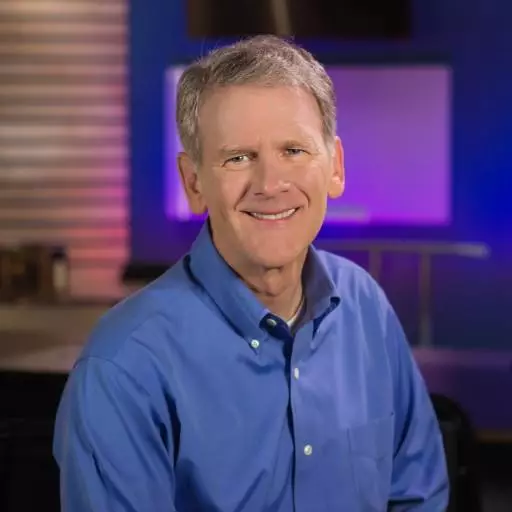
I Am The Bread of Life - Part 1


Pastor Bryan shares a lesson from John 6. Dr. Chapell investigates the words of Jesus to the disciples as He reveals the way to eternal life.
Bryan Chapell: God is saying, I will offer you eternity, that which endures, that gives you the life you want of true satisfaction, not based on the ephemeral and passing things of this world. I offer it to you as a free gift, and the way in which you receive it is by believing in what I offer, not what you do.
Announcer: So glad you joined us for today's Unlimited Grace, the audio broadcast ministry of pastor and author Bryan Chapell. In today's episode, Pastor Bryan shares a lesson from John chapter 6. Dr. Chapell investigates the words of Jesus to the disciples as he reveals the way to eternal life. You can find this lesson and many others when you visit unlimitedgrace.com. And while you're there, look for Pastor Bryan's book, The Multi-Generational Church Crisis. This compelling book asks the question of the church, what could be accomplished in the name of Christ if we could better understand each other? Let's hear now from Dr.
Bryan Chapell as he shares the lesson, I am the bread of life.
Bryan Chapell: Well, before you run to the exits, let's remind ourselves why people are going to run away from Jesus by the end of this text. The reason this passage is so controversial, it's one of the key places in Scripture where there is that great tension being put before us of how much of our salvation is human responsibility and how much of it is divine responsibility, and how do those balance out? And by the time Jesus has talked about the tension and some of the resulting problems, you must know that it says by verse 66 of the same chapter, after this, many of his disciples turned back and no longer walked with him.
Uh-oh. We're helped by remembering, perhaps more than anything else, what would be the question on the minds of those who've been following Jesus as they see some walking away. What questions would be in their minds? If I choose him, might I lose him too? If he chooses me, might he lose me? And it's those questions more than any other that Jesus is answering in this account. Maybe before we get wound up in all the theological debates, we should just maybe hold to a simple image to think what Jesus is explaining to us in this passage. When my kids were little and growing up, one of the ways that we taught them here at Christmas time is we celebrated Advent, the days leading up to Christmas, by reading a different verse of scripture each night, and then as we would read a scripture about the coming of the Messiah, we would have our children place a creature or a character into our nativity set that was on top of the mantle.
Now here is the difficulty. The kids are this tall and the mantle is this tall. They couldn't reach it. So at the very time that we were asking our children to put the creatures and the characters into the nativity scene, we were playing elevator. You know what elevator is? All right, grab on, and then I would raise them up, which worked fine unless I raised my arm too fast or they dangled too long trying to put the piece in place. And then I would hear a child say, oh daddy, hang on to me. I can't hang on to you. What Jesus is saying to us is even if you can't hang on to him, he will hang on to you.
Even if you lose your love, he will not lose you. His love is greater. How do we know that's true from this passage? Because among the things that this passage is just telling us is about the generosity of the love of God. You see it right in the opening verses of Jesus' interaction with the crowd. You may remember what has happened. Jesus has fed the 5,000. He's walked across the water. Now the people have gone across the corner of the lake and meet him on the other side, and they say at the end of verse 25, "Rabbi, when did you get here? Because we didn't see you leave at night." Verse 26, Jesus answered them, "Truly, truly, I say to you, you are seeking me, not because you saw the signs, but because you ate your fill of the loaves.
Why are you coming after me? Jesus is making it plain. They don't so much want the giver as the gift. They don't so much want the Messiah as a meal ticket. Why are you coming around here? Because you want more bread. The signs that declare me to be the Savior and Messiah are not so much what you want. You just want to fill your bellies again. And yet, despite knowing that, where you would think would just make Jesus mad, he doesn't get mad or get even. He gets generous. An expression of his heart that we need to see. Even though he knows what is going on, remember what he says in verse 27? Do not labor for the food that perishes, but for the food that endures to eternal life, which the Son of Man will give to you.
For on him God the Father has set his seal. What do they want? They just want a lunch loaf. And he is promising them forever food. That which would endure forever is what I'm offering to give you. You want to take advantage of me, and instead I am offering to you the goodness of God from heaven. I will offer you the bread that endures forever. And the reason I am willing to do that and that you should trust me is I have the seal of God upon me. Now, this is not the good housekeeping seal of approval. This is the good heaven seal of approval, where these signs that Jesus has been performing to this point in the Gospel of John are Jesus' affirmation that he has been sent from God and therefore has the assurances of God to teach what he is saying.
It's almost as though even in today's culture, you know, whether it's a Washington State Apple or an Apple computer, we still see the seal of the company endorsing that product saying, this has the guarantee, this has the pledge of those who sent it, that what this represents is true and right and good. And what Jesus is saying is, what I'm presenting to you, you can count on, and I'm offering you eternal food that is free. Look at verse 28. Then, excuse me, still in verse 27, do not labor for the food that perishes, but for the food that endures to eternal life, which the Son of Man will give you, for on whom, for on him God the Father has set his seal.
They said to him, what must we do to be doing the works of God? It's a familiar question. What must we do? Remember how the rich young ruler came up to Jesus on the road? What must I do to inherit eternal life? And Jesus reminded him, listen, eternal life is not something you do. The woman at the well, remember when she learned that Jesus was offering this well of water that would be a fountain in her, welling up to eternal life, she said, well, how do I get that? Do I worship on this mountain or on that mountain? And each time Jesus said, the things I'm offering you are spirit. They are not based upon what you do, but what God does.
Verse 29, to those who are saying, what do we do? Jesus answered, this is the work of God. This isn't the work of humanity. This isn't what you do. This is what God does, that you believe in him who he has sent. It's the central and essential message of the gospel that God is saying, I will offer you eternity, that which endures, that gives you the life you want of true satisfaction, not based on the ephemeral and passing things of this world. I offer it to you as a free gift, and the way in which you receive it is by believing in what I offer, not what you do. I mean, it's just as simple, of course, as what we say to a child who's playing elevator with us.
If we say, I want you to put that character or that creature up on the mantle, you see eyes grow wide in dread. I can't do that. And then the parent says, trust me. Believe in me. I will get you there. And it's the very thing that Jesus is saying here to the people. I'm not asking you to trust in what you do to get the bread of eternal life. Trust me. Believe in me instead. And if you will believe, this eternity that you want, this goodness that you want will be yours, not based on what you do, but belief in what I do. The simple fact that belief is enough was driven home to me on that trip to China a couple of weeks ago.
I've mentioned to you, as I travel with various other church leaders from the United States, wherever we went, we had with us, from the Chinese government, the various watchers, the people who would go with us wherever we ate, wherever we traveled, just to make sure that, we were staying in line, doing what we were supposed to be doing. And they became so much a part of us without talking much or saying much that we almost became oblivious to them. I mean, it was kind of like, referees on a football field. After a while, you don't even really see them. One night, we did become aware of one. He was sitting at a dinner table with us, and various leaders were talking.
Thanksgiving was still ahead of us, so we were talking about our different Thanksgiving traditions. And one of the American leaders, just telling a story on himself, said, I have the most precocious little grandson. He said, he's just turned into a little philosopher. He said, last year at Thanksgiving, I just asked my grandson to pass the bread. And instead of passing the bread, he looked up and stroked his chin, and to the request, pass the bread, he said, what is bread? Now we all laughed the way you just did, but caught up in the moment was our watcher who was sitting at the table, who had not in any way declared himself or his beliefs, but to the child's question, what is bread?
Under his breath, even instinctively without thinking, our watcher said, the word of God. What is bread? The word of God. And without knowing it, declaring his belief to us, what did we certainly know? He was a brother. He believed. And even though he had kept it hidden, even though it wasn't out in front of everyone, the point was he believed the source of life was in the word of God. That one who was sent, not what we provide, but what God provides instead. It is what we have to say over and over to one another, because if we begin to depend upon what we do, upon our performance, upon the certainty of what we have done, we will doubt whether or not we are secure in heaven at all.
And so Jesus is saying to us again, you must believe, not do as the basis of what is your hope for a lifetime and eternity relationship with God.
Guest (Male): You're listening to Unlimited Grace, the audio broadcast ministry of pastor and author Bryan Chapell. It may seem hard for younger Christians to believe, but people over 50 were raised during an era when 90% of Americans identified as Christian. These older believers were once part of a majority group that understood the mission of the church was to take control of our culture, to halt its evils. At the same time, Christians under 50 have lived their entire lives perceiving themselves as a minority that needs to make credible their faith to a secular, pluralistic culture. These distinct experiences and perceptions have a profound impact on the priorities different generations have for church ministry.
It's no wonder that younger and older believers don't always see eye to eye. In his new book, The Multigenerational Church Crisis, Dr. Bryan Chapell asks the question, what could be accomplished in the name of Christ if we could better understand each other. This practical and hopeful book is backed by thorough research revealing how to open the lines of communication, appreciate the experiences that shaped each generation in your church, and unite in one mission to impact your community and the world. You can request your copy of The Multigenerational Church Crisis when you donate online at unlimitedgrace.com or by calling 844-41-Grace.
That's 844-414-7223. And now, more from Bryan Chapell on today's Unlimited Grace. Surely
Bryan Chapell: there's something that we're supposed to do to make things right with God. And that's just exactly what these people begin to ask, the Jewish people who are following Jesus. Verse 30, so they said to him, then what sign do you do that we may see and believe you? What work do you perform? Now, if you're saying that we only have to believe, that's a pretty broad thing for us to have to accept. So what work can you do to confirm that what you're saying is true? They then add this little kicker, verse 31. Our fathers ate the manna in the wilderness, as it is written, he gave them bread from heaven to eat.
Now you get what's going on? Why did they come around the corner of the lake to the other side? They want more bread. Jesus said, no, don't work for earthly bread. Believe in the provision of God for eternal bread. And they say, why should we believe that? What sign can you give us that we should believe you? After all, Moses gave us some wink, wink, wink. Moses gave us some what? Bread. If you can make a guarantee like that, we'll believe you. Now, you have to understand the irony of this question. What sign can you give us that we should believe you? Do you remember what had just happened the day before?
The feeding of the what? The 5,000. No, what was it? It was more like 20,000, which you can't not just the men, but you count all the people who were there. And that means Jesus is somehow produced, we don't quite understand it, 2,000 loaves of bread and 2 tons of meat. And they're saying, what sign can you give us? It's kind of like, going to your mom on the day after Thanksgiving and saying, why don't we ever have turkey? Okay. Were you here yesterday? Do you remember that 20 pound gobbler I spent all day? What do you mean, why don't we ever have turkey? We just had, you know. What do you mean, what sign am I going to do?
But Jesus doesn't get mad. Not only does he talk about the great generosity of the love of God, he begins to talk now about the certainty of it. Why you can trust the love of God is his provision of what we cannot provide for ourselves. If you'll continue in the account, he says, why should you trust God and not you? Verse 32. Jesus said to them, truly, truly, I say to you, it was not Moses who gave you the bread. Why should you not trust that human effort is what's going to save you? Because it wasn't even really Moses who gave you bread. Who did? My Father gives you the true bread from heaven.
For the bread of God is he who comes down from heaven and gives life to the world. Why should you believe that belief is the basis of your standing before God? Well, first of all, the bread that God gives is from God, it's not from you. Your subsistence, your life is based upon what God provides, ultimately, not what you provide. That's what happened with manna in the wilderness. That's what you should know. That you're taking in a breath, your subsistence is all dependent ultimately on the work of God and the hand of God. And so when the people hear Jesus saying, oh really, the bread that sustains us is the bread that comes down from heaven, then what do they say?
Do you remember? They say in verse 34, sir, give us this bread always. Oh really? There's bread that comes down from heaven that will sustain us? Well, give us that. Then what does Jesus say? I'm right here. I am the bread of life. Verse 35. Jesus said to them, I am the bread of life. Whoever comes to me shall not hunger, and whoever believes in me shall never thirst. He wants them to recognize that what is in him has been provided from God, and that is going to be what satisfies them in ways that they cannot be satisfied in any other way. I am right here. Listen, you didn't provide me. You didn't bake the bread.
You didn't buy the bread, but I'm here. And the message that so much is here right now is what God is doing to show you the certainty of his love for you is that Jesus is here. Think of what's being said to you and me as we now know it. The creator of the universe, the king of heaven, so loved his people that he would come and be small and dirty in our behalf. That he would go to a manger and he would take our sins upon him and die on a cross. Is there any evidence that we should trust him? That's the evidence. It's his work, not ours, that we should be trusting. Maybe you just have to be at life's extremity when you recognize the importance of that.
I just recognize the beauty of Major Diaz being here this morning and us thinking as a church, what does it mean to be kind of broken and hurting and wondering how you could ever make things right? And learn that it's God who does what you cannot do. And the reason you trust him is that he's made his love so clear by the work of his son. Last week, you don't need to know all the details, but I had opportunity to spend some time with a young man who had spent a lot of his life, his young adulthood, as a drug dealer, fathering children out of wedlock, maintaining his control over his life by violence and threats of others.
And he told me about his walk, as it were, into Christ's arms. And he began the story just by saying it this way, God had to save me, I couldn't save me. He said, I don't know why, but at some point I used to keep a King James version of the Bible in the glove compartment of my car. He said it wasn't because I knew what was in it or believed what was in it. He said, for me it was kind of like having a rabbit's foot. I kept the King James Bible in my glove compartment as a charm, hoping the police wouldn't arrest me. It was my good luck charm. But he said, one night, for reasons I don't even know, I just felt compelled to take it with me into my apartment, and I began to read the Gospel of John.
You should know that this Gospel of John that we've been looking at for the last several weeks has been known through the history of the church as the Gospel of the evangelist. That seems to be so much John's purpose is to say, this is what you need to know about the Savior. And this young man said he was just reading the King James Bible in his apartment, and as he read about what Jesus did in the Gospel of John, he said, I believed it. I don't even know why I believed it, but somehow God convinced me it was true. And he said, I went out into my apartment. He said, you have to know there were all kinds of people there because of what we were doing.
And he said, I just said to people, y'all are going to have to get out. And he said, they did because they knew I had the guns to make them get out. He said, they didn't even know why I was telling them to get out. He said, I just couldn't live that life anymore. I don't know why, but somehow God had a hold of my heart. He said, I took thousands of dollars worth of drugs, and I flushed them down the toilet. He said, I don't know how that happened. All I know is that Jesus saved me. Some of you know the necessity of why we have to say to people at times, listen, do not trust what you do. Believe in him.
Trust him. He is the one that will raise you up. It's not your work, it's not your competence, it's not your performance, it's his work in your behalf. Trust him. And there's a certainty that he is showing you about his love so that you will turn to him and you will trust him because his love is so great that he would come as a baby and then as a savior, as a sacrifice for you.
Announcer: That's Pastor Bryan Chapell, and you've been listening to Unlimited Grace. If you'd like to hear more from Dr. Chapell, you can find a collection of valuable resources at unlimitedgrace.com. When you visit, you will find today's message and many others from Pastor Bryan. Please be sure to join us next time, as once again we endeavor to put Christ at the center of our efforts so that lives might be transformed by his Unlimited Grace. This ministry is brought to you by Unlimited Grace Media and continues to be made possible with your generous financial support.
Featured Offer

In Bryan Chapell's book, you will learn how God's unlimited grace leads us to heartfelt obedience and transforming joy. Explaining why grace is important and giving us tools to discover it in all of Scripture, Unlimited Grace helps us to see how gospel joy transforms our hearts and makes us passionate for Christ's purposes.
Past Episodes

Featured Offer
In Bryan Chapell's book, you will learn how God's unlimited grace leads us to heartfelt obedience and transforming joy. Explaining why grace is important and giving us tools to discover it in all of Scripture, Unlimited Grace helps us to see how gospel joy transforms our hearts and makes us passionate for Christ's purposes.
About Unlimited Grace
About Bryan Chapell
Bryan Chapell, Ph.D. is the Stated Clerk Pro Tempore of the Presbyterian Church in America (PCA), based in Lawrenceville, GA.
Dr. Chapell is an internationally renowned preacher, teacher, and speaker, and the author of many books, including Each for the Other, Holiness by Grace, Praying Backwards, The Gospel According to Daniel, The Hardest Sermons You’ll Ever Have to Preach, and Christ-Centered Preaching, a preaching textbook now in multiple editions and many languages that has established him as one of this generation’s foremost teachers of homiletics.
Dr. Chapell is passionate about sharing the truth of God's grace with others, because it provides the freedom and fuel for transformed lives of joy and peace.
He and his wife, Kathy, have four adult children, a growing number of grandchildren, and lives rich with friends, fishing and faith.
Contact Unlimited Grace with Bryan Chapell
info@unlimitedgrace.com