

The God We Worship, Part 20


We have been called out to be a worshiping community. And every person who is a part of Christ's church; every believer in Jesus Christ is part of this worship community.
JP Jones: We have been called out to be a worshiping community, and every person who is a part of Christ Church, every believer in Jesus Christ, is part of this worship community. Not to us, but to your name be the glory. Yes!
Greg: Thank you for joining us on Truth That Changes Lives. Pastor JP Jones is the senior pastor of Crossline Community Church in Laguna Hills, California, and a professor in biblical studies at Biola University. Today on Truth That Changes Lives, Pastor JP will be giving us a message from a series entitled First Things First. Let's listen as JP gives us part 19 of The God We Worship.
JP Jones: If you have your Bibles, would you open to 1 Peter? 1 Peter chapter 2. We've seen in our study about worship that we worship God by presenting our whole lives to him as an offering of sacrifice, a surrender to him. We've seen that we worship God through a corporate praise and thanksgiving. We've discovered that we worship God through brokenness and repentance, and we talked about last week that we worship God through our tithes and through our offerings, through our sacrifices and our gifts to God. And this morning, I want us to look at a passage in 1 Peter chapter 2 that describes the integrity of Christ's church and how we've been created as worshippers and designed by God to offer worship, and specifically that worship is through declaring God's praises, declaring God's excellencies.
1 Peter chapter 2, verses 4 to 9 says this, as you come to him, the living stone, rejected by men but chosen by God and precious to him, you also, like living stones, are being built into a spiritual house to be a holy priesthood, offering spiritual sacrifices acceptable to God through Jesus Christ. And verse 9 says, but you are a chosen people, a royal priesthood, a holy nation, a people belonging to God, that you may declare the praises of him who called you out of darkness into his marvelous light. This section of 1 Peter 2:4 to 9 is really one of those passages in the New Testament that helps us understand the nature and purpose of Christ's church.
The word church is a Greek word that means it's ekklesia, that means called out ones, people who've been called out for a purpose. And the New Testament teaches this doctrine of the church. What is this new community of followers of Jesus Christ all about? What is God's purpose for his called out fellowship? And this is one of the passages that defines that for us, and it's defined for us in the language of worship. We have been called out to be a worshiping community, and every person who is a part of Christ's church, every believer in Jesus Christ, is part of this worship community. And the moment a person crosses the line and puts their faith in Jesus, they become a part of that worshiping community.
This morning, if you're here and you've been invited as a friend, as a guest, and you're trying to put together in your mind, what does it really mean to be a Christian? Well, it means to have a personal relationship with Jesus Christ, but the Bible tells us is that when you confess Jesus as the Lord of your life and come into that relationship with Christ, you are simultaneously connected to everyone else who has entered into that relationship, and you are also part of a community. And the church is a worshiping community. We have a whole new identity. This identity for us is defined in this passage when it says, you also, like living stones, are being built into a spiritual house to be a holy priesthood, but you are a chosen people, a royal priesthood, a holy nation, a people belonging to God, that you may declare the praises of him who called you out of darkness into his marvelous light.
These phrases are really significant because these are phrases that are used in the Hebrew scriptures to describe the nation of Israel. And what Paul tells us in Romans chapter 11, and Peter alludes to here in 1 Peter 2 through these analogies, is that now all people, Jew and Gentile, male and female, old and young, educated and uneducated, religious and irreligious, all people, when they come into a relationship with Jesus Christ, they, in a sense, are the inheritors of all that spiritual blessing that God gave to his people Israel. We haven't replaced Israel as the chosen people of God, but we've been included into the spiritual identity and blessing of Israel.
So these same distinctions that God identified with Israel are now used to describe every person who's come into a relationship with Jesus Christ and is a part of his church. We are described as living, spiritual, holy, chosen, royal. We belong to God. We're stones, we're a house, we're a priesthood, we're a people, we're a nation. We're a new community. That's our identity. Each of these terms are saying something about who you are as a follower of Jesus Christ, who we are as a local expression of this new community, the church. We're living stones. So the picture is that God is building a building.
He's building it out of living stones. Have you ever seen cheerleaders put together like a pyramid going up, or have you ever been together with a bunch of people, maybe your kids or when you were younger, and you kind of put people on a base and you try to put people on top and you put people on top of that, you tried to build a pyramid with people. God's building a spiritual house with people, not just stones, but living stones. His purpose is that we're alive and dynamic in our worship of him and experience with one another, and in our positive, contagious witness to the world of the reality of Jesus Christ, who is the living stone, you see.
It's a play on words. He's the living stone. We are living stones. We're a spiritual house. The Greek word here pneumatikos is used, which means spiritual. Pneuma is spirit, pneumatikos is spiritual. It's used over in 1 Corinthians 2:15 to describe the individual's relationship to the Holy Spirit. It says in 1 Corinthians 2:14 that the natural man does not receive the things of the Spirit of God. They're foolishness to him because he cannot understand them because they are spiritually discerned. And in contrast to that, it says, but he who is spiritual discerns all things. See, as believers in Jesus Christ, we've been born again by the Holy Spirit.
The Holy Spirit lives inside of us. We are spiritual, and collectively, we are a spiritual house. You've heard me say this before, kind of jokingly, but there's a real point to it. We're not just like the Kiwanis Club. We're not just a group of people say, hey, let's have meetings every week, and let's do it on Sunday mornings, and we'll have an agenda and follow some kind of order and call a meeting to order and close and leave. No, there's something real, living, dynamic, and spiritual about our fellowship and gathering because we are indwelt by the Holy Spirit. We're transformed by the Holy Spirit, so we are a spiritual house.
And as a spiritual house, we're a holy priesthood. Peter uses a term that's only used twice. It's used in the entire New Testament. It's used twice in this passage, priesthood. He takes the word for priest, and then he modifies it to mean the order of priests. God says that we, as new people in Jesus Christ, are like a order of priests, you see. See, the priest in the Old Testament was the only one who could actually enter into the real presence of God to offer sacrifices of worship. But now we, as an order of priests, personally, freely have that access to enter into the presence of God and to worship Him.
And we do that individually, but we also do that corporately. Our coming together as a community is a community expression of worship, like a community of priests coming into the very presence of God. And it speaks to the fact that we have direct access. That word is being used a lot now. Some of you computer geeks get that. In fact, the Windows 7 operating system has a function called direct access. I don't really understand all that it means, but I know it's different from indirect access. We don't have to go through some group, some church, some person in order to have access to God. We go directly to God.
We have direct access. And not only we do that as independent priests, we do that as a priesthood. That's the whole point. So now in the church, every person who's a believer in Jesus Christ has that individual relationship with God, but they come together because they're connected to a community of people who have that relationship with God. So we have a relationship with God. That's true of every local gathering of believers who are coming to God through Jesus Christ. It's not unique to Crossline, it's true of all the churches around here. It's true of Saddleback Church, Coast Hills Community Church, Coast Bible Church, wherever people are gathered in Jesus' name and are coming to God through Jesus, they are a community of priests, you see.
We are a chosen people, it says in this passage. God chose us. We've discussed this in looking at who is God and the nature of God and the sovereignty of God and the mystery behind that nature of sovereignty in terms of the doctrine of election and predestination. But in this passage, it's a corporate sense. We are a chosen people. God chose us as a people to be his. And he uses the word ginos for people. It's, it means a particular people. We are the particular people who've been chosen by God. And then he says, we are a royal priesthood. So he said we are a holy priesthood, but now we are a royal priesthood.
In other words, this implies not only that priestly function that we just talked about, but a priestly function because we're children of the king. We have a relationship with the king, Jesus Christ, who is the living stone. The Apostle John, in writing the revelation that he receives from Jesus Christ, wrote this in Revelation 1:6: All glory to him who loves us and has freed us from our sins by shedding his blood for us. He's made us a kingdom of priests for God his Father. All glory and power to him forever and ever. Amen. He adds to this, in this description of who we are, a new identity, that we're a holy nation.
This word holy is the word hagios, it's set apart, and now the word nation is the Greek word ethnos. So genos, we're chosen people, that's just like a particular group of people. Ethnos is the nations. When you see that in the Great Commission passage, go therefore make disciples of all the nations, that's ethnos. In the Hebrew scriptures, ethnos was the Gentiles as opposed to the Jews. We are a holy nation. And then lastly, he says, we're a people belonging to God. He uses another word, so he's used genos, a particular people, ethnos, the nations. Here is the word lahos, which means a people group, a tribe, or a specific cultural grouping, and we belong to God.
All of this, and especially this use of particular words here, ginos, ethnos, lahos, we are special to God as believers in Jesus Christ. We have a unique relationship with God in comparison to those outside of faith. Let me tell you, if you're here this morning and you've yet to come into that living and dynamic relationship with Jesus Christ, the blessings of salvation aren't just for you as a particular individual, they relate to you as becoming part of a family, part of a community, part of a larger people group that's been chosen by God. All of this is leading up to somewhere in this passage in 1st Peter, by the way, because he's telling us we have a unique, special, holy, elect identity, and that's going to set up what it is we should be doing in terms of living out that identity.
Peter says in this passage that we have a whole new purpose. Not only we have this new identity, we have a whole new purpose. In 1 Peter 2, verse 4 says, as you come to him, the living stone rejected by men, chosen by God and precious to him, you also, like living stones, are being built into a spiritual house to be a holy priesthood, offering spiritual sacrifices acceptable to God through Jesus Christ. So we have this whole new identity, and what is this purpose that is to flow out of this new identity? Well, we're to be coming to Jesus in worship. The Greek word here is proserkamai, to come to, to draw near, to approach.
The writer of the Hebrews uses this specifically in this language of worship. It says in Hebrews 4:16, therefore let us draw near with confidence to the throne of grace so that we may receive mercy and find grace to help in our time of need. In Hebrews 10:22, it says, let us draw near to God with a sincere heart in full assurance of faith, having our hearts sprinkled clean from an evil conscience and having our bodies washed with pure water. See, it's this idea of drawing near in worship. We are to be coming to Jesus and drawing near to Jesus in worship. And let me ask you, is that why you came here this morning?
Did you come here this morning because you want to draw near to Jesus? You might be thinking, well, why else did I come? Well, you could have come here because your wife dragged you here, that's why, guys. You could have come here because that's just what you do on Sunday mornings. You've been doing it for a long time, and it's what you do, just out of habit. I just go to church on Sunday mornings. You could be coming here because you wanted to hear great music. You could be coming here because you wanted to hear very intellectually stimulating teaching. I mean, there's a whole variety of reasons why we might be here, but based upon our new identity, our purpose for being here is to draw and enter Jesus.
Is that what you're doing? Are you here because you want to seek to know Jesus Christ? You want to grow in your understanding of him. You want to be close to him. You want him to change your life. You want to develop a relationship with him. Maybe you've come here, and hopefully if you're here for the first time, you've come here because you want to get to know him, because you haven't known him. But worship is based upon this purpose of drawing near, coming to Jesus, the living stone. And in doing so, we're told by Peter that we are being built into a spiritual house to offer spiritual sacrifices.
You see, we're a holy priesthood. What do priests do? They offer sacrifices. We are a holy priesthood offering spiritual sacrifices that are acceptable because of Jesus. So what are the spiritual sacrifices? We no longer take animals and offer them, which were a picture in the Hebrew scriptures of atonement and offerings to God. No, we have other forms of spiritual sacrifices, and we've looked at them. We offer sacrifices of praise, we offer sacrifices of thanksgiving, we offer sacrifices of good works, we offer sacrifices of our finances, we offer sacrifices of ourselves, surrendering ourselves to God, which is our spiritual act of worship.
You see, we are a community, a spiritual community, a holy priesthood that has been given this purpose of offering sacrifices to God. It's our identity. We are a new people, a holy nation, a people for God's own possession, a royal priesthood, a holy priesthood, a spiritual house, and we're called to offer spiritual sacrifices. So this is not just something that's being described here in this passage of what we do privately and personally. that's a part of it, but it's what we as a corporate entity, as a community, what we gather together for, why we exist. We exist as worshippers, because that is consistent with our identity.
Now, Peter in this passage tells us how this is to be expressed. What is this sacrifice in this passage that is unique to this new identity and to this purpose. Here's a third observation. It's our new calling. Our new calling. But you are a chosen people, a royal priesthood, a holy nation, a people belonging to God, that you may declare the praises of him who called you out of darkness into his marvelous light. That little word that in English is a purpose clause. It describes the reason why what's been said before has been said. Well, what's been said before? It's our identity and our purpose.
Our identity is that we're this new spiritual house. We're a royal priesthood, a holy priesthood, a holy nation, a people for God's possession, a chosen people, all that stuff. And our purpose is that we are being built as a spiritual house to offer spiritual sacrifices that are acceptable to God through Jesus Christ, that, there's the purpose, we may declare the praises of him who called us out of darkness into his marvelous light. When we declare God's praises, we are fulfilling the calling that we have as believers in Jesus. When we declare God's excellencies and God's praises and God's greatness, That's the sacrifice of worship that fulfills this new identity of being a spiritual house, a kingdom of priests offering spiritual sacrifices.
The word here for declare is the Greek word ekangelo. It's the only time it's used in the New Testament in this one passage. The verb angelo means to announce. The noun angelos, angel or messenger. Angelo, to announce as a messenger. Ecangelo, to announce out, to proclaim out, to declare, to announce. We have been called to announce, to declare, to proclaim the excellencies, the praises of God. The word praises here in the NIV is the Greek word arete. Arete, outside of a religious context, means virtue or excellencies or excellent character. It was a word that had great significance in Greek culture because it was what a Greek citizen aspired to, to have arete.
When it's used of the deity, it takes on a little different significance. The arete of God is his excellent character, great worth, awesome nature, all that encompasses how great God is, his praises, you see. And that's what we're to declare, that's what we're to proclaim, that's what we're to announce. That's what we've been called to by, because we have this new spiritual identity. We're not the Kiwanis Club, we're the Church of Jesus Christ. We're a spiritual house. We're a royal priesthood, a holy priesthood, a people for God's own possession. We were people chosen by God, and we've been given this new purpose, which is to offer spiritual sacrifices.
And what are those spiritual sacrifices? Declaring the praises of God. That's how we worship God, by declaring his praises, announcing his praises, proclaiming his praises. You see, when we give ourselves to this, and this really consumes us, and it consumes us personally, individually, and then it consumes us when we come together, then declaring God's praises gives him the glory that he deserves. And declaring God's praises renews our minds, strengthens our faith, and gives joy to our souls. Declaring God's praises encourages other believers and gives them hope, and declaring God's praise proclaims the way of salvation to the lost.
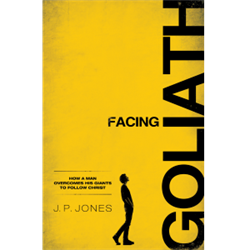
Greg: What a great message for all of us today. Pastor JP provides us with great insight. That is why we'd like to make it available to you on CD. Just get in touch and mention today's date. We'll send it your way for just 5 dollars. Or if you'd like to support this ministry, you can write us at Truth That Changes Lives, 23331 Moulton Parkway, Laguna Hills, California, 92653, or give us a call at 949-916-0250. That's 949-916-0250. For your gift of 25 dollars or more, we will send you a signed copy of JP's new book, Facing Goliath. Please join us every Sunday at 9 or 11 a.m. at Crossline Church in Laguna Hills.
The address is 23331 Moulton Parkway, Laguna Hills, California, 92653. Or check us out on the web at CrosslineChurch.com. We're going to get to the address and phone number again in a moment, but before we do that, Pastor JP, do you have any insight from today's message?
JP Jones: Thanks, Greg. We're in a whole series about worship, worshiping the true God with true worship. And the New Testament is filled with principles about who God is and how we are to worship him. In 1 Peter chapter 2, the church is described as this organic building that's being built up by the Holy Spirit, and we are members, stones who are part of the larger structure. Jesus himself is the cornerstone, and every stone is a living stone because we've been made alive through our faith in Jesus Christ, and the whole building is being built up as a house of worship for God. And so we are worshippers who worship the true God, and true worship, true worship that honors God, that blesses God, is an expression of his praise and a declaration of his salvation.
In fact, describing who we are because of what Jesus Christ has done for us, Peter says in 1 Peter 2:9, you're a chosen people, a royal priesthood, a holy nation, God's special possession. That's who we are. He's taken language that was descriptive of the nation of Israel, and it's been transferred over into the church. We are, in this sense, in this particular sense, the spiritual descendants of Israel. We worship God, we proclaim God, we are a new community of worshippers, and what we're to do, we're told here in 1 Peter 2:9, is to declare the praises of him who called us out of darkness into his wonderful light.
Worship involves praising God, praising God directed back to him. So praise is a communication with God. We are, we're telling God who he is. We're agreeing with God about what's true about him. Praise is a communication among ourselves, so we are speaking to one another the greatness of God. We're imparting to one another a God-sized vision. We're encouraging one another with who God is. And praise is proclamation. It's evangelism. We're proclaiming to the world the awesome character and nature of God. Worship, worshiping the true God, true worship involves praising and declaring the greatness of God.
That can be brought down to the personal level, our each individual relationship with Jesus Christ. Are you living a life today of praise? Are you praising back to God? Are you praising to fellow believers? And are you praising to the world the greatness of God? That's our challenge as worshippers. Lord, thank you so much that you are so worthy of our praise, that you've called us out of darkness into your light. May you empower us by your spirit to be a people of praise who worship you. In Jesus' name, amen.
Greg: We want to help you in your relationship with Christ. Please get in touch with us at Truth That Changes Lives, 23331 Moulton Parkway, Laguna Hills, California, 92653, or call us at 949-916-0250. On the internet, you will find us at crosslinechurch.com. We hope to see you at one of our services every Sunday at our new campus in Laguna Hills. For more information and directions, please go to crosslinechurch.com. Please join us next time on Truth That Changes Lives.
Featured Offer
Past Episodes

Featured Offer
About Truth That Changes Lives
About JP Jones
JP Jones is the founding Senior Pastor of Crossline Church in Laguna Hills, CA. Beginning with 16 people, Crossline has grown to a congregation of over 2,000 in 10 years. This growth has come largely through people receiving Christ and joining the church. JP is a dynamic and articulate Bible teacher with a passion to see people come to Christ and grow into being multiplying disciples for Jesus. JP began his ministry career with Campus Crusade for Christ and continues to have a heart for the Great Commission. Traveling on mission trips all over the world, JP preaches the gospel and trains pastors to be reproducing spiritual leaders.
For the past 25 years, JP has been an Adjunct Professor of Theology and Biblical Studies at Biola University and Talbot School of Theology. A published author, JP has written Facing Goliath by Baker Books and the discipleship curriculums, Transformed and Livin’ Large by Life Together. JP is a popular speaker at Men’s Retreats and Couples Conferences. JP is married to his wife Donna and they have 3 children. JP loves family vacation, the beach, Ultimate Fighting and a good cup of coffee.
Contact Truth That Changes Lives with JP Jones
info@crosslinechurch.com
http://pastorjpjones.com/
23331 Moulton Parkway
Laguna Hills CA 92653
(949) 916-0250