

It's All About Faith, Part 1


Biblical faith is believing, it is acting upon what you believe, but it's believing the right thing! What you believe in is the determining power or engine behind your faith!
JP Jones: Biblical faith is believing, it is acting upon what you believe, but it is believing the right thing. What you believe in is the determinative power or engine behind your faith.
Guest (Male): Thank you for joining us on Truth That Changes Lives. Pastor JP Jones is the senior pastor of Crossline Community Church in Laguna Hills, California, and a professor in biblical studies at Biola University. Today on Truth That Changes Lives, Pastor JP will be giving us a message from a series entitled Galatians. Let's listen in as JP gives us part one of It's All About Faith.
JP Jones: If you have your Bibles, would you open to the book of Galatians, Galatians chapter 3. Continuing our study in this book, which is such a powerful statement of the truth of the gospel: that we are saved by grace alone through faith alone in Christ alone. Those foundational truths ring in every chapter of the book of Galatians. This is, in most people's scholarly opinion, the first letter that the Apostle Paul wrote, and it establishes the foundation of the gospel of Jesus Christ. That it is by grace alone, it is through faith alone, it is in Christ alone that we are saved.
In Galatians chapter 3, the Apostle Paul continues with this theme, and he stresses over and over again through various logical arguments, through several quotations of the Hebrew Scriptures, and through some personal examples how faith is the means that we've been introduced into the Christian life, and faith is the means that we continue to grow in the Christian life. Paul would like that song that came out a few years ago, "You Gotta Have Faith." "You Gotta Have Faith." That's what it's all about.
Most of us, if we've been around the Christian life for any amount of time, resonate with that. We understand that, and even if we're here, we're curious and we're asking questions, we understand that something about religion has to do with faith. The problem is the way most of us think about faith is different than what the Bible says when it addresses the issue of faith.
When I first became a Christian, I was in high school, and the only guy I knew that was a Christian went to this little Baptist church, so that was the first church I started going to. I remember the preacher, who had come from Texas, and at this time in his life, it was his last pastorate. He was about 80 years old, and he was still pastoring a church. He told a story about how when he was a young man, there was a pastor in Texas who was talking about this importance of living by faith, and he stood before his congregation in this church, and he was standing up on the platform, and he said, "We need to come to God on the basis of faith, and we need to live by faith," and everybody kind of shouted "Amen" in Baptist fashion out of Texas.
Then he said, "Let me ask you: how many of you believe, have faith, that if I jumped off the platform onto the communion table," which was sitting right there in front of the pulpit, he said, "how many believe if I jumped off the platform onto the communion table that it would hold me up?" A few of them raised their hand and said, "Amen." He goes, "How many really believe that if I jump off the platform onto the communion table, it'll hold me up?" Then everybody said, "Amen" and all raised their hands. He said, "Now, just believing that it can hold me up isn't really faith." He went on to explain what the Bible said about faith was acting upon what you believe. It's not just saying you believe something, but acting upon it.
So, then, in theatrical fashion, he jumped off the platform onto the communion table. When he did, the legs exploded out and the whole table just fell apart right in front of everybody. Bam! Then he didn't know what to do because his whole little illustration got shot. But if he had the quick wit of your pastor, you see, he would have said, "Now you see, it takes more than acting upon your faith. You gotta put your faith in the right object." Biblical faith is believing, it is acting upon what you believe, but it is believing the right thing. What you believe in is the determinative power or engine behind your faith.
You can have all kinds of belief in wrong stuff and it gets you nowhere with God. You can act upon it. I mean, in the Old Testament, good grief, there weren't any more sincere people, faith-driven people, than the prophets of Baal when Elijah stood up on Mount Carmel and all of Israel was watching. All these prophets of Baal, they were jumping around. They didn't care if they were embarrassing or not. They were cutting themselves, they were crying out, they were doing all kinds of stuff to act upon their faith. They just had faith in Baal, and it did nothing for them.
Elijah had faith in God and miracles were released. So, biblical faith is intellectually accepting and believing what it is that God has said, what it is that God has revealed, and it is acting upon it, but the object is always God and his word. God and his word. In Galatians chapter 3, Paul is saying the object of our faith is God and what he has revealed about salvation and about living the Christian life. That's the object. We accept that, we believe that, and we act upon it.
There is a dynamic of life transformation. There is, in the language that we use around here, there is a point where we cross the line and act upon what we believe about Jesus Christ and accepting his forgiveness and following him and, having crossed the line, we keep on walking, keep on crossing lines. We keep on living by faith. That's what Paul is addressing in Galatians chapter 3. So, this morning, wherever you have been in your spiritual journey, this really is a message for you. It's a message for me because God's calling every one of us to live by faith, to put our focus on God and what he's revealed, to accept that, and to act upon it.
For some of us, that might mean that this morning, for the very first time, we cross the line and we accept Jesus as our Lord and Savior. We allow God's grace to change us from the inside out. We put our faith in that and we act upon it, we trust in that, and we're born again spiritually, as the Bible says. For others of us, maybe we've already acted on that truth. Maybe we're already living by faith in that truth, but there are other areas of our lives that we need to surrender to God and act upon in faith, to believe him and take him at his word and act upon that belief. Living by faith.
You gotta have faith. Here's some thoughts out of this. Paul seemingly touches on one topic, then comes back to another, then moves to another. So, rather than kind of going through this systematically, I'm looking at Galatians chapter 3 and I'm looking at four things. The first one is this: the example of Abraham because Abraham was the man of faith. Abraham is the man used throughout the Hebrew Scriptures and the New Testament to talk about a guy who came to God on the basis of faith and was accepted because of his faith. So, Abraham is the great example to both Jew and Gentile of what it means to be a person of faith.
This is what Galatians 3 says about Abraham. Verse 6, "Consider Abraham: He believed God, and it was credited to him as righteousness. Understand then, that those who believe are children of Abraham. The scripture foresaw that God would justify the Gentiles by faith, and announced the gospel in advance to Abraham: 'All nations will be blessed through you.' So those who have faith are blessed along with Abraham, the man of faith."
Verse 16, "The promises were spoken to Abraham and to his seed. The scripture does not say 'and to seeds,' meaning many people, but 'and to your seed,' meaning one person, who is Christ. For if the inheritance depends on the law, then it is no longer depends on a promise; but God in his grace gave it to Abraham through a promise." Then verse 29, "If you belong to Christ, then you are Abraham's seed, and heirs according to promise."
Here's some observations. Abraham is presented as the example of salvation in the Old Testament. Paul does this here in Galatians, he does the same thing in the book of Romans. He's saying to those of you who are of a Jewish background, you understand that Abraham is our spiritual father, and what you need to know is that Abraham was accepted by God because of his faith because the story of Abraham is the story of what God does in any person's life.
There's God's part and there's our part, and we don't always see God's part, but we kind of know our part. But the reality is God's part always precedes our part. In the unseen world, God is always moving and working in a person's life in using circumstances and situations to reveal himself to people. Abraham's just some guy living out in Ur of the Chaldees, ancient Mesopotamia, and for whatever reason, we're not told, just by God's grace, God revealed himself to Abraham and said, "I'm choosing you, and I want you to uproot yourself and your family and I want you to go to a land that I'm telling you about, and I'm going to bless you."
I'm going to bless you in three ways: I'm going to give you a land you can call your own, I'm going to give you a seed, I'm going to give you a descendant, I'm going to give you a son, I'm going to give you a legacy, and I'm going to make you a blessing to all the nations of the earth forever. Not a bad deal. So, Abraham uprooted his family and followed that revelation of God. He believed God. He accepted the message from God. He put his faith in God and he acted upon it.
Abraham is presented as the example of what it means to live by faith, what it means to be accepted by God. You get a revelation from God, you get a truth from God, you get a word from God, you accept it, you believe it, and you act upon it. Paul says to his Jewish friends out there, "This is what we believe. It's not by works, it's not by the law, it's by faith." Then he says, "And guess what? The promise was to bless all the nations."
So, way back there in the book of Genesis, God was saying, "It's not just for Jews, it's for Gentiles, too," and everybody who believes just like Abraham is an inheritor of that same promise. Whether you're a Jew or a Gentile, the way you come to God is on the basis of faith because Abraham is this great example of what it means to be accepted by God on the basis of faith. Paul is making an argument because the background of some of the things that Paul's been saying is to those people who would say you have to come to God on the basis of law and keeping rules and regulations or, as Paul would argue with some people who would say, "No, you gotta become a Jew first and then you can become a Christian."
In other words, you first gotta submit to all the laws of Judaism and then you have faith. Some people would say it's all by law, some people would say, "No, faith plus law," and Paul is saying, "No, it's faith alone." Abraham is an example of someone who demonstrates that for us. Abraham believed God, and it was credited to him as righteousness. In Genesis chapter 12, it says this: "The Lord said to Abram, 'Leave your country, your people, your father's household, and go to the land I will show you. I will make you a great nation and I will bless you. I will make your name great and you will be a blessing. I will bless those who bless you and I will curse those who curse you, and all the peoples on the earth will be blessed through you.'"
God then repeats the promise again to Abraham in Genesis chapter 15: "Then the word of the Lord came to him, 'This will not be your heir, but a son coming from your own body will be your heir.'" So God took Abraham outside and said, "Look at the heavens. Count the stars, if indeed you can count them." Then he said, "So shall your offspring be." And Abraham believed the Lord and God credited it to him as righteousness.
The principle is this: when we believe what God says more than what we see, when we believe what God says more than how we feel, when we believe what God says more than what other people say, that pleases God. That's the basis for salvation and, Paul is arguing and going to argue further in Galatians 3, that's the basis for sanctification, for transformation, for growing in discipleship. It all comes down to this: do we believe God more than we believe anyone else, ourselves included?
Because if we believe God more than anyone else, and that belief is acted upon, because that's what biblical belief is, that releases the transforming work of God in our life. That can be true for someone who's coming out of darkness into light at the moment of salvation, and that can be true for someone who's already in the light but is struggling to figure out what the next decision and step is in their life. It's all about faith. Abraham is the example for the guy who did it. Abraham is a prototype for all who would come to God by faith, and God made a promise or a covenant with Abraham. That's why this is a very important theological concept. You can get a doctoral degree in this kind of stuff. I'm not kidding.
Because this promise of Genesis chapter 12 that was ratified in Genesis 15 when God restated it and actually established a covenant around it, because what God did in Genesis 15—we didn't look at it, but Paul's going to make mention of it later on in Galatians—is God used the ancient custom of a covenant because, in the ancient world, a covenant was ratified. A promise would be made and then what are the contractual terms that this promise is actually being acted upon? They would take an animal and cut the animal in half and put the two halves on a side, and then both parties entering into the covenant would walk between the two halves. That was an ancient ritual that ratified, "I promise to keep this agreement, you promise to keep this agreement. Okay, deal has been struck."
In Genesis 15, God restates the promise and you know what God does? He tells Abraham, "Go get some animals." He gets them, he cuts them in half. Then God says, "You stay right there, Abraham." So Abraham stays there, and darkness starts to fall, and in the twilight of the darkness, God walks through the two animals before him. The symbolism is: this is not a bilateral covenant. This is an unconditional covenant of God's commitment to bless us. That's what makes the promise of the Bible different from every other religious agreement because every other religious agreement, whether it's Judaism or Buddhism or Islam or some sect of Christianity, is about, "Yeah, God does some stuff, but I gotta do my part too, and because I've done my part, now the deal is done."
Paul says that's law, that's works. This is an unconditional covenant. It's all about God, period. Paul's going to draw back upon that experience and that example as he unfolds this principle of living by faith in the book of Galatians, which a Jewish audience would understand, but Gentiles might not have much background and us thousands of years later really have no background around it. So, what's the simple truth? The simple truth is this: it's all about faith. Abraham is the example of the person who lived by faith. You believe what God says and if you believe what God says, bam, he credits that to you as righteousness.
It's the principle by which we come to God and it's the principle by which we continue to grow in our relationship with God. Well, that's why you can understand as a follower of Christ the initial information we need to understand and believe is the gospel: Jesus died for our sins and rose again from the dead. Salvation's available. We need to believe that, and when we believe it and act upon it, it's credited to us as righteousness. But what about how we live the Christian life? Well, there's more than just the gospel. God's revealed more stuff and it's all right here.
That's why Romans 10 says faith comes by hearing, and hearing by the word of God. So, the more we get into this book, the more we come to understand what God has promised. When we then believe those promises and act upon it, we experience the blessing of Abraham in our life because we're living just like Abraham did: by faith. The first idea that Paul deals with is the example of Abraham. Here's the second idea: it's the promise of God because this term "promise" comes up a lot in this passage. The promise of God.
Verse 16 of Galatians 3, "The promises were spoken to Abraham and to his seed. The scripture does not say 'and to seeds,' meaning many people, but 'and to your seed,' meaning one person, who is Christ. What I mean is this: the law, introduced 430 years later, does not set aside the covenant previously established by God and thus do away with the promise. For if the inheritance depends on the law, then it is no longer depending on a promise; but God in his grace gave it to Abraham through a promise. Is the law therefore opposed to the promises of God? Absolutely not. For if a law had been given that could impart life, then righteousness would certainly have come by the law. If you belong to Christ, then you are Abraham's seed, and heirs according to the promise."
You see how many times that word "promise" is mentioned in the passage? Paul is drawing upon the example of Abraham and he's relating these two ideas of faith and promise. His argument is this: the promise of God, or the covenant—it's the Abrahamic covenant—the promise of God supersedes the law. Well, the law is, in this context, the law of Moses, what was communicated in the covenant of Sinai where God gave all these commandments, and if you do these things, I will bless you. If you don't do these things, I'll curse you.
So, there is a law that God gave as a revelation, which has value and excellence because it's the expression of God and it's his holy standard and it's the conditions by which his people were to live in a covenant relationship with him, and it's the moral will of God of how every person should live. But what Paul is arguing here, it was never intended to be the basis for salvation. It came, Paul says, 430 years after the promise. So, from the time of Abraham to Moses, there was this 400-plus year period of time, and Paul's argument in his logic in trying to make the case is: which came first? The promise.
So, there was a purpose for the law and it continues to have a purpose, but its purpose was never to impart life. Its purpose was never to save someone. Its purpose was never to make someone more holy, more spiritual, more Christlike. So, when you try to live by the law for salvation, doesn't work. When you try to live by the law for sanctification, doesn't work. So, how do you come to God for salvation and how do you come to God for sanctification? The promise. It's the promise. It's what God says he will do. It's not what we do, it's what God does.
This is such a liberating truth. It is such a life-transforming truth, but here's something I've discovered personally and in literally thousands of conversations, both sharing my faith and counseling people who are believers. You don't really embrace this truth when you still think you bring something to the table. Because when you still think you bring something to the table, you think it's about me. It's about what I do: my discipline, my hard work, my character, my integrity, my religiosity, my something. This reduces you to absolute humility. I bring nothing. It's not God plus me equals. No, it's God equals.
Guest (Male): What a great message for all of us today. Pastor JP provides us with great insight. That is why we'd like to make it available to you on CD. Just get in touch and mention today's date. We'll send it your way for just five dollars. Or if you'd like to support this ministry, you can write us at Truth That Changes Lives, 23331 Moulton Parkway, Laguna Hills, California 92653, or give us a call at 949-916-0250. That's 949-916-0250.
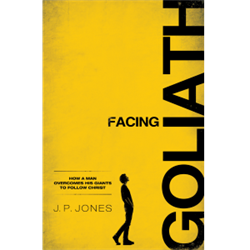
For your gift of twenty-five dollars or more, we will send you a signed copy of JP's new book, Facing Goliath. Please join us every Sunday at 9:00 or 11:00 AM at Crossline Church in Laguna Hills. The address is 23331 Moulton Parkway, Laguna Hills, California 92653, or check us out on the web at crosslinechurch.com. We're going to get to the address and phone number again in a moment. But before we do that, Pastor JP, do you have any insight from today's message?
JP Jones: Thanks, Greg. The book of Galatians tells us that salvation is by grace alone through faith alone in Christ alone. Here in Galatians chapter 3, the Apostle Paul is emphasizing that by faith alone part of that principle. He tells us that faith is the means by which we experience the grace of God. Paul tells us in Galatians chapter 3 by way of a rhetorical question, "Did you receive the Spirit by observing the law, or by believing what you heard? Are you so foolish? After beginning with the Spirit, are you now trying to attain your goal by human effort? Have you suffered so much for nothing—if it was really for nothing? Does God give you his Spirit and work miracles among you because you observe the law, or because you believe what you've heard?"
These rhetorical questions basically drive us to consider and realize the fact that all that God gives us, he gives to us on the principle of faith. It is by faith that we've received the grace of God in our lives. It's by faith that we've become Christians, it's by faith that we've received the Holy Spirit, it's by faith that we move forward and we are transformed and we grow in sanctification. Galatians chapter 3 tells us that both salvation and sanctification are experienced in the life of the believer on this principle of faith. It's by grace alone through faith alone in Christ alone. This by faith aspect is critical to day-to-day experience.
If we've crossed the line, if we've come to receive Jesus Christ, we did so by faith. We believe what God said about Jesus. We confessed our sins, we acknowledged our need, we asked Jesus to be the Lord of our lives. Every step of spiritual growth is also by faith. The contrary of faith is works: religion, self-effort. Our spiritual struggle will always be this: do we live by faith or do we live by our feelings? Do we live by faith or do we live by our own self-effort? Do we live by faith or do we live by what we think we can contribute to our Christian life?
The answer to the question is this: we can contribute nothing. Only Jesus Christ can save us, only Jesus Christ can transform us and sanctify us. Faith is the means to receive Christ, and faith is the means to grow in Christ. The gospel is by grace alone through faith alone in Christ alone. Let's give thanks for that. God, thank you so much that everything you give to us, you give to us on the principle of faith. We believe you and everything that you've said, and we receive it by faith. In Jesus' name, Amen.
Guest (Male): We want to help you in your relationship with Christ. Please get in touch with us at Truth That Changes Lives, 23331 Moulton Parkway, Laguna Hills, California 92653, or call us at 949-916-0250. On the internet, you will find us at crosslinechurch.com. We hope to see you at one of our services every Sunday at our new campus in Laguna Hills. For more information and directions, please go to crosslinechurch.com. Please join us next time on Truth That Changes Lives.
Featured Offer
Past Episodes

Featured Offer
About Truth That Changes Lives
About JP Jones
JP Jones is the founding Senior Pastor of Crossline Church in Laguna Hills, CA. Beginning with 16 people, Crossline has grown to a congregation of over 2,000 in 10 years. This growth has come largely through people receiving Christ and joining the church. JP is a dynamic and articulate Bible teacher with a passion to see people come to Christ and grow into being multiplying disciples for Jesus. JP began his ministry career with Campus Crusade for Christ and continues to have a heart for the Great Commission. Traveling on mission trips all over the world, JP preaches the gospel and trains pastors to be reproducing spiritual leaders.
For the past 25 years, JP has been an Adjunct Professor of Theology and Biblical Studies at Biola University and Talbot School of Theology. A published author, JP has written Facing Goliath by Baker Books and the discipleship curriculums, Transformed and Livin’ Large by Life Together. JP is a popular speaker at Men’s Retreats and Couples Conferences. JP is married to his wife Donna and they have 3 children. JP loves family vacation, the beach, Ultimate Fighting and a good cup of coffee.
Contact Truth That Changes Lives with JP Jones
info@crosslinechurch.com
http://pastorjpjones.com/
23331 Moulton Parkway
Laguna Hills CA 92653
(949) 916-0250