

God Has Made Himself Known, Part 1


The gospel is good news! It's a mesage of salvation, hope, forgiveness, God's love, truth, and transformation!
JP Jones: The gospel is good news. It's a message of salvation, a message of hope, a message of forgiveness, a message of God's love, a message of truth, a message of transformation.
Guest (Male): Thank you for joining us on Truth That Changes Lives. Pastor JP Jones is the senior pastor of Crossline Community Church in Laguna Hills, California, and a professor in biblical studies at Biola University. Today on Truth That Changes Lives, Pastor JP will be giving us another message from a series entitled Galatians. Let's listen as JP gives us part one of "God Has Made Himself Known."
JP Jones: If you have your Bibles, would you open to the book of Galatians, Galatians chapter one? We're just going to look at a couple of verses. On Paul's first missionary journey, he traveled around and proclaimed the good news of Jesus Christ, the gospel. And he visited an area of Asia Minor, modern-day Turkey, and the surrounding regions that was known as Galatia.
He subsequently wrote a letter, the book of Galatians, clarifying the message that he proclaimed and answering some of the questions that that message occasioned among the people. The book of Galatians, as I mentioned, is one of the first letters that the apostle Paul wrote. It was written right around 49 or 50 AD, and it is a strong statement of the grace of God and the grace of God as the only means to have a relationship with Jesus Christ.
Last week we introduced this letter and talked about in the area of religion, there's good news and there's bad news. And people either believe good news or they believe bad news. Good news is that salvation is available, forgiveness is available, heaven is available, and abundant life is available because God has made it available to us. And it's not based on what we do; it's based on what Jesus Christ has done. And it is available to us as a gift of grace, and we receive it by faith.
That's good news. Bad news is we try to work our way to God through some form of rule-keeping, law-keeping, or religious expression. And every system, both Christian and otherwise, that tries to approach God on the basis of what we need to do ultimately is bad news because we can never do enough. And we're either left with an ambiguous feeling of not knowing how we stand with God, or we're left with a definite feeling of condemnation that we fall short of His standards. The only good news is grace through faith in Jesus Christ.
That's the message of the book of Galatians. In Galatians chapter one, verses 11 and 12, Paul says this: "I want you to know, brothers, that the gospel I preached is not something that man made up. I did not receive it from any man, nor was I taught it; rather, I received it by revelation from Jesus Christ." Paul's talking about the gospel. He's talking about the origin of the gospel. He's talking about the fact that the gospel has its origin not in man, but in God.
A few weeks ago, I was at the gym after working out, sitting in the jacuzzi. My shoulder was sore because of the pain that was inflicted by all the young guys at the men's retreat having played football all Saturday afternoon. My muscles were sore, my joints were sore in places I didn't even know I had muscles and joints. So I'm sitting in the jacuzzi and I'm rotating my shoulder. A guy sits in and he starts a conversation with me. He had played hockey growing up; he was from Canada. And we were swapping sports stories and doing as men do, stories of athletic injuries and who really had the worst athletic injury.
One of the guys from our church comes out and sees us talking and he comments and says, "Man, church was off the hook on Sunday. It was awesome. It was great. You did a great job." I go, "Thanks." And then he left. And this guy is looking at me now with a whole different angle. I'm still rotating my shoulder and he says, "You go to church?" I go, "Yeah." And he goes, "He said that you did a great job." I go, "Yeah, I'm the pastor of the church." He cocks his head and looks at me again. "Well, you don't seem like any pastor I've ever met."
I said, "Well, tell you the truth, I never thought I'd be a pastor." He said, "Really?" I go, "No, I always thought I'd be a football coach." He said, "Yeah?" And then I said, "Yeah, that's what I thought I was going to do and I became a Christian and God led me in a whole different direction." He goes, "Tell me about that. What happened in your life to make you think you're not supposed to be a football coach, but you're supposed to be a pastor?" So for the next 10, 15 minutes, I shared with him my story, and in the course of sharing that story, I shared with him God's story, the good news, which is the gospel.
That's exactly what Paul is talking about in Galatians chapter one. The gospel is good news. It's a message of salvation, a message of hope, a message of forgiveness, a message of God's love, a message of truth, a message of transformation. And what Paul is saying is this message is unique. It does not have its origin in human thinking. It doesn't have its origin in some council of men. It doesn't have its origin in some man. Its origin is in God alone. And he says, in fact, that's how I received it. I received the message of Jesus Christ from God.
The Galatian culture was very similar to our culture. There were a lot of competing voices for truth and meaning. There were a lot of religious options in the smorgasbord of worldviews. We live in a culture that is characterized as a postmodern culture. It's a culture that basically says there is no such thing as absolute truth, and anybody's truth is just as valuable as anybody else's truth. And that's especially the case in the area of religious ideas.
There's an old Hindu parable, maybe you've heard it before, about three men who are blindfolded and they all have their hands on an elephant. One of them has his hands on the trunk, the other one has his hands on the ears, and the third one has his hands on the legs. The man who's blindfolded and has his hands on the legs of the elephant is feeling these legs and the large muscular legs of the elephant and the rough skin and he says, "This has got to be a hippopotamus."
The other one is feeling the trunk and he says, "No, this is a snake." And the third one has his hands on the ears and says, "No, it's a bat with big wings." And that parable, that Hindu parable, is used to describe how we as human beings can all put our hands on God but have a different perception and we're all right. What was it they had their hands on? An elephant. They were all wrong.
Were they sincere? Yes. Were they seeking? Yes. But they were all wrong. The very parable that is used in the Hindu religion to try to describe how we all try to approach God in different ways illustrates the very point that the apostle Paul is teaching in the book of Galatians: that people can get it wrong in a lot of different ways. But there's only one right way, only one true way, only one correct path.
Jesus said, "I am the way, the truth, and the life and no one comes to the Father but by me." In the gospel of Jesus Christ, the blindfold is taken off and we see it's really an elephant. We see God for who He really is. And until we come by grace through faith, we all have all kinds of ideas. They're just wrong. But it's in the gospel that the truth is revealed.
Paul says that's so important I want you to understand the origin. The first thing he says is man did not make up the gospel. He didn't make it up himself, the apostle Paul. No group of men made it up. No writers got together at some writers' conference and said, "Let's write this book. We'll call it the New Testament. It'll be good. It'll become a bestseller. Let's do it." No, it did not have its origin in the human psyche, in the human intellect.
Paul says, "I didn't receive it from men." Paul says there's nothing wrong with receiving the gospel from men; in fact, I'm sharing it with you. But I don't want you to think that's the way I got it. And Paul said, "I wasn't taught the gospel. I didn't go to school and major in the gospel and get a BA and then an MA and a PhD." No. "I received the gospel by revelation of Jesus Christ."
That's the last part of verse 12. The word revelation is the Greek word *apokalypsis*. It's an unveiling, a revealing. The verb *apokalypto* means to reveal something that is not known. And it has an understood meaning: to reveal something that is not known and could not be known unless it was revealed.
The nature of the case when you read Genesis to the book of Revelation, which is *apokalypsis*, is that God is infinite. God is incomprehensible. God in His nature is Trinitarian: the Father, the Son, and the Holy Spirit. We would never come to understand that. We would never see that. No one has ever seen God. The Bible says that the glory of God is so brilliant and awesome, the nature of God is beyond human comprehension. He's the creator and we're the creature. And so, in and of ourselves, we would never really come to know God and we would never understand God's way of life.
So what God has done because He loves us so much is He's made Himself known. And that act of God making Himself known is the idea of revelation, *apokalypsis*. Making something known that couldn't be known any other way. In the book of Galatians, Paul is establishing that because he wants to settle the case before he even gets into some of the particulars. He wants to settle the case that the authority for my point of view is not my own perspective. It's not my opinion, it's not even my education, it's not my personal bias. The authority is God Himself. And I am communicating to you what God has revealed to me.
That raises an issue: how do we know when God speaks? How do we know when we've heard from God? How do we know a message from God as opposed to just a human inspirational message? What makes the New Testament any more authoritative than any other religious book? What makes what we believe to be the truth of the gospel of Jesus Christ true and other particular opinions false?
Like the Galatian culture, we live in a culture with all kinds of competing ideas. Everybody here has some kind of opinion. Everybody you'll meet has some kind of opinion. What makes the gospel true and rise above the authority of just human opinion? Let me take the next few minutes and do a little teaching. I'm titling this "From God to Us." There is a seven-step process that God has taken to take a thought that is true in His own infinite nature and make it readily available to any person, and not just available, but transformational. So that when we hear it and we recognize it, we take it to heart, we put it into practice, it changes us. Because that's what it's all about: life change and life transformation.
Here's the first step in the process: it is revelation. Romans 1:16-20 says this: "I'm not ashamed of the gospel because it's the power of God for salvation of everyone who believes, for the Jew first and then for the Gentile. For in the gospel, a righteousness from God is revealed, a righteousness that is by faith from first to last, just as it is written: 'The righteous will live by faith.' The wrath of God is being revealed from heaven against all ungodliness, all wickedness of men who suppress the truth by their wickedness, since what may be known about God is plain to them because God has made it plain to them. For since the creation of the world, God's invisible qualities, His eternal power, His divine nature have been clearly seen, being understood from what has been made, so that men are without excuse."
This is a powerful statement from the apostle Paul, basically written to the person who tries to come up with some lame excuse before God. Paul says, you're without excuse. Just look at the stars. Look at the human body. Think about the birth of your child. Now you tell me there's no God. You can come up with all kinds of philosophical arguments, but the guy in the street knows there's a God and He's got a plan and it's bigger than mine. And he knows that God must be powerful and majestic and creative or He wouldn't have put it together the way He did. No, God's revealed Himself; that's what Paul's saying. God's revealed Himself in creation. He's made Himself known. He's given us the capacity to actually see it.
The writer to the Hebrews says this in Hebrews chapter one, the very beginning and introduction to this book: "In the past, God has spoken to our fathers through the prophets at many times and in various ways." The writer of Hebrews says God revealed Himself through the prophets, through the writings of the Hebrew scriptures, the Old Testament. Verse two: "But in these last days, He has spoken to us by His Son, whom He appointed heir of all things and through whom He made the universe. The Son is the radiance of God's glory and the exact representation of His being. He sustains all things by His powerful word and after He's made purification for sins, He sat down at the right hand of the majesty in heaven. So He became as much more superior to the angels as the name He has inherited is superior to theirs."
The writer of the Hebrews says, in the past, God spoke in various ways. God made Himself known through miracles, through the writings of the prophets. But let me tell you right now: this is how God declares Himself, in His Son. And the Son is the exact representation of the Father. Everything God wanted us to know about who He is, He made known in Jesus. Jesus is God with skin on him. And what he did, he made purification for our sins, and then he was ascended into heaven and then he sat down at the right hand of the majesty on high. So you want to know what God is like? You look at Jesus. You want to get to know God? You come to Him through Jesus Christ.
Paul said this, writing to the church at Ephesus in Ephesians chapter three: "Surely you know and you've heard about the administration of God's grace that was given to me for you, that the mystery that was made known to me by revelation, as I have already written briefly. In reading this, then you will be able to understand my insight into this mystery, the mystery of Christ, which was not made known to men in other generations as it has now been revealed by the Spirit to God's holy apostles and prophets."
What is it? Jesus our Lord. Paul says there's something unique about this message that I'm writing to you about Jesus Christ and about being in relationship with Jesus Christ. God didn't make it known willy-nilly. He had an actual plan to reveal it to His prophets and apostles and through them to reveal it to the world. And now it's made known to everybody. So now you'll understand why I speak so boldly about this. In other words, he's trying to say, I want you to understand why I'm so exercised about this, why I get so passionate about this, why I believe so strongly in this. I'm fulfilling a mission that God has given to me. See, all of that, those are examples of revelation: God making Himself known through miracles and through historical events and through prophets, and especially through Jesus Christ and then through those whom He's appointed to proclaim the message of Jesus Christ.
Now, what's the second step in the process? First, there's revelation, then there's inspiration. Second Timothy 3:16-17 says this: "All scripture is God-breathed" (many Bible translations say inspired). "All scripture is God-breathed and is useful for teaching, rebuking, correcting, and training in righteousness so that the man of God may be thoroughly equipped for every good work."
All scripture, the Greek word is *graphē*, the writings. And in the Hebrew religion in Judaism, the writings always meant the writings in the Bible. The Hebrew word for the Bible is *Tanakh*. It's the inspired scriptures, the authoritative word of God. And Paul says all the inspired writings, the scriptures, they are God-breathed. He uses a Greek word *theopneustos*. *Theos* is God and *pneustos* means breathed, so they literally were breathed out.
It's interesting. We talk about inspiration. If something is very inspirational, it has some kind of emotional, energizing affect. But when we talk about the Bible and we speak about the Bible as being inspired, we mean something more than that. We mean that God is the ultimate author of it. Oftentimes, we think of inspiration as the writers being inspired to write what they wrote. That's technically not accurate. They were just guys. They just put their pants on one leg at a time just like everybody else.
No, what they wrote was inspired. Because the Greek word *theopneustos* doesn't mean breathe in, like God breathed into the authors; *theopneustos* means breathe out. It's saying the words were literally breathed out from God. The amazing thing about the Bible is that we have a written record in the various writing style and vocabulary and worldview of each of the authors. Of the 66 books, probably 40 authors, we got unique writings that represent the uniqueness of the authors. But the doctrine of inspiration is they are the very words of God because God breathed them out. So God revealed Himself, and then that revelation was written down. That's inspiration.
Greg: What a great message for all of us today. Pastor JP provides us with great insight. That is why we'd like to make it available to you on CD. Just get in touch and mention today's date. We'll send it your way for just five dollars. Or if you'd like to support this ministry, you can write us at Truth That Changes Lives: 23331 Moulton Parkway, Laguna Hills, California 92653. Or give us a call at 949-916-0250. That's 949-916-0250.
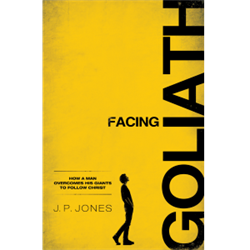
For your gift of 25 dollars or more, we will send you a signed copy of JP's new book, *Facing Goliath*. Please join us every Sunday at 9:00 or 11:00 AM at Crossline Church in Laguna Hills. The address is 23331 Moulton Parkway, Laguna Hills, California 92653. Or check us out on the web at crosslinechurch.com. We're going to get to the address and phone number again in a moment, but before we do that, Pastor JP, do you have any insight from today's message?
JP Jones: Thanks, Greg. Do you know everybody believes something about God? I believe something about God, you believe something about God, every person you meet believes something about God. The issue is: why do we believe what we believe? What's the authority behind our belief system? The apostle Paul in Galatians chapter one says that the authority for what he had to say about Jesus and salvation and the gospel didn't come from himself and didn't come from human tradition; it came from God.
Paul says this in Galatians chapter one: "I want you to know, brothers, that the gospel I preached to you is not something that man made up. I did not receive it from man, nor was I taught it; rather, I received it by revelation from Jesus Christ." Paul says that the gospel comes by revelation. The Greek word for revelation is *apokalypsis*. It means an unveiling, a making known of something that has been hidden. God has made known the way of salvation. God has made known what is hidden and what would remain hidden if He hadn't made it known.
Revelation is the fact that God has shown up and shown us who He is and how it is that we can come to know Him. And He's done that through the person of Jesus Christ. The gospel is about Jesus Christ. God has made Himself known because God became a man. Jesus Christ is the unique God-man. And the Bible records the words of Jesus, the life of Jesus, the miracles of Jesus, the death and resurrection of Jesus, and it records the transformation that Jesus has brought in the lives of those who believed in Him.
The letters of the New Testament is a proclamation of this good news about Jesus, and it isn't made up by the human authors. Though there were real apostles and eyewitnesses who wrote down what they heard and saw about Jesus, but they are not their own authority. They wrote down what they received by way of revelation. This is what separates Christianity from every other religious system, from every other belief system, from every other philosophy. It's not human in its origin; it has a divine origin.
God has revealed Himself, and the authority for what we believe as followers of Jesus Christ is God Himself. God has made Himself known in Jesus Christ and in the gospel of Jesus Christ. The reason we believe what we believe is that God Himself has spoken it and God Himself has revealed it. Our faith is rooted in the authority of God, and the veracity of God, and the trustworthiness of God, and the love of God to make Himself known to us. Let's give Him thanks for that.
God, thank you that You are a God who doesn't want to remain hidden, but wants to make Himself known so that we could come to know You. We love You because You first loved us. We know You because You revealed Yourself to us. Thank You for Your revelation in the gospel of Jesus Christ. Amen.
Greg: We want to help you in your relationship with Christ. Please get in touch with us at Truth That Changes Lives: 23331 Moulton Parkway, Laguna Hills, California 92653. Or call us at 949-916-0250. On the internet, you will find us at crosslinechurch.com. We hope to see you at one of our services every Sunday at our new campus in Laguna Hills. For more information and directions, please go to crosslinechurch.com. Please join us next time on Truth That Changes Lives.
Featured Offer
Past Episodes

Featured Offer
About Truth That Changes Lives
About JP Jones
JP Jones is the founding Senior Pastor of Crossline Church in Laguna Hills, CA. Beginning with 16 people, Crossline has grown to a congregation of over 2,000 in 10 years. This growth has come largely through people receiving Christ and joining the church. JP is a dynamic and articulate Bible teacher with a passion to see people come to Christ and grow into being multiplying disciples for Jesus. JP began his ministry career with Campus Crusade for Christ and continues to have a heart for the Great Commission. Traveling on mission trips all over the world, JP preaches the gospel and trains pastors to be reproducing spiritual leaders.
For the past 25 years, JP has been an Adjunct Professor of Theology and Biblical Studies at Biola University and Talbot School of Theology. A published author, JP has written Facing Goliath by Baker Books and the discipleship curriculums, Transformed and Livin’ Large by Life Together. JP is a popular speaker at Men’s Retreats and Couples Conferences. JP is married to his wife Donna and they have 3 children. JP loves family vacation, the beach, Ultimate Fighting and a good cup of coffee.
Contact Truth That Changes Lives with JP Jones
info@crosslinechurch.com
http://pastorjpjones.com/
23331 Moulton Parkway
Laguna Hills CA 92653
(949) 916-0250