
Confronting the Chaos of Domestic Violence


Stalking, rape, harassment, trauma, murder . . . these words represent the enormous reality that domestic violence has become a global epidemic. The National Coalition Against Domestic Violence defines domestic violence as . . .
Willful intimidation, physical assault, battery, sexual assault, and/or other abusive behavior as part of a systematic pattern of power and control perpetrated by one intimate partner against another.
The frequency and severity of domestic violence varies dramatically; for those with disabilities, the numbers skyrocket.
Very few people can speak on this subject like Chris Keith. As a child, Chris was shot in the head by his father after his father had strangled his mother and shot his brother.
Miraculously, Chris survived and is actively involved in helping survivors recover from their past. The church must stop denying and refusing to believe victims; we must become part of the solution, not part of the problem.
Guest (Male): 28 minutes past 5 on this Monday and here are today's top stories. A five-year-old Tulsa boy is in critical condition at a Tulsa hospital. His mother, father, and brother are dead. The bodies of Michael and Deborah Keith and their eight-year-old son David were found this morning in their East Tulsa home. All three had been shot.
Five-year-old Christopher was also shot in the back of the head but was still alive when the bodies were found. A gun was found in the father's lap and police believe he shot his wife and two sons and then killed himself. Police say the Keiths had been having marital problems.
Guest (Female): This Southeast Tulsa home is a scene of a family tragedy. It ended in murder and suicide. Police say 27-year-old Ted Michael Keith shot and strangled his 27-year-old wife, shot his two sons, and then turned the gun on himself. About 9:30 this morning, police found three of the victims dead, but among the scenes of death, they also discovered life.
Guest (Male): We've got one alive.
Guest (Female): Officers found five-year-old Christopher Keith barely alive. Life Flight crews rushed him to Saint Francis Hospital. Police say the shootings may have occurred over 12 hours ago and all evidence points to the father.
Guest (Male): Thanks for tuning into the Reframing Ministries podcast, where we provide strength for today and hope for tomorrow for caregivers and their families. We'd love to hear how these episodes have helped you. After rating, would you share your story in the review section of your preferred podcast app? Our team at Reframing Ministries loves to hear stories of hope and healing and how we've played a small part in them. Now, on to Colleen Swindoll Thompson's discussion.
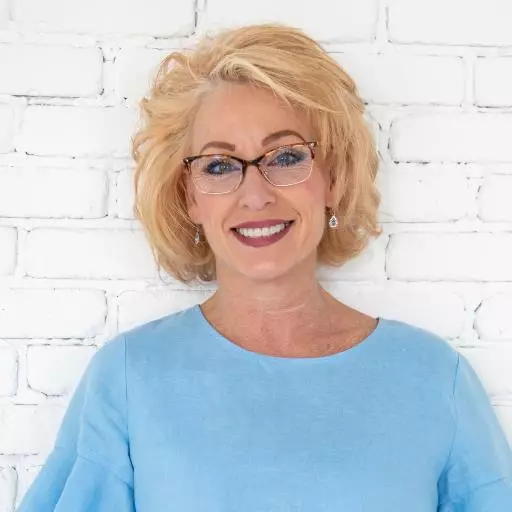
Colleen Swindoll Thompson: Hi, my name is Colleen Swindoll Thompson. I'm the director of Reframing Ministries at Insight for Living, and it is my delight and honor to introduce to you Chris Keith. Thank you for being here today, Chris.
Chris has an incredible story that we're going to talk about. It will involve forgiveness, hope, loss, grief, and coming back from some things that we never expect in life. Chris, I'm just going to ask you to start us off with your story.
Chris Keith: I was born in Tulsa, Oklahoma, and so that's where all this happened. I was born in 1980 and grew up from what I thought was a normal family life. My brother, Mikey, was three years older than me. My parents got married young, and I didn't know anything different. I did notice that my parents fought a lot, and so that was normal to me and my brother. That's just how I saw relationships.
Fast forward all the way until about five years old, my brother was eight, and my dad's anger issues had gotten a lot worse. He was an alcoholic, and him and his buddies would do drugs on the weekends, so that fueled his anger problem. Him and my mom would just fight all the time. It would be physical but it would also be mental, and it got worse and worse and worse. But again, as I said, me and my brother, we were used to the yelling.
Colleen Swindoll Thompson: And he was physically abusive to you all as well?
Chris Keith: Most of the time, I would say 90% of the time, he was just physically abusive to my mom. Every now and then, it would be me and my brother, but mostly it was just my mom. Me being five, I didn't have the mental capacity to do this, but my brother would sometimes do things in the middle of them fighting to try to distract him from yelling at my mom and stuff like that.
I remember several times where we were just so in fear of my dad. I've talked to relatives that have said, most of the time, he was a pretty good guy, but he just had fits of anger and rage and narcissistic tendencies. My mom had said, and he had beaten her so badly that several times we had gone to a battered women's shelter—me, my brother, and my mom.
But as a lot of women do in cases of domestic violence, she kept taking him back. She kept thinking maybe he would change, or just the level of fear. She even told my aunt, her half-sister, he would never hurt the kids, so we're going to give it another try.
Colleen Swindoll Thompson: Would you hear her say that about hurting the kids?
Chris Keith: I never heard her say that. My aunt is the one that told me that later, that that's actually what she said before this happened. Several times, basically, they were separated and in the middle of getting a divorce, but again, as I said, I didn't know if that would ever get completed anyway because my mom was constantly giving him another chance.
Colleen Swindoll Thompson: And there's so much fear with domestic violence that if they go back, would he then abuse and assault her for leaving?
Chris Keith: Right. And even talking to my uncle a while back, he said she never really told us about some of the details because she knew if she did, there would be even more problems. My uncle really only knew about the verbal abuse and mental.
Going back to the night, my dad was very obsessed with my mom. They even found a picture after this happened, a family picture of all of us, and my dad had taken a Sharpie and crossed out my face and crossed out my brother's face and circled my mom's face. He was just very obsessed with my mom, and that's all he really cared about. Maybe he was very good at talking his way back into things, but at this time they were separated.
Again, I was five, my brother was eight, but they were separated at this time. This was a Sunday and my dad had called and asked to come over. "Let me come over, let's talk this out," and my mom agreed. My dad came over on a Sunday. He was obviously under the influence of something, and they just immediately started fighting. But again, as I said, me and my brother, it was normal.
I didn't have another environment to compare it to, so that's all I knew. They're yelling again, that's all it was. But when things started to get physical, then of course it would make us realize that it was more serious, but right now they were just yelling. They eventually put us to bed. We didn't share bedrooms, but because of all the yelling, many times we would sleep in the same room.
Colleen Swindoll Thompson: Siblings often come together in hostile environments to protect one another.
Chris Keith: My brother was very protective. I'm going to cry already, but anyway... I can't remember which bedroom it was. I think he was sleeping in my room that night. One of us would just make a pallet on the other one's floor, so we'd talk and then fall asleep. So the fighting went on, we ended up falling asleep. The fight escalated back to their bedroom. I don't know what was said, maybe my mom said no for the last time, but my dad put his hands around her throat and started to strangle her, and then later on suffocated her with a pillow at the foot of the bed.
Colleen Swindoll Thompson: You heard this?
Chris Keith: No, this was all while we were asleep. He went to his closet and grabbed his .38, came into our room where we were sleeping, stuck the gun to the back of my brother's head and pulled the trigger. He came over to where I was, stuck the gun back behind my left ear and pulled the trigger. Then he went into the living room, sat in the chair, and killed himself.
This was Sunday evening. The next day, my mom, my aunt, actually several relatives, all worked at the same insurance company. My mom and everybody in the family kind of knew the tenseness and the situation going on. So my mom didn't show up for work and my aunt was immediately worried. She told her boss, "I've got to go. I've got to go check on my sister." She called the police before she left and said, "Hey, I need you to meet me over here. I think something happened." They basically told her, "If something didn't happen, we can't really go over there. Just let us know."
So she drove over there by herself. She was immediately concerned when she got there because both cars were still at the house. She knocked on the front door, no answer. She went around the back, and we had a sliding glass door. The curtain was open, so she could see my dad in the living room and she flipped out. She went next door and called the police. Paramedics came, the news crews... they started looking around, basically saying it was another statistic.
It was humanly impossible to survive. They estimated it was about 12 to 18 hours since it happened. They looked around and they pronounced all four of us dead. One officer reported that rigor mortis already started setting in on my body.
Then that was it. They did their walk-around, the news crews did whatever they say about a senseless tragedy, and they all started packing up. The paramedics started getting ready to leave, and as one paramedic was leaving—we actually have the footage online, it's surreal for me to see because it almost looks fake.
Colleen Swindoll Thompson: You've seen it?
Chris Keith: The part where the paramedic noticed. As the paramedic was leaving, he saw my arm moving. Then I guess someone, I think it was CBS News, was just recording at this time and the guy walks out and says, "Hey, we've got one alive in here." I was talking to one of my ministry friends and I said that looks fake, like they re-enacted it, but he said, "No, I think the guy was just so shocked that they almost missed this little five-year-old boy."
So then all of a sudden it turned into instead of just a crime scene, they're just trying to save this little boy's life because he's the only survivor. And again, on that same footage, it's just crazy to see. They didn't put me on a stretcher right away like they do when people get injured. The paramedic is just holding me and just running and my head is bouncing. They're just totally scared.
Colleen Swindoll Thompson: How are you alive?
Chris Keith: They got me down to the gurney, then to the helicopter, and then to Saint Francis Hospital in Tulsa. I was talking to you the other day about just the amazing way God orchestrates so many little things in life. Every time I say my grandparents, they're not really my blood relatives; they're actually through marriage. It's kind of a crazy family tree story.
My grandpa had the wherewithal to call one of his friends at church who's a lawyer and said, "Hey, I need to get power of attorney over my grandson really quick because I have to authorize whatever they need." Because my actual grandma, they couldn't find her. Just little things like that, because when I got to the hospital, everything was kind of ready.
The surgeon told my grandpa, "I don't know how he survived this. I mean, he was laying in his own pool of blood for 12 to 18 hours. I have to do this surgery or he's going to die pretty quickly, but there's a great chance he might die during the surgery." My grandpa said the surgeon was a Christian and so they said a prayer and then went in.
I think it was like six to eight hours of surgery, and they didn't know what to expect because my dad didn't miss. He stuck the gun right behind my left ear. I have three scars on my head; the bullet went in here, destroyed my cerebellum, which is the back part of the brain that controls executive functioning, decision-making... the bullet shattered and then came out behind my right ear. If you were to see my X-ray, the cerebellum is missing and you can actually still see bullet fragments in my head.
Colleen Swindoll Thompson: And the brain stem is connected how?
Chris Keith: Later I talked to a neurosurgeon that said the amazing thing about the brain when you're little is you were so young that even though it doesn't look normal, it all just kind of took over other functions.
Colleen Swindoll Thompson: So it re-wired in some ways to connect the way that it needed to connect for you to function today?
Chris Keith: It's just amazing how that all works. To think somebody doesn't believe in a God that creates all that is astounding to me.
Colleen Swindoll Thompson: That point right there is incredible. The fact that your brain, which was shot out, re-wired and connected in a way that you are functioning today.
Chris Keith: I think I'm pretty normal.
Colleen Swindoll Thompson: Well, we're all kind of not normal, but that's okay.
Chris Keith: I'm laying in the hospital after surgery...
Colleen Swindoll Thompson: What did they do? Was the back of your head... did they pick that up or what?
Chris Keith: All I know is I have a scar on the front of my head also from surgery. I don't know all the technical things they had to do. They got as much of the bullet out as possible. There's a few fragments still in there, which makes things interesting at airports for X-rays.
I'm laying there in the hospital, a five-year-old boy. All I know is I went to sleep and I woke up and now I'm in the hospital. If I do remember anything from that night, it's pushed back and I don't recall it, which is, I think, a blessing.
So I'm waking up, my head is bandaged, my grandparents are to the right. They would take us to church every week since my parents didn't go, so we always called them grandparents, but again, they weren't blood relatives. But they're sitting to the right, and I can remember like it was yesterday the doorway kind of diagonal to the right and people were coming in, flooding from my grandparents' church or from the neighborhood, just checking in, bringing gifts. But I really didn't care. I was staring at that doorway just waiting, because again, I didn't know what happened. I was staring at that doorway waiting for my mom to come through or my brother to run in or something, somebody to tell me that it was going to be alright, and it never happened. That was the first moment I started realizing I was alone. I mean, I knew my grandparents were there, but it wasn't the same.
Colleen Swindoll Thompson: But you had such a terrifying situation that there was such a longing for that nurturing mom that we all long for.
Chris Keith: My grandpa especially, but everybody, they didn't want to tell me anything. I was pretty much in a vegetative state. I couldn't speak, I had no strength, so I was just laying there. I could see bandages on my head... I could hear, but I couldn't talk and I had no muscle movement. I'm assuming that's from the injury.
No one was telling me anything, so I slowly just started realizing something's wrong and it was just killing me inside. Eventually, I started getting strength back and I can still remember it. My grandpa will tell this story like it's the most amazing story in the world about the first words I said. If he starts telling you about it, he'll just have this huge smile. All it was is he was asking my grandma if she wanted a drink and I just said something about "get me one too." He tells that story and his eyes light up.
So I finally started getting my strength back, started to talk, graduated to a wheelchair. Eventually, there was a big custody battle. It was very sad because my regular real grandma had some things going on and my grandparents wanted to take me. They finally agreed to let them have guardianship of me, so I never really was officially adopted.
I went home with them and the state told them, "Don't tell this boy what happened. He can't handle it." For the longest time, I was led to believe that I was in a car accident and that I'm the only one that survived. Again, I was so shy that I didn't ask questions. I just went with that.
Colleen Swindoll Thompson: Well, everything was fearful, so you didn't know how to approach anything. But did you wonder, "Am I really knowing the truth?" because kids spot stuff pretty quickly. Or did you think, "Yeah, it was a car accident"?
Chris Keith: At that time, car accident was fine. I was just so hurt that I was alone and had to figure out how to do this by myself. I was a little kid. But as I got older, I did start trying to figure things out. So they took me home. Again, they wouldn't tell me anything and they didn't have the manual on how to raise a kid like this, so they're scared.
Now being an adult and having kids of my own, I'm starting to try to see their side. My grandma said they were scared, they didn't know what to do. She said for the first year, I was so scared that I would sleep on a pallet in their bedroom just trying to figure things out.
By a miracle of God, I was back in school within a few months. They made me switch schools because my brother was popular at school and they didn't want the kids messing with me. So I went to a new school in the middle of the year.
Colleen Swindoll Thompson: How did you go to school? Were you terrified?
Chris Keith: I wasn't really terrified. I do remember the first day, my grandma just pulled up and dropped me off and I walked into kindergarten by myself. It's not like we all walk our kids into class, I don't know, it was a different time back then. And then eventually I got older and I walked to school by myself, which I would not let my kids do now. So times were different, of course.
But I just knew at that point life is not going to be the same. I don't have my best friend, I don't have my mom. But I still just knew something inside me was saying you just gotta keep going. Someday it's gotta be better, right? So as school went along, I started getting in trouble a lot because—not for bad stuff, but in my mind not bad stuff—but for talking, just trying to be a class clown, trying to get people to like me.
Colleen Swindoll Thompson: You wanted to be seen.
Chris Keith: Yeah, and I didn't really care if it was fake friendships. I just wanted people to know that I was there or relevant. But I just kept getting in trouble and trouble. Again, I didn't know what happened, but every now and then I'd go visit extended family and they would say something or accidentally let something slip.
Then I would kind of get weirded out and I'd go home and ask my grandparents about it and they'd have to try to dance around the subject. It was just a total weird situation. Now it's something I'm starting to see on the flip side because I'm a parent of young kids. My five-year-old is asking me where her grandma is. She's asking me how she died. It's just surreal having to be on the other side now as a parent to talk about that.
Colleen Swindoll Thompson: Okay, I want to ask you about that. Do you wish it had been handled differently?
Chris Keith: Now as I'm older, to me, this is just my life. This is all I know. I guess it could have been handled differently, but I think my grandparents did the best they could and they didn't know what else to do. Basically, fast-forwarding, I was 12 and they decided, "Hey, we should probably tell you about what happened."
My grandma had kind of sent me to a different counselor. She'd put me in counseling and after a while, they'd be like, "I don't know what else to do." And so I'd go to another counselor, another counselor. I kind of felt like I was just being passed around. My grandma would drop me off, I'd go in, and in my mind I was like, "This stranger's not going to be able to help me with my life."
Colleen Swindoll Thompson: You probably had a lot of resistance, too, because of the attachment issues.
Chris Keith: And then I had started getting a lot of trust issues. I mean, my own dad tried to kill me, so who am I supposed to trust? Even to this day, I still struggle with trusting people. But I know at 12, I started figuring things out. So by the time I was 12, I had started putting pieces together. I mean, I always knew how my dad was and just his behavior, but again, I didn't know the specifics.
I remember this one story because I was so confused but I was looking for answers. I remember walking home from school with one of my buddies and I was probably nine or 10. I was like, "Yeah, man, did you know all this stuff with my family? Did you know I got shot?" and he's like, "No way." I go, "Yeah, really, in the back. Check it out."
I remember walking home and I had taken my shirt off and I was like, "Yeah, check it out," and he goes, "There's nothing here, man. There's nothing here." I was like, "What?" And so then I put my shirt on and I was all embarrassed because I was for sure, because I had kind of pieced together information from my extended family, there's gotta be a scar on my back.
Colleen Swindoll Thompson: Kids know when there's something that they're trying to figure out. Now had there been a funeral? Had you attended a funeral? Or was there graves?
Chris Keith: There was a funeral, and I have the pamphlet. I don't recall. I probably wasn't there or anything, but I do have that. My mom and my brother are buried in Broken Arrow, which is near Tulsa, and then my dad, they had him buried separately. He's in Tulsa. So every time we go back to visit my grandparents, we'll go by and put flowers out.
Anyway, when they sat me down at 12... well, first they said, "Chris, you're going to go see Mr. Tyner." He was a guy at our church who was a counselor, and I was friends with his son, played basketball together. That was really my only avenue of enjoying life was playing sports. Play is so healing, too. I always felt like a family or a part of a team, and so that's how I kind of dealt with things. My grandparents said, "We're going to see Mr. Tyner," and I go, "Okay, that's fine."
It was just a huge skyscraper. We got there and I knew something was different because usually they don't go with me to the appointments, but this time both my grandparents were there. We started riding up the elevator together.
Colleen Swindoll Thompson: And they're walking in with you, something's really different.
Chris Keith: We started riding up the elevator together and I'm thinking in my head, "Okay, this has gotta be something about school. I had been getting in trouble." So in my head I'm trying to think of all these reasons or excuses. Anyway, we get in there, say hi to Mr. Tyner, we all sit down and they say, "Chris, we may have waited too long to tell you about this, maybe we should wait longer, but we figured it's time to tell you about your life and all the details."
They laid out the newspaper articles that I carry around in my wallet, the video footage, and they just started talking to me about things that basically pieces I hadn't put together yet. I had known most of what they were telling me, but not all of it. So then all of a sudden it was like this wave of emotions coming back. It was almost like happening again—all the trauma, the fear, the betrayal, the abandonment, the hatred.
Being mad at my mom for taking him back so many times, being mad at my grandparents for not telling me about my life sooner because I could handle it. Kids always find a way to blame themselves.
Colleen Swindoll Thompson: Survivor's guilt or something like that.
Chris Keith: Why did I survive? My brother didn't, and just stuff like that. So this whole whirlwind at 12 years old. I basically became even more of a recluse, so I basically would just get up, go to school, come home, get a snack, go to my room, come out for dinner, and then go to bed.
Colleen Swindoll Thompson: Were you suicidal?
Chris Keith: I was depressed. I would say I was depressed a lot throughout childhood, not suicidal the whole time, but there were a few years where it was just laying in my bed crying myself to sleep and then figured what's the point?
Colleen Swindoll Thompson: Did you miss your brother?
Chris Keith: Yeah, because all my memories of him are just playing outside and doing all the stuff. I have a few memories of each member of my family. With my mom and brother, they're just all positive, but all the memories of my dad are negative.
My brother, he was always taking care of me. I think that he felt that was his job. I'd see kids, and I used to write a lot of poetry and that really helped me as well. But I remember writing about this, I would see kids fighting with their siblings and in my head I'm just thinking, "Man, I wish my brother were even here."
Then I'd get older and people would complain about their parents and I'd be like, "Well, at least you have parents." So I kind of went around with that mentality, but I was just thinking that might be the easiest way to go.
Colleen Swindoll Thompson: You had to feel just totally, totally alone.
Chris Keith: I didn't know what that Heavenly Father was, I didn't know any of that yet, but I think the Holy Spirit was saying, "Hey, it's going to get better. You just persevere." I didn't know what perseverance was at that time. I just knew I had to keep going and kind of like the sports mentality, just don't give up, don't quit. That's kind of how I went through even days when I'm having a bad day, just push through it, tomorrow might be better. Some days tomorrow's worse, but eventually it gets better.
Colleen Swindoll Thompson: Do you have physical pain from as a result? Do you have headaches or do you struggle with any like sensory things?
Chris Keith: Nothing that I know of stemming from that. I do know I had recurring nightmares for the longest time. The funny thing is, the time they started going away is when this youth minister at my church started investing in me. It's just kind of cool how that all took place.
My grandma said it was the exact same dream. It was once a week and I would wake up in the middle of the night crying and then I would come sleep in their room. She'd try to get me to explain what was happening and I just couldn't explain it. I could see it, but I couldn't explain what was going on.
But about 14, when my grandparents had me going to church... at first I just went to church to humor them for the free donuts. When you're 13, 14, you go to church because it's fun, they got good donuts, and they have cute girls maybe. That's basically it. But eventually you start to grasp and you start to actually start paying attention to lessons and seeing other people's lives being changed just by living for Christ. It started intriguing me.
We had just gotten this new youth minister and his wife. They were so young, this was probably their first job, and they just started investing in everybody. He came up to me—and usually I tell this story almost everywhere I speak because this was a life-changing day for me—I was just hanging out at the church basically social reasons. I became friends with everybody, class clown kind of guy. There was a weekend retreat at this camp in Oklahoma and so we all went. My basketball and all my buddies were going, so I went.
It was Saturday evening, there was a worship service. Anyway, I didn't want to really be there so I snuck out the back and went back to the dorms. My youth minister followed me and he came in the dorm rooms and he sat down. He says that he just had a headache and he wanted to go back to the dorm, but from what I saw, he had followed me.
He sat down and he said, "Chris, you talk a lot but you really don't talk a lot about yourself. I can tell looking in your eyes something's wrong." And he said, "Do you mind telling me about your past or all that?" Again, I have never talked about it. Between 12 and 14 was just a bunch going on, and I never told anybody about even everything I knew. Even my best friend didn't know this because I wanted to be a regular kid. I didn't know who to trust, so I didn't want people just being my friend because they felt sorry for me.
Colleen Swindoll Thompson: Did you feel like you had this big humongous secret balloon that was inside of you?
Chris Keith: Yeah, and that was probably what was causing even more depression because I just felt nobody cares. I think I started learning throughout life that most people don't care. That's one bad habit I've picked up is when I'm talking—and my wife will call me on this all the time—is I'll talk really fast because in my head I'm thinking they don't really care what I'm saying.
I try to get to the point. If I'm telling a joke sometimes I skip the whole middle of the joke and just tell the punchline and ruin the joke just because I'm trying to get it over with because I know people's attention spans are short. That's probably just my ADD kicking in, mumbling and talking fast. That's always been something I've been working on.
So anyway, he followed me and said, "Hey, I want to learn about your life if I could." Again, I had never talked about it.
Colleen Swindoll Thompson: Did he know anything?
Chris Keith: All he knew was that I lived with my grandparents, really. And he may have talked to my grandpa privately; they were friends. But he said, "Tell me about what's going on." I don't think I could have done it without crying, so I basically took out the newspaper article that I carry around in my wallet and I said, "Okay, read this."
He was sitting across from me and he started reading it. He was probably, again, I was 14, he was probably 22, I mean he was young for a youth minister. He just started reading it and I remember looking at his face and he just started crying.
The craziest thing... you know, and I always been taught that it's a huge weakness for a man to cry. So that was very shocking to me at first, and then all of a sudden it just kept coming. And not sobbing because you see a sad commercial or a sad movie; he was bawling. He just couldn't hold it back.
Colleen Swindoll Thompson: That's so great for you.
Chris Keith: I was shocked that this man I respect is crying just over a piece of paper.
Colleen Swindoll Thompson: But that paper was your life.
Chris Keith: It's crazy. And then my best friend, Tony, walked in. "Hey, what are you guys doing?" He, again, he didn't know. So he read the article and he didn't cry as much, but he teared up. That's the day I started realizing that people do care.
I started realizing that people actually care about you. Okay, so in life, most people probably don't care, but there's always a handful of people that do care about you and you have to grab onto those people and hold onto them. These two with a few others started investing in me.
Colleen Swindoll Thompson: What was that like for you? Because that was the first time you were really seen.
Chris Keith: That was amazing. His name's Jason, my youth minister. I still talk to him and actually we've reconnected because he works with a Christ In Youth organization in Missouri. But that's what I told him. I said that was life-changing for me because I almost felt like, yeah, you were young, so you weren't exactly like my dad's age, but you were kind of like an older brother.
I've told him that and his wife that many times. I talked to him a couple years ago and he was telling me, "Chris, we've gone through a lot together, but one of the nights I remember that really shook me and my wife up... and we spent I think all night crying because when you're at our house..." it was after youth group was over, I think. He said he remembers it clearly, that I was sitting there talking to them and I said, "You know, man, I wish you two were my parents."
He remembers it, and he said that as soon as we all left, he said him and his wife just sat there and started crying because they are so in love with me, I was in love with them. Our youth group, we're all a huge family. God sent them, I do believe God sent them to be a mentor for me to be able to see what a good Christian relationship is.
And not to skip over my grandparents, that was the first time really I got to see a Christian relationship. So to see a second one and to realize what my parents were like... that wasn't the norm. Just the respect I have for my grandpa, the fact that I would be sitting there and I'd see them get into an argument and then my grandpa would leave the room. Then minutes later, even if it wasn't his fault, he would just come in and apologize. I was like, "Wow, that's crazy."
Colleen Swindoll Thompson: Like how easy is that compared to all this other commotion?
Chris Keith: And they had never had any kind of physical confrontation. They would just argue for a second, my grandpa would go, "Okay, I gotta leave," and then he'd come back and apologize no matter what happened. Even if my grandma was just being silly and started it, he would come in and say, "You know what, I'm really sorry." And I was like, "Wow, that's amazing." And then seeing my youth minister and his wife together, I'm like, "Okay, this could be something that... life can be worth living."
It just started growing. He said, "Chris, you may not be ready now, but someday you should share this story because it's pretty... I don't even know how to say, just a miracle."
Colleen Swindoll Thompson: You are a walking miracle.
Chris Keith: I don't even like to say my story. I think this is just God's story that I'm blessed to be a part of. And if I can help someone else who is internally suffering or they don't feel that they can persevere, then I feel it's my job and why I'm still here is to share that.
Whether it's with you, whether it's at juvenile justice facilities, which I've gotten to do a lot of, or just schools or churches, just wherever God provides the opportunity, I feel it's my job to go, no matter the circumstances or if it's inconvenient for me. That's what I'm here for.
My youth minister started setting up places to speak. I still remember the first time I shared my testimony. It was in inner-city Houston, and it was just a group of our church actually, and Jason was like, "Hey, Chris, no better time than now, you want to share your story?" Again, nobody really knew the details. I stood up and I still remember I was crying so hard while I was trying to share it. I couldn't see out of my contacts because they were just filled with water.
It actually made it easier for me because I couldn't see. Then afterwards, just the amount of love from all my friends was very encouraging. It just makes you realize how much people care for you. So then that's where the story kind of turned into just perseverance and hope. I became a Christian at 14.
Colleen Swindoll Thompson: Okay, I've got to ask you this. How on earth did you trust in the Heavenly Father when every situation related to father was negative?
Chris Keith: Actually, I think that's one of the things I loved the most is the idea of a Heavenly Father that loved me no matter what. So when I would pray, when I would talk to God, I would always just envision myself sitting in His arms. So that's kind of how I saw God as a child.
I think that helped me, especially not having a father, not having a role model. That's kind of just how I saw Him, a loving God that loves you no matter what. I was still confused about a lot of things as far as why would he let this happen. My youth minister gave me books to read and I just started learning about... He doesn't really cause it to happen, but sometimes He allows it to happen. I'm just trying to take all this in and process it. It was still, I think, a lot of it was over my head and I was just taking it in as I could.
I didn't know what to do with my life after high school. My youth minister was like, "Chris, you don't know what to do, just go to Bible college and just try to figure it out. You've got a semester scholarship, just go, figure it out." Praise the Lord, that's where I went, that's where I met my wife. While I was there, I had known some faculty there and they're like, "Hey, Chris, at freshman orientation, can you share your testimony? It's just powerful. Can you share it?" and I said, "Sure." And so I did.
Colleen Swindoll Thompson: What do you share? Speak to whoever's listening or watching like you would be speaking to a school.
Chris Keith: A lot of places I would go speak, it would be kind of depending on where I was going. So sometimes I'd go to a church and they would say, "Chris, can you really speak on forgiveness?" Because that's a huge issue that a lot of people have as far as forgiving somebody that's wronged you. And other places would say, "Our kids really need to know about hope." So I'd go speak to a youth group or something about that.
But one of my big messages that I always like to get out is the idea of forgiveness. Because even though I felt that I was getting better, the fact that I hadn't forgiven my dad yet for what he did was just holding me back. I kind of see it as your heart is a pie chart. If part of my heart is reserved for hating my dad, then how can I give 100% of my whole heart to God and to my family and to loved ones? So that's kind of just how I saw it.
My main passion is to just talk about forgiveness and how that really can affect your life going forward if you don't forgive somebody. I didn't realize that till I was older teens, younger 20s, that that was holding me back. I had been scared when I was younger because I started sharing my testimony around and then I'd have people come up and say, "You know in the Bible it says you must forgive or you will go to hell."
Then I was so scared about what happens if I were to die tonight. Anyway, it got me reading, got me thinking, got me asking questions. So forgiveness I think is a major issue that I feel that people need to know, and especially God provided this amazing opportunity to speak at juvenile facilities around the country.
A lot of these kids have been through some horrific things. So they're looking at you thinking, "What kind of loving God would allow this?" Then you're talking with them, and some of my favorite moments in the last 10 years are not just going to speak there but afterwards. They can request to talk to you one-on-one or in a smaller group and just talking to these kids.
I got to go to a correctional facility in Tulsa, Oklahoma, which a friend set up who is a chaplain there. He got me in there and this was a special one for me because it's where I was from. I was very impressionable kid, I would have done anything. So thankfully I found the right friends and went the right way. I could have easily gone down another path. I would have done whatever and could have ended up in that place.
It was very special to me to get to go speak there. I remember going in, and this was one of the higher security ones I've been to because I had to walk down all these corridors, all these doors had to open. I've been to places in Florida where it's like you just open the door, there's like one door and everybody's just kind of sitting around. This was not that. So I was already kind of nervous and scared. I walk in this room and just all these guys are just staring at you. So I'm just speaking and sharing my story and just talking about my life, really.
Colleen Swindoll Thompson: But you can really relate to them too because you can understand their side of loss and abuse and hurt and pain, but you're also on this other side.
Chris Keith: I think that's one reason I really liked doing that is because, especially when I try to see it from my point of view, I'm thinking, "Okay, here's a motivational speaker, whatever, I'll listen to him. He's going to tell me a couple great things, then he's going to go back to his big mansion." So that's kind of how I saw motivational speakers in high school and stuff.
Anyway, one of the great things is I would travel with a buddy a lot and he would actually start speaking and I'd be sitting in the back like I was just a cameraman or taking notes or something. He would start speaking and he would actually share my story, and then as he was telling it all these kids are like, "Wow, I can't believe you know this guy. I can't believe this guy survived." Then all of a sudden he would go, "Wait a second, let me let him tell you about it," and then he would call me up.
Then all these kids are just shocked and it catches them off guard, and you can immediately just start talking to their hearts because violence can get people to listen. They know you get them.
I remember one like it was yesterday. This kid stood up and he goes, "So what? I was shot! It don't matter," and then he showed a scar he had. Me, I wouldn't have said anything, but my friend was like, "Well, let me tell you how this happened," and he started explaining the intricacies of how I was shot, how impossible it was for me to survive.
I just remember this kid and then he sat down and was like, "Wow." Also the fact that I was shot with a .38, which is a pretty large slug. Anyway, it was an interesting time and kids will ask almost anything, no matter how uncomfortable or awkward it is, so I've kind of heard just about every question. But usually there's always someone who'll come up with a new one that's really good.
Just hearing the hearts of these kids who've been wounded... some kids were in there I've learned that just because their parents didn't want them. It is heartbreaking. We were at one facility and my buddy said, "Who's the youngest kid in here?" and this little tiny kid raises his hand and he said, "I'm nine," and we were like, "Oh man," and our hearts broke. Then my buddy Jeff goes, "Okay, who's the next youngest in here?" and this 12-year-old raises his hand and they are brothers.
It's just this life that you're trying to encourage them. The other thing that we were trying to do is encourage them that we're not going to come in here and just talk to you, say "Hey, you can do this, gain," and then leave. We're trying to work on curriculum to help them for when they get out. Because the problem is in a lot of domestic violence cases like that, you go back to what you know, you're afraid.
We talked to many kids that said they'd probably just go back to their old friend gang, whatever, just because that's what they know. So that was what we were trying to break that chain. We're not going to come in here and say "I love you" because honestly we're leaving, but we're going to come in here and tell you we know because of John 3:16 that God loves you. That was the only time we would talk about the Bible, that was the only time we'd bring that up. The kids knew from our heart what was going on.
It was a state-funded program so they're real protective over what you say.
Colleen Swindoll Thompson: But you got their heart.
Chris Keith: People are smart enough to know your heart, where you're coming from without having to quote scripture all the time. That's just been an amazing blessing to get to do. But like I said, at Bible college... I shared my testimony and now it's progressed, so I share my story and then now we talk about other things.
But then it was just basically I would share my story and then people would ask questions. I was still stage fright and I just knew I had to do it. So that's all I did was orientation, I shared my story, I even misquoted a Bible verse. I was nervous and I got off, but then I started getting this feeling at Bible college that people had this mentality of "Okay, it happened, so what? Get over it."
Colleen Swindoll Thompson: Oh my goodness. Okay, that's a huge message in some churches, which is "Okay, so I'm sorry that happened, but how long are you going to call attention to that?" You want to go, "You know, it's my life, probably for forever."
Chris Keith: I try to see that point now, especially when I'm watching a video that my church made and there's a lady crying about this happening and you used to be like, "Okay, let's hurry up." But now I'm starting to think, "What is her process like? Her healing process? How long..." it's helped my heart a little bit as far as the way I see it.
I started becoming recluse. I came out of it a little while and then I started going back in after this because people don't care. Honestly, why does anybody care? For several years I just stopped talking, sharing stories, besides maybe a one-on-one. If somebody asked me I wasn't really afraid to talk about it.
The Lord blessed me with Crystal, who I met in Joplin, Missouri, where we went to Ozark Christian College, and we got married. I think I was longing for a family. I got married at 19. I have friends ask me why I got married so early, I still had a lot of fun to do. Well, why not? I wanted a family. I think that was just something in my life I wanted to do. A couple years later we had our first child and just knew that's what God was providing for me for healing.
Colleen Swindoll Thompson: Now in the grief process, which I think is another misunderstood thing, you're going through now as a dad the steps and the years that you didn't have. And that's got to be both a celebration but also a grievous situation. How are you doing with that?
Chris Keith: I feel like my mind is just going around so much because I'm trying to live a normal life, be a normal parent, do all this, but in my mind I'm constantly thinking you missed out on this, and then how should you handle this? Just the other day I had to have a talk with my son about... he's a teenager. "This is awkward," but we're just shooting baskets and I said, "This is really awkward but we've already had the talk."
He's 13, but I wanted to talk about some other things in relation to that: girls and stuff. I said, "Hey, this is awkward, but I just want you to know I never had a dad to talk to about this. So I just wanted to let you know anytime you have questions to come to me." In my head I'm just trying to think how should this be? How should a person have said this to me when I was younger?
Instead of me thinking he'd be like "Yeah, whatever," he was really receptive. I could tell he was like "Yeah," and within two or three minutes of shooting baskets, he asked me a question about what we were talking about. So that was a neat process to see. Again, it's hard to look at my children, especially even when they're sleeping, and I wonder how a parent could do that to their children.
Colleen Swindoll Thompson: And you have to wonder... that's probably going to be a question that you will wrestle with. In fact, you mentioned forgiveness a minute ago and I wanted to talk to you about and ask you about this, because this comes from a book that I read on "Forgiving What You'll Never Forget" by Dr. David Stoop.
A lot of people say "Oh, just forgive and forget." That's not possible. He says what makes something feel like it's unforgivable is "There is a common element in those events. When people deal with personal issues they typically see an unforgivable act as something done to us or someone has done something to us. It's either so out of the ordinary that it shakes our moral foundation to the roots. It goes against some very strongly held core beliefs, and it's usually done by someone trusted and loved."
Forgiveness always involves the moral side of life. When you talk about forgiveness, you're talking about a moral choice that it's not just one time. It's probably forever on this earth.
Chris Keith: That's a good point because it's not like I just forgive my dad at 23 and life's great. It's an ongoing process. It's ongoing when I get married and I wish my mom was there, or I wish my brother was there when my son was born. It's an ongoing... you just have to continually have this forgiveness mentality.
I remember about three years ago or so, I was invited by an organization to be in a documentary about fatherlessness. I had known these guys, and so we were talking and they're like, "Chris, we want you to come to Tulsa, we're going to interview you and do all this stuff, and then we want to go by your dad's gravesite."
I said, "Well, every time I come to town I've gone to my mom's and brother's gravesite, I've never even actually gone to my dad's gravesite. I'm more than happy to have let you guys come along and film but I don't know what's going to happen. I don't know how I'm going to react."
Colleen Swindoll Thompson: Were you resistant to it?
Chris Keith: No, I was kind of at the point where it's like whatever happens happens.
Colleen Swindoll Thompson: Chris, I am so appreciative of your story. Thank you for sharing it with us today.
Chris Keith: Thank you, Colleen. It’s been an honor to be here.
Featured Offer

In When Life Isn't Fair: What They Didn't Tell Us in Sunday School, Colleen Swindoll Thompson weaves together biblical truth, practicality, and her own growth experiences as a mother of a son with special needs. She writes with raw honesty about her personal crisis of faith as well as the hardship and humor that come with learning to trust God through difficult times.
Past Episodes

Video from Colleen Swindoll Thompson
Featured Offer
In When Life Isn't Fair: What They Didn't Tell Us in Sunday School, Colleen Swindoll Thompson weaves together biblical truth, practicality, and her own growth experiences as a mother of a son with special needs. She writes with raw honesty about her personal crisis of faith as well as the hardship and humor that come with learning to trust God through difficult times.
About Reframing Ministries
Reframing Ministries was created and is wholeheartedly committed to caring for caregivers and those living with significant challenges. As a ministry, Reframing embraces those who suffer. We understand that life is messy and painful; we also know without healthy support, surviving well is impossible. At some point in your life, you will need care on some level, and you will be called to provide care for others who are suffering. Because of Colleen’s experience as a caregiver, ongoing physical pain, her education in psychology and certification as a life coach, Reframing Ministries is equipped to come alongside families, communities, and churches with resources purposed to equip you to live well and help others live well. We offer help and hope through books, written articles, inspiring interviews, online support groups, personal emails, podcasts, and a collective network of authentic world influencers.
You are here for a reason! YOU matter! Your story is so important. Reframing Ministries invites you to embrace life’s challenges, learn how to shift your perspective, walk alongside other’s in need, and be an inspiration to others as the light and life of Jesus shines through you.
About Colleen Swindoll Thompson
Subscribers get instant access to our free 5-Day Patio Video Devo Series. In these brief video devotionals, Colleen shares real-life, raw moments and the truth that sustains through trials to help you care for your soul and for others. Subscribe here.
Contact Reframing Ministries with Colleen Swindoll Thompson
Insight for Living
Post Office Box 5000
Frisco, Texas 75034
USA