

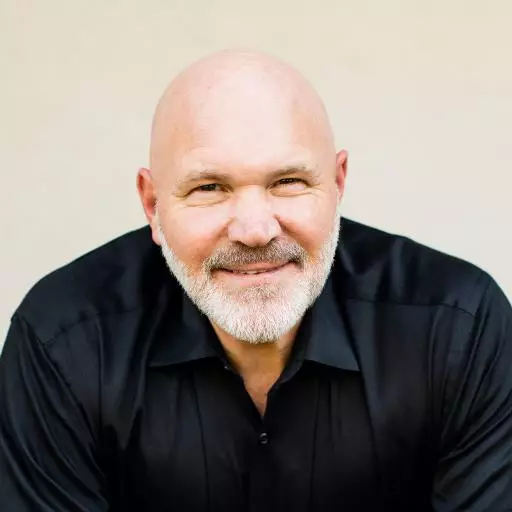
The Danger of Partial Repentance


Are you more concerned with looking right before people—or being right before God? Pastor Jeff Schreve exposes the difference between true repentance and empty remorse through Saul’s heartbreaking story of rebellion, excuses, and spiritual collapse. Learn why God cares about the heart, why excuses never heal sin, and how genuine repentance leads to freedom and restoration.
Dr. Jeff Schreve: Listen. Are you heeding the warnings from the life of Saul? His life ended so terribly, and it's because he had incomplete repentance. When he had the opportunity to get right with God, he didn't do it. Listen, today if you hear His voice, do not harden your heart. Behold, today is the day of salvation. It's the day to get right with God.
Guest (Male): In Old Testament times, God's children were not allowed to practice witchcraft. It was punishable by their rapid earthly demise. But do you know what the Bible says is as bad as witchcraft? Rebellion. And today on From His Heart with Pastor Jeff Schreve, we're in part two of the lesson called Rebels and Witches, and it's from the series Leaving a Legacy: Lessons from the Life of Samuel.
Now, the study of this powerful book has much practical advice to offer all of us. If you missed part one from last time of this lesson, be sure to catch up online at FromHisHeart.org and click the listen link for the message Rebels and Witches. Turn now to 1 Samuel chapter 15. Here again is Pastor Jeff exposing the consequences for rebels and witches.
Dr. Jeff Schreve: I want to share with you four warnings from the life of Saul, King Saul, who rebelled against the word of the Lord. Warning number one: beware of questioning the word of God. Questioning the word of God. That doesn't sound right, what God is asking him to do. And he heard the word from the Lord. I'm supposed to wipe out the Amalekites. No doubt Saul and the men who were with him began to question why they should wipe out everything of Amalek.
Make no mistake, the devil wants you to question the word of God. He wants you to doubt the word of God, and then he wants you to dismiss the word of God. Beware of questioning the word of God. The devil wants you to question it, doubt it, and dismiss it. But God expects you to obey His clear commands.
We look at scripture from our perspective and we say that can't be right. God is not right in telling Saul to wipe them out. God, very important to remember, knows way more than you do, than I do, than we do, about everything. Beware of questioning the word of God.
Secondly, beware of partial obedience. Partial obedience. Now, did Saul go on the mission? Yes, he did. And did he kill the Amalekites? Yes, he did. Did he utterly destroy the Amalekites? No, he didn't. Verse nine. He captured Agag, verse eight, the king of the Amalekites, alive and utterly destroyed all the people with the edge of the sword. But Saul and the people spared Agag. He wanted to do the will of God his way.
Listen, you do the will of God God's way. Because if you try and do the will of God your way, and you say, well, I like some of the will of God, I like some of the commands of God, but then I'm going to do some different things because I know better. You partially obey. That's what Saul did. He partially obeyed. Remember this, partial obedience is still disobedience. Because the Lord gave you a command to destroy them utterly, and he didn't do it. He just did what he agreed with, and he thought that I've improved upon the plan of God.
When it comes to the Christian life, first thing the Lord asks us to do when we receive Christ as savior and Lord is give a testimony through baptism. You've given your heart and life to Jesus. He gave His life to you. You died to your old way of life. You have a brand new life in Jesus. Okay, that was an invisible transaction that took place. That was a real thing, but nobody could see it. Now give a testimony through baptism.
Baptism is the wedding ring of the Christian life. It doesn't save you. It shows to the world that you are saved. Some people say, "I don't think that's important. I don't want to do that." Well, thus says the Lord of hosts, this is what you do. My pastor used to say if God told you to stack babies in the corner, it's not your prerogative to say, "I don't want to do that, it doesn't make sense to me." It doesn't matter if it makes sense to you or not. That's what He said to do.
Here's another thing: giving, tithing, the idea of the tithe. The tithe, the tenth, is the Lord's. People say, "I don't want to do that." The Bible says in the book of Malachi, the Lord says, "Return to me and I will return to you." But the people said, "But how shall we return?" He said, "Oh, you want to know how to return? Will a man rob God?" They said, "Surely not, a man wouldn't rob God." "Well, you're robbing me." "But you say, how have we robbed you? In tithes and offering. You are cursed with the curse because you are robbing me, the whole nation of you. You want to return? Well, let's start returning in the big issue of your finances because where your treasure is, there will your heart be also. And so you want to get right with me, bring the whole tithe into the storehouse and test me now in this, says the Lord of hosts, if I will not open up for you the windows of heaven and pour out for you a blessing so big that you can't contain it, it just overflows. And then I will rebuke the devourer and I will bless your socks off."
And people say, "Yeah, I don't want to do that." Listen, you can't afford not to do it because it's the command of the Lord. And so you look at it this way, you think partial obedience. So if you're stealing from God, from your Father, a thousand dollars a month, and you say, "I'm convicted about that. I think I'm only going to steal five hundred next month. God should be very excited because I was stealing a thousand, now I'm only stealing five hundred." Is the Lord excited about that? No. Partial obedience is still disobedience. Do it God's way.
Jesus said, "Why do you call me Lord, Lord, and do not do the things that I say?" Partial obedience is not what pleases God. It's not what He told you to do, and you don't get points for partial obedience. Now this is interesting with Saul. Verse 15. When he says, "Well, what are the bleating of the sheep and the lowing of the oxen? If you did the word of the Lord, all those would be dead." And he says in verse 15, "The people have brought them from the Amalekites, for the people spared the best of the sheep and the oxen. And guess what, Samuel, you're going to feel really bad when I tell you this. We spared those to sacrifice to the Lord, your God, but the rest we have utterly destroyed. Now don't you feel foolish, Samuel?" Because that's what we're keeping the best for God.
And he says it again in verse 21. "But the people took some of the spoil, sheep and oxen, the chiefest of the things devoted to destruction to sacrifice to the Lord your God at Gilgal." Now, what does Amalek represent? The flesh. What does God think about the flesh? He hates it. What is the flesh? It is sinful self. Flesh, you take the 'h' off and spell it backwards, and you get what it is, S-E-L-F. It's the flesh.
The Bible tells us in Romans chapter eight that the flesh is hostile toward God, for it does not subject itself to the law of God, for it is not even able to do so. And those who are in the flesh cannot please God because God hates the flesh. And here is what King Saul wanted to do. He wanted to take that which was from Amalek and offer it to God as a sacrifice. What God hates, he wants to give it to Him as an offering.
Are you doing that? You giving to God what He hates? He doesn't want anything to do with the flesh. What do we do with the flesh? You put it to death. But if by the spirit you are putting to death the deeds of the body, you will live. The flesh is hostile toward God. God has no fellowship with the flesh. Partial obedience does not please God, and however you spin it, it doesn't please God.
So beware of questioning His word, beware of partial obedience. Thirdly, beware of partial honesty and passing the buck. Saul was terrible at passing the buck. It says in verse 20, then Saul said to Samuel, "I did obey the voice of the Lord and went on the mission on which the Lord sent me, and I brought back Agag, the king of Amalek, and have utterly destroyed the Amalekites. But the people... it's not my fault, it's the people's fault. They took some of the spoil, sheep and oxen, the chiefest of the things devoted to destruction to sacrifice to the Lord your God at Gilgal."
Beware of partial honesty and passing the buck. Saul lies to himself, he lies to Samuel, he lies to God, and he blames the people. Listen, God requires us to take responsibility for our actions. When I was in college, I learned a song that said it's not my brother, it's not my sister, but it's me, oh Lord, standing in the need of prayer. Well, what would Saul have said? "It's the people's fault." He passes the buck, he blames the people. "I didn't have anything to do with it." You're the king. You tell the people this is the way it's going to be. We're going to follow God. And if they don't want to follow God, they can take a hike. He didn't do it. Partial honesty, passing the buck. God requires us to take responsibility for our actions.
Guest (Male): In our world today, so many people refuse to admit any responsibility. Pride or selfishness or greed get in the way. You're listening to the message Rebels and Witches with Pastor Jeff Schreve today on From His Heart. He'll conclude this message in just a moment.
All this month, we're in Pastor Jeff's eight-lesson series Leaving a Legacy: Lessons from the Life of Samuel. And in a world filled with confusion and uncertainty, God still uses faithful people to make an eternal impact. And you're making one with your life right now. In this new series, you'll discover that obedience and truth and wholehearted devotion to God can influence families and shape future generations.
This series is our thank you for your gift of help to reach more people with real truth, real love, and real hope in our confused cultures. You can get your copy on a USB flash drive, CDs, DVDs, or an immediate MP3 download when you go online to FromHisHeart.org. Or you can simply call 866-40-BIBLE. 866-40-BIBLE. It's our thank you for your support of any amount this month to get this eight-message series.
From His Heart reaches out to the world each day on radio, TV, online, our podcast, a weekly email devotion, and so much more. Psalm 145:4 says, "One generation shall praise your works to another, and shall declare your mighty acts." That's what we're trying to do. What a beautiful picture of legacy, passing down the truth of God's faithfulness from one life to the next, from one generation to the next. Get your copy of Leaving a Legacy when you go online to From His Heart today, and thank you for helping make that possible through your partnership. Now, the conclusion to the lesson Rebels and Witches.
Dr. Jeff Schreve: Listen, if you have a broken relationship with someone, in marriage, it takes two to tango. Typically, you don't have a marriage disintegrate and it's 100 percent one side's fault. Now, it might be 90 percent that person's fault and 10 percent your fault. But the best advice I've ever gotten is when you have a situation like that, take 100 percent responsibility for your 10 percent of the conflict. Even if it's 2 percent, you were 2 percent responsible for the conflict and for the breach in the relationship, take 100 percent responsibility for your 2 percent. It's easy to just blame everybody else. But you have to take responsibility.
One of the things that Matt Reynolds said one time about me, he was talking to a guy that we were interviewing to come on staff, this was years ago, and the guy said, "Tell me something about Pastor Jeff. What do I need to know about him?" And Matt, I thought this was so insightful, he said this. He said, "Jeff's the kind of guy, if you mess up and you take responsibility for your mess up, he's got tons of grace for you. But if you mess up and you don't take responsibility, he's like a dog with a bone. He's just going to keep coming after you." And Matt told me that and I said, "I am like that." I knew I was like that, but I hadn't put it in those terms and I said that's exactly how I am. Because I'm very black and white. Things are right or they're wrong. And it bothers me to no end when someone won't take responsibility for his or her life.
That is Saul in a nutshell. God requires us to take responsibility for our actions and God will not let us slide in our sin and deceit. And so Samuel, faithful to the Lord, he's going to keep probing and he's going to keep prying. He says, "Has the Lord as much delight in burnt offerings and sacrifices as in obeying the voice of the Lord? Behold, to obey is better than sacrifice and to heed than the fat of rams. For rebellion is as the sin of divination or witchcraft and insubordination is as iniquity and idolatry. Because you have rejected the word of the Lord, He has also rejected you from being king."
Then Saul said to Samuel, "I have sinned. I have indeed transgressed the command of the Lord and your words because I feared the people and listened to their voice." Bible says in the book of Proverbs, chapter 29, that the fear of man brings a snare, but he who trusts in the Lord will be exalted. Saul finally owned up to what he had done. He sinned against the Lord. He listened to the people. He was afraid of the voice of the people. He was wanting to please the people and so he did what he did.
Beware of partial honesty and passing the buck. And lastly, beware of looking right rather than being right. Saul is the poster child for religious hypocrisy. He wants to look the part and he doesn't want to be the part. He wants to look righteous on the outside to men rather than be righteous on the inside before the Lord.
Verse 25. Saul says, "Please pardon my sin and return with me that I may worship the Lord." But Samuel said to Saul, "I will not return with you, for you have rejected the word of the Lord, and the Lord has rejected you from being king over Israel." As Samuel turned to go, Saul seized the edge of his robe and it tore. So Samuel said to him, "The Lord has torn the kingdom of Israel from you today and has given it to your neighbor who is better than you. Also, the Glory of Israel will not lie or change his mind, for He is not a man that He should change His mind."
Then he said, "I have sinned. But please honor me now before the elders of my people and before Israel and go back with me that I may worship the Lord your God." So Samuel went back following Saul, and Saul worshipped the Lord. Now, Saul was a man of incomplete partial obedience, incomplete partial honesty, and incomplete and partial repentance. He was very concerned about the fact that he sinned and he lost his kingdom. He was very concerned about the consequences. But he didn't have true repentance.
He acknowledged his sin, but he didn't confess his sin. What's the difference? Acknowledge says, "I did this." Confess says, "And it was wrong." And he's just acknowledging it from the standpoint of "this is going to cost me a lot." But he doesn't feel it in his heart that "I've sinned against God, I am in desperate need of His forgiveness." He doesn't truly repent as we're going to see David is going to do when he sinned so greatly.
So true repentance, what's the difference? True repentance is concerned about the heart. It's not concerned about how I look before the people. It's concerned about how I look before God. Are you concerned about how you look before God? God sees not as man sees. Man looks at the outward appearance, but the Lord looks at the heart. And here's the thing, you know. You know if your heart is rotten. You can lie to yourself all you want, but you know deep down in your heart that your heart is rotten, that you're not giving to God your best, that you're not seeking Him with all your heart, soul, and mind and strength, you're not loving Him like that. You know that and He knows that. It's no secret.
And so repentance, true repentance, is getting your heart right with God. And true repentance not only is concerned about the heart, it's concerned about obedience. Saul's not concerned about obedience. Why do you say, Jeff, that he's not concerned about obedience? Because if he really wanted to get right with God, he'd start by killing all the stuff from Amalek, killing the animals and killing Agag, because that's what God told him to do.
And that's what Samuel does. Verse 32. Then Samuel said, "Bring me Agag, the king of the Amalekites." And Agag came to him cheerfully, and Agag said, "Surely the bitterness of death is past." But Samuel said, "As your sword has made women childless, so shall your mother be childless among women." And Samuel hewed Agag to pieces before the Lord at Gilgal.
Samuel's not a prophet to be trifled with. He's going to obey the Lord and he hacks up Agag into pieces as he kills him. You got to be brutal. What Agag is an Amalekite. He's the king of the Amalekites. What do the Amalekites represent? The flesh. How do you deal with the flesh? You don't coddle the flesh, you crucify it. You can't play around with the flesh because the flesh will turn on you and kill you if you give it a chance. You know how Saul dies? He's killed by an Amalekite. Isn't that interesting? Saul spared Amalek; Amalek did not spare Saul.
You're playing around with sin, you're playing around with the deeds of the flesh, and you think you can handle it, you think you can control it. You can't, I can't, no one can. And those things will wreck and ruin your life. Samuel hewed Agag, hacked him up into pieces before the Lord because true repentance is concerned about obedience. And then lastly, true repentance experiences the grace of God, the mercy and the forgiveness and the grace of God. Saul didn't experience that.
It says at the end of chapter 15, then Samuel went to Ramah, but Saul went up to his house at Gibeah of Saul. Samuel did not see Saul again until the day of his death, for Samuel grieved over Saul and the Lord regretted that He had made Saul king over Israel. And it says in the very next chapter, now the spirit of the Lord departed from Saul and an evil spirit from the Lord terrorized him.
We would say in today's world that Saul had mental illness. What was the reality? He had an evil spirit from the Lord that was terrorizing him. Why? Because he wouldn't get right with God, that's why. And he was God's man, he was the king, and he wouldn't do what God told him to do. And when he was called out on his sin, even then he didn't repent. He had worldly sorrow, but he didn't have godly sorrow. Worldly sorrow is sorry for getting caught, it's sorry for losing privileges. Godly sorrow is sorrow before the Lord. It's saying, "God, look what I did. Oh God, have mercy on me."
Listen. Are you heeding the warnings from the life of Saul? His life ended so terribly, and it's because he had incomplete repentance. When he had the opportunity to get right with God, he didn't do it. Listen, today if you hear His voice, do not harden your heart. Behold, today is the day of salvation. It's the day to get right with God.
Guest (Male): If you know that you've never come to the point in your life where you realized you need a savior, but you can't be good enough to deserve one, that's why Christ came—to be the sacrifice we all need to be cleansed of our sin when we're in the presence of God in eternity. He washes you white as snow. The Lord is reaching out to you today. We hope you'll go to FromHisHeart.org, click the "Why Jesus" link to discover what it means to surrender your life to Christ with a genuine repentant heart. He's offering you forgiveness for your sins and freedom to live for Him. Again, go to the "Why Jesus" link at FromHisHeart.org.
Well, thank you for joining us today. Remember, From His Heart is the listener-supported broadcast ministry of Dr. Jeff Schreve, whose life's passion is to speak the truth in love to a lost and a hurting world. Join us next time for the next message in the series Leaving a Legacy: Lessons from the Life of Samuel. The message: The Heart of the Matter. Join Pastor Jeff next time here on From His Heart.
Featured Offer

Samuel was one of the greatest men of the Old Testament. He served Israel as prophet, priest, and judge. In this powerful series, Leaving a Legacy: Lessons from the Life of Samuel, Pastor Jeff Schreve unpacks the story of this man of God from 1 Samuel and shows us how his obedience, faith, and devotion to the Lord made all the difference. Samuel’s life reminds us that what we do today echoes into tomorrow, shaping the lives of our families, communities, and future generations. Through practical insights and biblical truths, you’ll be challenged to examine your walk with God and inspired to live a life that counts for Christ.
Past Episodes
- 12 Real Favorites - Vol 2
- 12 Real Favorites - Volume 1
- 12 Real Favorites - Volume 3
- 12 Timeless Favorites
- 24: Living in the Last Days
- A Decade of Favorites: The Top Ten
- A New Lease On Life
- A New Normal
- All I Want for Christmas
- And They Lived Happily Ever After
- And You Think You've Got Problems
- Arise and Build: Vol 1
- Arise and Build: Vol 2
- Attitude for Altitude
- Back on Track: Getting in on God's Purpose for Your Life
- Beauty for Ashes: The Story of Ruth
- Before There Were Kings: The Cost of Compromise
- Believe and See
- Believing God - Expecting Miracles
- Beyond Amazing: Understanding the Grace of God
- Beyond Ourselves
- Beyond the Glory
- Bold as a Lion
- Braveheart: Becoming a Warrior for Christ
- Breaking the Chains of Religion: Experiencing the Joy and Power of Authentic Christianity
- Built to Last
- Defending the Faith
- Desperate Households
- Discernment in a Day of Deception
- Divine Encounters: What Happens When People Meet the Master?
- Do You Hear What I Hear?
- Do You Want to be Blessed?
- Do You Want to be Free
- Do You Want to Experience His Glory?: In the Awe of God's Presence
- Dreams and Detours
- Face-Off: Fighting for the Faith
- Facing the Giants
- Faithful and True: Introducing the One and Only God
- Fake News
- Family Matters
- Famous Last Words
- Fear No Evil
- Footsteps
- For Such a Time as This
- Forever and Ever: The Reality of Eternal Heaven and Eternal Hell
- Foundations
- Fourth Quarter: How to Finish Strong for Jesus Christ
- Future Shock
- Get Real!: Authentic Christian Life in the Last Days
- God and Money: What the Bible Says About Managing Money
- God's Answer for your Fears
- God's Answer to Your Fears
- God's Last Word to a Lost Generation
- God's Message in Your Emotions
- God's Perfect Gift
- Got Trouble? What to Do When You Don't Know What to Do
- Growing Strong
- I Shouldn't Be Alive
- Impact Christmas
- It's A Wonderful Life
- It's All About Jesus
- It's Beginning to Look a Lot Like Christmas
- It's Not Easy Being Me
- Land of the Giants
- Leaving a Legacy: Lessons From the Life of Samuel
- Let Us Adore Him
- Life Goes On: How to Face a New Normal
- Life is Hard...But God is Good
- Life Under the Sun
- Life's Big Questions
- Living on Purpose
- Location, Location, Location
- Love and Marriage: Doing Family Life God's Way
- Making a Difference
- Making the Grade: Passing Life's Greatest Tests
- Man Up: God's Guide to Real Manhood
- Miracles! Then & Now
- Missing in Action
- Modern Family
- Money Matters
- More Than Conquerors
- No Wonder They Call it Amazing
- Nothing But the Truth
- Now Concerning Spiritual Gifts...
- Now That's a Tough One
- Ready to Rumble
- Real Online Favorites
- Return to Me
- Revelation - the Triumph of the Lamb
- Right on the Money
- Rising to the Challenge: A Study of the Book of Joshua
- Rock Your World
- Roller Coaster: Facing the Ups and Downs of Life
- Satisfaction Guaranteed
- Seasons
- Setting the House in Order: A Study from the book of Titus
- Shine
- Sin and Salvation
- Soldiers of the Cross
- Soul on Fire: God's Plan for Revival
- Standing in the Gap
- Sticking Points: Overcoming Obstacles to Faith
- Storms: What to Do in Troubled Times
- Strong and Courageous
- Strong Faith for Tough Times
- The Blessings of Christmas
- The Church in the Last Days
- The Days of Noah
- The Dividing Line: A Baby Changes Everything
- The Divine Design: God's Plan for Marriage and Family
- The God of Second Chances: Getting Your Life Back on Track
- The Greatest of These is Love
- The Heart of Worship
- The Joy of Christmas
- The Miracles of Christmas
- The Mysteries of the Kingdom
- The Next Step?
- The Power of Giving
- The Questions of Christmas
- The Recovery Room
- The School of Prayer
- The Things You Need to Know: A Study of 1 John
- The Three Gifts of Christmas
- The Thrill of Hope
- The Truth About...
- The Truth In Love
- The Unknown God
- The Walk
- There's No Place Like Heaven
- This is War!: Overcoming The World, The Flesh, and The Devil
- Turning Trials to Triumphs: 2 Corinthians
- We Are Family
- We Are Soldiers
- What a Beautiful Name: Isaiah's Description of the Promised Messiah
- What is His Name?
- When the Son of Man Comes: A Study of Matthew 24-25
- Who Is This Man?: The Gospel of Mark
- Why on Earth am I Here?
- Will God Bless America?
- Witness: Shine for Christ - Share Your Story
- Written in Stone: A Study of the Ten Commandments

Video from Dr. Jeff Schreve
Featured Offer
Samuel was one of the greatest men of the Old Testament. He served Israel as prophet, priest, and judge. In this powerful series, Leaving a Legacy: Lessons from the Life of Samuel, Pastor Jeff Schreve unpacks the story of this man of God from 1 Samuel and shows us how his obedience, faith, and devotion to the Lord made all the difference. Samuel’s life reminds us that what we do today echoes into tomorrow, shaping the lives of our families, communities, and future generations. Through practical insights and biblical truths, you’ll be challenged to examine your walk with God and inspired to live a life that counts for Christ.
About From His Heart
From His Heart Ministries is the TV, Radio and Internet broadcast outreach of Dr. Jeff Schreve who believes that no matter how badly you have messed up in life, God loves you and has a wonderful plan for your life. We’re on mission to help a new generation discover their creator through the preaching of the compassionate, relevant, yet uncompromised truth of the Gospel. Pastor Jeff speaks the truth in love with clear biblical content combined with engaging, personal stories. His messages are filled with life-giving principles for everyday living and eternal assurance.
On Television: From His Heart is seen each week on Lightsource and also around the world on The Hillsong Channel, NRBTV, The Walk TV, and hundreds of TV stations across America and around the world. Go to Click Here to find the station near you.
On Radio:Click Here to listen to the daily radio broadcast available on OnePlace.com as well as 720+ outlets across America.
About Dr. Jeff Schreve
Growing up in a church-going home, Jeff learned a lot about God, but he did not know God. He believed in Jesus in the same way he believed in George Washington: he knew Jesus was real, but had not personally met Him. All this changed one night after a Young Life meeting when he was alone in his bedroom. There Jeff saw his need for Christ and His forgiveness and surrendered his life to Jesus.
As a student at the University of Texas, Jeff grew in his Christian life. He graduated with a degree in business and moved back home to Houston, Texas to start a career in business. There he met his future wife, Debbie, at a single's group meeting at Champion Forest Baptist Church. They were married in 1986 and have been blessed with a wonderful relationship and three awesome daughters and two beautiful grandchildren.
A New Direction
After spending 13 years as a chemical salesman, God called Dr. Schreve to preach. He left his secure position and moved his family to North Carolina to attend Southeastern Baptist Theological Seminary. It was a scary and difficult move to make ... but it was one of the best decisions they have ever made. One year later, God called them to serve on staff at Champion Forest Baptist Church. In 2000, he completed his Master of Divinity degree graduating from Southwestern Baptist Theological Seminary. He graduated with a Doctor of Ministry degree in 2014 from Southeastern Seminary.
Jeff Schreve has been the senior Pastor of First Baptist Texarkana in 2003, a growing and exciting church with 4500+ members.
Contact From His Heart with Dr. Jeff Schreve
infoFHH@fromhisheart.org
http://www.fromhisheart.org
Order Line
866-40-BIBLE
Leave a Prayer Request
PRAYERWORKS