

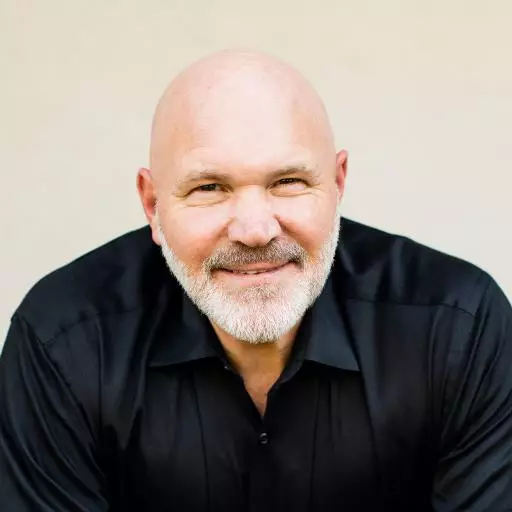
When Fear Knocks


When fear comes knocking—and it will—what do you do? King Jehoshaphat was terrified when three armies marched toward Jerusalem, yet Scripture says he “turned his attention to seek the Lord.” In this message, Pastor Jeff shows how faith grows best in the soil of fear when we choose to turn our eyes upward instead of inward. If you’ve ever been too afraid to move forward, this message will help you learn how to let fear push you to your knees—and into God’s presence.
Dr. Jeff Schreve: Now, have you ever been in trouble, big-time trouble, trouble with a capital T, and it's so big that you don't know what to do? Maybe you're here today and you have trouble with your health, and you're facing surgery. Maybe it's serious surgery. Maybe you have cancer or some other disease and you're going through treatments, and you don't know how this is going to come out.
Lots of people are in trouble at home, trouble in marriage, trouble in family life, and things are just awful at home. Well, you're in trouble. What do you do when you've got trouble with a capital T?
Larry Noble: Thank you for joining us today for From His Heart with Pastor Jeff Schreve, who's going to share some wonderful encouragement from God's Word to help us not be tricked into worrying. It's a scam from the main con man himself, Satan. We need to adopt new perspectives on worry by learning to look into the light that God has provided us and fill our hearts with truth. His name is Jesus.
Today's message is called "The Principle of Perspective" from this engaging and insightful series that we're beginning today called "Got Trouble? What to Do When You Don't Know What to Do." Open your Bible to 2 Chronicles chapter 20 as Pastor Jeff explains the power of the principle of perspective in the first lesson in this "Got Trouble?" series.
Dr. Jeff Schreve: Now, have you ever been in trouble, big-time trouble, trouble with a capital T, and it's so big that you don't know what to do? Lots of people are in trouble at home, trouble in marriage, trouble in family life, and things are just awful at home. In our world today, lots of people are losing their jobs and there's trouble in the financial realm, and that can bring so much stress on a home and on a family.
Job said, "Man who is born of woman is short-lived and full of trouble." What do you do when you've got trouble with a capital T? Well, in 2 Chronicles chapter 20, we learn what to do when you don't know what to do. King Jehoshaphat is a good and godly king. He's king of Judah. Now, you’ve got to remember as you read the Old Testament—one of the things that I have found, I love the Old Testament. I could preach every sermon out of the Old Testament. I just really connect with the stories.
I just love the fact that so many people are like, "Man, that's in the Bible? I didn't know that was in the Bible." There's great stuff in the Old Testament. But here's the problem that people have with the Old Testament: they get confused because they don't know the history. And so you read stuff and you're like, "Man, I am so lost." If you read 1 Kings, 2 Kings, 1 Chronicles, 2 Chronicles, you get lost because there are lots of big names.
Who in the world has a name like Jehoshaphat, right? I have to look it up every time I'm going to spell it because I always spell it wrong. So because we're going to talk about him today, we're going to give him a nickname just to make it easier. We're going to call him J-Fat. So J-Fat has got a problem. But here's the thing that will help you in the Old Testament: the Old Testament is the history of God's people, God's Old Testament people, the Jews.
Abraham, the father of all those who believe, the father of the Jews, Abraham, Isaac, and Jacob. Jacob had 12 sons, the 12 tribes of Israel. The 12 tribes of Israel, they are in Egypt under the cruel thumb of Pharaoh. And then Moses is raised up and Moses leads them out. And then for 40 years, they wander around the wilderness because they didn't have any faith. They didn't go into the Promised Land. And then Moses dies. Joshua takes over. Joshua leads them into the Promised Land.
They conquer the land—that's the book of Joshua. But they don't do it great, and they still have Philistines there and Canaanites there that pollute them, and so they have all this trouble. And then you have a situation where Israel wants a king. And they want a king and be like the other nations, and so it broke God's heart because God was their king. But He gives them a king. He gives them Saul. Saul's the first king of Israel. Saul's a bust. Saul reigns for 40 years, and then the kingdom switches from Saul to David.
David is king now. David's a good and godly king, and it's David's line that the Messiah is going to come. Jesus is the son of David—great-great-great-great-grandson, obviously, but He's in that line. David is king. David has a son named Solomon. Solomon is king. Everything's going good. Solomon dies. His son Rehoboam becomes king. Under Rehoboam, the kingdom split. Twelve tribes—ten of them say, "We're not going to follow you anymore, Rehoboam. We're going to have our own king. We're going to be our own nation."
Ten tribes form the northern kingdom, which is called Israel, which is called Samaria. Two tribes, Judah and Benjamin, they stay together, and they're the southern kingdom called Judah. Their capital city is in Jerusalem, and they have the Temple, and they're really the people of God, the stronger people of God because Israel gets polluted. And so when you read in 1 Kings, 2 Kings, 1 Chronicles, 2 Chronicles, the Bible will shift back and forth. It'll talk about Judah and Judah's king, and then it talks about Israel and Israel's king.
You might think, "Israel, Judah—what is this?" Well, they're two nations now because they have split. Jehoshaphat, or J-Fat as we're going to call him, he's the king. His dad was Asa, a good king. Asa's dad was Abijah, not so good a king. And Abijah's dad was Rehoboam, the total idiot. And so that's kind of the way things work there. And so here is J-Fat, and he's doing good, but then there's a problem.
Trouble with a capital T. What happens? Well, three armies get together to come and attack him at Jerusalem and the people of Judah and wipe them out. Look what the Scripture says, 2 Chronicles chapter 20: "Now it came about after this that the sons of Moab and the sons of Ammon, together with some of the Meunites, came to make war against Jehoshaphat. Then some came and reported to Jehoshaphat, saying, 'A great multitude is coming against you from beyond the sea,'" that's the Dead Sea, "'out of Aram, and behold, they are in Hazazon-tamar,' which is Ein Gedi," which is about 20 miles from Jerusalem.
"And Jehoshaphat was afraid and turned his attention to seek the Lord and proclaimed a fast throughout all Judah." The Bible is setting up for us trouble with a capital T for J-Fat and the people of Judah. They're in big-time trouble. And we're going to learn today, hey, when you've got trouble and you don't know what to do—Jehoshaphat says that, "Lord, I don't know what to do. We don't know what to do."
What to do when you don't know what to do? Three decisions that you need to make, that I need to make when we're facing trouble with a capital T. Decision number one: you let your fear drive you to the Lord. J-Fat is afraid. The Bible makes it very clear. You've got these guys coming together. You know what's interesting? Ammon, the sons of Ammon, the Ammonites, and the Moabites. Those two—you know who the father of those two nations was?
Lot. Lot was the father of the Moabites and the father of the Ammonites through an incestuous relationship with his two daughters. If you read in Genesis chapter 19, when God destroyed Sodom and Gomorrah, Abraham interceded for Lot and the Lord sent two angels to take Lot and his family out. His wife turned back—they said, "Don't turn back"—his wife turned back and she was consumed in the judgment. And here is Lot, and he's living in a cave with his two daughters, so polluted from the ways of Sodom that they get their father drunk and they have sex with their father and they both get pregnant by their father.
One of them has a son and she names him Ben-Ammi—he's the father of the Ammonites. And the other has a son and she names him Moab—he's the father of the Moabites. And the Ammonites and Moabites were a thorn in the side of God's people for centuries. And then you throw in these people, the Meunites. The Meunites lived in Edom. Edom where the descendants of Esau lived—and they were a thorn in the side of God's people. So all these groups, they get together and there's lots of them, and they're coming against Judah and the people of God.
And J-Fat's afraid. Now, I like it when the Bible tells us about godly people who get afraid. You know why? Because I get afraid. The Bible doesn't paint people as folks that are Superman, that never have a problem, that never struggle, that never deal with guilt or deal with this or deal with that. He's afraid. David, who faced off against Goliath, he got afraid. He says in Psalm 56, verse 3, "When I am afraid, I will put my trust in You, Lord." He doesn't say if I am ever afraid; when I am afraid.
Godly people get afraid. Listen, this is what you need to do with fear: you need to let fear drive you to seek the Lord. And that's what the Bible says that Jehoshaphat did. It says in verse 3, "And Jehoshaphat was afraid and turned his attention to seek the Lord and proclaimed a fast throughout all Judah." Now, notice this: when you seek the Lord, seek Him earnestly. What does that mean? It means you seek Him with all your heart.
It means it's not a ho-hum kind of, "Well, yeah, I guess I'll do it." You're really focused on seeking the Lord. The Lord's got your full attention. You're seeking Him earnestly. We know they sought earnestly because he proclaimed a fast throughout all Judah. "We're not eating anything because we're seeking the Lord. We're going to put aside the physical appetites of our body and we're going to focus on the spiritual and we're going to seek God. We're in trouble here."
So you seek Him earnestly, and then you seek Him corporately. You come together to seek the Lord. Look at verse 4: "So Judah gathered together to seek help from the Lord; they even came from all the cities of Judah to seek the Lord," to seek Yahweh. They had to travel. All the cities got together and they're coming to the Temple in Jerusalem. They're coming to God's house. They're coming to get together with other Jews that are in the same boat because they're coming to get wiped out—they're going to wipe out Judah.
And so they get together and they come together corporately. It's important to come together, especially when you are facing big trouble. Did you know that in Bible times, New Testament times, there was a problem with people skipping out on corporate worship? I know we would never even dream of doing something like that in today's world, missing church, but they were doing that back then.
In Hebrews chapter 10, verse 25, the writer of Hebrews tells them—he says, "Hey, quit doing that. Don't forsake the assembling of yourselves together, as is the habit of some." You need to come together in worship. Why? Because worship encourages you. Because when we get together, iron sharpens iron, so one man sharpens another. The room is filled with praises and God inhabits the praises of His people, and God's Word goes forth, and there is no substitute for corporate worship and for seeking the Lord together. Jesus said, "Where two or three are gathered together in my name, there am I in the midst."
Larry Noble: Being a Lone Ranger type of Christian just doesn't cut it, especially when troubles come calling in your life. Stay with us; Pastor Jeff returns with more of the lesson called "The Principle of Perspective" in just a minute. As we've been reminded today so far, we all face troubles and problems on a daily basis. Often that involves money. Yes, money. We never have enough.
People are looking online all the time to find out how to better manage their money, but that search really should start by looking in the Bible that lays a clear foundation for first managing your attitude toward money so you can get a new perspective on it. That correct perception of money will allow us all to handle money properly and not let worry course through our veins. Are you trusting and honoring God with your finances? Are you storing up treasure in heaven?
In Pastor Jeff's new three-lesson series called "God and Money: What the Bible Says About Managing Money" that we aired earlier this month, he'll help you learn to put money in its rightful place in your life. And then and only then can you experience the joy and the peace from worry and a real blessing of God to the full. To get a copy of this impactful series, "God and Money," it's our thank-you gift for your support from From His Heart this month of any amount, and you can get it in the format of your choice.
Pastor Jeff receives zero income from the support that you give to From His Heart. All that goes to getting these programs on hundreds of stations around the world sharing the love of Jesus. To make a gift and receive the series "God and Money," call 866-40-BIBLE, 866-402-4253, or go online to fromhisheart.org and ask for the series "God and Money." This month on From His Heart, we're striving to help you solve your real problem with real money, and we hope that you'll get this today to give yourself a blessing. Now, let's get back to today's lesson from Pastor Jeff's series, "Got Trouble? What to Do When You Don't Know What to Do," and the message, "The Principle of Perspective."
Dr. Jeff Schreve: Sometimes when people are going through a real hard time, they can disengage, they can back off, they can drop out of church. Well, that's not what you're supposed to do. You're supposed to engage. You're supposed to say, "Hey, I got trouble. You guys pray for me. You guys help me." That's what the body of Christ is supposed to do—come together and help one another and encourage one another.
So let your fear drive you to the Lord. Seek Him with all your heart, earnestly, and seek Him corporately. Second decision that they made, that you can make: you let your voice cry out in prayer. Let your voice cry out in prayer. Verse 5: "Then Jehoshaphat stood in the assembly of Judah and Jerusalem," everybody's gathered there, "in the house of the Lord before the new court. And he said, 'O Lord, O Yahweh, the God of our fathers, art Thou not God in the heavens? And art Thou not ruler over all the kingdoms of the nations? Power and might are in Thy hand so that no one can stand against Thee.'"
What do you do? Don't know what to do. I'm going to seek the Lord and I'm going to lift my voice in prayer. Here's the thing that I have found with lots of people who call themselves Christians: they don't really know how to pray. So many people who call themselves Christians, they have canned prayers. You know what they know? They know little memorized prayers. They know "Now I lay me down to sleep, I pray the Lord my soul to keep. If I should die before I wake, I pray the Lord my soul to take."
And we teach that to little kids. What a wonderful thing to tell your kids. "Now pray this prayer because you might die tonight." You know? "I'm six, and I'm praying God, please, I don't want to die tonight, but I guess that's my prayer." But we just kind of hit the button. My dad, when we would eat as a little kid, I remember this. It was the hit the button tape-recorder prayer: "Bless us, O Lord, and these thy gifts, these thy gifts which we are about to receive from thy bounty through Christ our Lord, Amen."
It would be like, "Okay, boy, that was—we just prayed." Well, we didn't really pray. That kind of stuff—reciting and just going rote on things. Not really praying. Because if your mind is not engaged, if your heart is not engaged, you're not really praying. Prayer's a conversation. Have you ever tried to talk to somebody on the phone and you're doing something else while you're talking on the phone, and all of a sudden there's like long pauses?
Debbie busts me on that all the time. She'll say something to me. I'm like, "Uh-huh, uh-huh." She goes, "I asked you a question." "Yeah, I know." "Are you reading your email?" "Um... let's talk about something else." I didn't really want to answer the question. And she always gets me on that. And why? Because you can tell when someone's not listening, right? And they're just, "Uh-huh, uh-huh." They're just trying to hit tape recorder—just throw out some stuff.
So prayer is talking to God. And you have to learn the language of prayer because when trouble hits, big-time trouble, you've got to know how to pray. When I was in seventh grade, I took a language appreciation course. We studied for a third of the semester German, a third of the semester French, and a third of the semester Spanish. Well, that's been pretty much the extent of my Spanish—was a third of the semester in seventh grade.
I learned how to say certain things in Spanish. "¿Cómo se llama?" "Me llamo Jefe." That's for me. My name sounds a lot like Jefe. Jeff, Jefe. Jefe means boss. I always liked that. "Me llamo Jefe." And so I'd go to South America—"What's your name?" "Jefe." "Oh, you're the Jefe, huh?" "Yeah, Jefe." But I learned stuff like that. I learned from Steve Martin: "¿Dónde está la casa de Pepe?" Remember that on the Steve Martin tape? Boy, I'm really dating myself. But Steve Martin, he taught me that. "¿Dónde está la casa de Pepe?"
For the longest time, I thought that was a way of saying, "Where is the bathroom?" But it's not. It's not the house of "pepee." It's the house of Pepe. So "¿Dónde está la casa de Pepe?" is "Where is Pepe's house?" Well, how far does that go when you're trying to talk? You're in Mexico and you're, "I'm going to kick up a conversation." If the guy doesn't know Pepe, you're kind of done after that. "Me llamo Jefe. ¿Dónde está la casa de Pepe?" and that's all I got.
Some people, they know how to pray about as well as I can do Spanish. and that doesn't cut it when trouble is coming. That doesn't cut it when the Ammonites, the Moabites, and the Meunites have all banded together and they're coming to wipe you out, and they're in a place called Ein Gedi, which is 20 miles away, and so they're going to be at your doorstep before you know it. You've got to know how to pray. J-Fat knew how to pray. And we can learn a lot about prayer from him.
What do you do? How do you pray? Well, first of all, you praise God for who He is. That's how you start your prayer. Start your prayer with praise. You read prayers in the Bible and you'll find out that many more times than not, that's how they began the prayer, was with praise. And so much of the time, they would praise God because He was the maker of heaven and earth. They were addressing their prayers to God, the maker of heaven and earth.
And how did He make the earth? He spoke it into existence. So you come up with praise to the God who can do anything. Now, he says two questions: "O Lord, the God of our fathers, art Thou not God in the heavens?" Well, of course. That's a rhetorical question. "Of course You are. And art Thou not ruler over all the kingdoms of the nations?" Well, yes. See, that kind of a rhetorical question—it shows that you're praising God, but it also puts the ball in His court because God is going to come back and say, "You bet I am. That's right. I am ruler."
Then he says, "No one can stand against You, God." There's praise that goes forth. Psalm 22 talks about God inhabiting the praises of His people. Corporate worship—you come together and praise the Lord; there's power in that. And so when you pray, start your prayer with praise. Praise God not for what He's done, but for who He is. Secondly, remind God of what He has said and done. God likes it when we remind Him of things that He has said and things that He has done.
Look at verses 7, 8, and 9. He says, "Lord, did You not, O our God, drive out the inhabitants of this land before Your people and give it to the descendants of Abraham Thy friend, Your friend, forever? And they lived in it and have built You a sanctuary there for Your name, saying, 'Should evil come upon us, the sword or judgment or pestilence or famine, we will stand before this house and before Thee, for Thy name is in this house, and cry to Thee in our distress, and Thou wilt hear and deliver us.'"
"God, You remember how You gave this land to Abraham and to his descendants forever? God, we didn't just come upon this land. You led us here. This is the land that You had for us. You remember that, God? And You remember, God, that when Solomon dedicated the Temple?" because he's outside of the Temple, he's in the court when he is praying this prayer—all the people are gathered with their wives and their children and their infants, they're all gathered there.
And he's saying this: "God, You remember when Solomon dedicated this house? He prayed and he said, 'Lord, if we pray to You in this house when we're in distress, when we're in trouble, God, would You answer?' And Lord, You put Your stamp of approval on Solomon's prayer with the fire falling and the glory falling on the house. Obviously, God was saying, 'Yes, I will.'" And so he reminds God of that. Listen, when you pray, you praise Him and then you pray His Word back to Him. You tell God in prayer, reverently in prayer, "Lord, this is what You said. Lord, this is what You did. And Lord, we're trusting You."
Larry Noble: Standing on the solid ground of God's promises, that is safe territory. But we're not through yet. Pastor Jeff returns tomorrow with the conclusion of the message "The Principle of Perspective." It's from his series, "Got Trouble? What to Do When You Don't Know What to Do," so make sure that you join us then.
If you missed some of today's broadcast, you can listen again online anytime. Just click the Listen link when you go to our website. While you're there, we hope that you'll sign up for Pastor Jeff's weekly Real Hope email encouragement devotional letter. It'll come into your inbox each Friday morning with real hope for everyday living. There, you can also become a friend of the ministry on our many social outlets.
Plus, we have a special section called Prayer Works that will allow you to post your prayer request and have people from all over the world indicate that they have prayed for you. And it's completely anonymous, but it'll be great to know that you're not alone. Just go to the prayer link online at fromhisheart.org.
Well, that's all the time we have for today. We are so grateful that you were here. I'm Larry Noble, inviting you to join us tomorrow for part two of "The Principle of Perspective" from the series, "Got Trouble? What to Do When You Don't Know What to Do." That's on Wednesday, when we'll again open up God's Word and share real truth, real love, and real hope from His heart.
Featured Offer

Everyone wants to be blessed, right? No one in his right mind would say NO to the blessing of God. The problem is that many people are not on God’s blessing ground, which is necessary to receive His blessing. In this eight-message series, Pastor Jeff Schreve shares biblical truths that will get you on blessing ground and allow you to understand how to experience all God wants for you.
Past Episodes
- 12 Real Favorites - Vol 2
- 12 Real Favorites - Volume 1
- 12 Real Favorites - Volume 3
- 12 Timeless Favorites
- 24: Living in the Last Days
- A Decade of Favorites: The Top Ten
- A New Lease On Life
- A New Normal
- All I Want for Christmas
- And They Lived Happily Ever After
- And You Think You've Got Problems
- Arise and Build: Vol 1
- Arise and Build: Vol 2
- Attitude for Altitude
- Back on Track: Getting in on God's Purpose for Your Life
- Beauty for Ashes: The Story of Ruth
- Before There Were Kings: The Cost of Compromise
- Believe and See
- Believing God - Expecting Miracles
- Beyond Amazing: Understanding the Grace of God
- Beyond Ourselves
- Beyond the Glory
- Bold as a Lion
- Braveheart: Becoming a Warrior for Christ
- Breaking the Chains of Religion: Experiencing the Joy and Power of Authentic Christianity
- Built to Last
- Defending the Faith
- Desperate Households
- Discernment in a Day of Deception
- Divine Encounters: What Happens When People Meet the Master?
- Do You Hear What I Hear?
- Do You Want to be Blessed?
- Do You Want to be Free
- Do You Want to Experience His Glory?: In the Awe of God's Presence
- Dreams and Detours
- Face-Off: Fighting for the Faith
- Facing the Giants
- Faith Under Fire: A Study of Jude
- Faithful and True: Introducing the One and Only God
- Fake News
- Family Matters
- Famous Last Words
- Fear No Evil
- Footsteps
- For Such a Time as This
- Forever and Ever: The Reality of Eternal Heaven and Eternal Hell
- Foundations
- Fourth Quarter: How to Finish Strong for Jesus Christ
- Future Shock
- Get Real!: Authentic Christian Life in the Last Days
- God and Money: What the Bible Says About Managing Money
- God's Answer for your Fears
- God's Answer to Your Fears
- God's Last Word to a Lost Generation
- God's Message in Your Emotions
- God's Perfect Gift
- Got Trouble? What to Do When You Don't Know What to Do
- Growing Strong
- I Shouldn't Be Alive
- Impact Christmas
- It's A Wonderful Life
- It's All About Jesus
- It's Beginning to Look a Lot Like Christmas
- It's Not Easy Being Me
- Land of the Giants
- Leaving a Legacy: Lessons From the Life of Samuel
- Let Us Adore Him
- Life Goes On: How to Face a New Normal
- Life is Hard...But God is Good
- Life Under the Sun
- Life's Big Questions
- Living on Purpose
- Location, Location, Location
- Love and Marriage: Doing Family Life God's Way
- Making a Difference
- Making the Grade: Passing Life's Greatest Tests
- Man Up: God's Guide to Real Manhood
- Miracles! Then & Now
- Missing in Action
- Modern Family
- Money Matters
- More Than Conquerors
- No Wonder They Call it Amazing
- Nothing But the Truth
- Now Concerning Spiritual Gifts...
- Now That's a Tough One
- Ready to Rumble
- Real Online Favorites
- Return to Me
- Revelation - the Triumph of the Lamb
- Right on the Money
- Rising to the Challenge: A Study of the Book of Joshua
- Rock Your World
- Roller Coaster: Facing the Ups and Downs of Life
- Satisfaction Guaranteed
- Seasons
- Setting the House in Order: A Study from the book of Titus
- Shine
- Sin and Salvation
- Soldiers of the Cross
- Soul on Fire: God's Plan for Revival
- Standing in the Gap
- Sticking Points: Overcoming Obstacles to Faith
- Storms: What to Do in Troubled Times
- Strong and Courageous
- Strong Faith for Tough Times
- The Blessings of Christmas
- The Church in the Last Days
- The Days of Noah
- The Dividing Line: A Baby Changes Everything
- The Divine Design: God's Plan for Marriage and Family
- The God of Second Chances: Getting Your Life Back on Track
- The Greatest of These is Love
- The Heart of Worship
- The Joy of Christmas
- The Miracles of Christmas
- The Mysteries of the Kingdom
- The Next Step?
- The Power of Giving
- The Questions of Christmas
- The Recovery Room
- The School of Prayer
- The Things You Need to Know: A Study of 1 John
- The Three Gifts of Christmas
- The Thrill of Hope
- The Truth About...
- The Truth In Love
- The Unknown God
- The Walk
- There's No Place Like Heaven
- This is War!: Overcoming The World, The Flesh, and The Devil
- Turning Trials to Triumphs: 2 Corinthians
- We Are Family
- We Are Soldiers
- What a Beautiful Name: Isaiah's Description of the Promised Messiah
- What is His Name?
- When the Son of Man Comes: A Study of Matthew 24-25
- Who Is This Man?: The Gospel of Mark
- Why on Earth am I Here?
- Will God Bless America?
- Witness: Shine for Christ - Share Your Story
- Written in Stone: A Study of the Ten Commandments

Video from Dr. Jeff Schreve
Featured Offer
Everyone wants to be blessed, right? No one in his right mind would say NO to the blessing of God. The problem is that many people are not on God’s blessing ground, which is necessary to receive His blessing. In this eight-message series, Pastor Jeff Schreve shares biblical truths that will get you on blessing ground and allow you to understand how to experience all God wants for you.
About From His Heart
From His Heart Ministries is the TV, Radio and Internet broadcast outreach of Dr. Jeff Schreve who believes that no matter how badly you have messed up in life, God loves you and has a wonderful plan for your life. We’re on mission to help a new generation discover their creator through the preaching of the compassionate, relevant, yet uncompromised truth of the Gospel. Pastor Jeff speaks the truth in love with clear biblical content combined with engaging, personal stories. His messages are filled with life-giving principles for everyday living and eternal assurance.
On Television: From His Heart is seen each week on Lightsource and also around the world on The Hillsong Channel, NRBTV, The Walk TV, and hundreds of TV stations across America and around the world. Go to Click Here to find the station near you.
On Radio:Click Here to listen to the daily radio broadcast available on OnePlace.com as well as 720+ outlets across America.
About Dr. Jeff Schreve
Growing up in a church-going home, Jeff learned a lot about God, but he did not know God. He believed in Jesus in the same way he believed in George Washington: he knew Jesus was real, but had not personally met Him. All this changed one night after a Young Life meeting when he was alone in his bedroom. There Jeff saw his need for Christ and His forgiveness and surrendered his life to Jesus.
As a student at the University of Texas, Jeff grew in his Christian life. He graduated with a degree in business and moved back home to Houston, Texas to start a career in business. There he met his future wife, Debbie, at a single's group meeting at Champion Forest Baptist Church. They were married in 1986 and have been blessed with a wonderful relationship and three awesome daughters and two beautiful grandchildren.
A New Direction
After spending 13 years as a chemical salesman, God called Dr. Schreve to preach. He left his secure position and moved his family to North Carolina to attend Southeastern Baptist Theological Seminary. It was a scary and difficult move to make ... but it was one of the best decisions they have ever made. One year later, God called them to serve on staff at Champion Forest Baptist Church. In 2000, he completed his Master of Divinity degree graduating from Southwestern Baptist Theological Seminary. He graduated with a Doctor of Ministry degree in 2014 from Southeastern Seminary.
Jeff Schreve has been the senior Pastor of First Baptist Texarkana in 2003, a growing and exciting church with 4500+ members.
Contact From His Heart with Dr. Jeff Schreve
infoFHH@fromhisheart.org
http://www.fromhisheart.org
Order Line
866-40-BIBLE
Leave a Prayer Request
PRAYERWORKS