

How Can I Know God's Will? - Part 2


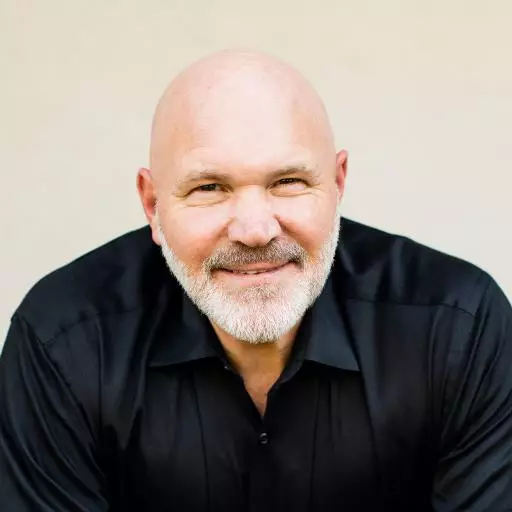
Is it possible to know God’s good and perfect will for our lives? In this message, Pastor Jeff Schreve shares how we can walk in the will of God every day. It’s called, HOW CAN I KNOW GOD’S WILL and it’s from the series, NOW THAT’S A TOUGH ONE: ANSWERING THE DIFFICULT QUESTIONS OF LIFE.
Dr. Jeff Schreve: I like to talk to people that I really believe in my heart are godly folks. I like to talk to them about situations and things in my life to get their insights, to get their opinions, and to see what they have to say about a matter. In a multitude of counselors, there is victory, and God uses other people. God will show you what he wants for you as you just obey him, as you just are willing, as you seek him, as you listen to him, as you get godly counsel. I believe with all my heart God has a great and wonderful plan for you, and he wants you to know it.
Dr. Jeff Schreve: Is it really possible to know God's will and plan for your life? Pastor Jeff Schreve says, yes, it is. It most certainly is. As an example, God wanted Paul to know God's will, and he told Paul in Acts chapter 9 what that plan was. This is From His Heart with Pastor Jeff Schreve, who today will share what scripture says about identifying God's path for your life with three steps to this important insight. The message is called, How Can I Know God's Will? We're in part two today.
And it's one of seven from the series that we're airing this month called, Now That's a Tough One, answering the difficult questions of life. For a list of the questions that are answered in this series and to learn how to get your copy, go to fromhisheart.org. I'll tell you more later. Now though, open your Bible to the ninth chapter of the Book of Acts. Here's Pastor Jeff with the answer to this question, How Can I Know God's Will?
Dr. Jeff Schreve: Anybody that desires to please God has prayed that prayer, "Lord, show me what you want me to do." And that exact prayer is found in the book of Acts. It was uttered by Saul of Tarsus when he met the Lord on the road to Damascus. Look in Acts chapter 9. You'll notice in verse 6 are written these words, "So he," meaning Saul, "trembling and astonished, said, 'Lord, what do you want me to do?'" Two questions Paul asks, "Who are you, Lord?" And the Lord answers him, "I am Jesus whom you are persecuting." And then the second question, "What do you want me to do?"
And the Lord showed Paul what he wanted him to do in Acts chapter 9. And thus we have the conversion of Saul of Tarsus, who became Paul, the great Christian, arguably the greatest Christian who ever lived. Now the three steps to knowing God's wonderful plan and will for your life. Step number one is to understand the parts to the will of God. The parts to the will of God. The will of God is not just one thing, although we think of it as one thing. There are several different definitions of the will of God.
First of all, God has a sovereign will. A sovereign will. We talked about God being the sovereign king this morning. And that means he is the ultimate and final authority. And God has a sovereign will and God's sovereign will is always done without exception, without excuse, without delay. God's sovereign will is always done. There is nothing you can do, that I can do or not do to forestall God's sovereign will.
It's like trying to do something to keep the sun from rising in the morning. There is no way. You are not going to be able to do that. God's sovereign will will always be done. Daniel chapter 4, verse 35 says this, "And all the inhabitants of the earth are accounted as nothing." Nothing before the sovereign God. "But he does according to his will in the host of heaven and among the inhabitants of earth, and no one can ward off his hand or say to him, 'What have you done?'" That's God's sovereign will. And God has a sovereign will.
But God also has a moral will. God's moral will is written in this book where God tells us things that we are to do and things that we are not to do. And God wants us to obey him. He wants us to walk with him. He wants us to do his commandments. Jesus said, "If you know these things, you are blessed if you do them." Lots of people know a lot of things about what God wants them to do, but they do not do them, and you miss out on the blessing because God does not bless you for knowing the things. He blesses you for doing the things.
And in God's moral will, he wants you to obey the commandments that he set forth. The scripture says in First Thessalonians 4:13, "For this is the will of God." Oh, okay, I am going to find the will of God. "Your sanctification," that is, "that you abstain from sexual immorality." In God's moral will, he wants you and he wants me to be pure sexually, to abstain from sexual immorality. So God has a moral will.
And then God has a particular will. A particular will. And God's particular will, God's sovereign will is the same for everybody. God's moral will is the same for everyone. And then God's particular will, that's the one that we really latch on to. That's the one that we say, "Lord, what is that for me?" Because God's moral will is written in his word. It is easy to find out. What's God's moral will concerning lying? "You shall not lie." What's God's moral will concerning stealing? "You shall not steal."
But now when you get into the particular will, "God, what do you want me to do? I have a job offer in this city and a job offer in that city." And I do not know which to do. "God, what do you want me to do? What is your will? What is your particular will for my life?" Now in Saul's case, Saul who became Paul, the Lord was going to bring a man into his life. His name was Ananias. And that man was going to tell Saul what he must do.
Remember Saul's prayer, "Lord, what do you want me to do?" And in verses 10 through 15, Ananias, when the Lord comes to Ananias and said, "Hey, there's a guy named Saul, and he is on a street called Straight, and you need to go and talk to him about me." And Ananias said, "I do not want to do that. That's Saul of Tarsus. Lord, that guy doesn't like you." And, Lord, "he breathes out threats and murders against the disciples of the Lord, and you want me to go talk to him? That's like sticking my hand in the garbage disposal. I do not want to do that."
And the Lord said, "Go." Verse 15, "For he is a chosen instrument of mine to bear my name before the Gentiles and kings and the sons of Israel." That was God's particular will for Saul of Tarsus, who became Paul, the great apostle. Now that's, that's the will that we want to really talk about tonight, the particular will of God. And we get kind of confused with so often, "God, what do you want me to do? I do not know. I seem fuzzy on that particular will." And you know why we get confused about that? Because oftentimes we have myths concerning God's will.
And that is the second step. Step number one, understand the parts to God's will. Step number two, recognize the myths to the will of God. The myths to the will of God. I want to share with you four myths, four lies concerning the will of God. First myth, first lie: God will give you a roadmap. See, that's what most of us want when we pray, "God, show me what to do." And I wanted God to give me a roadmap. See, if God had shown me at 22 what I would be doing at 45, there would be things that I would have bypassed because I would have thought, "Lord, you're going to call me into the ministry when I'm 33 years old. Let's just call me into the ministry now."
And God would say, "No, I'm not going to do that because I'm going to teach you things from 22 to 33 that will really prepare you and help you for the ministry." And he just shined more light on my feet as I trusted him and walked with him. So that's the first myth, that God will give you a roadmap. God does not do that. Myth number two: God does not want you to be happy. Sometimes people get that idea. The will of God, well, that's probably something that's good for me, but it's not going to taste good and it's not going to be something I'm going to like.
The will of God is like taking bad medicine to get well. That's the way a lot of people think about God and about his will. It's going to be bad for me. The will of God is what you would choose for yourself if you had sense enough to choose it, because it's a good thing. It's acceptable. It's tailor-made, and it's fitted for you. So that's a myth. God does not want you to be happy. God's will is no good.
Myth number three: God has a special plan only for the select Christians. Sometimes people think that. Well, you know, yeah, I mean, we're reading about Saul. Well, Saul is not just any old jogleg, run of the mill guy. He's Saul. He became Paul. He's written most of the New Testament. Sure, God's going to call him, but I'm not Saul. I'm Suzy. I'm not Paul. I'm, you know, whatever your name is, I'm Philippe. I'm something else. I'm Pedro. God doesn't call me. He doesn't speak to me. Yes, he does.
Jeremiah 29:11, "For I know the plans I have for you," declares the Lord. You need to know that God still has a plan. I don't care how old you are. Maybe you're here tonight and you're 90 years old. God still has a plan for you, because when God doesn't have a plan for you anymore, then he takes you home. So God still has things that he wants to do. It's a myth to say God only has a special plan for select Christians.
And then myth number four: God makes his will hard to find. A lot of us believe that. It's very, very hard to find the will of God. God hides his will like you hide Easter eggs from little kids. That's what God does with his will. And we're searching all over, and God's hiding it from us. Makes absolutely no sense. Why would God do that? What if I said to my daughters, Jill, Amy, and Sarah, I said to them, "Dad has something very, very special and important he wants each of you to do."
And it's going to be wonderful when you do it. And if you do it, you're going to be so blessed. And if you don't do it, there are going to be consequences. You're going to miss out. And Jill, Amy, and Sarah look at me and say, "Dad, what do you want me to do?" "Well, I'm not going to tell you. I'm not going to tell you. Don't think I'm going to tell you. It's under which shell, you know, you try and figure it out." That would be crazy. That would be sadistic if I did that to them. God's not sadistic. God's not like that.
The Bible doesn't speak of God hiding his will. The Bible speaks of God revealing his will to his children as they walk with him and as they grow in their relationship with him, "for the path of the righteous is like the light of dawn, that shines brighter and brighter until the full day." So how can you and I know God's will and plan? Step number one, understand the parts to the will of God. Step number two, recognize the myths to the will of God. And step number three, apply the principles necessary to discover the will of God, to discover the will of God.
Let me mention five principles. Principle number one is the principle of obedience. Obey God's revealed will. Obey what you already know to do. There's a little maxim that says to know the will of God in all things, do the will of God in the small things. So whatever God has already shown you to do, do that. A lot of times we disobey God in many different areas that he's made blatantly clear to us. "I want you to do this." And we say, "No, I'm not going to do that." "I want you to do that." "No, I'm not going to do that."
We read about God's moral will. "This is the will of God, your sanctification, that is that you abstain from sexual immorality." We say, "Lord, I do not want to do that." The Lord has made that very clear. "I want you to obey my moral will." When you blow that off and then go to God and say, "God, show me what you want me to do." The Lord says, "What for? What for when I showed you this that I wanted you to do, you didn't do it." So there's this principle of obedience, and God is really interested in you obeying him and in me obeying him. First Samuel chapter 15, and verse 22.
The prophet Samuel said to the disobedient King Saul, "Has the Lord as much delight in burnt offerings and sacrifices as in obeying the voice of the Lord? Behold, to obey is better than sacrifice and to heed than the fat of rams." The principle of obedience. There's also the principle of yieldedness. Yield your will to his will. If you want to know what God wants you to do, if you want to discover that, yield your will to his will. Paul did that. He said, "Lord, what do you want me to do?" And he was willing to do what God wanted him to do.
They led this tough guy by the hand into Damascus. And he was willing to be led by the hand. He was blinded by the light of God. Willing to be led by the hand to find out what God had for him and what God wanted him to do. And you and I have to be willing. We have to yield our will to his will. George Mueller was a great man of faith, a great man of prayer. He lived in the 1800s in England. And George Mueller was talking one day and writing about how to know the will of God for your life and how to discover that for your life, exactly what the Lord wants you to do, his particular will.
And he said this, "I seek to get my heart in a state of no will. No will of my own. All my will completely divested to where I can honestly say before God, 'God, not my will, but yours be done. I just want your will in this matter.'" Maybe he was facing a situation where it's, "Do I go in this direction or do I go in that direction? Do I choose choice A or do I choose choice B? Lord, I just give my will up. If you want me to have choice A, then that's what I want. If you want me to have choice B, then that's what I want, but I divest myself of all my personal will in this decision."
John chapter 7, verse 17. Jesus said this, "If any man is willing to do his will, he shall know of the teaching whether it is of God." So much of the time we already make our minds up about a situation and then we bring it to the Lord and want him to rubber stamp our decision. And God says, "Just do whatever you want then." Because you're going to you're going to do whatever you want anyway. So don't even talk to me about it. But when you come and you say, "Lord, I do not know what to do, and I'm willing to do whatever you want me to do," God will answer and God will show you. "If any man is willing to do his will, he shall know of the teaching whether it is of God." The principle of yieldedness.
Then there's the principle of prayer, of seeking the Lord. Jeremiah 33, verse 3 has been called God's phone number. "Call to me, and I will answer you," God says, "and I will tell you great and mighty things which you do not know." In this story of the conversion of Saul, in Acts chapter 9, verse 11, the scripture says this, "And the Lord said to Ananias, 'Arise and go to the street called Straight, and inquire at the house of Judas for a man from Tarsus named Saul, for behold, he is praying.'"
Verse 9 tells us that he was three days without sight and neither ate nor drank. Paul was fasting and praying for three days. "Lord, what do you want me to do?" God says, "If you'll call to me, I will answer you." And when you're faced with, "I do not know what to do, Lord, in this situation," he says, "Seek me about it. Talk to me about it. Pray to me about it. Ask me about it." From a willing heart, from an obedient heart. And God says, "I promise that I will answer you."
And when you're praying about things, prayer is talking to God. And so then not only do we need to pray, and not only is there the principle of prayer, but there's also the principle of listening. And we need to listen, the fourth principle, to his spirit. And God speaks through the Holy Spirit. And God's Holy Spirit takes the word of God. And so often the Spirit of God takes the word of God and speaks it to our hearts about a situation that we are struggling with, that we do not know what to do, a direction that we do not know where to go.
So it's important to seek the Lord through prayer. It's important to keep in his word, reading his word, letting God's word speak to us. And Paul, in this story, Ananias went to him in verse 17, and Ananias departed and entered the house. And after laying his hands on him, said, "Brother Saul, the Lord Jesus who appeared to you on the road by which you were coming has sent me so that you may regain your sight and be filled with the Holy Spirit." And the Holy Spirit came into Saul.
And the Holy Spirit began to guide Saul, and showed Saul which way he was to go and what he was to do. I love that verse in Isaiah chapter 30, verse 21, where the Lord says this, "And your ears will hear a word behind you, 'This is the way. Walk in it.'" Whenever you turn to the right or to the left. I have to listen to God's Spirit. And you know what is convicting for me, and something that I really have to do, I have to take time to just be quiet before the Lord so that I can listen.
So I have to listen to the Lord. I have to spend time reading his word and listening to him. And then the last principle is that of godly counsel. And I need to seek godly counsel. Ananias was godly counsel for Saul. God sent him to Saul to speak to Saul about his life and about his situation and about God's plan for his life. And you and I can learn so much from other people, and God uses other people to speak to our hearts and to give us wisdom and insight about things.
Scripture says in the book of Proverbs, "For by wise guidance you will wage war, and in abundance of counselors, there is victory." I really take that verse, Proverbs 24, verse 6, to heart. I like to talk to people that I really believe in my heart are godly folks. I like to talk to them about situations and things in my life to get their insights, to get their opinions, and to see what they have to say about a matter. In a multitude of counselors, there is victory. And God uses other people. God will show you what he wants for you as you just obey him, as you just are willing, as you seek him, as you listen to him, as you get godly counsel. I believe with all my heart God has a great and wonderful plan for you, and he wants you to know it.
Dr. Jeff Schreve: We pray today's message, "How Can I Know the Will of God?" was meaningful to you. You can listen to part one from last time when you go to fromhisheart.org, and you can also download a free MP3 of that broadcast or any broadcast.
Featured Offer

Amazing grace, how sweet the sound, that saved a wretch like me." Those words were written by John Newton, a former slave ship captain, who experienced the unmerited love, forgiveness, and favor of God through Jesus Christ. Newton was saved ... and he never got over it. Until the day he died, he was singing of God's unfathomable grace. In this series, Dr. Jeff Schreve shares biblical insights into God's grace, a grace that is truly beyond amazing!
Past Episodes
- 12 Real Favorites - Vol 2
- 12 Real Favorites - Volume 1
- 12 Real Favorites - Volume 3
- 12 Timeless Favorites
- 24: Living in the Last Days
- A Decade of Favorites: The Top Ten
- A New Lease On Life
- A New Normal
- All I Want for Christmas
- And They Lived Happily Ever After
- And You Think You've Got Problems
- Arise and Build: Vol 1
- Arise and Build: Vol 2
- Attitude for Altitude
- Back on Track: Getting in on God's Purpose for Your Life
- Beauty for Ashes: The Story of Ruth
- Before There Were Kings: The Cost of Compromise
- Believe and See
- Believing God - Expecting Miracles
- Beyond Amazing: Understanding the Grace of God
- Beyond Ourselves
- Beyond the Glory
- Bold as a Lion
- Braveheart: Becoming a Warrior for Christ
- Breaking the Chains of Religion: Experiencing the Joy and Power of Authentic Christianity
- Built to Last
- Defending the Faith
- Desperate Households
- Discernment in a Day of Deception
- Divine Encounters: What Happens When People Meet the Master?
- Do You Hear What I Hear?
- Do You Want to be Blessed?
- Do You Want to be Free
- Do You Want to Experience His Glory?: In the Awe of God's Presence
- Dreams and Detours
- Face-Off: Fighting for the Faith
- Facing the Giants
- Faith Under Fire: A Study of Jude
- Faithful and True: Introducing the One and Only God
- Fake News
- Family Matters
- Famous Last Words
- Fear No Evil
- Footsteps
- For Such a Time as This
- Forever and Ever: The Reality of Eternal Heaven and Eternal Hell
- Foundations
- Fourth Quarter: How to Finish Strong for Jesus Christ
- Future Shock
- Get Real!: Authentic Christian Life in the Last Days
- God and Money: What the Bible Says About Managing Money
- God's Answer for your Fears
- God's Answer to Your Fears
- God's Last Word to a Lost Generation
- God's Message in Your Emotions
- God's Perfect Gift
- Got Trouble? What to Do When You Don't Know What to Do
- Growing Strong
- I Shouldn't Be Alive
- Impact Christmas
- It's A Wonderful Life
- It's All About Jesus
- It's Beginning to Look a Lot Like Christmas
- It's Not Easy Being Me
- Land of the Giants
- Leaving a Legacy: Lessons From the Life of Samuel
- Let Us Adore Him
- Life Goes On: How to Face a New Normal
- Life is Hard...But God is Good
- Life Under the Sun
- Life's Big Questions
- Living on Purpose
- Location, Location, Location
- Love and Marriage: Doing Family Life God's Way
- Making a Difference
- Making the Grade: Passing Life's Greatest Tests
- Man Up: God's Guide to Real Manhood
- Miracles! Then & Now
- Missing in Action
- Modern Family
- Money Matters
- More Than Conquerors
- No Wonder They Call it Amazing
- Nothing But the Truth
- Now Concerning Spiritual Gifts...
- Now That's a Tough One
- Ready to Rumble
- Real Online Favorites
- Return to Me
- Revelation - the Triumph of the Lamb
- Right on the Money
- Rising to the Challenge: A Study of the Book of Joshua
- Rock Your World
- Roller Coaster: Facing the Ups and Downs of Life
- Satisfaction Guaranteed
- Seasons
- Setting the House in Order: A Study from the book of Titus
- Shine
- Sin and Salvation
- Soldiers of the Cross
- Soul on Fire: God's Plan for Revival
- Standing in the Gap
- Sticking Points: Overcoming Obstacles to Faith
- Storms: What to Do in Troubled Times
- Strong and Courageous
- Strong Faith for Tough Times
- The Blessings of Christmas
- The Church in the Last Days
- The Days of Noah
- The Dividing Line: A Baby Changes Everything
- The Divine Design: God's Plan for Marriage and Family
- The God of Second Chances: Getting Your Life Back on Track
- The Greatest of These is Love
- The Heart of Worship
- The Joy of Christmas
- The Miracles of Christmas
- The Mysteries of the Kingdom
- The Next Step?
- The Power of Giving
- The Questions of Christmas
- The Recovery Room
- The School of Prayer
- The Things You Need to Know: A Study of 1 John
- The Three Gifts of Christmas
- The Thrill of Hope
- The Truth About...
- The Truth In Love
- The Unknown God
- The Walk
- There's No Place Like Heaven
- This is War!: Overcoming The World, The Flesh, and The Devil
- Turning Trials to Triumphs: 2 Corinthians
- We Are Family
- We Are Soldiers
- What a Beautiful Name: Isaiah's Description of the Promised Messiah
- What is His Name?
- When the Son of Man Comes: A Study of Matthew 24-25
- Who Is This Man?: The Gospel of Mark
- Why on Earth am I Here?
- Will God Bless America?
- Witness: Shine for Christ - Share Your Story
- Written in Stone: A Study of the Ten Commandments

Video from Dr. Jeff Schreve
Featured Offer
Amazing grace, how sweet the sound, that saved a wretch like me." Those words were written by John Newton, a former slave ship captain, who experienced the unmerited love, forgiveness, and favor of God through Jesus Christ. Newton was saved ... and he never got over it. Until the day he died, he was singing of God's unfathomable grace. In this series, Dr. Jeff Schreve shares biblical insights into God's grace, a grace that is truly beyond amazing!
About From His Heart
From His Heart Ministries is the TV, Radio and Internet broadcast outreach of Dr. Jeff Schreve who believes that no matter how badly you have messed up in life, God loves you and has a wonderful plan for your life. We’re on mission to help a new generation discover their creator through the preaching of the compassionate, relevant, yet uncompromised truth of the Gospel. Pastor Jeff speaks the truth in love with clear biblical content combined with engaging, personal stories. His messages are filled with life-giving principles for everyday living and eternal assurance.
On Television: From His Heart is seen each week on Lightsource and also around the world on The Hillsong Channel, NRBTV, The Walk TV, and hundreds of TV stations across America and around the world. Go to Click Here to find the station near you.
On Radio:Click Here to listen to the daily radio broadcast available on OnePlace.com as well as 720+ outlets across America.
About Dr. Jeff Schreve
Growing up in a church-going home, Jeff learned a lot about God, but he did not know God. He believed in Jesus in the same way he believed in George Washington: he knew Jesus was real, but had not personally met Him. All this changed one night after a Young Life meeting when he was alone in his bedroom. There Jeff saw his need for Christ and His forgiveness and surrendered his life to Jesus.
As a student at the University of Texas, Jeff grew in his Christian life. He graduated with a degree in business and moved back home to Houston, Texas to start a career in business. There he met his future wife, Debbie, at a single's group meeting at Champion Forest Baptist Church. They were married in 1986 and have been blessed with a wonderful relationship and three awesome daughters and two beautiful grandchildren.
A New Direction
After spending 13 years as a chemical salesman, God called Dr. Schreve to preach. He left his secure position and moved his family to North Carolina to attend Southeastern Baptist Theological Seminary. It was a scary and difficult move to make ... but it was one of the best decisions they have ever made. One year later, God called them to serve on staff at Champion Forest Baptist Church. In 2000, he completed his Master of Divinity degree graduating from Southwestern Baptist Theological Seminary. He graduated with a Doctor of Ministry degree in 2014 from Southeastern Seminary.
Jeff Schreve has been the senior Pastor of First Baptist Texarkana in 2003, a growing and exciting church with 4500+ members.
Contact From His Heart with Dr. Jeff Schreve
infoFHH@fromhisheart.org
http://www.fromhisheart.org
Order Line
866-40-BIBLE
Leave a Prayer Request
PRAYERWORKS