
Grace, Peace, Glory
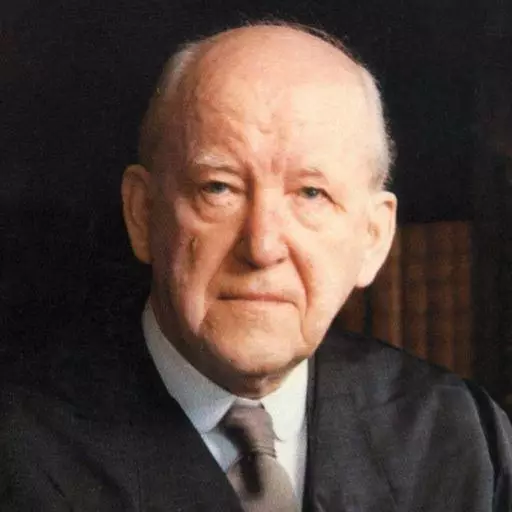
Dr. Martyn Lloyd-Jones: The words to which I should like to call your attention this morning are to be found in Paul's Epistle to the Ephesians. The first chapter and the second verse. The second verse in the first chapter of Paul's Epistle to the Ephesians. "Grace be to you and peace from God our Father and from the Lord Jesus Christ." "Grace be to you and peace from God our Father and from the Lord Jesus Christ."
Now here, obviously, we are still continuing to consider the apostle's salutation addressed to these members of the church at Ephesus, and perhaps in other churches also, to whom this particular letter was addressed.
We saw last Sunday morning that it is of vital importance for us to pay careful attention to what the Apostle says from the very beginning. That nothing that he does is merely formal. And though he is here up to a point being formal in just offering this preliminary salutation, he is not doing so as the world does so.
Because everything that one does as a Christian differs essentially from everything that is done by the non-Christian. Even the introduction to a letter is different because we are Christian.
Well now, we saw last Sunday morning that in the first verse the Apostle reminds these Ephesian people as to what they were because they were Christians. He reminds them that they are saints, that they are faithful, in other words, that they are believers, and believers who can be relied upon, and they are also, and still more wonderful and amazing, "in Christ."
Those are the things, the fundamental things always about the Christian. The Christian is a saint. He is a man set apart. He is taken out of the world and its realm. He is devoted unto God, and is set apart by God and for God. He's a saint.
He is also one who believes, and we considered hurriedly and briefly the essence of that belief. We shall have to come back to it. But he is a believer. He isn't a man who's had an experience only and merely. He knows the cause of that experience. He knows in whom he has believed. He's a man of faith, and he has faith in certain things. If you like, he has faith in the faith, and he knows what that faith is. So, he is faithful.
And above all, he is one who is in Christ, belonging to him as a limb does to a body. The relationship is that of the head, which is Christ to the members of the body and to the various parts and portions.
Well now, having in that way described in the first verse what the Christian is, here in this second verse, again, still as a part of the salutation, the Apostle goes on to tell us what we ought to be enjoying because we are Christians. The benefits that we should be enjoying as the result of this position.
And he puts it in these words, which in some shape or form are to be found at the commencement of almost every single New Testament epistle, "Grace to you and peace from God our Father and from the Lord Jesus Christ."
Now, it was the custom amongst all ancient peoples to greet one another when they met in this way. And the famous and favorite salutation which one Jew was addressed to another was, "Peace, peace be with you." Peace was their great term. The Apostle here doesn't merely say that. He goes well beyond it. That has been taken up, and it's been lifted up into this new Christian realm, so that the Christian greeting, I say, and salutation is much bigger. It's much wider, and it's much more profound than was the more or less formal salutation with which men used to greet one another.
I'm emphasizing this because I do think it's of such tremendous importance. The Apostle doesn't use words like this lightly and loosely and thoughtlessly. It isn't a sort of formula which he just puts down automatically, and you might almost have it printed already on your letter, the sort of thing one always does, and then you begin to write for yourself. Not at all.
The words he uses are charged with profound meaning. And as he expresses this wish and this desire for the Ephesians and these other Christians, he is, as I'm hoping to show you, wishing and desiring for them that they may experience fully all these profound riches that are to be found in the Gospel of our Lord and Savior Jesus Christ. In other words, we shall see as we come to analyze this verse, that it contains some of the profoundest truths of our faith.
That its terms, every one of them, are of the most vital importance. May I again interject this remark? When we read our Bibles, there is nothing, obviously, therefore, that is more important than this than to look at every word, to question it, to ask what its meaning is.
How easy it is to decide to do a certain amount of Bible reading every day, and you do it at a certain time, and follow it by a brief prayer, and your main idea is to read your portion. And we skip over these words, we slide over them. These profundities of our faith here at the very beginning, in the very introduction. I say that here in this preliminary salutation, the Apostle plunges us at once into the very depths of the profoundest truth and doctrine that is to be found anywhere in the scripture.
Or let me put it to you like this. This verse, I think we shall see, is a kind of overture to the whole epistle. You know the technique, you know the fashion in great pieces of music, various forms of music in particular. The man starts by composing the main body of the work. It may have various movements, it may have various acts. And he has his theme in the first and the second and the third movements, or the first, second, or third act. And certain things stand out. Then having finished the work, he goes back to the beginning, and he writes an overture.
The overture is the last thing the man writes. He doesn't start with it; he ends with it. And what does he do in his overture? Well, generally, he collects together these main motifs, or even the main leitmotifs, the particular themes that have come out in the body of the work. In the overture, he just hints at them. He throws out a suggestion. You'll hear a note or two or a bar or two of something that is fully developed and expounded in the main body of the work. Here, it's merely in embryo. It's here in suggestion. And he gives you some kind of a foretaste to stimulate and to whet your appetite in order that you may know what he's going to develop at greater length and with a fuller richness in the main body of the work.
Now, this second verse in this first chapter of this Epistle to the Ephesians, I'm suggesting, is the overture to the entire epistle. Its major themes are all hinted at here. So that as we come to analyze it, we shall find ourselves face-to-face with them. Obviously, we shall go into them in greater detail later on. But let's note them at the very beginning. What are they? Well, in a sense, they are here in two words: grace, peace. "Grace unto you and peace from God our Father and from the Lord Jesus Christ."
Now, there are no two words which are more important in the whole of our faith than just these two words: "grace and peace." And yet, I say again, how lightly do we trip them off our lips and off our tongues, "grace and peace," without stopping to consider what they mean. Well, they mean this much in a nutshell: Grace is the beginning of our faith, peace is the end of our faith. Grace is the fountain. It's the spring, it's the source. It's that particular place in the mountain from which that mighty river that you see there rolling into the sea starts and begins. Without that, there'd be nothing.
Grace, I say, is the ultimate origin and source and fount of everything in the Christian life. And what does the Christian life lead to? What is it meant to produce? The answer is peace. So there's the source, and there is the end. There is the beginning, there is the end. There is the initiation, and here is the purpose for which it's all meant and designed and intended.
And therefore, it's always a very good thing for us to carry those two words in our mind and to remember that you can put the whole of your Christian faith, all you believe in detail and all you've ever experienced as the result of it, it all comes within these two bounds of "grace and peace." Everything is included there. That is why I say that in this one verse and in these statements, the Apostle really does present us with the whole Christian truth.
But come, let us look a little more closely at them. What is grace exactly? This thing with which he starts, and with which, and because of which, he tells us that everything else eventuates, what is grace? Well, it's notoriously a very difficult thing to define. But attempts have been made at definition, and I put them before you. I think they are very good. Grace essentially means unmerited favor. Unmerited favor. Favor that you don't deserve. A favor is received which you have no right or title to in any shape or form, and of which you are entirely unworthy and entirely undeserving. Grace. That's it.
Or if you prefer it, you can call it condescending love. Love coming down, condescending, stooping down. Or if you prefer it, you can call it beneficent kindness. All these things mean more or less the same thing. But there, they are descriptive of what is meant by this extraordinary thing which is constantly put before us in the New Testament by this amazing and wonderful and glorious word, "grace." The thing, you see, that Philip Doddridge used to like to contemplate, and which made him burst forth into song one afternoon and to say, "Grace, it is a charming sound, melodious to my ear." That's it, grace.
One of the most beautiful words in the language, in every language, however it's translated. It is, I say, one of the most beautiful and glorious words in the language. Well then, what's peace? What exactly does peace mean? The danger always with this word "peace" is to give it a connotation, or to attach meaning to it, which, while true up to a point, falls very far short of the whole and of the complete meaning.
Peace does not merely mean cessation of war. It does mean that, but it means much more than that. Peace doesn't merely mean rest and quiet. It does mean rest and quiet, but it means very much more than that. I say the danger always with peace is to think of it negatively, that it's merely the absence of something that's very different, of warfare and boisterous and discord and so on, and that that ends, and therefore you have peace.
I suppose that it is very largely because the nations of the world have habitually thought of peace in those terms that we've never really had a true peace. The peace that you see and read of in your history books is merely the interval between wars, unfortunately. And that is because the whole of mankind has this totally unworthy and inadequate conception of peace. It isn't merely that you stop fighting. It is that, but it goes well beyond that. Well, what does it mean?
Well, in a very interesting way, it is true to say that the actual root meaning of the word that is translated "peace" is union. Union after separation. Now, that isn't my theory, that isn't my idea. That is simply an actual fact. The root meaning of the word is union, bringing together, reconciliation after a contest and a quarrel. That is what peace really means. Now, the word itself is a word that comes into a term that is sometimes used. We talk about a man offering "irenicum" to another when there's been a dispute. A peace offering, a proposal for peace.
Well now, the meaning of that word, this "irenicum," is that it's proposing a union, bringing together, a reconciliation. In other words, the two persons who have quarreled don't simply put down their pistols or their swords, and just stand and look at one another instead of trying to kill one another. It isn't that; they come together, they shake hands, they're joined. There's a union. There's a reconciliation where there was a contest and a separation and a discord. They've been brought together.
Now, you noticed, I read to you that second chapter of this Epistle at the beginning, and it's all there. He has made of the twain one. Those who were within and those who were without, those who were near and those who were far off, they've been brought together. The middle wall of partition has gone. They've been made one, and by one spirit, they go together to the one Lord. That's the idea. That's the meaning of peace.
Well, says someone, "Is that all? Grace be unto you and peace from God the Father and from the Lord Jesus Christ." The beginning and the end. Grace and peace. And we finished. Oh no.
For the moment you confront something like this, you're bound to ask a question. And the question you're bound to ask is this: Why does the Apostle wish this for these Ephesians? Why does he, as he writes to them, and out of his great love toward them, why does he say, "This is what I desire for you. This is what I wish for you. This is what I'm praying for you." Why does he offer such a wish and such a prayer and such a desire?
Well, you see, the moment you ask that sort of question, you'll find that the answer is, as I've already been saying, the whole of Christian doctrine. Now, we are concerned on these Sunday mornings not merely to discuss and to consider together this great truth and to apply it to ourselves. Incidentally, I trust that we are learning many other lessons as we go along. And one lesson is this, surely, that we must learn how to read the scriptures. And if I may put it like this, there is no one thing that is more important when we read the scriptures than just this: to ask it questions.
The scripture likes being questioned. It likes you to ask questions. And I'm giving you an illustration of that. I read, "Grace be to you and peace from God our Father and the Lord Jesus Christ." And I ask, "Well, why do I need grace and peace? Why does the Apostle wish me to know that? What does that tell me? Why does he use these terms? Why didn't he use some other terms? What's what's the background? What's the content of all this? He says this as the result of something else." Of course. And what is it? Well, let me remind you very hurriedly of it.
By desiring grace and peace for us, he's telling us something about ourselves. He's telling us the truth about ourselves. He is telling us, in other words, that what we need above everything else is grace, which will lead to peace. Well, why do we need this grace which will lead to peace? Well, the answer is because man is what he is as the result of the fall and as the result of sin.
What is that? Well, here it is, according to the scripture, you've got it again in that second chapter, which seems to be an amazing exposition of this second verse of the first chapter. Man in sin, you see, is at enmity with God. Man by nature, as he's born into this world, is a hater of God. He's not only separated from God, but he fights God. He hates God. He's an enemy and an alien in his mind from God. The law of God is hateful to him. Everything that is in him by nature is utterly opposed to God.
That's the truth about men. And the result is, you see, that man in this condition is fighting God, opposed to him, hating him. That's why he delights to read in a newspaper that somebody by looking down a microscope has claimed to be able to prove that there is no God, and religions are all wrong. Man jumps at it and likes it. Why? He's a God-hater. And so on. Well, very well, there he is. He's in a state of enmity against God.
Yes, but you see that leads to something else. Because he's in this wrong relationship to God, he's also in a state of enmity against himself, in a sense. He's fighting this warfare against God outside, but because of that, he's fighting a war within himself also. Now, this is the whole tragedy of men. He doesn't believe what I'm saying by nature, but it's a fact. It's true of him. Man is in a state of internal conflict, and he doesn't know why. But he is in a state of internal conflict.
He wants to do certain things, but something in him tells him that it's wrong to do those things. And therefore, he quarrels with himself. He's got something that he can't get rid of, which we call the conscience, which go where he will, will never leave him. And though he thinks he can do a thing and be perfectly happy and get away with it, he can't. He may silence other people, but he can't silence this voice that's inside him. There's a state of internal warfare. There is a tension. And man doesn't know why it is, but he knows that it is so.
But here, you see, in the scriptures and in the Gospel, we know exactly why it is. Man was made by God in such a way that he can only be at peace within himself, even when he is at peace with God. Man was never meant to be a god, but he's trying to make himself into a god. He sets up his own standard, and his own desire, and his own rules and laws, and he's in this impossible, precarious position. Something in himself denies it, and there he is, quarreling and fighting in a state of tension.
He doesn't know very much about peace. He hasn't got peace with God. He hasn't got peace within himself. Yes, but still worse, because of all this, he's in a state of warfare with everybody else. Because, unfortunately for him, everybody else wants to be a god also. Because of sin, we've all become self-centered, egocentric, they call it. Turning in upon the ego, pandering to the ego. This thing that we put up, and which we put on a pedestal, and which we think is so marvelous and wonderful, superior to everybody else. Yes, but everybody else is doing exactly the same thing. And there's a war amongst the gods.
We are all supreme. We are all right, and everybody else is wrong. But the other man is saying exactly the same thing about me. And the result is the tension and the warfare and the discord and the unhappiness between men and men. Now we begin to see why the Apostle prays that we may know peace. There is man and there is man's life as the result of sin and as the result of his falling away from God.
He is in a state of disunity, within and without, in a state of discord, in a state of warfare, in a state of unhappiness, in a state of wretchedness. Oh yes, but it doesn't even stop at that. Man has brought all this upon himself by his disobedience of God. He can dislike that again and he can deny it, but he can't get away from it. He's tried to put forward every other conceivable explanation, but it doesn't hold. He's brought in the theory of evolution, which tries to explain it all by saying that man was just an animal a few millennia ago, and he's only slowly coming out of that, and therefore he's imperfect, and he will be all right. But you see, he doesn't seem to get all right.
You would have gathered from the teaching of the last century, from the biologists and the poets and the philosophers, and the politicians, that by this century man would have really emancipated, and that there would have been perfect peace. But it hasn't come. It's the other way around. So man tries to explain it in other ways, but he can't. Man has brought all this upon himself because of his disobedience of God. I can prove that in this way. Man dislikes correction.
He dislikes the whole idea of law. He scoffs at it, he jeers at it, he ridicules it. He regards law as an insult. He says that, of course, because he believes he's so wonderful, that he doesn't need to be kept down by a law. He can do that for himself. And he resents this interference. In other words, and this is the great message of the Bible, isn't it? Though man has fallen into sin, and has got himself into this wretched state, God has still been concerned about him. And God has intervened, and interfered, and God has given laws, and God has given directions. But what has man done with them? Invariably, he has rejected them. He has spat upon them. And he spat into the face of the God who gave them.
It is God who has appointed kings, and countries, and bounds, and territories, and magistrates who wield the sword in order to keep things within bounds. But man's always fighting against this. He dislikes it. Thereby, I say, you see his terrible hatred of God and his enmity against God. God, man is rejecting always what God proposes for him.
And you see, there's only one inevitable conclusion to come to therefore with respect to man. Man richly deserves the fate that he's brought upon himself. Indeed, we can go much further. Man deserves something much worse, much bigger. He deserves to be punished. He is not only a lawbreaker who deserves to be punished. He's a fool who will not listen and who rejects the overtures, and therefore, I say, he deserves punishment, he deserves damnation. There's no excuse for man. He deliberately sinned and fell. He deliberately rejects God's guidance.
Can you offer any plea for such a person? Given the Bible, he laughs at it. Though you can see in the Bible that the men who conform to it find happiness and peace and joy, man rejects it and laughs at it. Though man has to admit theoretically that everybody in the world, if everybody in the world this morning were a Christian, most of the problems would be solved and would be vanished, still he rejects Christianity.
I say that such a creature deserves nothing but suffering and punishment and hell. That's man as the result of his own action in sin. But you see, it's just at that point this marvelous message of the Gospel comes in. There we see man as he is. But the whole message of the Gospel is introduced by this word, "grace."
What does grace mean? Well, I've already been telling you. It means this: that in spite of everything I've been saying about man, God still looks upon him with favor. Now, you'll never understand the meaning of this word "grace" unless you've accepted fully what I've been saying about man in sin. And that is why, you see, the modern conception of grace is so superficial and inadequate. We don't like the idea of sin. We don't like it even in Christian circles. Alas, it's a word that people are trying to get rid of. And it's because of an inadequate measure of sin that they have an inadequate conception of the grace of God. If you want to measure grace, you must measure the depths of sin.
But this is grace. In spite of all that is so true of man, God looks upon him with favor. It's utterly unmerited. It's entirely undeserved. It's the very opposite of the logic of sin and what it led to. But that is the message. "Grace be unto you." Unmerited, undeserved favor, beneficent kindness, a condescending love. When man in sin and shame deserved nothing but being blotted out of existence, God looked upon him in grace and mercy and dealt with him accordingly.
So, you see, this one word "grace" at the very beginning introduces it all. But of course, it's the great theme of the scripture everywhere. Listen to Paul putting it elsewhere. "While we were yet sinners," he says, "Christ died for us." But he goes even further. "If, while we were enemies, we were reconciled unto God by the death of his Son." There it is. Not only sinners, but enemies. Not only have we fallen from God and disobeyed him and find ourselves in this wretchedness. Beyond that, you see, there's this enmity, this hatred. This utter antagonism in the spirit to God.
Well, the Gospel is that in spite of all that, even while we were yet enemies. God has done all this, and what has he done? Well, what he has done is to make peace. Again, you had it coming out in the second chapter in the reading at the beginning. He has reconciled us unto himself. He has brought us into a state of union with himself. This looking upon us in grace has ended in peace. And it is a perfect peace.
You see, it undoes completely everything that I've described to you as the result of sin. First and foremost, it gives a man peace with God. "Being therefore justified by faith, we have peace with God." We have been reconciled unto God. The enmity between us and God is gone because of what God has done in his grace, in the way that I'm going to show you. But the result of grace is not only peace with God. It gives a man peace within.
It enables a man for the first time in his life to answer an accusing conscience. It enables a man for the first time in his life to have peace as he looks across his past life and sees certain things in it. It's the first time in his life a man is able to live with himself and to know that all is well, and the conflict is gone in this fundamental sense. He understands for the first time the cause of all his troubles, and he sees a way of overcoming it all, and the final victory that is awaiting him in Christ. In a perfect sense, he knows that he's going to arrive at an ultimate state of final wholeness.
So, he is at peace with himself. And in turn, of course, that leads him to a state of peace with other people. I look forward to treating this in detail sometime. But here it is in a nutshell at the very beginning. The moment a man becomes a Christian, nothing remains the same, and nobody else remains the same. The person he formerly hated, he now sees as just a victim of sin and of Satan, even as he himself was, and he begins to feel sorry for him. He says that man doesn't know why he's like that. What he needs is the grace of God. What he needs is this peace that has been given to me.
You see, the enemy becomes someone for whom he prays, as our Lord has told him to do in the Sermon on the Mount. You pray, you love your enemies. You pray for those that use you despitefully and malign you. Why? Well, you've got a new view of them. And the enmity is taken out by the new view. And you want to be reconciled. You want to be one. Peace.
Oh, it's a marvelous thing: this peace with God, peace within, and peace with others. And as the scriptures go on to tell us, even something added to all that. What is sometimes called "the peace of God," which means this, you see, that whatever may be happening round and about you, you've got the peace of God which passes all understanding, and it keeps your heart and your mind in Christ Jesus. He's not only given you peace; he's provided for the preservation of peace. You are garrisoned by a power and by a person that will keep you at peace. Other things are constantly coming in to try to upset this peace.
They'll try to upset your peace with God. The devil will tempt you. He'll try to upset your peace within. You'll be convicted of sin, and you won't know what to do, and you'll feel you've sinned against the light. And you'll be tempted to war against others. The temptation will be always there, but there is a peace of God that passes all understanding that will garrison our hearts and minds. That's the peace to which the grace of God leads.
But the thing I'm anxious to emphasize this morning above everything else is this, that all this comes to us as the result of the grace of God. "Grace be to you and peace from God." You see, we deserve nothing. We didn't even desire it. We could never achieve it. But God gives it all. I'll have to come back to that. This first chapter is full of that kind of thing. But it's all by grace, my friends. It's entirely the free gift of God. That's the meaning of grace. Undeserved favor. Don't talk lightly about grace. Don't go and deny what you mean by grace when you come to your doctrine of salvation. It means unmerited favor, entirely undeserved, because what we are in sin. But God, in spite of that, gives it. That's grace.
But let me ask a second question. How does all this happen to us? On what basis can all this happen to us? That's the second question I must ask this verse. And you see, the answer is here at once. It's all in these two words: "our Father." "Grace be unto you and peace from God, our Father." Grace at once changes your whole attitude towards God because it's changed your whole conception of God.
God is to the Christian his Father. God is not just some philosophic X in the distance, whom he talks about learnedly and cleverly in his philosophical disputes and in his books. God is not just some great force, some great mighty power away in some distant heaven. He's the Father. My Father. Our Father. You see, the whole relationship between man and God has been entirely renewed and changed. God, I say, is not merely now some awful, terrible Lawgiver away in the distance, waiting to damn. He is still the Lawgiver, but he's my Father also. So, I say, Father.
Oh yes, but let's be careful. There are pitfalls all around us. How is God my Father? "Oh," says many a modern man, "God is the Father of all men. I believe in the universal Fatherhood of God and in the universal Brotherhood of men." Wait a minute, my friend. There is a sense in which God is the Father of all men. Paul, in preaching to the Athenians, says that in creation God is our Father, in this sense, that we are all his offspring. That is God in his relationship to us as Creator. The author of the Epistle to the Hebrews says the same thing when he describes God as the Father of spirits. And God is the Father of all spirits as he is the maker and the Creator, and in that sense, the progenitor of all spirits, and we all have spirits.
But when the Apostle here says, "Our Father," he isn't speaking like that. That is, if you like, "the Father." Here he says, "our Father." For man, having sinned, has fallen from that initial relationship. And therefore, our Lord was able to say to certain Jews, "You are of your father the Devil," and are no longer therefore the children of God. Man has fallen from this. So that the Apostle is not simply describing God in general terms of fatherhood in terms of creation. Well, what does he mean then? How is he putting it? Well, the answer is here again in the next word. Listen. "Grace be to you and peace from God, our Father, and from the Lord Jesus Christ." Here's Christianity. Here's the thing that changes everything. It's the Lord Jesus Christ. And lest there be any mistake or confusion about this, he's introduced at once in the very salutation. "Grace be unto you and peace from God the Father and from our Lord Jesus Christ."
The grace and the peace, you see, come equally from the Lord Jesus Christ as from the Father. Now, this is absolutely vital doctrine. There is no such thing as Christianity apart from the Lord Jesus Christ. There is no blessing from God to men in a Christian sense except in and through and from the Lord Jesus Christ. A thing which claims to be Christianity without having Christ at the beginning and at the center is a denial of Christianity. Call it what you will. This end, I say, introduces the whole of vital Christian doctrine.
There is no Christianity apart from him. He is everything. Well, who is he? Who is this person that the Apostle adds, as it were, to God the Father? Well, listen to the terms. He is "the Lord." That's the first term. What does that mean? Well, it means "Jehovah." This word here translated "Lord" was the word used by the Jews in the Old Dispensation for God. The ultimate, the greatest name of all. The name that was so sacred and so marvelous that they didn't even dare to use it. Jehovah. The ultimate name of God, the Covenant God.
This is the name that is applied to this person. He is Jehovah. God the Father, and that's the Christian claim. And what a claim it is. He's talking about someone who is described also as Jesus of Nazareth. But he doesn't hesitate to say, "God and..." He puts him by the side of God. He's equal with God. He's co-equal, he's co-eternal. There's the whole of your great Christology. The person of Christ. God the Father and... He can be put there without any irreverence. He can be put there without blasphemy. He can be put by the side of the only true and living God. God the Father and the Lord.
He is indeed the eternal Son of God. With God from eternity, "In the beginning was the Word, and the Word was with God, and the Word was God." But let me go on. He's also Jesus. And what does this mean? Well, this means that he is a man. The Babe born in Bethlehem. The name given was Jesus. The boy in the temple, who is he? Jesus of Nazareth. The carpenter. Who is this marvelous carpenter? Jesus. The son of Joseph and Mary, apparently. There he is and his brethren. Who is this man who starts preaching at the age of 30? He's Jesus again, this Jesus of Nazareth. Who is this miracle worker? Jesus. A man who's lived amongst men as man. Jesus. The Lord Jesus.
Yes, you notice in the next verse we are told still more about him: "Blessed be the God and Father of our Lord Jesus Christ." He's the Lord. He's Jehovah. He's God. Yes, but God is his God also. And God is his Father. What's this? This is a mystery. He said himself just before the end, he said, "I go to my God and your God, and my Father and your Father." He'd already said, "The Father is greater than I." But he's the Lord Jehovah. He's the firstborn, I'm told in another place, among many brethren. But he's Jehovah. Yes, but he's also Jesus. The Lord Jesus. God and man.
You see, the whole doctrine of the Incarnation is here in this second verse. And that is exactly what it's teaching us. It is this, you know what grace is? I'll tell you. Grace is the second person in the blessed Holy Trinity, coming down in condescending love to reconcile us to God. It's the Lord Jehovah becoming Jesus, taking upon him our nature, taking upon him our problem, standing with us, submitting to baptism, though innocent, he didn't need it because he was righteous, but he did it. He came down and he stooped, and he went to the dregs and to the depths. That's grace. The condescending love of God. God so loved the world that he gave his only begotten Son.
Yes, and go on to the last word, Christ. The Lord Jesus Christ. The Savior. The Anointed One. The Messiah. The one who is sent to redeem mankind. And he's come, and he's done it. You see it in Lord and Jesus. He's come right down. Oh, but he went even lower than that. He didn't merely assume the likeness of sinful flesh. He took our sins upon him. And he bore their punishment upon the cross, and his blood was shed, and it's as the result of that, this Epistle tells us, that we are reconciled to God and given this peace with God.
Yes, but even more wonderful. Having taken our nature unto himself, he then gives us his nature. For grace doesn't merely give us forgiveness; it gives us a new birth. And we become the children of God. The Son of God became the son of man, that the sons of men might be made the sons of God. And you see it means this, that not only have we this peace with God, and within and with others and so on. But we enjoy the favor of God. That's the grace of God. Why? Well, because we are now the children of God. In Christ, God who is his God and his Father has become our God and our Father.
So, the Apostle can say, including us who are Christians with himself, "Grace be unto you and peace from God, our Father, and from the Lord Jesus Christ." The highest honor of all, the greatest thing of all, is that we become the children of God and shall spend our eternity in the presence of our Father. Grace. It's all undeserved. But that's what it leads to. Peace. Sonship. Ultimately, glory.
Featured Offer
Find peace and comfort this season with your complimentary guide that includes access to 6 free bonus sermons on overcoming spiritual depression from Dr. Martyn Lloyd-Jones, one of the church’s most beloved Bible teachers. Topics include: true Christians can and do struggle with depression, recovering the joy of your salvation, dealing with crippling guilt over past sins, dealing with yesterday’s haunting regrets, encouragement to keep moving forward, and understanding God’s purpose for suffering.
Past Episodes
Featured Offer
Find peace and comfort this season with your complimentary guide that includes access to 6 free bonus sermons on overcoming spiritual depression from Dr. Martyn Lloyd-Jones, one of the church’s most beloved Bible teachers. Topics include: true Christians can and do struggle with depression, recovering the joy of your salvation, dealing with crippling guilt over past sins, dealing with yesterday’s haunting regrets, encouragement to keep moving forward, and understanding God’s purpose for suffering.
About From the MLJ Archive
From the MLJ Archive is the Oneplace.com hosted ministry of the MLJ Trust. Our mission is to promulgate the audio ministry of Dr. Martyn Lloyd-Jones.
About Dr. Martyn Lloyd-Jones
Contact From the MLJ Archive with Dr. Martyn Lloyd-Jones
info@mljtrust.org
http://www.mljtrust.org/
PO Box 953
Middleburg, VA 20118
