

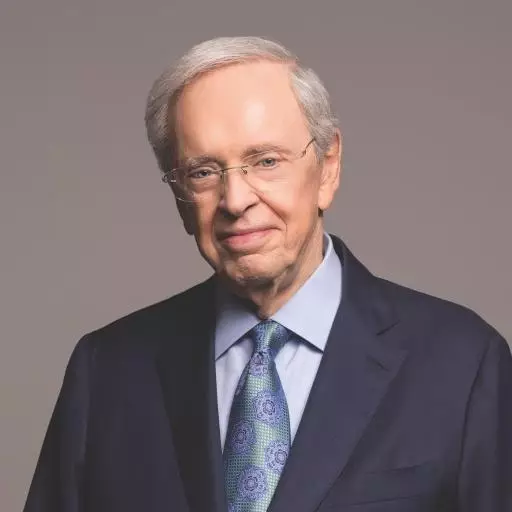
Requirements for the Ministry of Intercession - Part 1


One of the most powerful and influential acts we can accomplish for someone else is to intercede on their behalf in God’s presence. Dr. Stanley teaches us the true meaning of the ministry of intercession on behalf of others. Learn how to bring petitions to God with increasing confidence and faith.
Dr. Charles Stanley: God keeps bringing this person to your mind. When he does that, it may be that he wants you to stop and take time. You may have to say, Lord, I don't know what's going on in his life at this moment, but somehow you keep bringing him to my mind. I want to bring him before you, whatever trouble he's in, whatever temptation she may be facing, whatever the difficulty, whatever the hurt. I don't know the circumstances, but I know the Holy Spirit knows.
Guest (Male): Think about the content of your prayers. How much time do you spend centered on your needs, how much is focused on the needs of others? Today on Intouch, the teaching ministry of Dr. Charles Stanley will be reminded of our responsibility to pray for others as we learn the requirements for the ministry of intercession.
Dr. Charles Stanley: The most powerful and influential act you can ever perform in behalf of anyone else is to take that person to God in prayer. That is for you to intercede in their behalf in the presence of God. That is the most powerful, influential act you can ever perform in behalf of anyone else. And the title of this message is requirements for the ministry of intercession. All intercession is prayer, but all prayer is not intercession. Because some prayer is thanksgiving, some is praise, some is petition, adoration, worship. But then there is the ministry of intercession. And someone has defined intercession as love on its knees.
It is coming to God in behalf of someone else, standing in for the other person and pleading their case before Almighty God. In Romans chapter 9, if you will turn there, and the first five verses, we find the heart of a real intercessor in the life of Paul. Because having finished this great eighth chapter of Romans where he talks about the victory that is ours in Christ Jesus, and ends up by saying, who shall separate us from the love of Christ? And he answers that. And then he says, we are more than conquerors through all of these things.
Then he begins in chapter 9 verse 1 by saying, I'm telling the truth in Christ. I'm not lying, my conscience bearing me witness in the Holy Spirit that I have great sorrow and unceasing grief in my heart. For I could wish that I myself were accursed, separated from Christ for the sake of my brethren, my kinsmen according to the flesh. Who are Israelites, to whom belongs the adoption as sons and the glory and the covenants, and the giving of the law and the temple service and the promises. Whose are the fathers and from whom is the Christ according to the flesh, who is overall God blessed forever.
Amen. Here is a man who is saying, I am willing to go to hell in order that all Israel may be saved. Now I want you to understand that in this message, I'm not expecting everyone to respond by saying, Lord, give me the ministry of intercession. But all of us should have a ministry of intercession that is bringing others before God in prayer. There are some people who are called to a ministry of intercession. That's their life calling. That's their work. That's their ministry. All of us should be in prayer. All of us should be praying for many things, but there are some people whom God calls to the ministry of intercession.
But on the other hand, all of us have and should have a ministry of intercession that is bringing other people. We should begin with our own family, our children. Then there are many other people for whom you and I going to pray. But it's one thing simply to pray for someone, but it's something else to begin to intercede in their behalf before Almighty God. John Wesley once said, give me a hundred men, a hundred men who fear nothing but sin, nobody but God. He says, I care not a straw whether they be laymen or preachers.
Their prayers will shake the gates of hell. As you and I look into history and see how God has used many great servants, all of these servants had behind them someone who was an intercessor. Every child needs that kind of a father and that kind of a mother. And every parent needs that kind of a son and daughter, someone lifting them up. And all of us have had many, many experiences where God has intervened in our life as a result of someone else is praying and we didn't even realize it. And then sometimes we did.
When you and I begin to think about how God works in a person's life and how you and I become intercessors, an intercessor is simply a person who brings before Almighty God someone else. You don't intercede for things. You petition God for things. You intercede for persons. Usually, God will teach us how to pray intercessorily by laying an individual in our heart. Then he may have you praying for large groups of people. But usually, he will begin teaching you the principles by laying a particular person in your life. God will begin to lay the ministry of intercession.
Now I want to say again so you will not misunderstand. What I'm about to share with you are the requirements. I'm going to give you nine requirements for the intercessor. So get yourself a pencil and a piece of paper or pen and I want you to jot these down. They all begin with an A so you can remember them. If you will remember this in the very beginning, God does not give everybody a life ministry of intercession. He does call some to the ministry of intercession. But all of us are to be intercessors. And we need to understand some basic principles if we're going to intercede.
It's one thing simply to hop down and pray, oh Lord, would you please bless so and so? You know that the trouble they're in and Lord, I don't know what to do for them. Would you bless them in Jesus name? That's not an intercession. I want to share with you what's involved in intercession. But to remind you, God may be calling you to the ministry of an intercession. This I know. He is calling you to intercede as a believer for those whom you know are not saved. And specifically and particular people God will place upon your heart.
In the light of what Paul said here and all of these nine points are found in this passage. Here is a man who is expressing the heart of an intercessor, pleading before God that he would save his people, the nation of Israel. So I want you to jot these nine points down. And then you ask the Lord to begin to work them into your prayer life. And to begin to work them into your life because you will become a dynamic, moving, vital force in the work of God in the world once you begin to be an intercessor.
Because there is no place in the world you cannot touch. There is no person in the world your life cannot touch as a result of your talking to God. As we send our intercessions before Almighty God, is there any place in all this universe that's not in the palm of his hand? Is there a place either in space or in this earth that is not in the palm of the omnipresent God? There is not. Which means when you and I begin to intercede before Almighty God in behalf of others, that God who sees everything in his presence simply reflects our intercessions into the lives of those people.
All through the scriptures we find God's servants as intercessors. Abraham praying, interceding for Sodom and Gomorrah. Moses interceding for an idolatrous people. Samuel said, God forbid that I should cease to pray for Israel. Jeremiah pleading for God's people. Nehemiah pleading for God's people. Paul's prayers of intercession in the epistles, they're all there. And then the 17th chapter of John is Jesus intercessory prayer for his apostles and for the church. And the answer to that prayer, you and I are still reaping the benefits of those answers even today. So it just may be that God is going to call some of you to the ministry of intercession.
And I repeat this again and again and again for emphasis. I want you to hear what I'm saying. All of us have the responsibility of interceding for others. He will lay specific people upon your life. He may lay large groups of people upon your life. How does an intercessor respond? So I want to give you the requirements. Number one, the first one is awareness. If you're going to intercede for others, then you must be willing for the Holy Spirit to make you sensitive to the needs of that person. Sensitive to their needs, aware of what's happening in their life.
You must not only be oh sensitive to their needs, but very much aware based on your understanding of the word of God that God is interested in other people, that God's power can be released through them, and that the person for whom you are praying has a potential to be used of God. You see an intercessor not only is aware of the hurts and the weaknesses and the frailties and the needs of the person for whom they're praying. They likewise are sensitive to the potential that person could have if God got a hold of their life.
Now you're going to intercede for people who are living in sin, who are just as lost as they can be. God will place upon your heart a member of your family maybe or someone who appears to be an enemy of yours, someone whom you may not even like to begin with. God places all kinds of individuals. He will place someone who lives in a distant city. He will place someone upon your heart whom you not you do not even know very well. But God may awaken you in the early morning hours. God knows how to sensitize your life and mind to those or that person for whom he wants us to pray.
The second word is availability. An intercessor must be available for God to lay a burden upon that person's heart. Are you available for God to burden you? That is to put a heaviness in your heart in behalf of someone else who is in need. You say, well why should I pray for someone else? Why doesn't everyone pray for his own need? Would you not agree, my friend, that there have been times in your life when you were confused and did not know it, when you were walking right toward the precipice of Satan's trap in your life and you were not aware of it?
God raises up intercessors in behalf of those whom he loves because he sees oftentimes they do not see where they are. They do not know how close they are to wrecking and ruining their lives. God raises up someone, burdens their heart and begins to intercede through that person unto himself through the Holy Spirit. I must be willing to bear whatever burden the other person is suffering. That availability not only means burden, but it also means time. It'll be that sometimes God will burden your heart to pray for a person you don't want to eat. You don't want to sleep.
He may awaken you in the wee hours of the morning. The only thing he brings to your mind is the face of that person. The only thing he brings to your mind is that person's name. You don't understand what's happening in their life. You don't understand why you're waking 3:00 in the morning. You don't understand why you know you got to get up and pray. Don't run get a pill to go back to sleep. Get on your face before God and ask him, Lord, what are you saying to me? You may only know the person distantly, but God has burdened your heart.
He's awakened you. Or suddenly in the midst of your conversation or your work or wherever whatever you're doing, God keeps bringing this person to your mind. When he does that, it may be that he wants you to stop and take time. You may have to say, Lord, I don't know what's going on in his life at this moment, but somehow you keep bringing him to my mind. I want to bring him before you, whatever trouble he's in, whatever temptation she may be facing, whatever the difficulty, whatever the hurt. I don't know the circumstances, but I know the Holy Spirit knows.
So I bring them to you. I intercede in their behalf. I take a place in their behalf. I stand in their place to pray, Lord God Almighty, whatever the need is, wherever they are, would you meet that need at this moment is my prayer in the name of Jesus Christ. You're available to stand in as an intercessor in their behalf. Available. Number three, advocate. You see an advocate is one who goes in someone else's place and pleads their cause. Have you not seen people who were living in sin, who did not understand the ultimate potential of what they were doing?
Have you not been burdened and gripped at times when you've seen maybe your own children or someone in your family and you knew they were about to make a mistake, either deceived, either their mind was clouded? And so what? Intercession means, Father, I'm willing as an advocate. I'm coming in the name of Jesus Christ to plead their case. God, they don't understand what's going on. They don't see how close they are to danger. They do not see the satanic entrapments. They do not see the dangers they face. I plead with you in the name of Jesus that you would open their mind and open their heart and convey to them the truth and help them to see the danger they're facing.
You are interceding. You are an advocate at the throne of Almighty God in behalf of someone who oftentimes does not even see what they're going through. On the other hand, it may be that that person is walking into a very difficult situation. They do know what's going on. It isn't that they're living in sin. They're not in temptation. They're walking righteously before God, but God lays upon your heart a tremendous burden to lift them up and to support them in prayer and to plead the name of Jesus. You know what you're doing in those moments when you're acting as an advocate?
You at that moment are acting more like Jesus Christ than anything else you could do. The Bible says when he ascended, he ascended to sit at the right hand of the Father to make intercession for his saints. That means that Jesus Christ is making intercession today for you and me. That is the thing he is doing continuously. We are never more like Jesus Christ than we are pleading someone else's name at the throne of Almighty God, beseeching him for whatever the need is in their life. And the wonderful thing is I don't even have to know what I'm praying for.
I don't even have to know what the problem is in the other person's life. I don't even have to know the danger. I don't have to know what their circumstances are. I don't even have to know the need because the Holy Spirit makes intercession for us with groanings and pleadings. That may be the only thing that you know to say, but I want to tell you Almighty God through his Spirit knows exactly what the need is. He takes your groaning, your utterances, your prayers, your pleading, your intercession, and he interprets them precisely and exactly to meet the need.
And God is going to work in the other person's life. You stand as an advocate like the Lord Jesus Christ. The fourth word is the word acceptance. My friend, there'll be times when God will place somebody upon your heart you don't even like, let alone love. You won't even like them. In fact, they may be your direst enemy. Or it may not be that way. But acceptance is the key. Let me explain what I mean by acceptance. By acceptance I mean that you are willing to accept that person just the way they are. You're not going to wait till God straightens them up to pray for them.
You're going to accept them just the way they are, realizing that you could be in the same condition, that you could have been blinded, you could have been confused, you could have made a wrong decision. You could be entrapped by sin. You could be imprisoned by habit. You accept them just the way they are. And you begin to intercede before Almighty God. And as you begin to intercede for that person, if you don't already love them, God will begin to deepen your understanding and deepen your love in their behalf. And I want to show you something that's so very important.
When you begin to accept the other person just the way they are, it makes no difference. Sometimes you may become so disgusted you think they're deliberately, willfully, knowingly walking straight into a trap. There is absolutely nowhere to get out of it. How could they be so blind? I want to give up and quit. God says you can't quit. Intercessors aren't quitters. They may be challenged and warfare may set in to become discouraged, but intercessors aren't quitters. Let me show you what'll happen. When you begin to intercede for someone else and you keep bringing them to God, do you know what God will do?
God will so sensitize your understanding. You will begin to understand things about that person. They don't understand about themselves. You will begin to see them as they really are. You'll begin to foresee how they're going to respond to something. And the reason God will show you that about that person, in fact, when a person begins to intercede for someone else, God reveals so much about that person. Oftentimes the person who's being prayed for is absolutely shocked about what the other person knows about them when they think nobody knows. Oh yes. God knows it all. And when God knows it all, in order for God to intensify the prayer and make the prayer accurate, God begins to reveal to the intercessor things about your personality, things about your disposition, how you respond, how you react, what you would like on the inside.
You see what God does. As you begin to pray, God uncovers. Now if you're thinking, well I know how to find out what I will know about this person, I'm going to start praying, forget it. That's not what I'm talking about. I mean when you come to God in loving concern for the other person, God begins to let you feel what they feel. He begins to let you see things as they see them. And then you're a listen, you are able to foresee some dangers that they are going to face even before they see them.
And then when God shows you that, you begin to intercede in behalf of them to protect them from making a mistake they are seemingly determined to walk into. That's why it is so very important that you and I learn to accept other people the way they are. And as we begin to intercede for them, we can accept their habits. We can accept their their worry. We can accept their unbelief. We can accept their rejecting spirit. We can accept all of that because we are advocates standing in their behalf in the throne room of Almighty God, beseeching God to do for them and to them and in them and through them all that he's chosen.
But because they cannot hear at this moment, or because they need the undergirding of God's people praying. You see, God only works and answer to the prayers of his people. If a church is weak, it is because people are not praying. If it is going on its momentum and it has ceased to pray, I want to tell you the momentum is going to run out. The most powerful thing a church ever does is pray. The most far reaching thing that any person ever does is to pray. It is the most effective tool that God has given us and it's not a tool.
It is a way of life in a relationship of love between us and omnipotent omniscient God. We have the privilege of effecting. We have the privilege of influencing, effecting the whole world right from your bedroom, right from your study, right from your den. You have the privilege of touching any and every life on the face of this earth because God responds to your intercession in behalf of someone else.
Guest (Male): You're listening to Intouch, the teaching ministry of Dr. Charles Stanley. God responds to the humble prayers of his followers. And if you're committed to interceding before him, you have the privilege of touching anyone anywhere. For more information on developing a strong communication link with the Lord, stop by intouch.org and listen again to this lesson at the link to today on radio. And if you'd like to have a copy of Dr. Stanley's complete message, you can order at our store page. The title is requirements for the ministry of intercession. Our web address again is intouch.org Call or text to 1-800 Intouch.
If you prefer, you can write to us at Intouch, Post Office Box 7900 Atlanta, Georgia 30357. Again, call or text 1-800 Intouch. If your heart's desire is to make a real difference in the lives of people, stay with us. Reminder of the power of prayer is coming up today's moment with Charles Stanley.
Guest (Male): Jesus told us in Matthew 28:19, go therefore and make disciples of all the nations. As we obey this command, Intouch Ministries is using innovative technology to take the gospel to as many people as possible. One example of this effort are the Intouch messenger lab devices, a family of solar powered audio players containing the Bible and Dr. Stanley's messages distributed for free to missionaries around the world. To learn more about the Intouch messenger lab, go to intouch.org/global.
Guest (Female): Life changes quickly, but through it all God remains the same. He's faithful, present, and his promises still hold. Knowing the God who never changes is a new 365 day devotional based on the teachings of Dr. Charles Stanley. Each daily reading points you back to the unchanging truth of scripture, helping you stay grounded in God's character no matter what life brings. Buy your copy today at intouch.org/store.
Guest (Male): You're listening to Intouch. Believers in Jesus need to be people of prayer. Here's a moment with Charles Stanley.
Dr. Charles Stanley: You have the potential of being the channel through whom God affects this whole world. God lays upon your life to intercede in someone's behalf. You do not know the potential of that person in this life. What about those who prayed for men like Moody when he was a simple shoe salesman? What about those who prayed for the conversion of Charles G. Finney? Or the ones who prayed for Billy Graham to be saved? What about those who have interceded all down through the years for the saints of God, many of whom great, mighty, influential saints of God whose names we cannot call because we do not know them, but in the eyes of God, mighty servants of the living God.
Who never left their own state, who spent much of her time washing dishes, washing dirty clothes, cleaning up house. But whose bedroom had dents in the old linoleum where she knelt before Almighty God and pleaded the name of Jesus Christ, pleaded for young men to be called in the ministry, pleading for God to work in this world. I want to tell you that's the saints who going to be at the front of the line when we stand at the judgment.
Guest (Male): Learn more about prayer to God through Jesus Christ at intouch.org. Has this program helped you with growing in the Lord? We'd like to know how. When Intouch returns next time, we'll complete the outline for the requirements of the ministry of intercession. Join us again for Intouch, the teaching ministry of Dr. Charles Stanley. This program is a presentation of Intouch Ministries Atlanta, Georgia and remains on this station through the grace of God and your faithful prayers and gifts.
Featured Offer

Drawing from Scripture and the biblical teaching of Dr. Charles Stanley, Prayer in Every Season invites you to meet God right where you are. Through thoughtful reflections, meaningful practices, and prayers for every season of the soul, you'll discover that prayer isn't reserved for life's highest highs or deepest lows. It's an everyday conversation with the faithful God who never leaves your side.
Past Episodes
- Back to Basics
- Before Bethlehem
- Biblical Meditation
- Brokenness: The Way to Blessing
- Building Wise Relationships
- Called to be a Disciple
- Complete in Christ: A Study of Col. - Vol. 1
- Complete in Christ: A Study of Col. - Vol. 2
- Complete in Christ: A Study of Col. - Vol. 2-5
- Complete in Christ: A Study of Col. - Vol. 3
- Complete in Christ: A Study of Col. - Vol. 4
- Complete in Christ: Study/Colossians VOL 1
- Complete in Christ: Study/Colossians VOL 2
- Contending for the Faith: A Study of Jude
- Countdown to Judgment
- Facing Life's Obstacles
- First Peter: Living Triumphantly
- Forgiveness: God's Grace Demonstrated
- Forward By Faith
- God Has An Answer for Our Unmet Needs
- God's Promise for Blessing
- Good News of Great Joy
- Grace for Today
- Grace: God's Second Chance
- Growing Strong in Faith
- Healing Damaged Emotions
- Helps to Holiness
- Helps to Holiness - VOL 1
- Helps to Holiness - VOL 2
- Hope for A New Life
- How Grace Changes Everything
- How the Truth Can Set You Free
- How to Choose Your Destiny
- How to Experience Forgiveness
- How to Reach Your Full Potential
- How to Release Your Burdens
- How to Talk with God
- How to Talk with God - Vol 1
- How to Talk with God - Vol 2
- Humility in the Life of the Believer
- Landmines in the Path of the Believer
- Learning to Pray the Bible Way
- Learning to Walk By Faith
- Letting Go of Anger
- Liberated by Faith: A Study of Galatians
- Liberated to Love
- Life Principles - Volume 1
- Life Principles - Volume 2
- Life Principles - Volume 3
- Life Principles - Volume 4
- Life Principles - Volume 5
- Listening to God
- Living in the Power of the Holy Spirit
- Living Life at Its Best
- Living the Extraordinary Life
- Living Triumphantly: A Study of 1st Peter VOL 1
- Living Triumphantly: A Study of 1st Peter VOL 2
- Living Triumphantly: A Study of 1st Peter VOL 3
- Living Triumphantly: A Study of 1st Peter VOL 3.3
- Living Triumphantly: A Study of 1st Peter VOL 3.4
- Living Triumphantly: A Study of 1st Peter VOL 3.5
- Living Triumphantly: A Study of 1st Peter VOL 3.6
- LP - Volume 5
- Passion for God
- Prayer Life of a Ministry Leader
- Pursuing God's Heart - Vol 1
- Pursuing God's Heart - Vol 2
- Pursuing God's Heart - Vol 3
- Pursuing God's Heart - Vol 4
- Sanctification
- Satanic Attack
- Servanthood: The Way to Greatness
- Spiritual Discernment
- Steps to God's Guidance
- Strong
- Success God's Way
- The Awareness Of God's Presence
- The Believer's Impact
- The Believer's Warfare
- The Blood of Christ
- The Book of Books
- The Character of God
- The Character of God Vol 1
- The Character of God Vol 2
- The Character of God Vol 3
- The Coming King: A Study of Revelation - VOL 1
- The Coming King: A Study of Revelation - VOL 2
- The Coming King: A Study of Revelation - VOL 3
- The Coming King: A Study of Revelation - VOL 4
- The Coming King: A Study of Revelation - VOL 5
- The Coming of Christ
- The Convictions by Which We Live
- The Courage to Stand
- The Encouraging Message from the Cross
- The Encouraging Message of the Cross
- The God Who Cares
- The Joy of Obedience
- The Key to the Heart of God
- The Life That Wins
- The Path of Spiritual Maturity
- The Power of Patience
- The Power of Praise
- The Power of the Holy Spirit
- The Prayer Life of a Ministry Leader
- The Privilege of Knowing God
- The Promises of God
- The Reach of God's Love
- The Real War
- The Source of My Strength
- The Spirit-Filled Life
- The Storms of Life
- The Truth About Grace
- The Truth About Sin
- The Ways of God
- The Will of God
- The Words of Our Mouth
- True Peace

Video from Dr. Charles Stanley
Featured Offer
Drawing from Scripture and the biblical teaching of Dr. Charles Stanley, Prayer in Every Season invites you to meet God right where you are. Through thoughtful reflections, meaningful practices, and prayers for every season of the soul, you'll discover that prayer isn't reserved for life's highest highs or deepest lows. It's an everyday conversation with the faithful God who never leaves your side.
About In Touch Ministries
In Touch Ministries is the broadcast teaching ministry of Dr. Charles Stanley.
About Dr. Charles Stanley
Dr. Charles Stanley
September 25, 1932 – April 18, 2023
Dr. Charles F. Stanley was the senior pastor of First Baptist Church Atlanta for more than fifty years. He was also the founder of In Touch Ministries and a New York Times best-selling author, who wrote more than seventy books encouraging people to seek Jesus as their Savior and know Him as their wise and loving Lord.
Known to audiences around the world through his wide-reaching TV and radio broadcasts, Stanley modeled his 65 years of ministry after the apostle Paul’s message in Acts 20:24: “Life is worth nothing unless I use it for doing the work assigned me by the Lord Jesus—the work of telling others the Good News about God’s mighty kindness and love.”
Contact In Touch Ministries with Dr. Charles Stanley
partnerrelations@intouch.org
https://www.intouch.org
Mailing Address
In Touch Ministries
PO Box 7900
Atlanta, GA 30357
1-800-468-6824